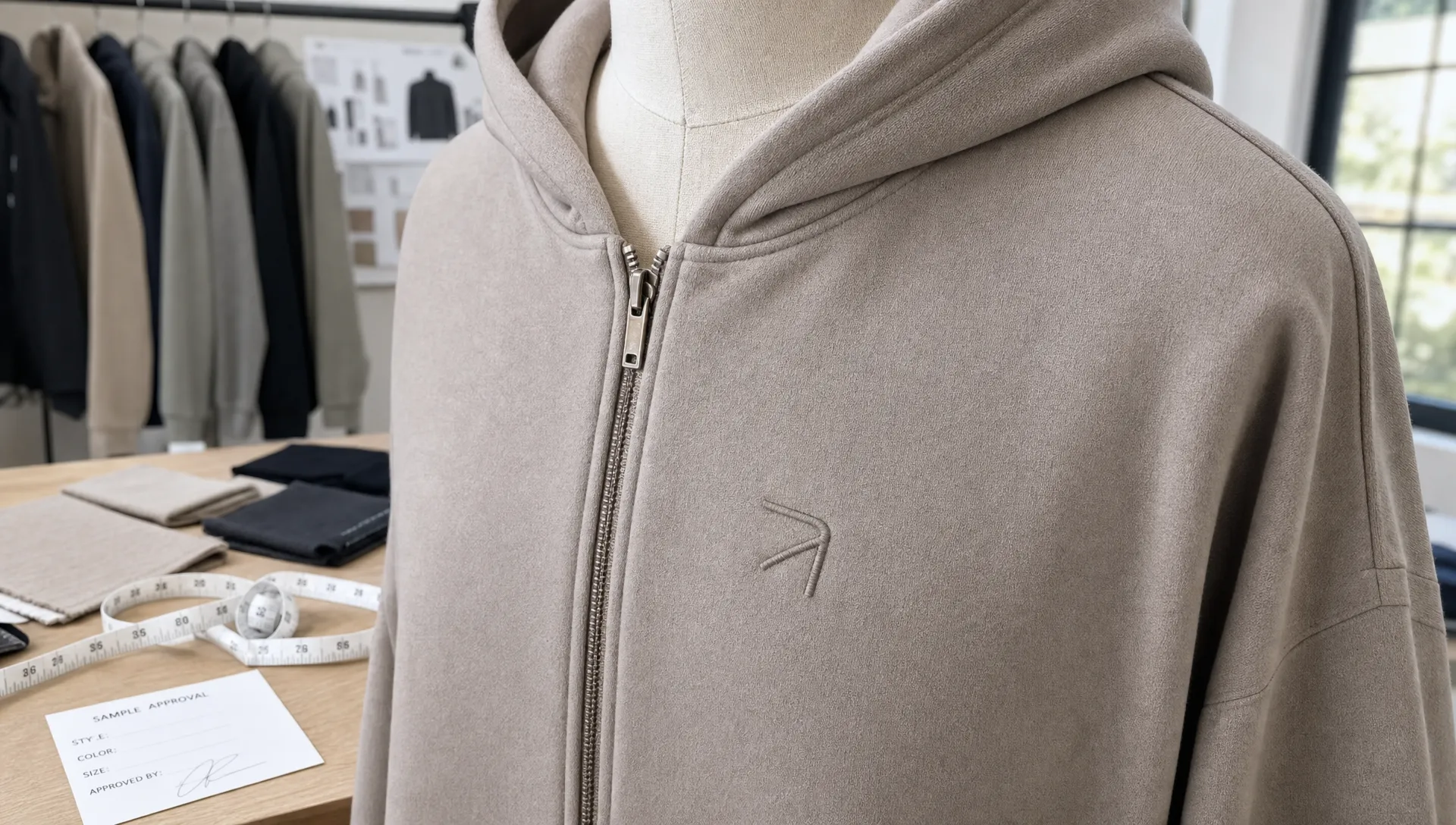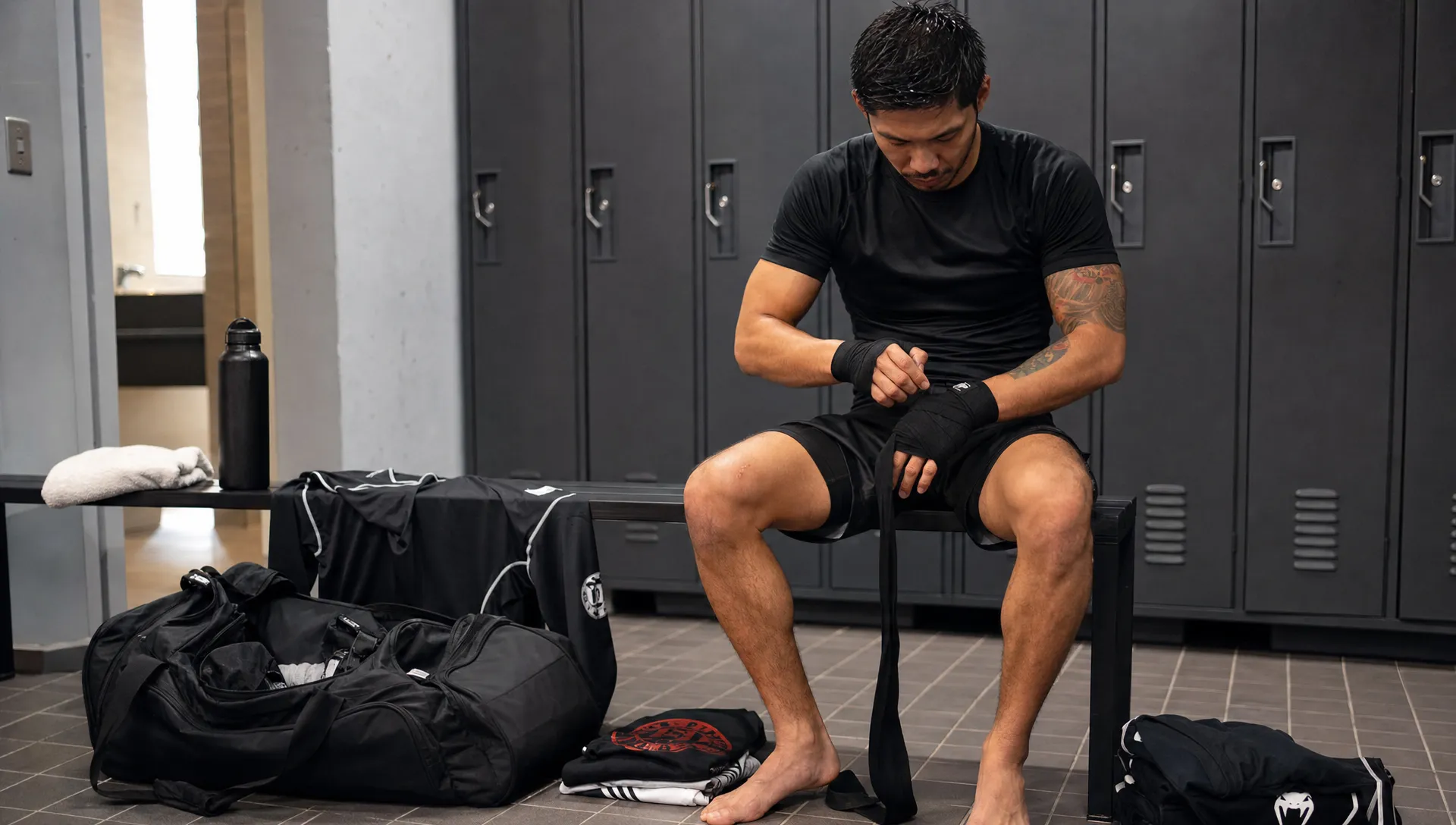
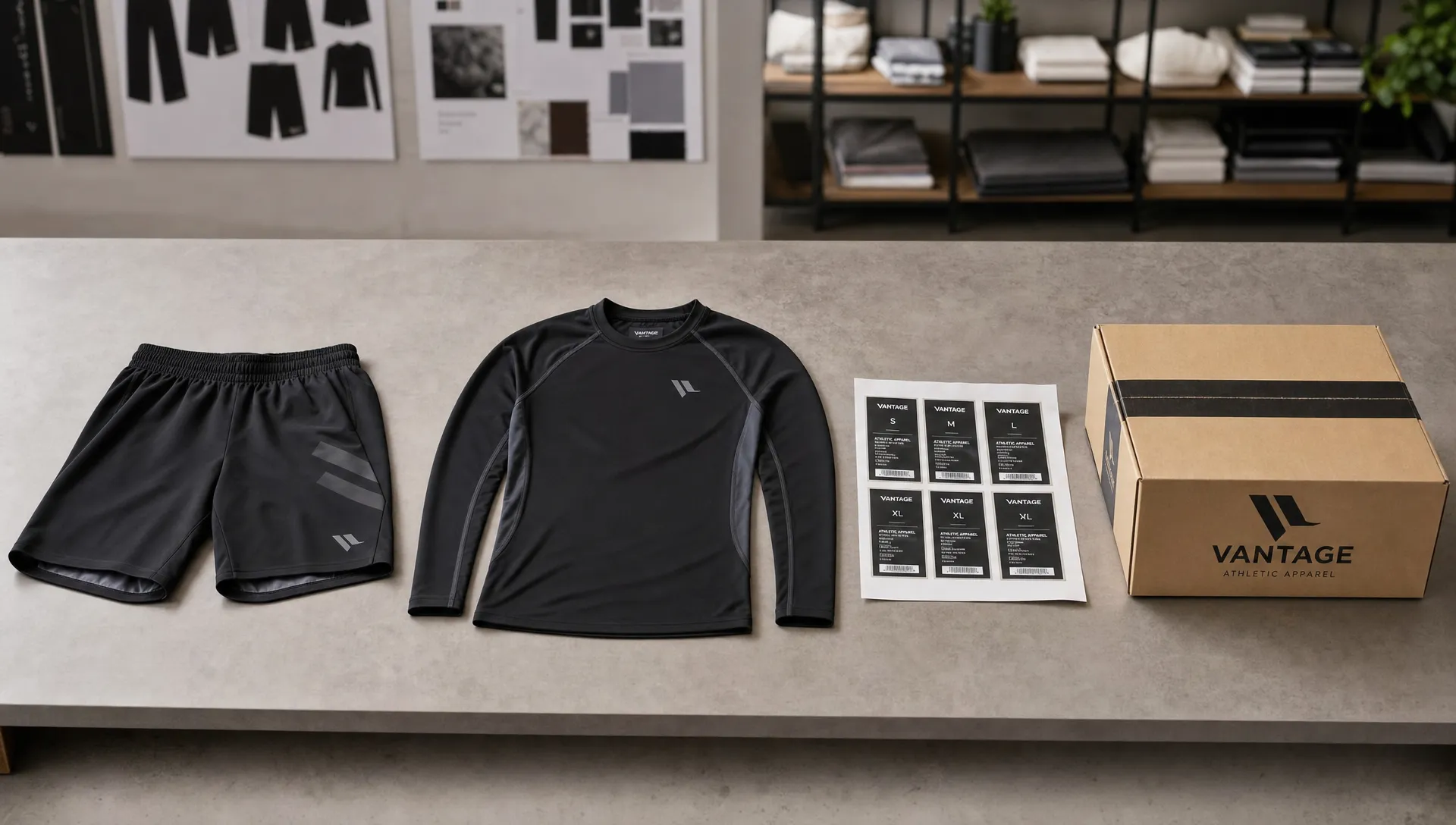
For a US sportswear brand, choosing a manufacturer is not just a sourcing decision. It affects product quality, launch timing, cash flow, customer reviews and how confidently the brand can scale.
The right athletic apparel manufacturer should bring more than sewing capacity. You should expect a structured development process, practical advice on materials, reliable sampling, clear communication, quality control and support for branded production. That applies whether you are launching training shorts, compression tops, rash guards, gym wear or a private label combat sports line.
For teams comparing athletic apparel manufacturers USA buyers often look at both domestic and international partners. The goal is not simply to find the closest factory. The goal is to find a manufacturer that understands athletic performance, can meet your branding needs and can ship finished goods reliably to your market.
Expect category knowledge, not generic garment production
Athletic apparel has different requirements than everyday fashion apparel. Fabrics stretch, seams take stress, prints are exposed to sweat and repeated washing and the garment must support movement without feeling restrictive.
A capable manufacturer should understand how construction changes by category. A pair of gym shorts needs a different fit and waistband structure than fight shorts. Rash guards require different stretch recovery and seam placement than cotton T-shirts. Boxing apparel, BJJ uniforms and MMA gear need durability in areas that receive repeated friction or pulling.
This is especially important for US brands selling to athletes, gyms or combat sports communities. Customers in these markets usually notice product failures quickly. Loose stitching, weak waistbands, poor logo placement or fabric that loses shape after a few washes can damage trust before the brand has time to grow.
If your line includes martial arts or fightwear, it is often better to work with a specialist rather than a general clothing factory. Arus Sportswear focuses on custom MMA and martial arts apparel manufacturing, including private label fightwear, rash guards, BJJ gis, boxing apparel and related sportswear.
Expect a defined product development process
A professional manufacturer should not move directly from a rough idea to bulk production. Even if you already have a design, the factory should help translate it into a production-ready garment.
For most athletic apparel projects, the process includes design review, material selection, pattern development, sampling, revisions, size grading and production planning. The more complete your inputs are, the smoother the process will be.
| Development stage | What the manufacturer should provide | What the brand should prepare |
|---|---|---|
| Design review | Feedback on feasibility, construction and branding methods | Reference images, sketches or product goals |
| Fabric selection | Options based on stretch, weight, durability and use case | Target customer, sport category and price positioning |
| Sampling | Prototype or sample garments for fit and quality review | Clear feedback with photos, measurements and notes |
| Size grading | Size set development based on the approved fit | Size range, market fit preference and customer profile |
| Bulk planning | Production schedule, order quantities and packing needs | Launch date, order volume and shipping destination |
New brands should pay close attention to this stage because early product decisions become expensive to change later. If you are still planning your first collection, the guide on how fitness wear manufacturers support new brand launches explains how manufacturers can help with fabric choice, sampling, branding and production planning.
Expect realistic MOQs and growth planning
Minimum order quantities matter because they shape your cash flow and inventory risk. A startup may want smaller test runs to validate designs, while an established brand may need bulk order support for repeat sellers.
A manufacturer that serves US brands should be able to discuss MOQs clearly before development goes too far. Low minimum orders can help new brands test the market, but they still need to be balanced with production efficiency, fabric availability and customization requirements.
You should ask how MOQs change by product type, fabric, color, print method and size range. A single-color training short may be simpler to produce than a fully sublimated rash guard with multiple sizes and custom labels. Custom trims, woven labels, embroidery and special packaging may also affect minimums.
Good manufacturing partners do not pressure brands into oversized orders without context. They help you understand what quantity makes sense for sampling, first launch, restock and wholesale expansion.
Expect material guidance based on performance use
Athletic apparel buyers sometimes focus heavily on visual design, then treat fabric as a secondary detail. That usually leads to problems. Fabric influences comfort, fit, durability, print quality and perceived value.
For performance apparel, your manufacturer should be able to discuss fabric weight, stretch, recovery, hand feel, breathability and wash performance. They should also explain which fabrics are better suited for sublimation, screen printing, embroidery or heat transfer branding.
For example, a lightweight stretch fabric may feel comfortable for training tops, but it may not be durable enough for fightwear or high-friction use. A thicker fabric may feel premium, but it could trap heat if used in the wrong garment. There is rarely one best fabric for every product. The best choice depends on the sport, customer expectation, target price and branding method.
Brands should ask for fabric details before approving bulk production. At minimum, request information such as composition, weight, stretch behavior, color options and recommended care. If you sell premium performance apparel, it is also reasonable to ask what testing or quality checks are available for the chosen material.
Expect strong branding options
A US athletic brand needs more than blank products with a logo added at the end. Branding should be part of the garment plan from the beginning.
The manufacturer should help you decide where logos should appear, which application method fits the fabric and how branding will hold up during use. Common options include sublimation, embroidery, woven labels, printed neck labels, patches, heat transfers and custom packaging.
Logo placement is especially important in sportswear because garments move on the body. A design that looks balanced on a flat mockup may look awkward when stretched, tucked, folded or worn during training. If brand recognition is a major goal, the article on how athletic apparel logos shape brand recognition covers practical points around visibility, consistency and production method.
Branding should also be consistent across the full line. If your shorts, rash guards, hoodies and uniforms all use different logo sizes, label styles or color standards, the collection can feel disconnected. A good manufacturer will help keep those details aligned.
Expect quality control before bulk goods leave the factory
Quality control is one of the biggest differences between a reliable apparel manufacturer and a risky supplier. US customers expect products to fit correctly, feel consistent and withstand regular use. Wholesale buyers and gyms also expect repeat orders to match the first approved batch.
A manufacturer should have checkpoints throughout production rather than inspecting only at the end. That includes reviewing materials, checking cutting accuracy, monitoring stitching, confirming branding placement and inspecting finished garments before packing.
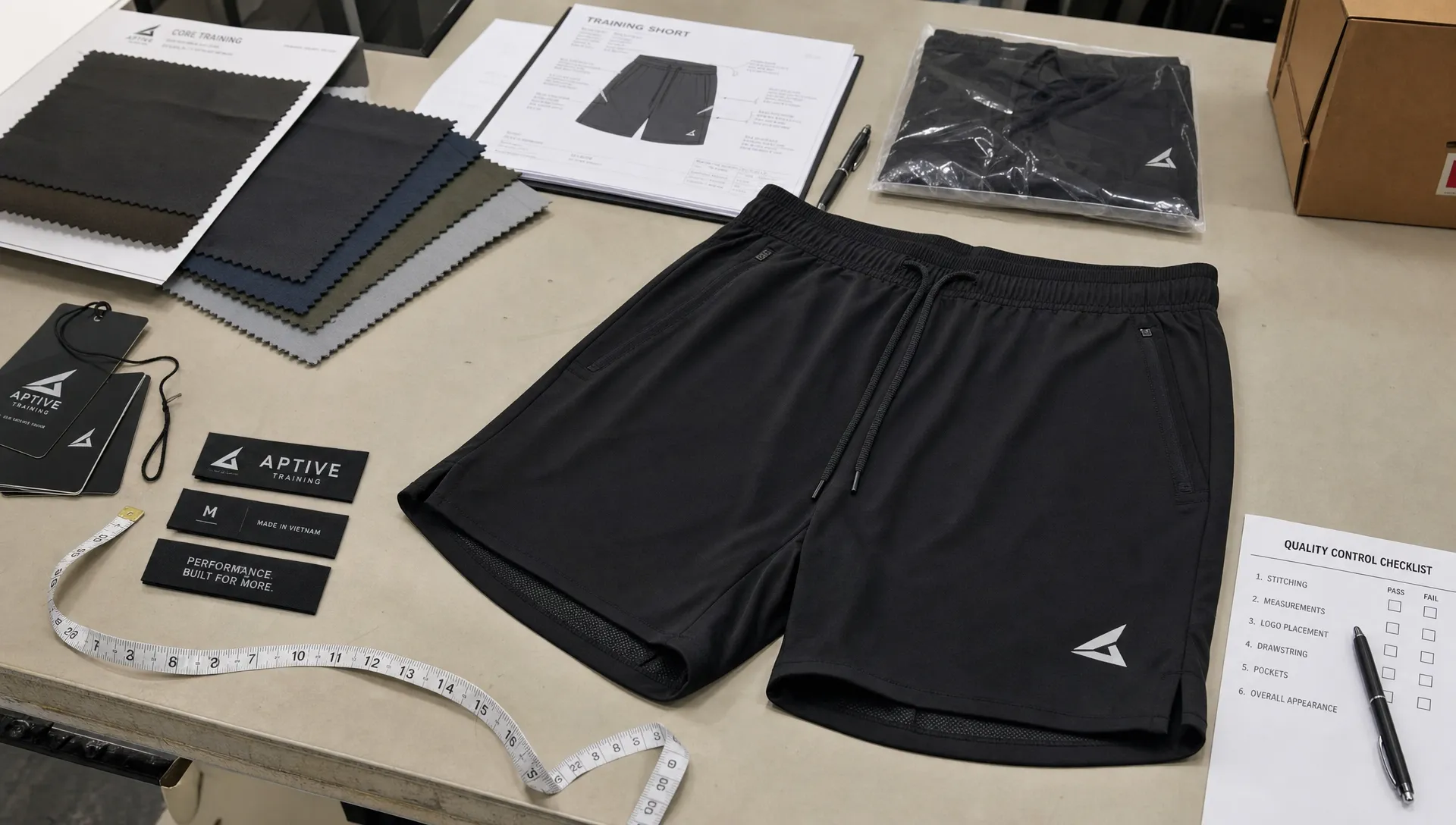
| Quality area | What should be checked | Why it matters |
|---|---|---|
| Fabric | Color, weight, stretch and visible defects | Prevents mismatched or weak production batches |
| Stitching | Seam strength, thread trimming and consistency | Reduces returns caused by loose seams or poor finishing |
| Fit | Measurements against approved sample and size chart | Keeps sizing reliable across orders |
| Branding | Logo placement, color accuracy and application quality | Protects brand presentation and customer trust |
| Packing | Labels, folding, carton marks and order counts | Helps receiving, fulfillment and wholesale delivery |
For performance products, durability should be part of the conversation early. If your customers train hard, your manufacturer should understand how garments will be used and washed. The guide on how to source performance apparel that holds up goes deeper into durability requirements, fabric specifications and sample testing.
Expect labeling and import conversations for the US market
US brands should not leave compliance until the last minute. Apparel sold in the United States generally needs accurate labeling, including fiber content, country of origin and care information where applicable. The Federal Trade Commission provides detailed guidance in its resource on textile and wool labeling requirements.
Your manufacturer may help produce labels and packaging, but the brand is responsible for making sure final products meet market requirements. If you import goods into the United States, you should also understand customs documentation, tariff classification and country-of-origin marking.
This does not mean every brand needs to become a legal expert before ordering samples. It does mean you should ask the manufacturer what labeling information they need, how care labels are produced and what export documents are typically provided. For children’s apparel, protective gear or regulated product categories, consult a qualified compliance professional before production.
Expect clear communication and documentation
Communication problems create some of the most expensive manufacturing mistakes. A reliable manufacturer should confirm decisions in writing, provide visual references when needed and keep your order details organized.
Before placing a bulk order, make sure the following details are documented:
- Product style names and descriptions
- Approved fabrics, colors and trims
- Size chart and measurement tolerance
- Logo files, placements and branding methods
- Sample approval notes
- Order quantities by size and color
- Packaging, labeling and shipping requirements
This documentation protects both sides. It reduces guesswork for the production team and gives your brand a clear record if questions come up later.
US brands working across time zones should also expect structured updates. You may not receive instant responses at every hour, but you should know who manages your order, when updates will be sent and how approvals are handled.
Expect transparent pricing, not just the lowest quote
The cheapest unit price is not always the best manufacturing choice. A low quote may exclude labels, packaging, sampling, special trims or freight. It may also rely on fabric or construction choices that do not match your product goals.
A useful quote should make the commercial details clear. Ask what is included in the unit cost, what is charged separately, when payment is due and whether pricing changes at higher order volumes.
US brands should think in terms of landed cost, not just factory cost. Landed cost includes product price, shipping, duties, customs brokerage, packaging and any domestic fulfillment expenses after the goods arrive. A slightly higher production cost can still be a better decision if quality is stronger, returns are lower and restocks are more reliable.
Expect sampling to take time and attention
Sampling is not a formality. It is the stage where design ideas become physical products. Skipping careful sample review can lead to poor fit, weak branding or production details that are difficult to fix later.
When you receive samples, evaluate them like a customer and like a business owner. Try them on the intended body type, check movement, wash them according to the care instructions and inspect branding after use. If the apparel is made for training, it should be tested during training.
Clear feedback helps the manufacturer make accurate revisions. Instead of saying “make it fit better,” give specific notes such as sleeve length, waistband tension, inseam, collar shape or logo size. Photos and measurements are especially helpful.
Expect scalability if your brand plans to grow
A manufacturer that works for a small launch should also be able to support future growth. That does not always mean placing huge orders immediately. It means building products and processes that can be repeated.
Scalability depends on consistent patterns, reliable materials, documented branding standards and stable communication. If your first collection performs well, you should be able to reorder without rebuilding every detail from scratch.
Brands that plan to sell through gyms, distributors or wholesale partners should also discuss bulk order support early. Larger buyers may need consistent sizing, packaging standards, carton labeling and predictable restock timelines.
Custom apparel can become a major advantage when it is planned well. It helps sports brands build a stronger identity, create community appeal and avoid looking like every other label in the market. For more on that angle, see how custom apparel helps sports brands stand out.
What US brands should prepare before contacting a manufacturer
Manufacturers can help refine a product, but they cannot read your market strategy. The more prepared you are, the better feedback and pricing you will receive.
Before reaching out, prepare a simple brief that covers your product category, target customer, estimated quantity, preferred materials, branding ideas, launch timeline and shipping destination. If you have reference products, size charts, logo files or tech packs, include them.
You do not need a perfect production package to start a conversation, especially if you are working with a private label or OEM manufacturer that offers design support. But you should know what you want the product to achieve. Are you building a premium fightwear line, a gym uniform program, a wholesale sportswear collection or a small test drop for an online store? Each path requires different planning.
Frequently Asked Questions
What should US brands look for in athletic apparel manufacturers? US brands should look for category experience, clear sampling, private label or OEM support, reliable quality control, realistic MOQs, branding options and shipping experience. For performance products, the manufacturer should understand fit, stretch, durability and repeated washing.
Do athletic apparel manufacturers in the USA always offer the best option? Not always. Some brands prefer local production for speed or domestic positioning, while others work with international manufacturers for broader customization, bulk capacity or specific product expertise. The best choice depends on quality, communication, cost, MOQ and the type of apparel being made.
How much detail does a brand need before requesting a quote? A brand should provide product type, estimated quantities, size range, fabric preferences, logo placement, target market and shipping destination. Tech packs are helpful, but many manufacturers can also guide brands that have reference images and clear product goals.
Why is sampling important before bulk production? Sampling lets the brand review fit, fabric, stitching, logo placement and overall finish before committing to a larger order. It is one of the best ways to prevent expensive production mistakes.
Can one manufacturer support both small launches and bulk orders? Some manufacturers can support both, especially if they offer low minimum orders and bulk production support. Brands should ask about MOQ, restock planning, capacity and whether approved samples can be repeated consistently in future orders.
Build your next athletic apparel line with the right expectations
US brands should expect more from an athletic apparel manufacturer than a basic supplier relationship. The right partner helps turn ideas into production-ready garments, supports branding, checks quality and keeps the process organized from sample to shipment.
Arus Sportswear manufactures custom MMA, martial arts and performance sportswear for brands, gyms and distributors worldwide. If you are planning private label fightwear, rash guards, BJJ gis, boxing apparel or custom athletic wear, you can explore manufacturing support through Arus Sportswear.