Sourcing an Aikido gi is not the same as ordering a generic white martial arts uniform with a new label sewn inside. Aikido has its own movement language, etiquette and visual expectations. The gi must allow turning, kneeling, rolling, weapons practice and partner grips without looking like a BJJ gi, a modern competition judo gi or a slim karate uniform.
For brands, gyms and distributors, the sourcing challenge is clear: you need a custom product that feels traditional to instructors but is still consistent enough for commercial production. That starts with a better brief, a more careful sample process and an aikido gi manufacturer that understands how fit affects practice.
Define what “traditional fit” means for your customer
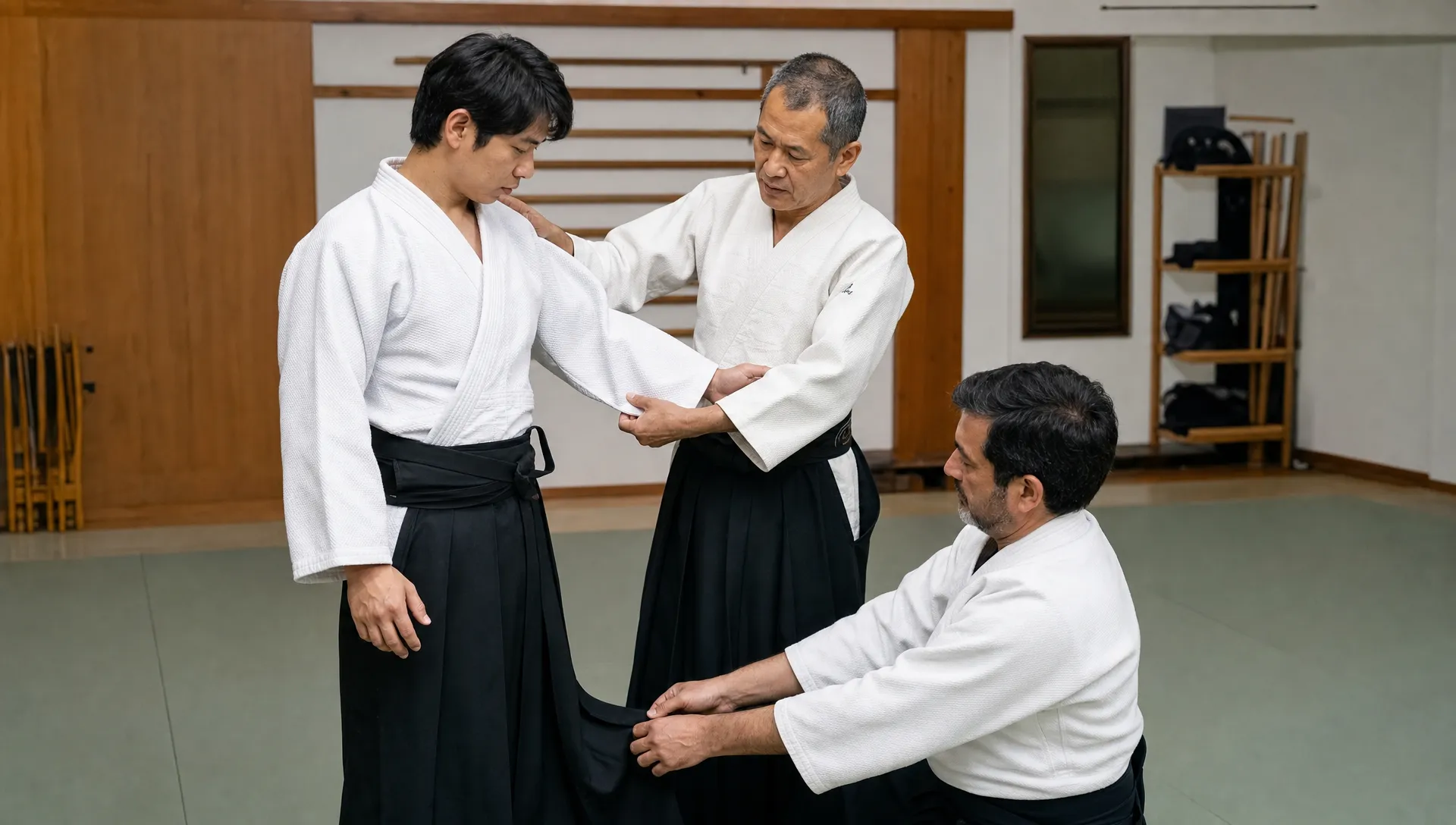
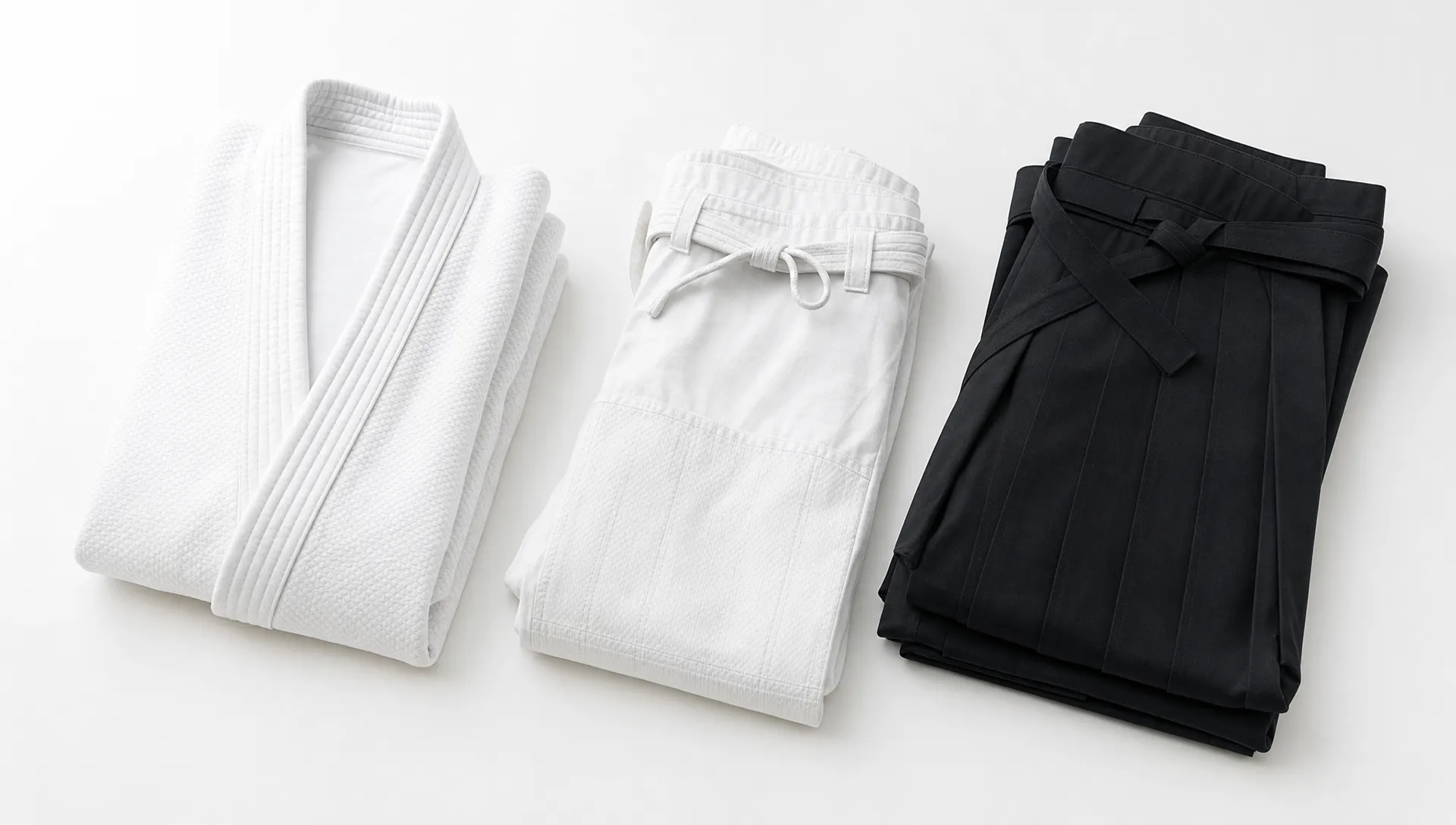
Before discussing fabric weight or price, define the fit your buyers expect. “Traditional” can mean different things in different dojos. Some schools prefer a judo-style jacket with a substantial weave. Others want something lighter, closer to a karate cut but with stronger reinforcement. Many Aikido practitioners also wear a hakama, so the jacket must sit cleanly underneath without excessive bulk.
The Aikikai Foundation describes Aikido as a martial way based on body movement, technique and mutual practice. That matters for product development because the uniform must support movement rather than simply survive pulling. A gi that is too stiff, too narrow through the shoulders or too short in the skirt can interfere with the way a practitioner turns, pins, rolls and kneels.
A traditional Aikido fit usually prioritizes:
- Freedom across the shoulders and upper back for tenkan, weapons work and ukemi
- A jacket length that maintains modest coverage during movement
- Sleeves that do not hang into the hands or restrict wrist control
- Trousers that allow kneeling, seiza and suwari-waza without pulling at the knees
- A clean silhouette under the hakama for advanced students or traditional schools
This is why you should avoid copying a BJJ or karate pattern without modification. Those uniforms are designed around different gripping, competition and movement needs.
Build the spec from practice, not from a catalog photo
A catalog image can show a clean white gi, but it cannot tell your factory how the garment should behave in class. Your product brief should translate Aikido use cases into measurable construction details.
Start with the jacket. Aikido jackets often benefit from a durable woven upper body, secure lapels and enough room through the chest and arms for circular movement. The skirt should not ride up too easily, especially when the wearer rolls or sits. If your customer base includes dojos where hakama use is common, avoid overly bulky side seams and heavy lower panels that bunch at the waist.
Trousers deserve just as much attention. Many low-cost martial arts pants fail at the knee because they are designed for basic standing drills, not repeated kneeling and falling. Aikido pants should have a comfortable rise, reliable waist closure and reinforcement where the garment repeatedly contacts the mat.
| Product area | Fit risk if poorly specified | Sourcing action |
|---|---|---|
| Jacket shoulders | Pulling during rolls and weapon movements | Add shoulder ease and test with arm rotation |
| Sleeve length | Fabric interferes with wrist grabs or hands | Define finished sleeve length by size after wash |
| Jacket skirt | Rides open during ukemi or kneeling | Set front and back length standards by size |
| Lapel and collar | Too soft for grabs or too stiff for comfort | Specify collar structure and wash-test feel |
| Trouser knees | Premature wear from kneeling practice | Add reinforced knee panels where appropriate |
| Waist closure | Slips during rolling or under hakama | Test drawstring, elastic or hybrid options |
The goal is not to make the heaviest gi possible. It is to make a balanced uniform that feels respectful, moves correctly and can be reproduced across sizes.
Choose fabric that supports grip, drape and washing
Fabric selection affects the entire character of an Aikido gi. A heavy fabric can feel premium but may be too warm or bulky for daily practice. A very light fabric may be comfortable, but it can look thin, lose shape quickly or fail under repeated gripping.
Common options include cotton canvas, twill and textured woven fabrics. Some buyers prefer a sashiko-style upper jacket because it visually connects with Japanese martial arts uniforms and offers better grip durability. Others choose a lighter construction for beginners, warm climates or schools that prioritize comfort over a heavy traditional feel.
Cotton content, fabric weight and weave density all influence shrinkage. For custom production, do not rely on generic labels such as “medium weight” or “premium cotton.” Ask for measurable details instead, including fabric composition, GSM, weave type, pre-shrinking method and post-wash measurement results. If your audience is split between humid climates like Thailand, colder regions in Canada and year-round training environments in the United States or Europe, you may need more than one fabric tier.
This is similar to other martial arts sourcing decisions. If your brand also carries judo uniforms, the planning process covered in these custom judo gi manufacturer tips for growing labels can help you think through customer needs before locking fabric and fit.
Preserve the silhouette with a dedicated Aikido pattern
One of the biggest sourcing mistakes is asking a factory to “use a judo gi pattern but make it Aikido.” That may sound efficient, but it often produces a uniform that looks too boxy, too stiff or too competition-oriented for Aikido customers.
A dedicated Aikido pattern should account for the way the practitioner stands, turns and sits. The jacket needs enough volume for movement without looking oversized. The sleeves should be practical for wrist techniques. The trousers must remain comfortable during kneeling transitions. If the gi will be worn under a hakama, the pattern should be tested that way, not only as a standalone uniform.
The grading also matters. A good size M sample does not guarantee a good full size run. Taller sizes may need adjusted sleeve and skirt proportions. Wider sizes may need more hip and thigh room without simply making every panel larger. For international distribution, consider whether your size labels need to work across US, Canadian, European, Japanese and Australian markets.
Ask your manufacturer for a size chart that includes finished garment measurements, not only wearer height. Finished measurements make it easier to check production, answer customer questions and reduce returns.
Use samples to test movement, not just appearance
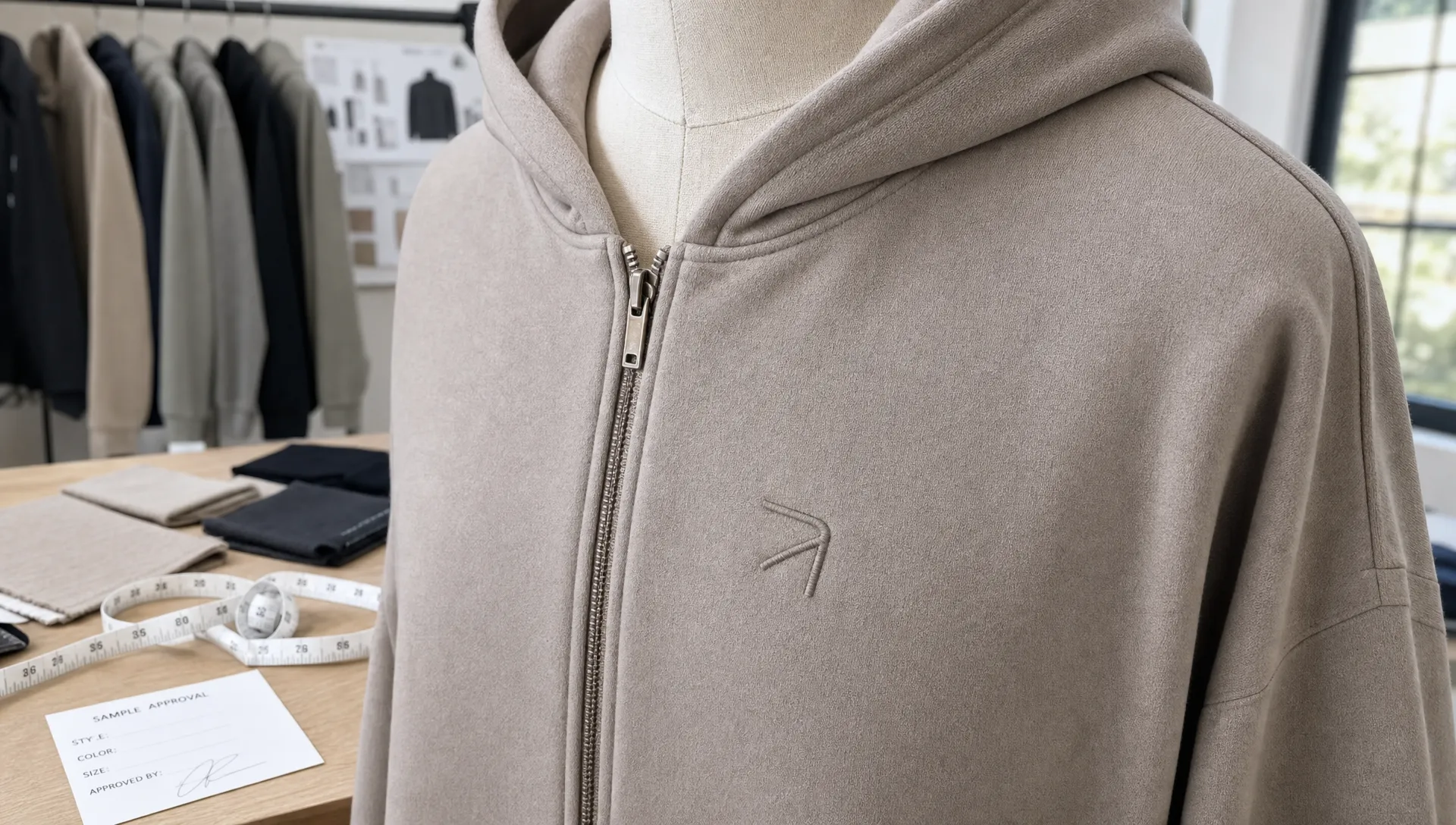
A clean sample on a hanger is only the first checkpoint. To source custom Aikido gis that preserve traditional fit, you need a sample process that includes wear testing and wash testing.
A practical sample flow usually includes:
- Reference sample: Provide an existing gi, photos and measurement notes that show the fit direction you want.
- Prototype sample: Review the first custom pattern for fabric feel, proportions, stitching and branding placement.
- Wear-test sample: Have instructors or experienced practitioners test rolling, kneeling, gripping and weapons movements.
- Wash-test sample: Wash and dry according to the care label, then compare measurements with the pre-wash record.
- Pre-production sample: Approve final construction, labels, packaging and size specifications before bulk cutting.
During wear testing, ask testers to comment on specific issues rather than general comfort. Did the sleeve twist? Did the jacket open too easily? Did the trousers pull at the knee in seiza? Did the collar feel too stiff after washing? These answers are more useful than a simple “good” or “bad.”
Evaluate the right aikido gi manufacturer
The best factory for this project is not always the cheapest supplier with a white uniform in its catalog. Look for an aikido gi manufacturer or martial arts apparel partner that can discuss pattern adjustments, fabric behavior, shrinkage, reinforcement and branding in practical terms.
When you evaluate suppliers, pay attention to how they respond to the brief. A capable partner should ask about your target user, training environment, size range, fabric preference, branding needs and order volume. If they only ask for a logo file and quantity, they may not be thinking deeply enough about the product.
For brands and distributors, private label and OEM capabilities are especially important. You may need woven labels, neck labels, size labels, hangtags, polybags, carton markings and consistent packaging across repeat orders. For gyms, the priority may be lower minimums, reliable sizing and simple branding that keeps the uniform aligned with dojo culture.
Arus Sportswear supports private label and OEM martial arts apparel manufacturing for brands, gyms and distributors, including custom designs, branding, bulk order support, low minimum orders and worldwide shipping. When speaking with any manufacturer, prepare a detailed brief so the conversation stays focused on fit, function and consistency rather than only price.
Keep branding respectful and practical
Aikido buyers are often sensitive to tradition. Heavy commercial branding may work in some combat sports categories, but it can feel out of place on an Aikido gi. That does not mean your product must be plain. It means branding should be placed with restraint.
Common branding choices include small woven labels, discreet embroidery, internal neck labels and simple packaging. If the gi is for a dojo, chest or sleeve embroidery may be appropriate if it matches the school’s customs. For retail brands, a subtle exterior mark often feels more credible than large contrast logos.
Color is another consideration. White remains the safest and most traditional option for most Aikido uniforms. Natural white or off-white fabrics may appeal to some buyers, but they should be approved carefully because color expectations can vary by school and region. If you offer black or colored versions, position them clearly so they do not confuse customers who need a standard dojo-approved uniform.
Build quality checks into the order before production starts
Quality control should be agreed before the first bulk order is cut. Otherwise, you may discover problems only after cartons arrive. The quality process does not need to be complicated, but it must be written down.
Useful checkpoints include fabric inspection, shrinkage testing, cutting accuracy, seam strength, measurement tolerance, label placement and packing accuracy. Aikido-specific checks should also include sleeve symmetry, jacket skirt length, collar firmness, trouser knee reinforcement and waist closure function.
Many quality principles overlap with other martial arts uniforms. The inspection mindset explained in how a karate gi factory handles quality at scale is useful here because consistency depends on controls at multiple stages, not only a final look at finished garments.
| QC checkpoint | What to verify | Why it matters for Aikido gis |
|---|---|---|
| Fabric roll inspection | Color, weave consistency and visible defects | Prevents mismatched panels and weak areas |
| Shrinkage test | Measurements before and after washing | Protects traditional fit after customer laundering |
| Pattern and cutting check | Panel dimensions across sizes | Keeps silhouette consistent in bulk production |
| Stitching inspection | Seam strength, skipped stitches and bartacks | Supports gripping, rolling and repeated kneeling |
| Finished measurement check | Chest, sleeve, skirt, waist, inseam and rise | Reduces returns and size complaints |
| Packing audit | Correct size, label, barcode and carton count | Helps distributors and gyms manage inventory |
Set acceptable tolerances for each size. For example, you may allow small measurement variation on non-critical areas but require tighter control on sleeve length, jacket length and trouser rise. The exact tolerance should be agreed with the manufacturer and tested against your approved sample.
Plan your size range for real markets
Aikido is practiced by children, adults, beginners, senior students and instructors. A narrow size range may reduce upfront cost, but it can limit your ability to serve dojos and distributors. At the same time, too many sizes can make inventory management difficult.
A smart first range might include core adult sizes, a few youth sizes if your market includes children and longer or wider options if your customer data supports them. For the United States, Canada and Australia, height and body shape variation can be broad, so finished measurements are essential. In Germany, the Netherlands and other European markets, buyers may expect clear metric sizing. In Japan, customers may be more familiar with height-based martial arts sizing, so label translation and measurement clarity matter.
If you sell online, include a size chart with body height, recommended weight range and finished garment measurements. If you sell through gyms, provide staff with a simple fitting guide so they can recommend sizes before ordering.
Avoid common sourcing mistakes
The most expensive problems usually begin with unclear assumptions. A manufacturer can only preserve traditional fit if the buyer defines what that fit means.
Watch for these mistakes when sourcing custom Aikido gis:
- Approving a sample before washing it
- Using a BJJ, judo or karate pattern without Aikido fit adjustments
- Choosing fabric weight based only on perceived premium feel
- Forgetting to test the gi under a hakama
- Placing large branding where instructors may reject it
- Ordering a full size run before checking graded samples
- Skipping written tolerances for finished measurements
These problems are avoidable when your sourcing process treats the gi as training equipment, not just apparel.
Frequently Asked Questions
What makes an Aikido gi different from a judo gi? An Aikido gi may share some construction features with a judo gi, such as a durable jacket and reinforced seams, but the fit priorities are different. Aikido requires smooth turning, kneeling, rolling and often wear under a hakama, so bulk, sleeve length and jacket skirt behavior need special attention.
Should custom Aikido gis be heavy or lightweight? It depends on your audience. Heavy fabrics can feel traditional and durable, but they may be too warm or stiff for daily practice. Lightweight fabrics improve comfort, especially in warm climates, but must still withstand gripping, washing and kneeling.
How do I control shrinkage in bulk Aikido gi production? Ask for fabric details, pre-shrinking information and wash-test reports. Approve samples only after washing them according to the care label, then compare finished measurements with your size chart.
Can I add private label branding to an Aikido gi? Yes, but keep the branding aligned with dojo expectations. Subtle woven labels, internal neck labels, small embroidery and clean packaging usually work better than large commercial graphics.
What should I send to an aikido gi manufacturer before requesting a quote? Send your target user profile, reference sample or photos, size range, fabric preference, branding requirements, packaging needs, expected order quantity and any traditional fit details required by your customers.
Source Aikido gis with fit, function and tradition in mind
A well-made Aikido gi should feel familiar the first time an instructor puts it on. It should move through practice without distraction, wash consistently and carry your brand without overwhelming the tradition of the art.
If you are building a private label uniform line for a brand, gym or distributor, Arus Sportswear can help you develop custom martial arts apparel with OEM production, custom branding options, bulk order support, low minimum orders and worldwide shipping. Start with a clear Aikido gi brief, then use sampling and quality control to protect the fit your customers expect.