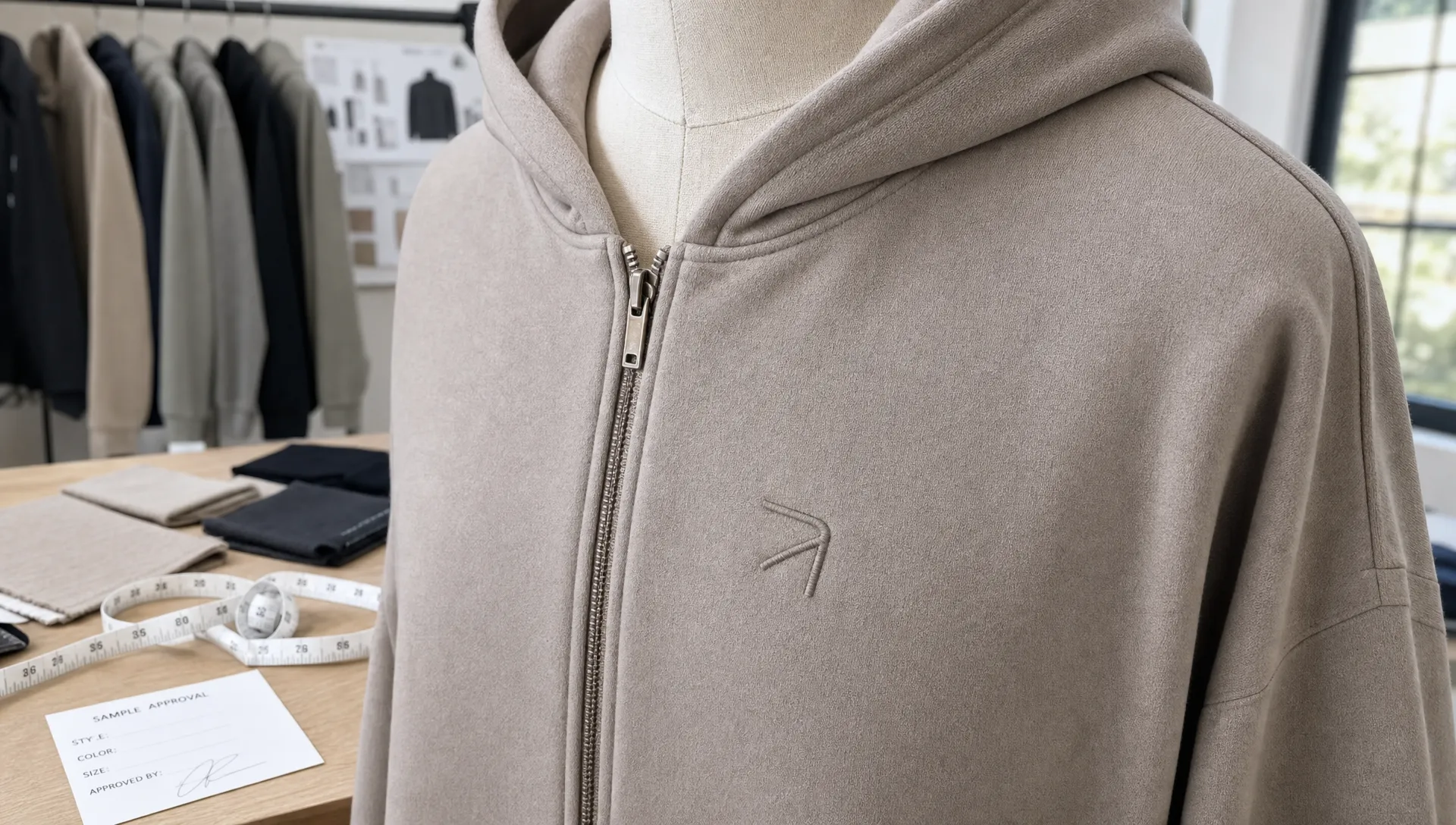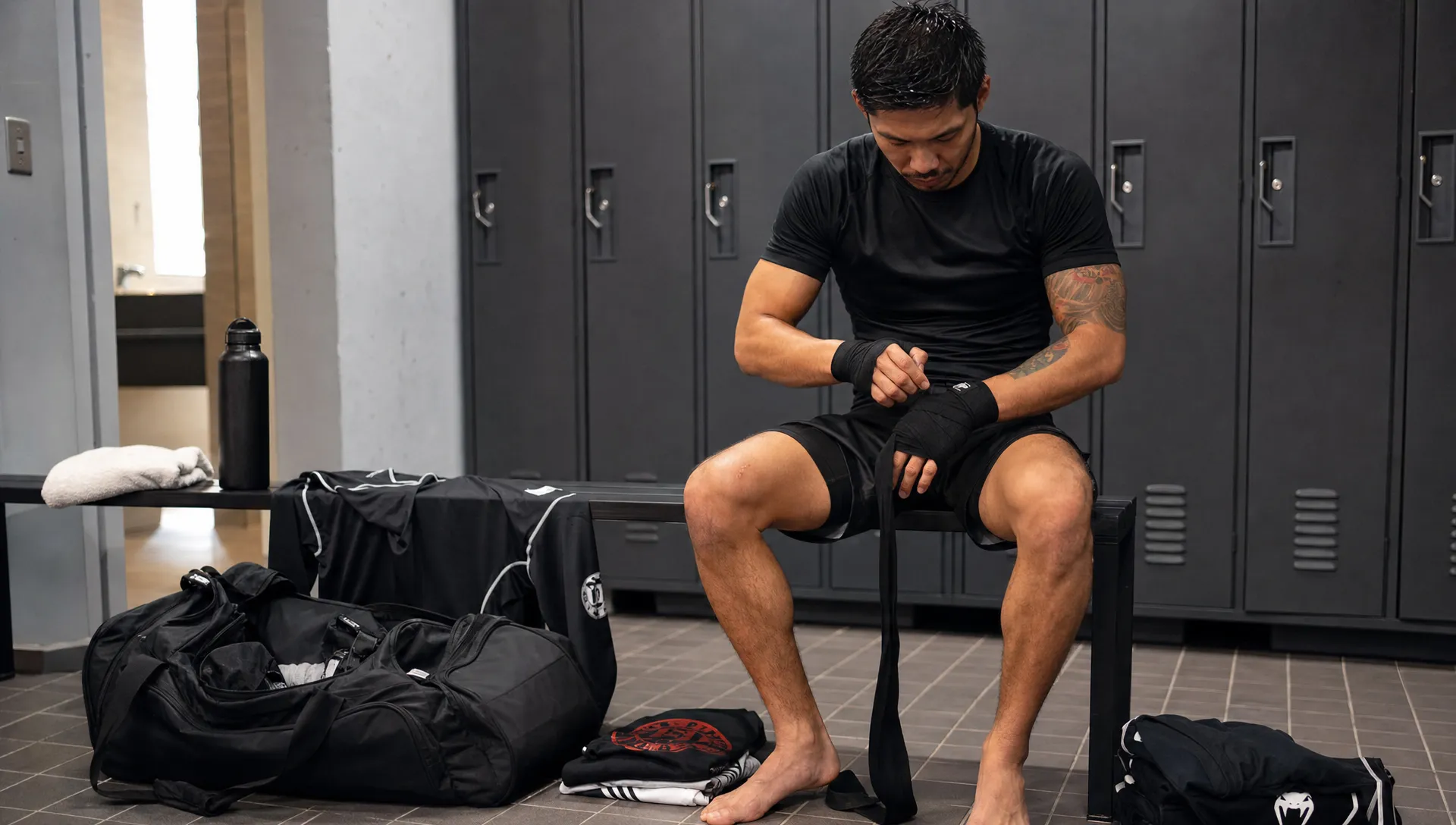
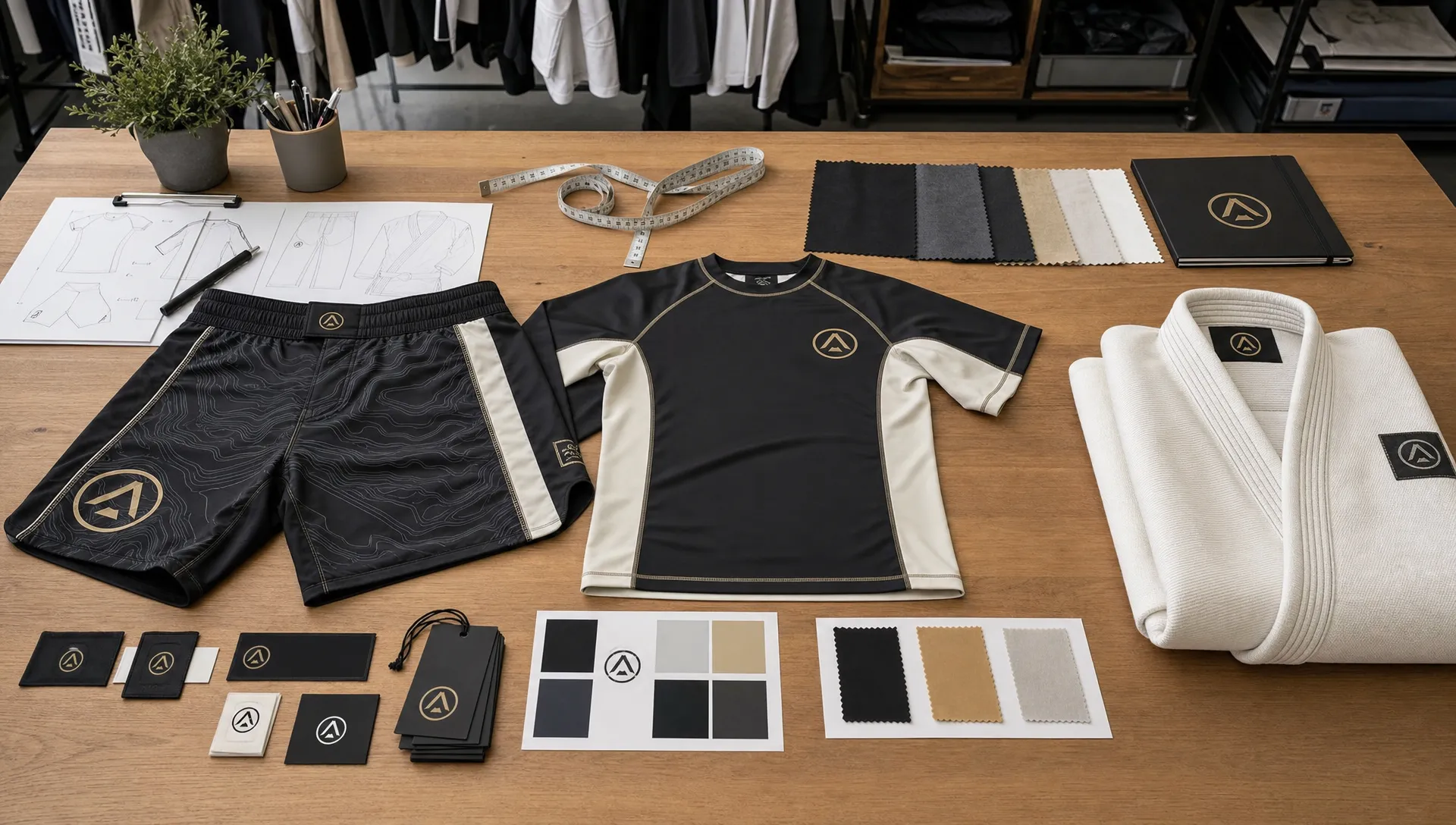
A sports brand can buy blank gear, add a logo, and technically have merchandise. But in a crowded market, that usually is not enough. Athletes, gym members, and fans are surrounded by similar T-shirts, shorts, rash guards, hoodies, and uniforms. If your apparel looks interchangeable, your brand becomes interchangeable too.
Custom apparel changes that. It turns clothing into a visible expression of your brand identity, your sport culture, and the performance standards your audience expects. For MMA brands, BJJ gyms, boxing clubs, fitness labels, and martial arts distributors, apparel is not just something people wear. It is part of how they train, compete, represent a team, and remember an experience.
The strongest sports brands do not stand out by using louder graphics alone. They stand out by making every detail feel intentional, from fit and fabric choice to color palette, logo placement, and the way a product performs under pressure.
Why standing out is harder for sports brands today
Sportswear has a low barrier to entry at the basic level. Anyone can order generic blanks, print a logo, and launch a small collection. That has created more competition, but it has also made many brands look the same.
At the same time, customers have become more selective. Athletes want apparel that holds up during training. Gym owners want team gear that members are proud to wear. Distributors want products that feel different enough to justify shelf space. Fans want apparel that lets them belong to something, not just cover their body.
This is where custom apparel becomes a strategic advantage. Instead of competing only on price, you can compete on identity, experience, and relevance to a specific sport community.
A generic pair of fight shorts says, “we sell sportswear.” A well-designed custom pair of fight shorts says, “we understand how this athlete moves, what this team represents, and why this brand exists.”
Custom apparel turns brand identity into something athletes can wear
Brand identity is often discussed in terms of logos, websites, and social media. But for sports brands, apparel may be the most visible brand asset of all. It shows up in gyms, competitions, training videos, team photos, tournaments, and everyday streetwear.
The U.S. Patent and Trademark Office explains that trademarks help identify and distinguish goods or services. In practical brand-building terms, your logos, names, symbols, and visual cues become stronger when customers see them repeatedly in memorable contexts. Custom apparel helps create those contexts.
That does not mean every item needs to be covered in logos. In fact, the most recognizable sports apparel often uses restraint. A signature color combination, a consistent sleeve detail, a waistband pattern, a collar shape, or a recurring graphic language can make your products recognizable even before someone reads the brand name.
For martial arts and combat sports brands, these details matter because gear is highly visible during motion. A rash guard seen in a grappling exchange, a gi patch in a tournament photo, or boxing apparel worn during pad work can become part of a brand’s visual memory.
Differentiation is not just visual, it is functional
Sports customers judge apparel by how it performs. A shirt that looks good but traps heat during training will not build loyalty. Fight shorts with poor mobility will frustrate athletes. A rash guard that stretches out quickly can damage trust in the brand.
Custom apparel allows sports brands to connect their visual identity with their performance promise. Instead of choosing a generic product and hoping it fits your audience, you can make decisions around the needs of a specific sport, training style, and customer segment.
For example, a BJJ brand may care about reinforced construction, fit consistency, and competition-friendly presentation. An MMA brand may prioritize movement, waistband security, and graphics that withstand regular training. A boxing apparel line may focus on comfort, breathability, and clean team branding. A karate uniform line may need to balance tradition, durability, and a professional appearance.
These choices tell customers that the brand understands their sport. That understanding is one of the fastest ways to stand out.
Custom gear builds community, not just sales
Sports brands grow faster when people feel they are part of something. Custom apparel gives teams, gyms, academies, and fans a way to represent that shared identity.
A gym with custom rash guards, shorts, uniforms, and warmups looks more unified at events. A fightwear brand with a recognizable design system becomes easier to spot in athlete content. A distributor carrying exclusive custom products has something more defensible than another generic catalog item.
The emotional side matters too. Athletes often keep tournament gear, team uniforms, and limited-edition drops because they connect those items with personal milestones. A first competition, a belt promotion, a fight camp, or a championship event can all become tied to apparel.
When customers attach meaning to a product, it becomes harder to replace with a cheaper alternative.
What can sports brands customize?
Customization should be broader than placing a logo on a blank product. The more intentional your choices are, the more ownable your apparel line becomes.
| Customization area | How it helps the brand stand out | Examples for sports apparel |
|---|---|---|
| Fit and silhouette | Creates a product feel that matches the sport and target customer | Athletic cuts, relaxed training fits, competition-focused patterns |
| Color system | Builds recognition across collections | Signature team colors, seasonal palettes, contrast panels |
| Fabric and construction | Supports performance expectations | Stretch fabrics, reinforced stitching, breathable materials |
| Branding placement | Makes the product recognizable in motion and photos | Chest marks, sleeve logos, waistband details, gi patches |
| Graphics and artwork | Communicates attitude, culture, and niche identity | Fightwear prints, academy themes, limited-edition designs |
| Labels and finishing | Adds a more professional retail feel | Neck labels, woven labels, hangtags, custom packaging elements |
The goal is not to customize everything at once. The goal is to decide which details matter most for your audience and repeat them consistently enough that they become associated with your brand.
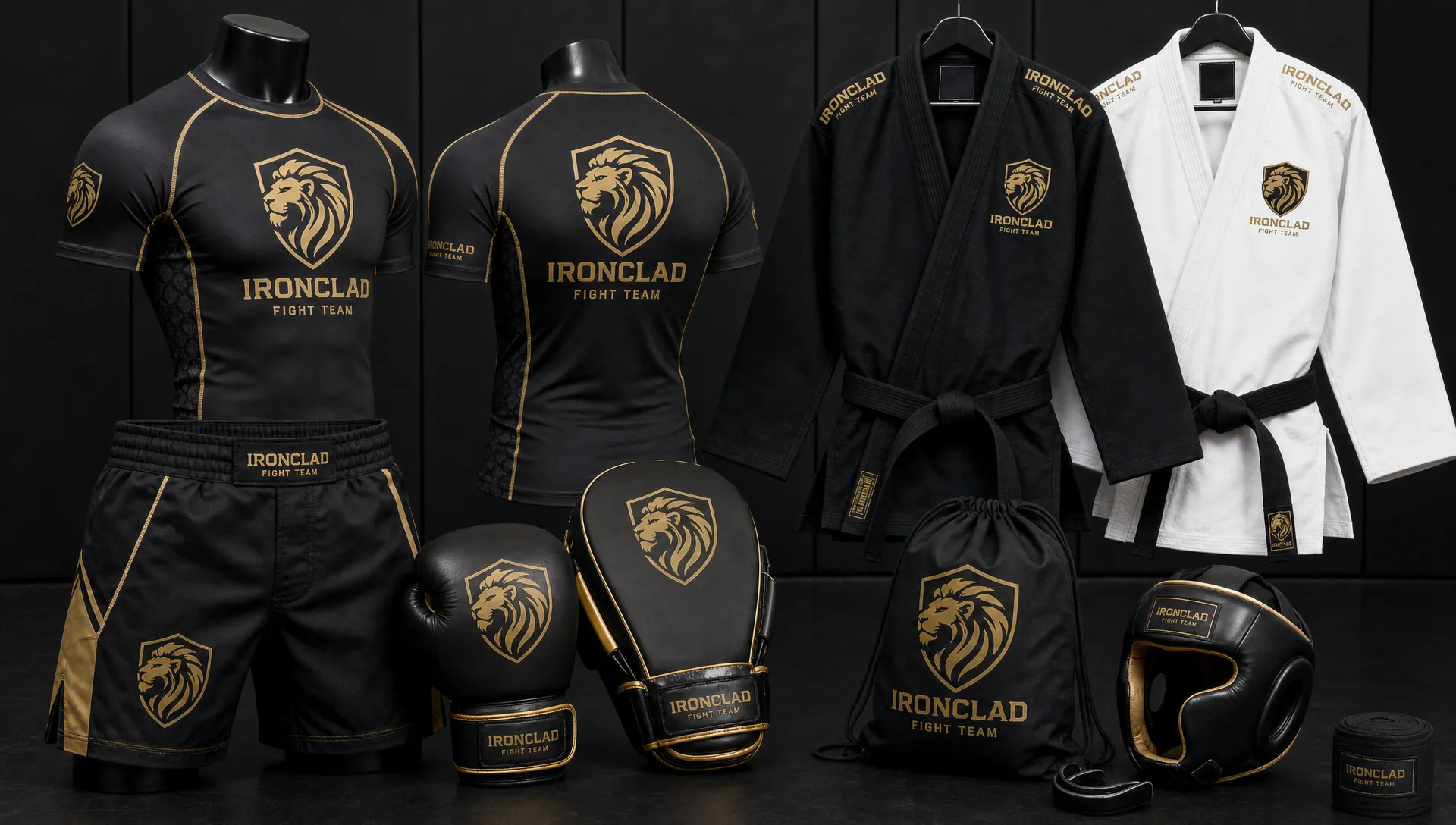
How custom apparel supports premium positioning
Price competition is difficult when products look generic. If two brands sell almost identical shorts, customers naturally compare price, shipping speed, or discounts. Custom apparel helps shift the conversation from “which one is cheaper?” to “which one feels like the brand I want to represent?”
This can support stronger perceived value. A unique design, better sport-specific fit, and cohesive branding make a product feel more intentional. Customers are often more willing to pay for products that reflect their identity or belong to a brand community they care about.
That does not mean custom products automatically sell at higher prices. Quality, design, audience fit, and brand trust still matter. But customization gives sports brands more room to build value beyond the base cost of materials.
It also makes your product line harder to copy exactly. Competitors may imitate broad trends, but they cannot easily replicate your community, your design system, your athlete relationships, or the meaning behind your gear.
Custom apparel creates better content opportunities
Modern sports brands often grow through visual channels: Instagram, TikTok, YouTube Shorts, athlete photos, gym reels, tournament coverage, and product drops. Apparel that looks distinctive on camera becomes an asset for marketing.
Strong custom designs help your products stand out in crowded feeds. A consistent color palette makes team photos more recognizable. Limited-edition gear gives customers a reason to share. Athlete collaborations become more memorable when the product feels unique rather than templated.
For fightwear and martial arts brands, this effect is especially powerful because apparel is seen in action. A custom rash guard in sparring footage or a branded gi in a medal podium photo can communicate credibility faster than a long caption.
The best content-friendly apparel usually has three qualities: it is recognizable from a distance, it looks good in movement, and it still feels wearable off camera.
A practical strategy for building a custom apparel line
A strong custom line starts with strategy, not artwork. Before choosing colors or graphics, define what your brand needs the apparel to accomplish.
Start by identifying the core wearer. A beginner fitness audience may want comfort, affordability, and inclusive sizing. Competitive grapplers may prioritize durability and fit. Fight teams may want bold identity and reliable reorders. Retail distributors may need products with strong shelf appeal and consistent quality.
Next, build a simple design system. This includes your core colors, logo usage, typography, graphic style, and product details that should remain consistent across collections. A design system prevents every new item from feeling disconnected.
Then test the product against real use. Sports apparel should be evaluated during training, washing, stretching, sweating, and repeated wear. Feedback from athletes, coaches, and customers can reveal issues that are invisible in a mockup.
Finally, choose a manufacturing approach that matches your stage of growth. Some brands begin with private label production because it allows them to create branded products without building a factory or managing every production step alone. If you are exploring that path in combat sports, this guide to private label martial arts clothing manufacturing explains the model in more detail.
As your product line expands, OEM production can help you move from basic branded gear to more specialized apparel developed around your specifications. For brands planning larger or more technical collections, understanding how OEM manufacturing helps martial arts brands scale can make the production roadmap clearer.
What to measure after launching custom apparel
Standing out is creative, but it should also be measurable. Once your products are in the market, track signs that the apparel is building recognition, loyalty, and demand.
| Goal | What to track | Why it matters |
|---|---|---|
| Brand recognition | Social tags, athlete photos, event visibility | Shows whether people notice and share the gear |
| Product-market fit | Repeat orders, reviews, size exchanges | Reveals whether the apparel works for real users |
| Community adoption | Team orders, gym uniform uptake, member purchases | Indicates whether the brand identity is spreading |
| Premium positioning | Average order value, discount dependence | Helps evaluate whether customers see added value |
| Operational reliability | Defect rates, reorder consistency, delivery timelines | Protects trust as demand grows |
These metrics help you avoid guessing. A design may look impressive in a mockup, but the real test is whether customers wear it, share it, reorder it, and associate it with your brand.
Common mistakes that make custom apparel less effective
Customization can help a sports brand stand out, but only when it is executed with discipline. Some brands overdesign their products, adding too many graphics, colors, and logo placements until the apparel feels chaotic. Others copy competitor styles too closely, which weakens originality and can create brand confusion.
Another common mistake is treating performance as secondary. In sports apparel, a design that interferes with comfort, movement, or durability will not build long-term loyalty. Athletes may buy once for the look, but they return for the product experience.
Brands also need to think about compliance and labeling. Apparel sold in different markets may require accurate fiber content, country of origin, care instructions, and other labeling details. For U.S. sellers, the Federal Trade Commission provides guidance on textile and wool labeling requirements. A reliable manufacturing partner can help brands think through these practical requirements, but the brand should still understand its responsibilities.
Finally, many brands underestimate consistency. One great product is useful, but a recognizable line is more powerful. If your rash guards, shorts, uniforms, hoodies, and accessories all feel like they belong to the same world, your brand becomes easier to remember.
Choosing the right manufacturing partner matters
Custom apparel depends heavily on execution. A strong concept can fail if sizing is inconsistent, stitching is poor, printing is unreliable, or communication breaks down during production.
When evaluating a manufacturer, look beyond the sample photo. Ask about experience with your sport category, customization options, minimum order quantities, sampling, production timelines, quality control, and reorder support. For combat sports brands, it also helps to work with a manufacturer that understands the difference between MMA fightwear, BJJ gis, boxing apparel, karate uniforms, and general fitness clothing.
If you are comparing suppliers, Arus Sportswear’s guide on choosing the right martial arts clothing manufacturer covers the main factors brands should review before committing to production.
The right partner should help you translate your brand identity into products that customers can actually use, not just admire in a mockup.
Frequently Asked Questions
Why is custom apparel important for sports brands? Custom apparel helps sports brands create a distinct identity, improve product relevance, and build stronger emotional connections with athletes, teams, gyms, and fans. It also makes products harder to compare directly with generic alternatives.
Is custom apparel only for large sportswear companies? No. Many growing brands, gyms, and distributors use custom apparel to launch focused collections, team uniforms, or private label products. Low minimum order options can make custom production more accessible for smaller brands.
What products can a martial arts brand customize? Depending on the manufacturing partner, a martial arts brand may customize MMA shorts, rash guards, BJJ gis, boxing apparel, karate uniforms, teamwear, and other sportswear items. The best product mix depends on the audience and sport.
How do I make custom apparel look professional? Start with a clear design system, use consistent branding, choose sport-appropriate materials, test samples, and avoid overcrowding the product with too many graphics. Professional finishing details such as labels and clean logo placement also help.
Does custom apparel improve brand loyalty? It can. When apparel fits well, performs reliably, and represents a community customers care about, people are more likely to wear it repeatedly, share it, and buy again.
Build custom apparel that makes your brand recognizable
Custom apparel helps sports brands move beyond generic merchandise and build products with identity, performance value, and community meaning. For combat sports and martial arts businesses, that can be the difference between selling another piece of gear and creating something athletes are proud to represent.
Arus Sportswear manufactures custom MMA and martial arts apparel for brands, gyms, and distributors worldwide, including private label and OEM production, custom branding options, low minimum orders, bulk order support, and worldwide shipping.
If you are ready to create apparel that reflects your brand and stands out in training, competition, and retail, explore Arus Sportswear and start planning your next custom apparel line.