Launching a fitness wear brand is exciting, but it can also expose gaps quickly. A founder may have a strong logo, a clear audience, and a good sales plan, yet still struggle with fabric choices, sizing, sampling, production quantities, or consistent quality. This is where experienced fitness wear manufacturers become more than suppliers. They help turn a brand idea into products that can actually be sold, worn, reordered, and scaled.
For new brands, the right manufacturing partner reduces guesswork. Instead of trying to manage pattern development, trims, print methods, labels, packaging, quality checks, and logistics alone, founders can work with a team that already understands apparel production. That support is especially valuable in performance categories like gym wear, MMA apparel, rash guards, fight shorts, compression gear, boxing clothing, and martial arts uniforms, where fit and durability matter as much as style.
Why the Manufacturer Matters Before Your First Launch
A new apparel brand is not built only on design. It is built on repeatable execution. Customers may discover the brand because of a strong visual identity, but they come back when the product fits well, performs as promised, and feels worth the price.
Fitness wear manufacturers support this process by helping founders make practical decisions before money is spent on bulk production. A good manufacturer can point out whether a design is production-ready, whether a fabric suits the intended activity, whether branding placements are realistic, and whether the collection is too broad for a first drop.
This matters because many new brands overcomplicate their first launch. They try to release too many styles, colors, and sizes at once. That increases sampling costs, production complexity, inventory risk, and cash pressure. A manufacturer with experience in private label and OEM production can help narrow the launch into a focused collection that is easier to produce, market, and sell.
If you are still shaping your launch plan in the combat sports space, Arus Sportswear also has a practical guide on how to start your own MMA apparel brand in 2026 that can help you think through positioning, products, and production.
Turning an Idea Into a Launch-Ready Product Line
Most new brands begin with inspiration: a mood board, competitor examples, gym culture, athlete needs, or a specific customer community. Manufacturers help convert that inspiration into production details.
That usually starts with product selection. For a fitness or combat sports launch, the first collection might include performance tees, training shorts, rash guards, leggings, hoodies, fight shorts, or gym uniforms. The goal is not to make everything. The goal is to launch products your target buyers will understand immediately.
A manufacturer can help define the key production details behind each item, including:
- Fabric type and weight
- Stretch, breathability, and durability requirements
- Fit style, such as compression, athletic, relaxed, or competition-focused
- Print, embroidery, sublimation, or label placement options
- Size range and grading expectations
- Packaging, hang tags, and brand presentation needs
These details become the foundation for samples and future bulk orders. Without them, a launch can become inconsistent. One shirt may fit differently from another, a print may not suit the fabric, or a product may look good in photos but fail during real training.
For a deeper look at collection planning, the guide on building a sportswear collection customers actually want explains how brands can connect product choices to real buyer demand.
Sampling Helps Brands Avoid Costly Mistakes
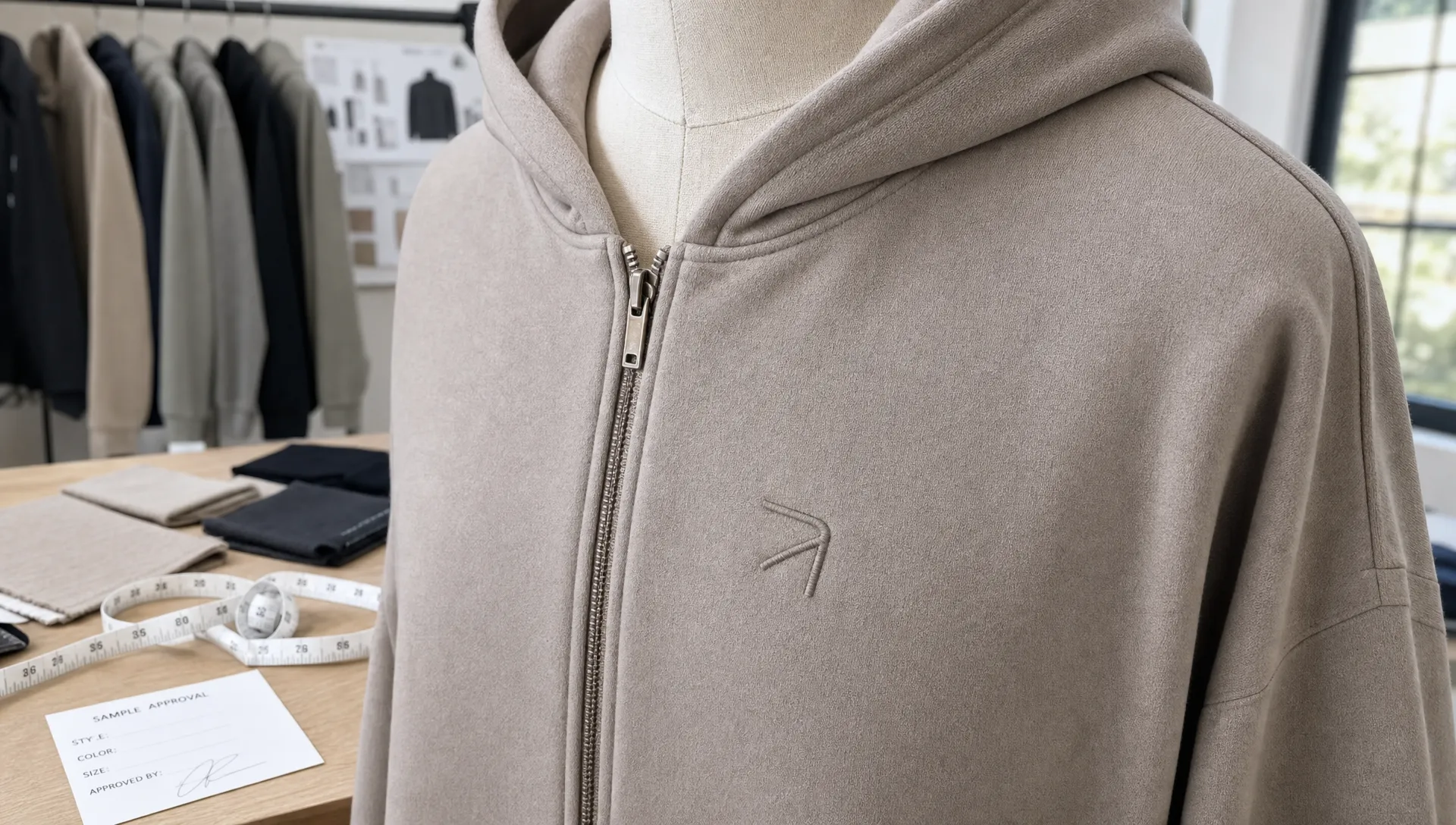
Sampling is one of the most important ways fitness wear manufacturers support new brand launches. It gives the brand a physical version of the product before committing to a larger order.
A sample helps answer practical questions that a mockup cannot. Does the waistband stay secure? Is the rash guard too tight across the shoulders? Does the print stretch correctly? Are the seams comfortable during movement? Does the product look premium enough for the target price point?
Sampling also gives founders content for pre-launch marketing, athlete feedback, gym testing, and product photography. A strong sample can help a brand validate demand before ordering inventory.
| Launch decision | Manufacturer support | Why it matters |
|---|---|---|
| Product fit | Pattern development and size grading input | Reduces returns and improves customer satisfaction |
| Fabric selection | Guidance on performance materials and construction | Helps match the product to training intensity |
| Branding method | Advice on labels, sublimation, embroidery, or print | Protects the visual identity of the brand |
| Sample revisions | Adjustments before bulk production | Prevents small issues from becoming large-order problems |
| Production planning | Quantity, color, and size breakdown support | Helps manage budget and inventory risk |
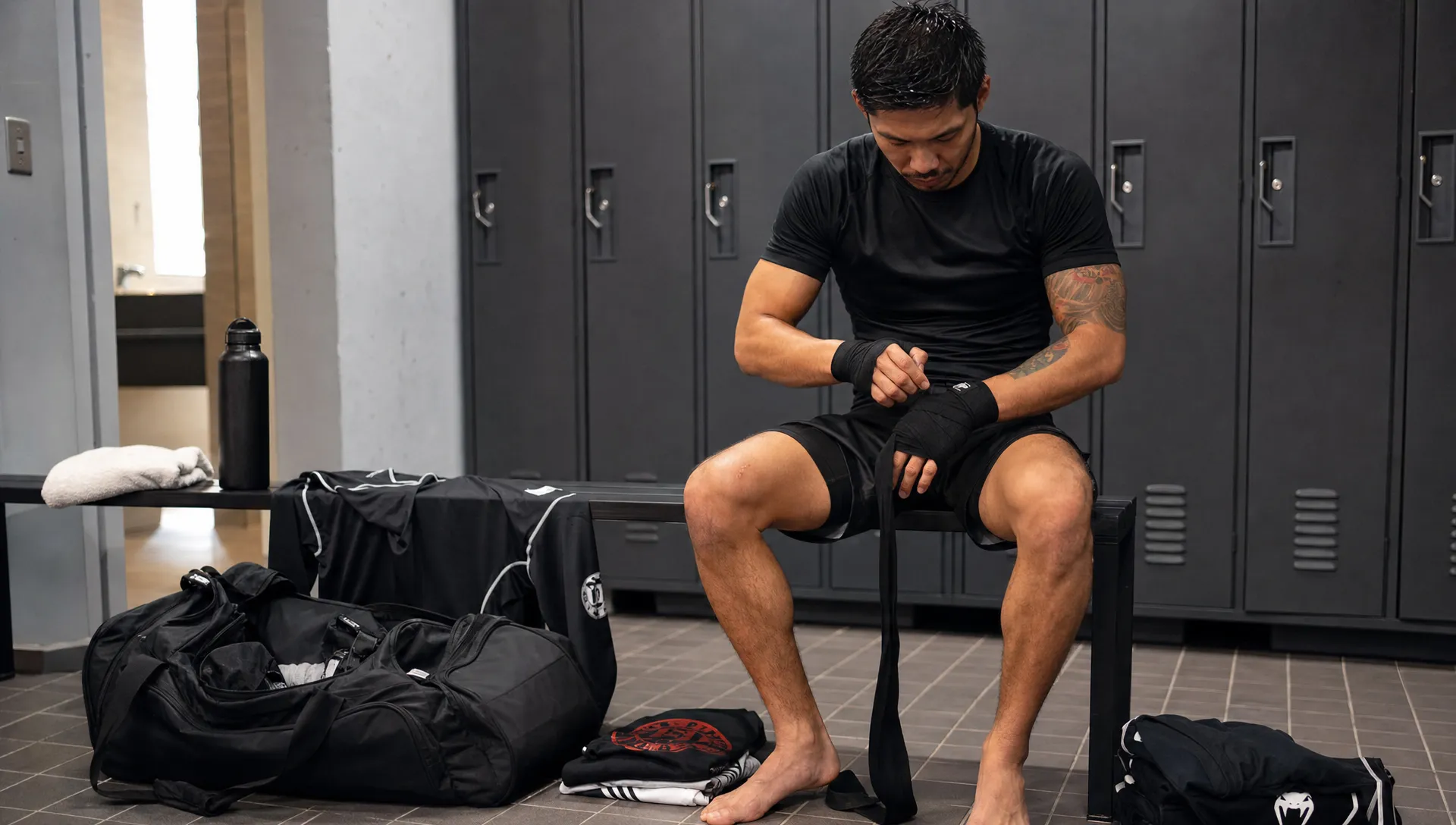
The best sampling process is not rushed. New brands should test samples in real use, especially for performance categories. For MMA, BJJ, boxing, and gym wear, apparel needs to move with the athlete, handle sweat, and hold up under repeated wear.
Private Label and OEM Options Make Launching Easier
New brands do not always need to build every product from scratch. Private label manufacturing allows a brand to launch using manufacturer-supported product structures with custom branding. OEM production, on the other hand, gives the brand more control over product specifications, design, and construction.
Both models can work for a launch. The best choice depends on budget, timeline, differentiation goals, and how much product development the brand wants to manage.
| Manufacturing route | Best suited for | Launch advantage |
|---|---|---|
| Private label | Brands that want a faster path to market | Reduces development complexity while still allowing custom branding |
| OEM production | Brands with specific product ideas or technical requirements | Supports stronger differentiation and custom product design |
| Hybrid approach | Brands testing demand before scaling | Balances speed, control, and budget |
For growing fightwear and martial arts companies, private label can be a practical way to enter the market without taking on unnecessary development risk. Arus Sportswear explains this model further in its article on the benefits of private label MMA apparel.
Low Minimum Orders Reduce Launch Risk
One of the biggest challenges for new fitness apparel brands is inventory risk. Ordering too much too early can tie up cash in unsold products. Ordering too little can lead to stockouts and missed momentum.
Manufacturers that offer low minimum order quantities can help new brands test the market more safely. Instead of committing to a large range immediately, brands can launch a smaller drop, measure customer response, and then reorder the best-performing products.
This approach is especially useful for brands selling through gyms, online stores, fight teams, or local communities. A smaller first run can reveal which colors, sizes, and product types customers actually want. It also gives the brand time to improve product pages, marketing, and customer feedback loops before scaling.
Low minimums do not mean a brand should ignore planning. Even a small launch needs a clear size breakdown, realistic production schedule, approved artwork, and a defined sales channel. The advantage is flexibility. The brand can learn before investing heavily.
Quality Control Builds Trust From the First Order
New brands often get only one chance to make a first impression. If the first customers receive poor stitching, inconsistent sizing, weak prints, or uncomfortable fabrics, the brand may lose trust before it has time to grow.
Fitness wear manufacturers help protect the launch through quality control. This can include checking fabric consistency, stitching quality, print placement, label accuracy, sizing, packaging, and final order presentation. For performance products, quality checks are not just cosmetic. They affect comfort, durability, and perceived value.
Modern buyers are also more aware of proof and transparency. In technical product categories, for example, brands may use independent verification to build buyer confidence, such as the published batch testing approach used by research suppliers like PeptideX Australia. Apparel brands can apply the same trust-building mindset by keeping clear records of approved samples, material specifications, sizing standards, and production checks.
For a new apparel brand, trust is built through consistency. The product customers see online should match what arrives at their door. The second order should feel like the first. The large order should match the approved sample. That consistency depends heavily on the manufacturer’s systems.
Branding Support Makes Products Look Retail-Ready
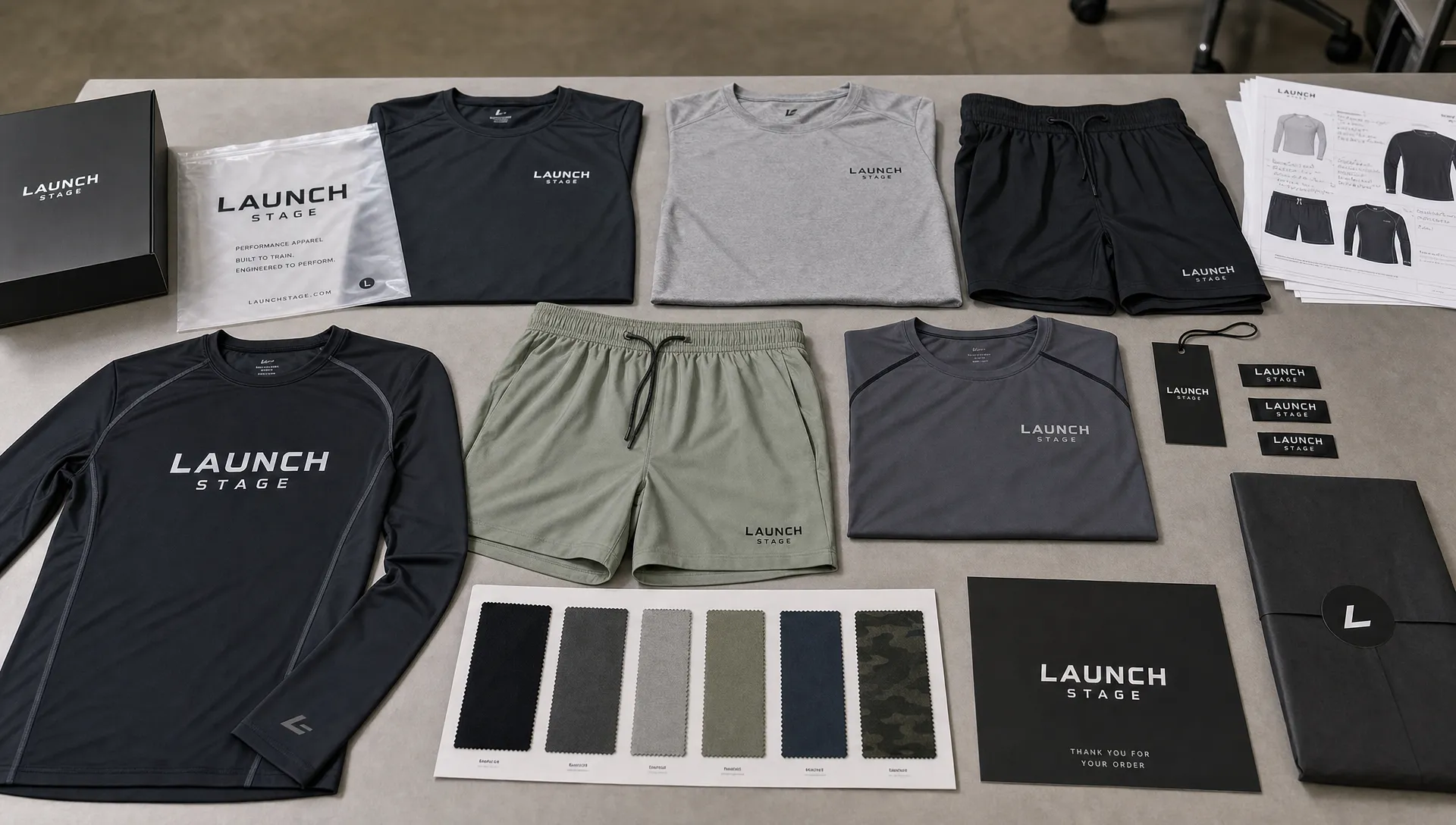
A new brand launch needs more than a logo on a shirt. Customers notice the full presentation: neck labels, woven labels, hang tags, packaging, care labels, color consistency, print quality, and the way the product feels when unboxed.
Manufacturers that offer custom branding options can help turn basic apparel into a brand experience. This is important for gyms and fitness brands that want customers to feel part of a community. It is also important for distributors and private label companies that need products to look professional at retail or online.
Branding support may include choosing the right decoration method for each product. Sublimation may be suitable for certain performance pieces, while embroidery, screen printing, heat transfer, or woven labels may be better for others. The manufacturer’s role is to help the brand match the design goal with the right production method.
This is where new brands should be specific. A clean logo file, brand color references, placement instructions, and examples of the desired look can prevent confusion. The clearer the brand assets, the easier it is for the manufacturer to produce consistent results.
Production Planning Keeps the Launch on Track
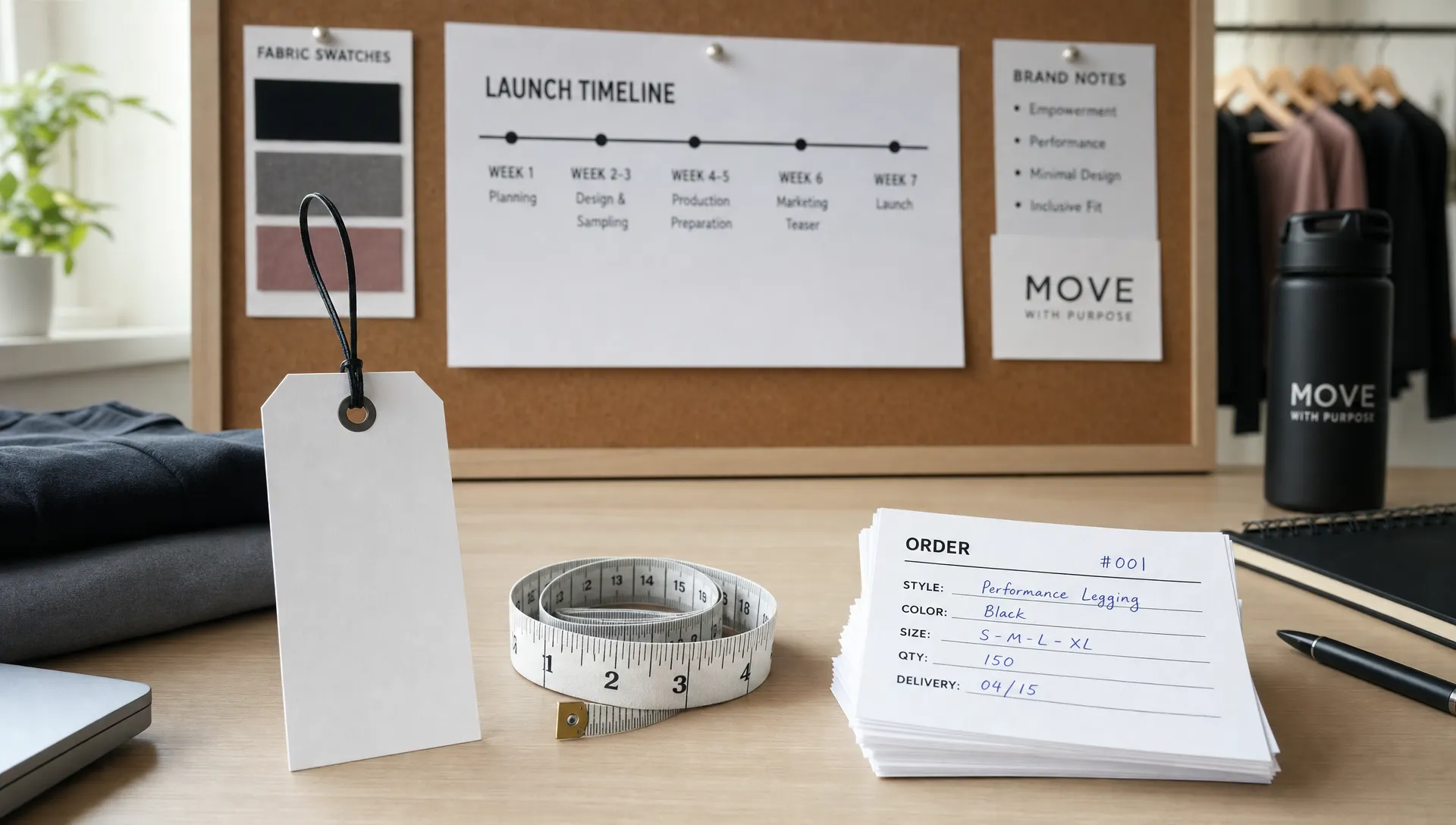
New founders often underestimate production timelines. Apparel manufacturing involves several stages, including artwork preparation, fabric sourcing, sampling, revisions, approvals, cutting, sewing, printing or branding, quality checks, packing, and shipping.
Fitness wear manufacturers support launches by helping brands understand this workflow. They can identify what needs to be approved before production starts and what delays may happen if artwork, sizing, or sample feedback is incomplete.
A strong launch plan should include enough time for sample review, revisions, bulk production, shipping, product photography, website setup, and marketing. If a brand plans to launch around a fight event, gym opening, seasonal campaign, or influencer drop, timing becomes even more important.
The safest approach is to work backward from the launch date. Decide when products need to be in hand, then allow time for fulfillment preparation, photos, marketing content, and unexpected adjustments. A manufacturer cannot remove every risk, but good communication helps avoid preventable delays.
What New Brands Should Prepare Before Contacting a Manufacturer
The more prepared a brand is, the easier it is for a manufacturer to provide accurate guidance. A vague request like “I want gym clothing” is difficult to quote or develop. A clear brief helps the manufacturer understand the product, budget, and launch goals.
Before contacting a manufacturer, prepare:
- A short description of your target customer and market
- Product types you want to launch first
- Logo files and basic brand guidelines if available
- Reference images for fit, fabric, and design direction
- Estimated order quantities and size range
- Preferred colors and branding placements
- Target launch date and shipping destination
- Any must-have performance requirements
This does not need to be perfect. Many new brands are still refining their ideas. However, a structured brief helps the manufacturer give better recommendations and reduces back-and-forth during early development.
How Arus Sportswear Supports Launch-Stage Brands
Arus Sportswear manufactures custom MMA and martial arts apparel for brands, gyms, and distributors worldwide. For new launches, its services align with the core needs of early-stage apparel companies: private label manufacturing, OEM production, custom designs, branding options, low minimum orders, bulk order support, and worldwide shipping.
This makes Arus Sportswear especially relevant for brands entering fightwear, BJJ, boxing, karate, and performance sportswear categories. New brands can use manufacturing support to create launch-ready products without trying to manage every production detail alone.
The main advantage is focus. Instead of spending all your time solving manufacturing problems, you can spend more time building your audience, testing demand, preparing your sales channels, and strengthening your brand identity.
Frequently Asked Questions
How do fitness wear manufacturers help new brands launch? They help with product development, fabric selection, sampling, branding, production planning, quality control, and shipping. This allows new brands to move from concept to sellable products with fewer mistakes.
Is private label or OEM better for a first fitness apparel launch? Private label is often useful for brands that want a faster and simpler launch, while OEM is better for brands that need more custom product development. The right choice depends on budget, timeline, and differentiation goals.
Why are low minimum orders important for new brands? Low minimum orders help new brands test products, colors, and sizes before investing in larger inventory. This reduces financial risk and makes it easier to reorder based on real demand.
What should I send to a manufacturer before requesting a quote? Send your product ideas, target customer, logo files, reference images, estimated quantities, size range, branding placements, launch timeline, and shipping destination. A clear brief leads to better guidance.
Can a manufacturer help with branding, not just production? Yes, many manufacturers support custom labels, logo placement, printing, embroidery, sublimation, hang tags, and packaging options. These details help make products feel retail-ready from the first launch.
Ready to Launch Your Fitness or Fightwear Brand?
A strong brand launch depends on more than a good idea. It requires the right products, reliable production, clear branding, and a manufacturer that understands performance apparel.
If you are preparing to launch custom MMA apparel, fitness wear, BJJ gis, boxing apparel, karate uniforms, or private label sportswear, Arus Sportswear can help you move from concept to production with custom design support, OEM manufacturing, low minimum orders, bulk order capability, and worldwide shipping.