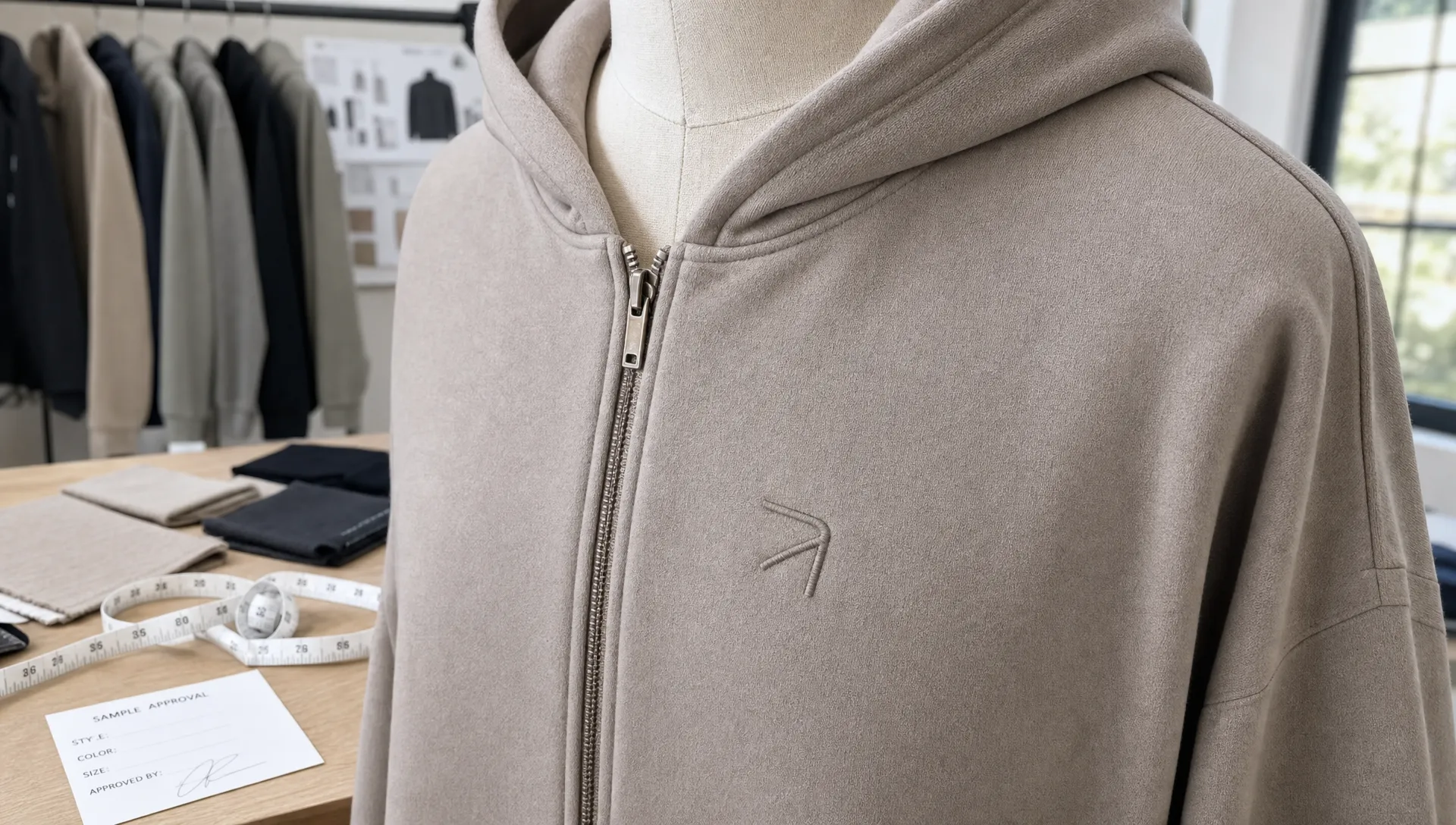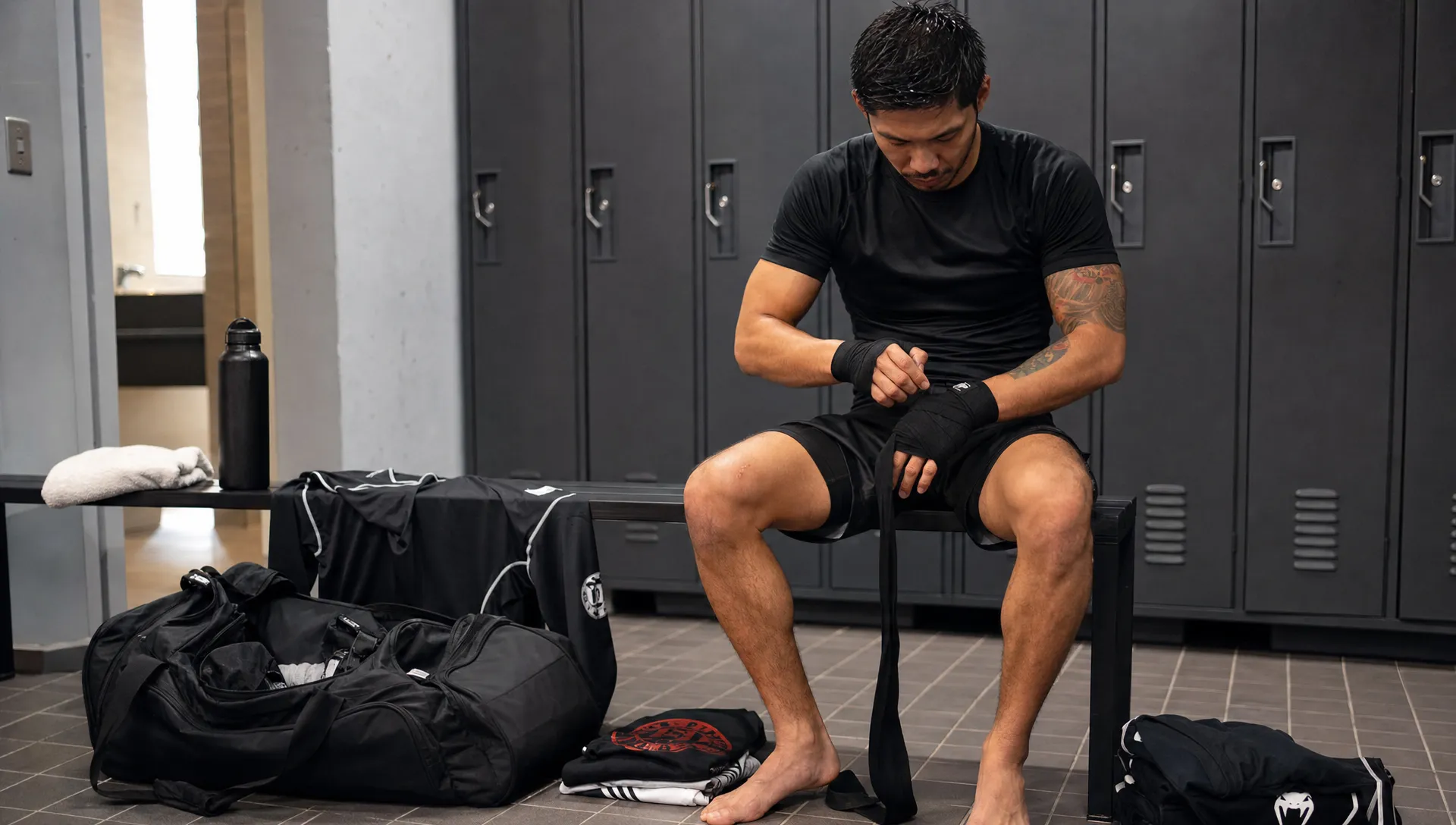
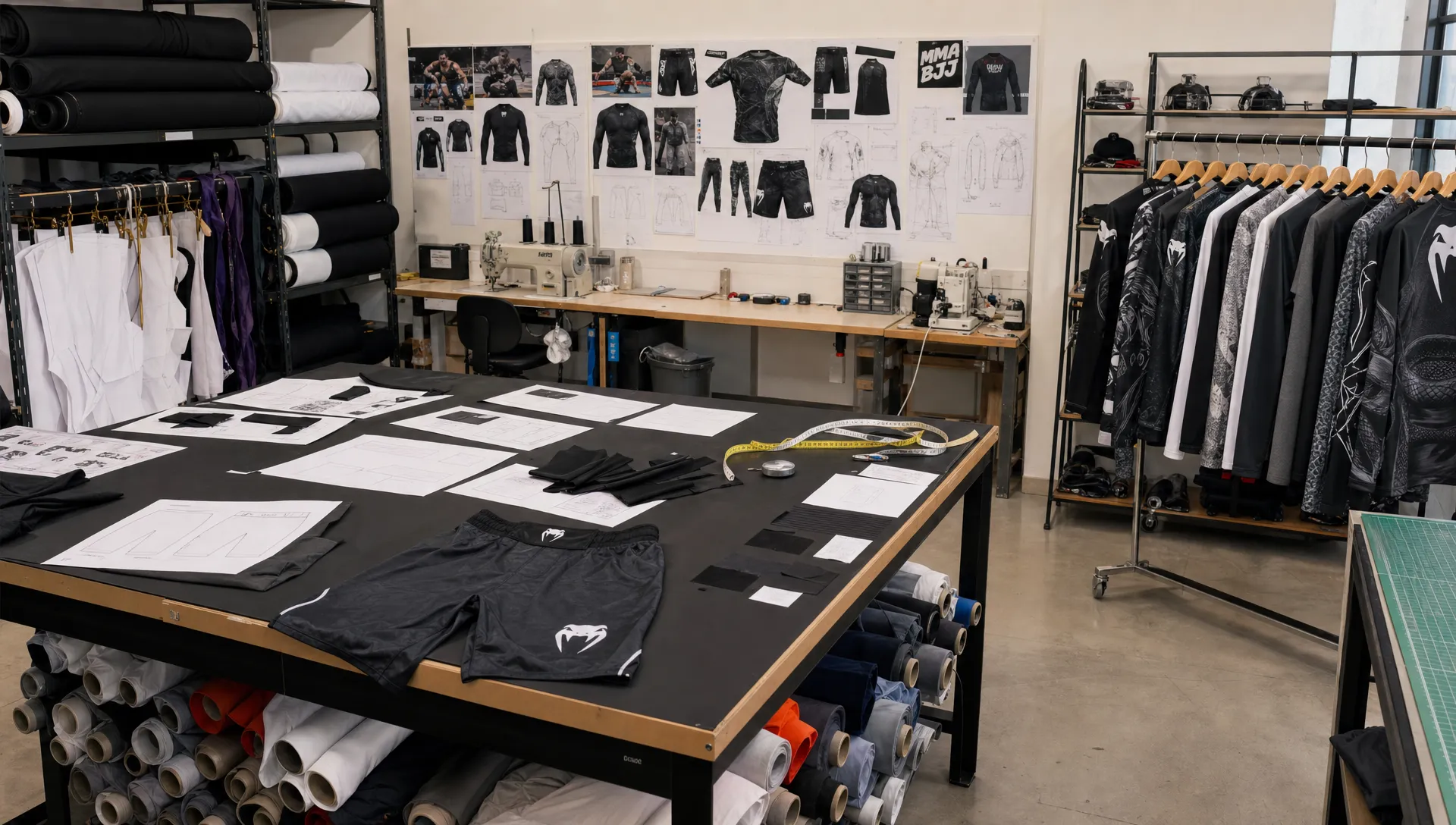
Sourcing breathable apparel for high-heat combat sports is not just a fabric decision. It is a product development process that has to account for sweat volume, mat friction, clinch pressure, repeated washing and climates that range from humid Thailand to dry summer gyms in Australia or the U.S. Southwest. If you are building MMA, BJJ, boxing or Muay Thai apparel, the goal is to keep athletes cooler without sacrificing coverage, compression, seam strength or brand finish.
A smart sourcing process starts with use case, then moves into material specifications, sampling, wear testing and supplier evaluation. That order matters. When brands choose a fabric because it feels light in the hand, they often discover problems later: cling, transparency, sagging waistbands, scratchy seams or prints that trap heat during sparring.
What breathable apparel must do in high-heat combat sports
Combat sports create a different kind of heat load than running or gym training. Athletes are working in close contact, often in rooms with limited airflow, and garments are pressed against skin by gloves, grips, guards and body pressure. A fabric that vents well when someone is standing still may perform poorly during clinch rounds or no-gi grappling.
In sourcing terms, airflow is only one dimension. You also need moisture movement, fast drying, stretch recovery and enough surface strength to survive rubbing against mats, Velcro, wraps and opponent contact. The garment has to feel cool when dry and tolerable when soaked.
Separate ventilation, wicking and drying
The best breathable apparel moves sweat away from the skin, allows vapor to escape and dries before the garment becomes heavy. Those are related qualities, but they are not the same. A loose mesh may ventilate well but absorb odor or snag quickly. A dense compression fabric may wick well but feel too warm if the yarn, knit or finish restricts vapor movement.
| Requirement | Why it matters in high heat | What to confirm before sampling |
|---|---|---|
| Air permeability | Helps trapped heat escape | Ask for available air permeability data or compare swatches side by side |
| Moisture management | Reduces wet cling and discomfort | Request wicking or moisture management test results when available |
| Drying speed | Keeps garments lighter between rounds | Run timed drying checks after full saturation |
| Stretch recovery | Prevents sagging under sweat load | Test after repeated pulls, rolling and washing |
| Opacity | Maintains coverage when wet | Review light and dark colors after saturation |
| Abrasion resistance | Protects against mat friction | Test fabric face and print areas during grappling drills |
| Colorfastness | Reduces fading and staining | Ask about wash, perspiration and rubbing performance |
If you need a broader fabric selection framework, start with Arus Sportswear's guide to selecting fabric for high-sweat training. It is useful background before you narrow choices for hotter gyms or tropical climates.
Start with the sport, climate and garment type
A rash guard, fight short, boxing singlet and Muay Thai short do not need the same fabric strategy. Compression tops need close body contact, controlled stretch and smooth seams. Fight shorts need mobility, waistband stability and panels that do not trap heat. BJJ spats need opacity, recovery and abrasion resistance because they spend more time against mats.
For breathable apparel, the sourcing brief should name the exact use case instead of saying training wear. A good brief might specify no-gi grappling in humid gyms, outdoor striking camps in Thailand or summer boxing classes in North America.
Match the garment to the heat source
- MMA and Muay Thai shorts need lightweight woven fabrics, secure waist construction and stretch or side-panel engineering for kicks and sprawls.
- No-gi rash guards need moisture control, compression recovery and flat seam placement that avoids irritation under pressure.
- BJJ spats need squat-proof coverage, controlled compression and a surface that can handle mat abrasion.
- Boxing and kickboxing tops need sweat dispersion, shoulder mobility and low-bulk construction under gloves or protective gear.
Climate matters too. A Canadian brand may sell into cooler seasons but still need heat-ready apparel for indoor gyms. A distributor serving Australia, Japan, Thailand or Southern Europe may need lighter fabric weights and stronger drying performance as a baseline. For Germany, the Netherlands and other EU markets, also consider labeling, chemical compliance expectations and care instructions early in development.
Choose fabric specifications before choosing fabric names
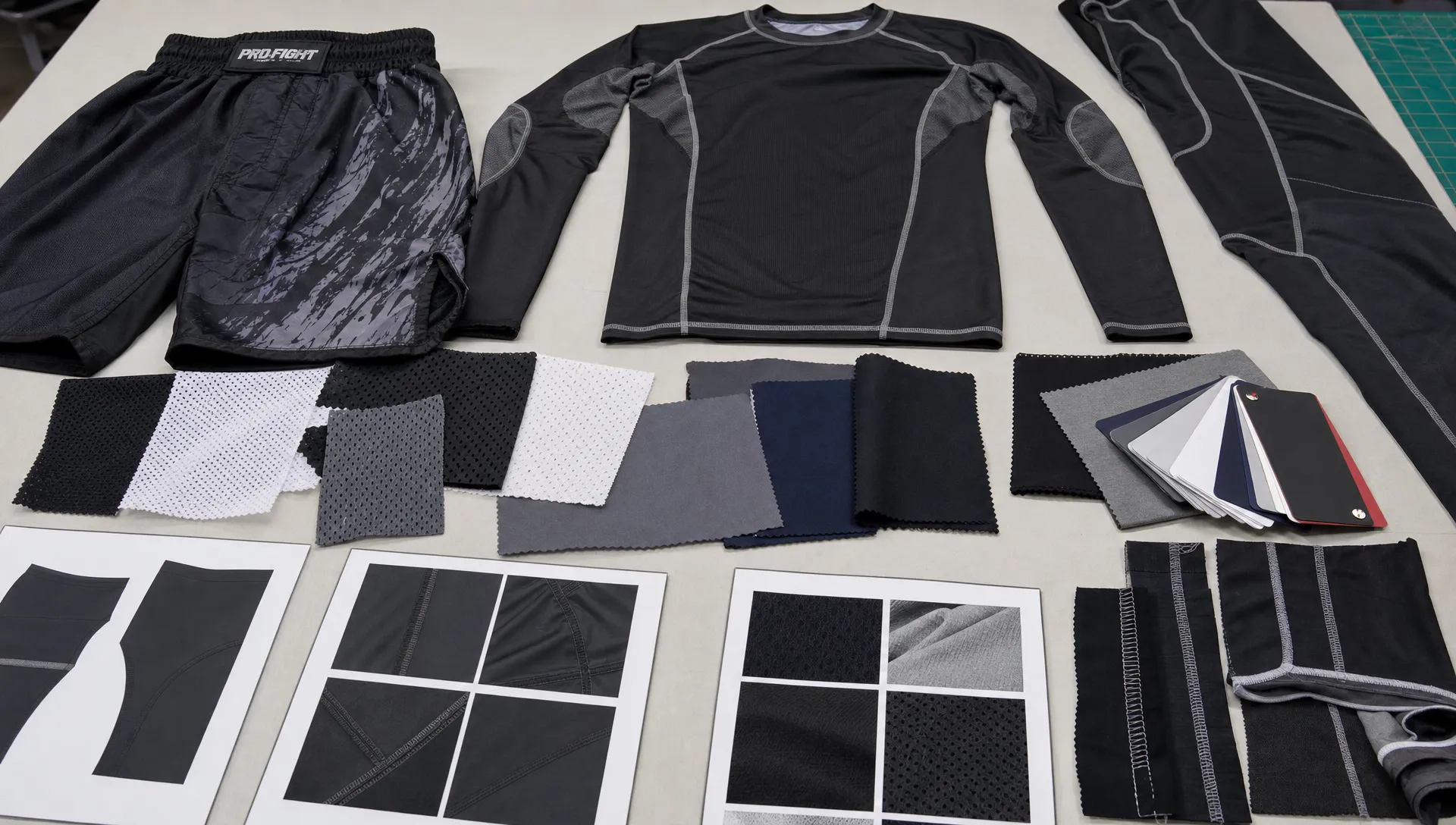
Terms like polyester, nylon, mesh or spandex are too broad to guide production. Two polyester-spandex fabrics can feel completely different depending on knit structure, yarn size, GSM, finish and elastane percentage. Ask your manufacturer to define performance by measurable specifications whenever possible.
Useful specs to request
- Fabric composition and elastane percentage
- GSM or fabric weight range
- Knit or weave structure
- Stretch percentage in each direction
- Recovery after extension
- Moisture wicking or moisture management data, if available
- Air permeability data, if available
- Shrinkage after washing
- Colorfastness to washing, perspiration and rubbing
- Recommended decoration method, such as sublimation, screen print, heat transfer or embroidery
A supplier that understands breathable apparel should be comfortable discussing tradeoffs. Very low GSM can improve comfort in heat, but it may reduce opacity or abrasion resistance. Heavier fabric can feel premium, but it may hold more heat if the knit is dense or the print layer blocks evaporation.
Balance heat release with fightwear durability
In combat sports, breathable apparel fails when it solves temperature but ignores contact. The lightest fabric in your sample set may feel great in shadowboxing, then pill, snag or distort after wrestling rounds. Heat-focused apparel still needs to withstand pulling, gripping, floor work and repeated laundering.
Construction choices that affect comfort
Seams, waistbands and branding methods can change how cool a garment feels. A breathable fabric paired with a thick rubber logo, bulky seam stack or non-vented waistband may still feel hot. For rash guards and compression pieces, flatlock or low-profile seams often reduce irritation. For shorts, gussets, side slits or stretch panels can improve movement without relying only on thinner fabric.
| Construction area | Heat-related risk | Better sourcing question |
|---|---|---|
| Waistband | Holds sweat and traps heat | Can the waistband stay secure without excessive bulk? |
| Print coverage | Blocks vapor movement | Will large logos or panels change fabric hand feel? |
| Seams | Rub when soaked | Which seam type is best for grappling and washing? |
| Mesh panels | May snag or stretch out | Where can mesh add airflow without weakening the garment? |
| Leg openings | Restrict kicks or rides up | Is the cut tested for sprawls, knees and high kicks? |
Test samples in real high-heat routines
Lab data helps narrow the field, but field testing decides whether the garment belongs in your line. Put samples through the same heat, sweat and friction your customers experience. That means more than one fitting session in an air-conditioned room.
Athletes are also spending more time in recovery environments, from cold tubs to steam rooms, so comfort across heat and cooldown cycles is becoming part of the broader training experience. Wellness retailers such as Hearthside Supply reflect that shift toward saunas, steam showers and cold plunge setups for recovery-focused spaces.
Field sample protocol
| Test scenario | What to observe |
|---|---|
| Warm-up and striking rounds | Heat buildup, shoulder movement, waistband security and sweat marks |
| Clinch or grappling rounds | Seam rub, fabric distortion, mat abrasion and wet cling |
| Full saturation check | Transparency, weight gain, odor retention and drying time |
| Wash repeat | Shrinkage, print cracking, color change and elastic recovery |
| Athlete feedback | Hot spots, restriction, confidence, fit and perceived quality |
When reviewing breathable apparel samples, reject any piece that only works when dry. High-heat combat sports expose weaknesses fast. If a rash guard twists after the first round or shorts sag once soaked, the product will not earn repeat orders from gyms, athletes or distributors.
For deeper durability planning, Arus Sportswear's article on sourcing performance apparel that holds up can help you build a stronger wash and wear evaluation process.
Build a manufacturer brief that reduces sampling cycles
Vague briefs create slow sourcing. A manufacturer cannot optimize fabric, trims and construction if the request only says lightweight MMA apparel. Give context on sport, climate, customer, price position and branding method before the first sample is made.
For private label brands, breathable apparel sourcing gets easier when the manufacturer receives a technical brief rather than a mood board alone. Include fit references, sample goals and performance priorities so the first development round is closer to production-ready.
What to include in the brief
- Target sport and training environment
- Garment type, such as rash guard, fight short, spat, boxing top or uniform piece
- Size range and fit preference
- Desired fabric weight and stretch range
- Moisture and drying priorities
- Branding method and logo placement
- Colorways and artwork files
- Expected order quantity and reorder plan
- Target markets, such as USA, Canada, Germany, Australia, Japan, Thailand, the Netherlands or wider Europe
- Testing requirements before bulk approval
A specialized manufacturer should also understand how fightwear differs from general fitness apparel. If you are comparing suppliers, this guide to what a combat sports clothing manufacturer should offer can help you evaluate production capability, private label support and product knowledge.
Common mistakes when sourcing for hot gyms
Many brands overcorrect for heat by making everything thinner. That can work for some products, but it can also create transparency, faster abrasion and a cheaper feel. The better approach is to combine fabric engineering, garment construction and testing.
Mistakes to catch before production
| Mistake | Why it causes problems | Better approach |
|---|---|---|
| Choosing the lowest GSM only | May reduce durability and coverage | Balance weight with opacity, recovery and abrasion performance |
| Adding mesh everywhere | Can snag or stretch out in contact zones | Use ventilation only where it supports movement and airflow |
| Ignoring decoration impact | Large prints can trap heat | Test decorated samples, not blank samples only |
| Approving fit while dry | Sweat changes stretch and cling | Fit test after hard rounds and washing |
| Copying running apparel | Combat sports add friction and grips | Source for mats, clinch work and striking movement |
High-heat apparel should feel light, but not fragile. It should dry quickly, but not lose shape. It should allow branding, but not let decoration ruin breathability. The winning product usually comes from balanced decisions rather than one extreme fabric choice.
Frequently Asked Questions
What fabric is best for breathable apparel in MMA or no-gi training? There is no single best fabric for every product. Polyester-spandex and nylon-spandex blends are common starting points because they can offer stretch, recovery and moisture movement, but the knit structure, GSM and finish determine performance.
How should I test combat sports apparel for hot climates? Test in real training conditions: striking, clinch work, grappling, full sweat saturation and repeated washing. Review wet opacity, drying time, seam comfort, waistband security and print durability before bulk approval.
Should hot-weather fightwear use antimicrobial finishes? Odor-control finishes can help, but they should not replace good fabric selection, washing performance and drying speed. Ask your supplier what finish is used, how long it is expected to last and whether it suits your target markets.
Is the lightest fabric always the most breathable choice? No. Very light fabric may feel cool at first, but it can become transparent, clingy or weak under friction. Look for balanced air movement, moisture control, recovery and abrasion resistance.
Source high-heat combat sports apparel with Arus Sportswear
If your brand is ready to develop breathable apparel for MMA, BJJ, boxing, karate or other martial arts markets, work with a manufacturer that understands both heat performance and fightwear construction. Arus Sportswear supports private label and OEM production, custom designs, branding options, low minimum orders, bulk manufacturing and worldwide shipping for combat sports apparel.
Bring a clear brief, test samples in the conditions your customers actually face and choose materials that keep athletes comfortable through the hardest rounds. That is how breathable fightwear becomes a product people reorder, not just a lightweight sample that looked good on day one.