A walkout hoodie has to do more than keep a fighter warm backstage. For brands searching for mma walkout hoodies custom enough to represent athletes on camera, in the tunnel and in fan merch photos, the design has to balance identity, comfort, movement and production discipline from the first sketch.
Unlike a basic gym hoodie, a walkout piece is part uniform, part storytelling tool and part retail product. The athlete may wear it for only a few minutes on fight night, but those minutes can live across social clips, press photos and fan memories for years. That is why design decisions need to be made with both the fighter and the customer in mind.
What makes mma walkout hoodies custom enough to matter?
The difference between a generic hoodie with a logo and a true walkout hoodie is intention. A strong piece looks connected to the fighter's persona, the gym's identity or the apparel brand's visual system. It should feel like something the athlete chose to wear, not something handed over at the last minute.
Good fightwear also has a business role. It can support team branding, sponsor visibility, retail sales and long-term merch collections. If you already use apparel to separate your brand from other gyms or fightwear labels, the same logic applies to walkout gear. Arus Sportswear covers this broader brand angle in its guide on how custom apparel helps sports brands stand out.
For teams evaluating mma walkout hoodies custom projects, the best starting point is not decoration. It is the use case: who will wear it, where it will be seen, how long it needs to last and whether it will be sold to fans after the event.
Start with the athlete's walkout moment
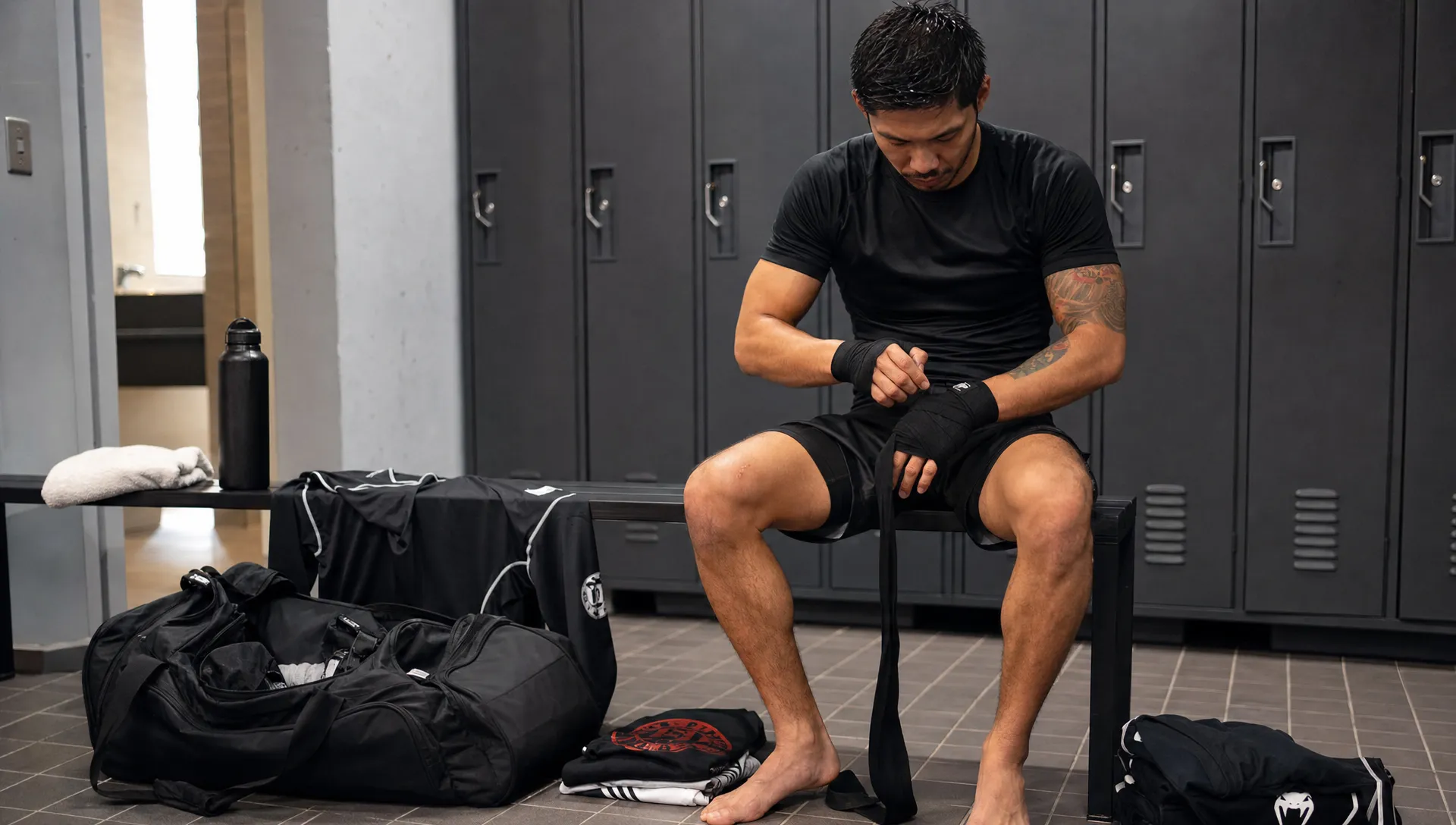
A fighter's entrance creates different design demands than a normal training session. The hoodie may be worn over hand wraps, compression gear, a rash guard or a team shirt. It needs to go on and off quickly, avoid catching on gloves or tape and hold its shape after travel.
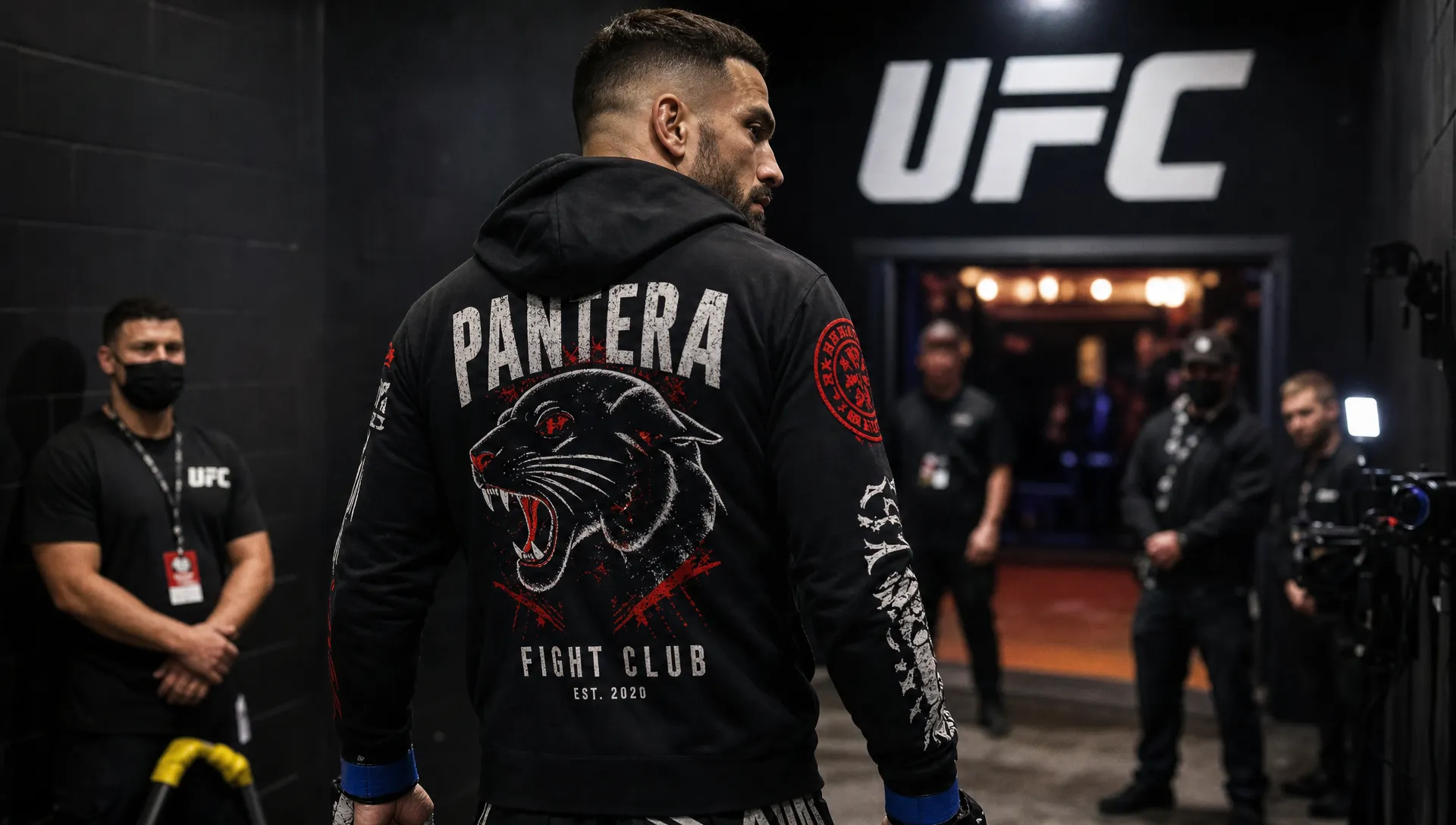
Camera angles matter too. A front-view logo is important during the walk, but rear graphics often appear in tunnel footage and pre-fight photos. Sleeve graphics can show well when the athlete raises a fist, points to the crowd or embraces coaches.
The strongest mma walkout hoodies custom briefs map the garment to the entrance sequence: backstage warm-up, tunnel walk, cage-side removal and post-fight photos. Each moment creates a chance for the design to either look deliberate or look cluttered.
Build around motion, heat and nerves
Athletes are usually warm before they walk out, even in cool arenas. Heavy fleece may look premium, but it can feel uncomfortable during warm-ups. Thin fabric may feel breathable, but it can collapse under embroidery or look cheap under lighting.
A practical design brief should define the temperature, layering and removal needs before artwork begins. A full-zip hoodie may be easier to remove without disturbing hair, tape or mouthguard routines. A pullover can look cleaner for retail, but it needs enough room through the neck and shoulders.
Choose a silhouette that works beyond fight night
The most valuable walkout hoodie is one fans would still wear on a regular day. That does not mean making it plain. It means designing with proportion, comfort and styling in mind so the piece works at the gym, at events and in streetwear settings.
A hoodie that is too costume-like may get attention once, then sit in a closet. A hoodie that is too basic may fail to justify custom production. The sweet spot is a recognizable silhouette with one or two strong signature details, such as contrast sleeve panels, a shaped hood, tonal embroidery or a bold back graphic.
| Silhouette choice | Best use | Design consideration |
|---|---|---|
| Full-zip hoodie | Fast walkout removal and team uniforms | Keep zipper quality high and avoid tiny chest logos split by the zip |
| Pullover hoodie | Retail merch and casual fan wear | Check neck opening, hood shape and front graphic placement |
| Sleeveless hoodie | Warm climates, gyms and strength training | Armhole binding must feel smooth and durable |
| Oversized hoodie | Streetwear-led fight brands | Size grading needs control so smaller sizes do not look sloppy |
| Athletic fit hoodie | Athlete walkouts and coach uniforms | Allow shoulder mobility and layering over base garments |
If your brand is building a full walkout collection, think about how hoodies sit beside jerseys, tees, shorts and caps. For a companion planning process, Arus Sportswear also explains how to design MMA jerseys for walkouts, training and retail.
Fabric and construction choices that change perceived quality
Fabric choice can make or break the finished garment. A walkout hoodie should photograph well, feel reliable in the athlete's hands and survive repeated washing if sold as merch. Common options include cotton-blend fleece, polyester fleece, French terry, scuba knit and performance interlock.
When brands compare mma walkout hoodies custom options, they should ask how each fabric behaves with printing, embroidery, patches and color blocking. A smooth polyester face can support sublimated panels or sharp prints. Cotton-rich fleece feels familiar and premium, but it may shrink if not handled correctly. Scuba knit gives structure, though it can feel warmer and less breathable.
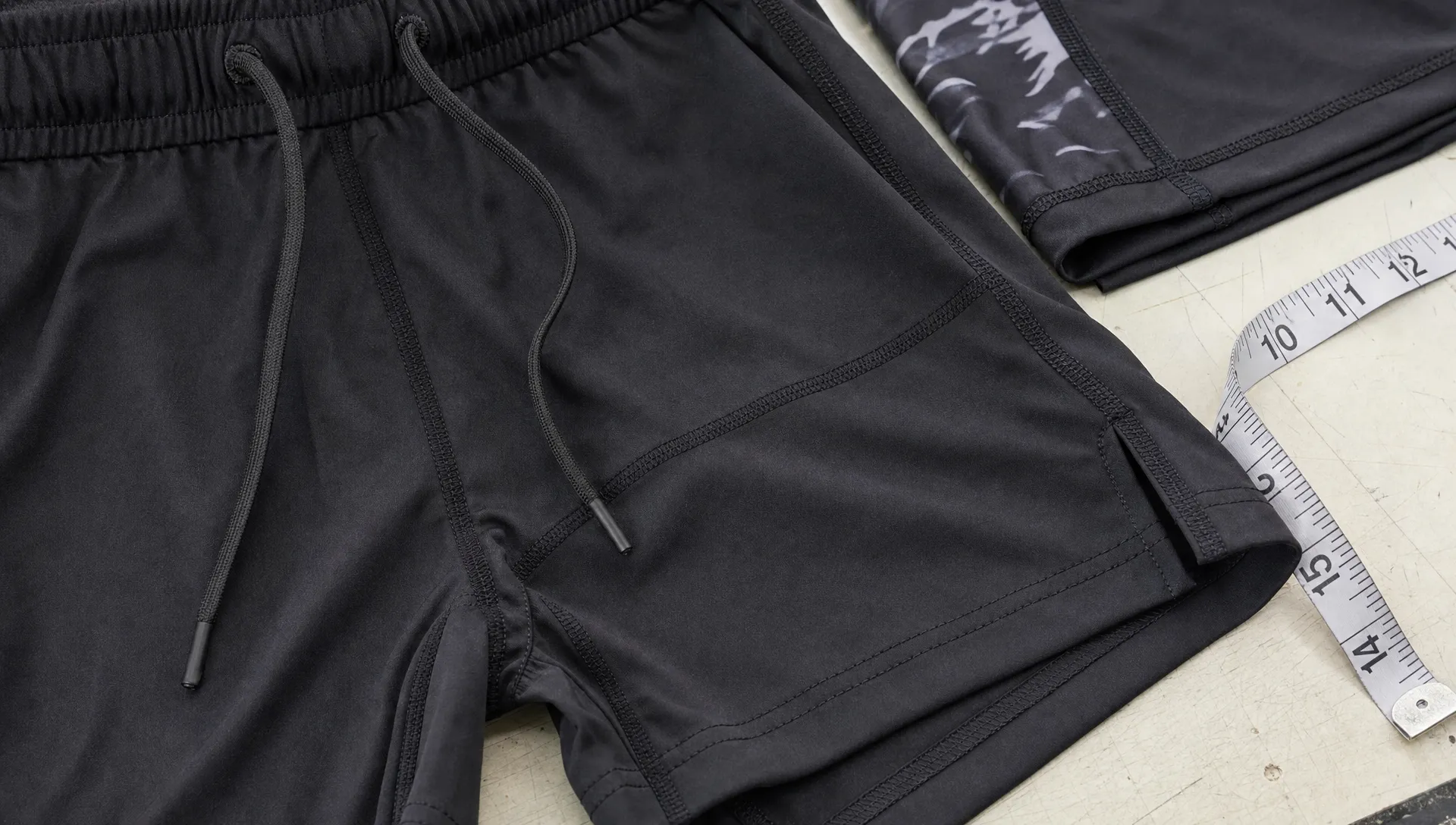
Construction details matter just as much as fabric. Reinforced pocket openings, clean drawcord tips, stable rib cuffs and a well-shaped hood can make a private label hoodie feel professional before anyone notices the logo.
| Component | What to specify | Why it matters |
|---|---|---|
| Hood | Single layer, double layer or lined | Controls shape, warmth and visual structure |
| Pockets | Kangaroo, welt or zip pockets | Affects retail usability and walkout styling |
| Cuffs and hem | Rib quality and recovery | Helps the hoodie keep its shape after wear |
| Seams | Flatlock, coverstitch or standard seams | Influences comfort, durability and visual finish |
| Zippers | Coil, molded or metal look | Changes weight, function and perceived value |
Branding that looks professional on camera and in retail
Logo placement should be planned, not scattered. The chest, back, sleeves, hood and hem can all carry branding, but every position has a job. A chest mark builds recognition in portraits. A large back graphic creates walkout impact. Sleeve branding supports motion shots. A small woven label helps the hoodie feel retail-ready.
A smart mma walkout hoodies custom layout gives every logo enough breathing room. Overcrowding sponsor marks can cheapen the garment, especially if fonts, colors and logo shapes fight each other. If multiple sponsors must appear, create a hierarchy before sampling.
Decoration methods should match the fabric and the brand level. Screen printing works well for bold graphics. Embroidery adds depth for badges and premium marks. Woven patches create a club or team feel. Heat transfers can handle detailed sponsor artwork, but they need quality testing so they do not crack or peel too quickly.
For deeper logo planning, use the principles in Arus Sportswear's guide to athletic wear logos that make your brand look pro before locking artwork.
Colorways and graphics: loud is not always memorable
Combat sports branding often leans aggressive, but louder is not always stronger. A hoodie can feel powerful through contrast, restraint and clear visual themes. Black with metallic embroidery, bone with tonal graphics or deep red with minimal sponsor placement may look more premium than a crowded all-over print.
Regional taste also matters if you sell internationally. Buyers in the USA and Australia may respond well to bold team merch styling. European customers may prefer cleaner, fashion-led layouts. Japan often rewards precision and restrained detail. Thailand's fight culture can support vibrant color, but the design still needs to feel authentic rather than copied.
One useful rule is to choose a main story before choosing graphics. The story might be the fighter's nickname, gym heritage, national identity, discipline or event theme. Once that story is clear, colors and artwork can support it instead of competing with it.
Build a tech pack your manufacturer can actually produce
A strong concept still needs a production-ready file. Your tech pack should remove guesswork for pattern makers, sample teams and bulk production managers. Include front and back views, color references, fabric details, trims, decoration positions, size charts and packaging notes.
Treat every mma walkout hoodies custom order as a controlled product development project, not a one-off art file. Brand owners already understand this discipline in other sectors: a property investor may use tailored investment strategies instead of choosing assets at random, and apparel brands should apply the same structured thinking to product decisions.
Your tech pack does not need to be overcomplicated, but it should answer the questions that delay sampling. Where exactly does the sleeve logo begin? Is the hood lining contrast or self-fabric? Are drawcords flat or round? Is the neck label printed, woven or heat transferred?
Sampling: where good designs become real garments
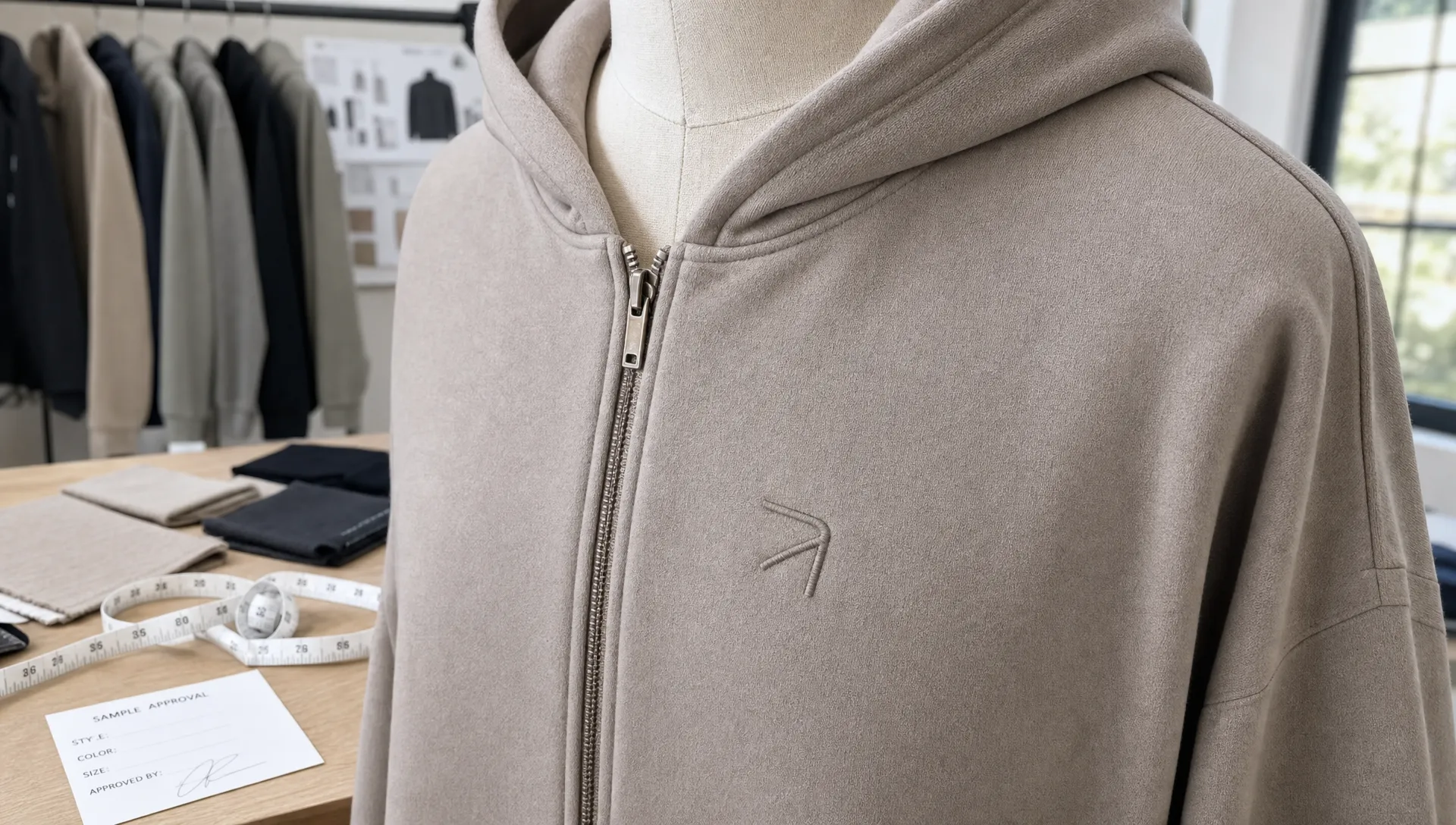
Never judge a walkout hoodie only on a digital mockup. A sample shows whether the hood collapses, whether the zipper waves, whether the print sits too low and whether the sleeve graphics distort when the arm bends.
For athlete-facing gear, test the sample during warm-ups. Have the fighter shadowbox, stretch, raise both arms and remove the hoodie quickly. If the piece will be sold to fans, wash testing is just as important. Check shrinkage, print feel, seam twisting and color change after laundering.
Sampling is also the right time to check emotional fit. Does the fighter feel confident in it? Would coaches wear it? Would fans pay for it after seeing the walkout? Those questions are subjective, but they catch problems a spec sheet cannot.
Sizing, compliance and logistics for international drops
If you plan to sell mma walkout hoodies custom across the USA, Canada, Germany, Australia, Japan, Thailand, the Netherlands and wider Europe, sizing needs extra attention. A simple S to 2XL chart may not fit every market equally well, especially if the cut is oversized or athletic.
Ask for garment measurements, not only body measurements. Chest width, body length, shoulder width and sleeve length help customers choose better. For gyms and fight teams, consider a sample size set before placing a larger order.
Labeling also matters. Care labels, fiber content, country of origin and wash instructions should be planned before bulk production. Requirements vary by market, so brands selling internationally should confirm their own compliance needs with the appropriate local rules.
Packaging and logistics should support the hoodie experience. Individual polybags, size stickers, hang tags and barcode labels may sound minor, but they save time for gyms, distributors and online sellers.
Common design mistakes to avoid
Most walkout hoodie mistakes are preventable. They happen when artwork leads the process and product function comes second.
Avoid these issues before approving your sample:
- Making the hoodie too heavy for warm-ups or humid venues
- Placing key logos where gloves, arms or zippers will hide them
- Using too many fonts, sponsor marks and visual effects
- Choosing decoration methods that do not suit the fabric
- Ignoring wash testing because the hoodie is mainly for fight night
- Treating fan merch sizing as identical to athlete sizing
- Forgetting how the hoodie pairs with shorts, jerseys, caps or robes
A good walkout hoodie should feel special without becoming difficult to wear. The more practical the base garment is, the more freedom you have to add identity through controlled design details.
Frequently Asked Questions
What fabric is best for a custom MMA walkout hoodie? The best fabric depends on climate, decoration method and price point. Cotton-blend fleece feels familiar and premium, polyester fleece can support sharp athletic styling and scuba knit gives a structured look. Always sample the fabric with your actual logo method before bulk production.
Should fighters wear zip hoodies or pullover hoodies for walkouts? Full-zip hoodies are often easier to remove before competition, especially when athletes are wearing wraps or gloves. Pullovers can be better for retail because they look cleaner, but they need enough room through the neck and shoulders.
How many logos should go on a walkout hoodie? Use only as many logos as the design can hold clearly. Prioritize the fighter, team or brand mark first, then place sponsor logos in a controlled hierarchy on the sleeves, back or lower body if needed.
Can one design work for athletes and fans? Yes, but the fit and styling must be balanced. Athlete samples should be tested for movement and fast removal, while fan versions should focus on comfort, wash durability and everyday wearability.
What should be included in a hoodie tech pack? Include flat sketches, fabric details, color references, size charts, trims, logo placements, decoration methods, label requirements and packaging notes. The clearer the tech pack, the smoother sampling and bulk production will be.
Turn walkout hoodie concepts into production-ready fightwear
The best walkout hoodie is built from the athlete outward. Start with movement, comfort and identity, then refine the silhouette, fabric, artwork and production details until the garment feels ready for both the arena and the customer.
Arus Sportswear manufactures custom MMA and martial arts apparel for brands, gyms and distributors worldwide, including private label and OEM fightwear with custom designs, branding options, low minimum orders, bulk order support and worldwide shipping. If you are developing a walkout collection, a team hoodie or a retail-ready fightwear drop, start with a clear design brief and turn it into a sample you can test with confidence.