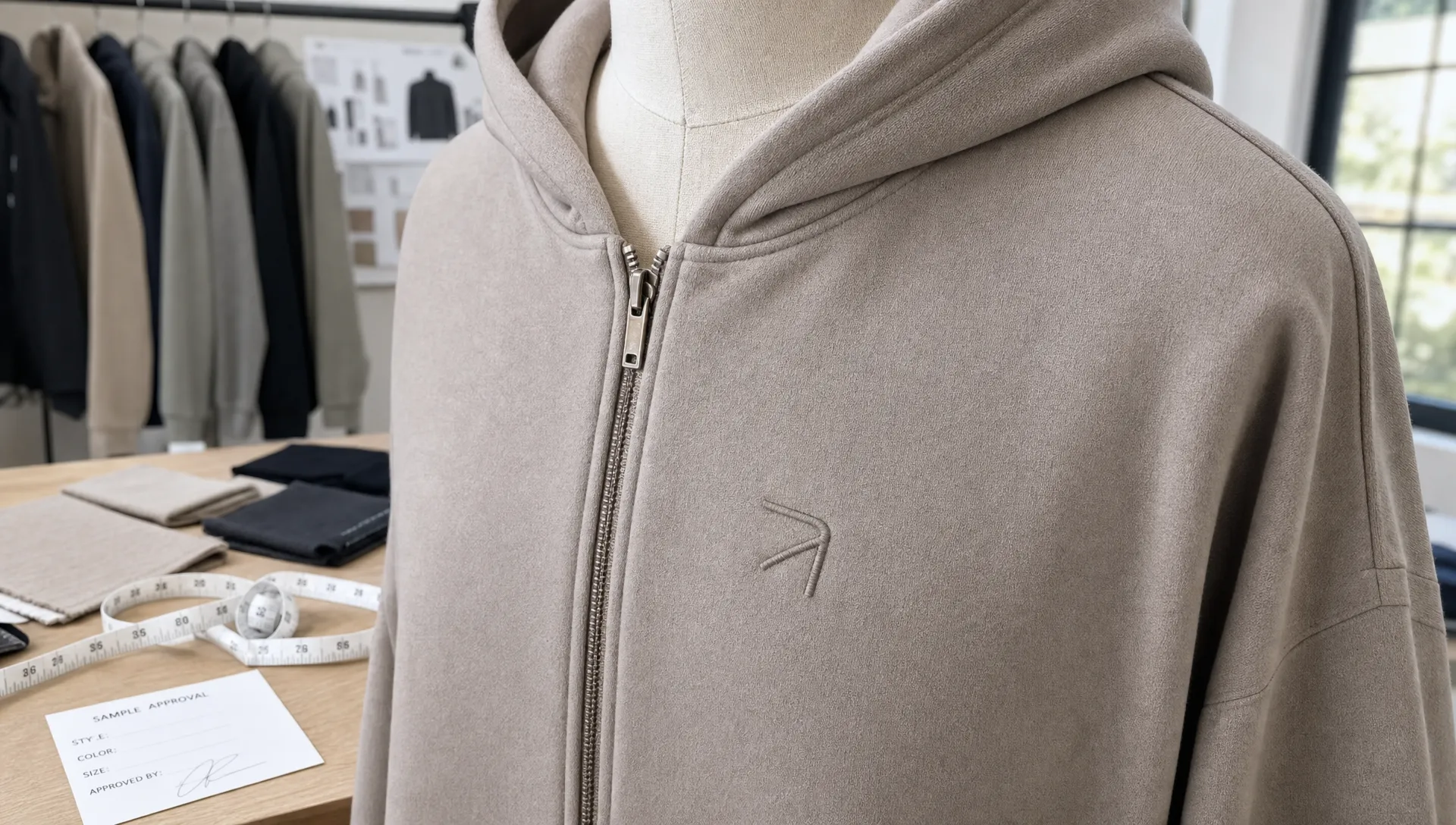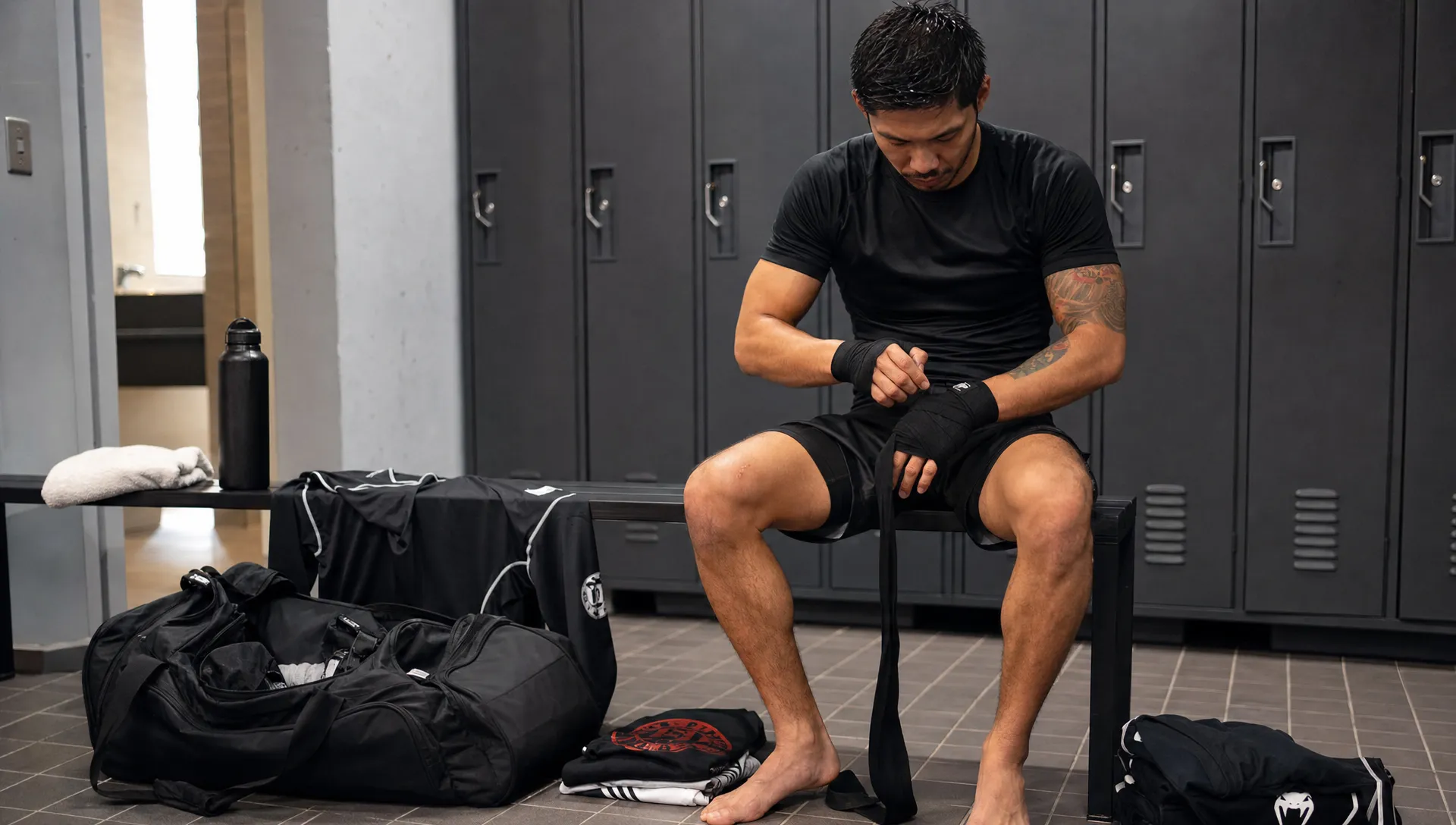
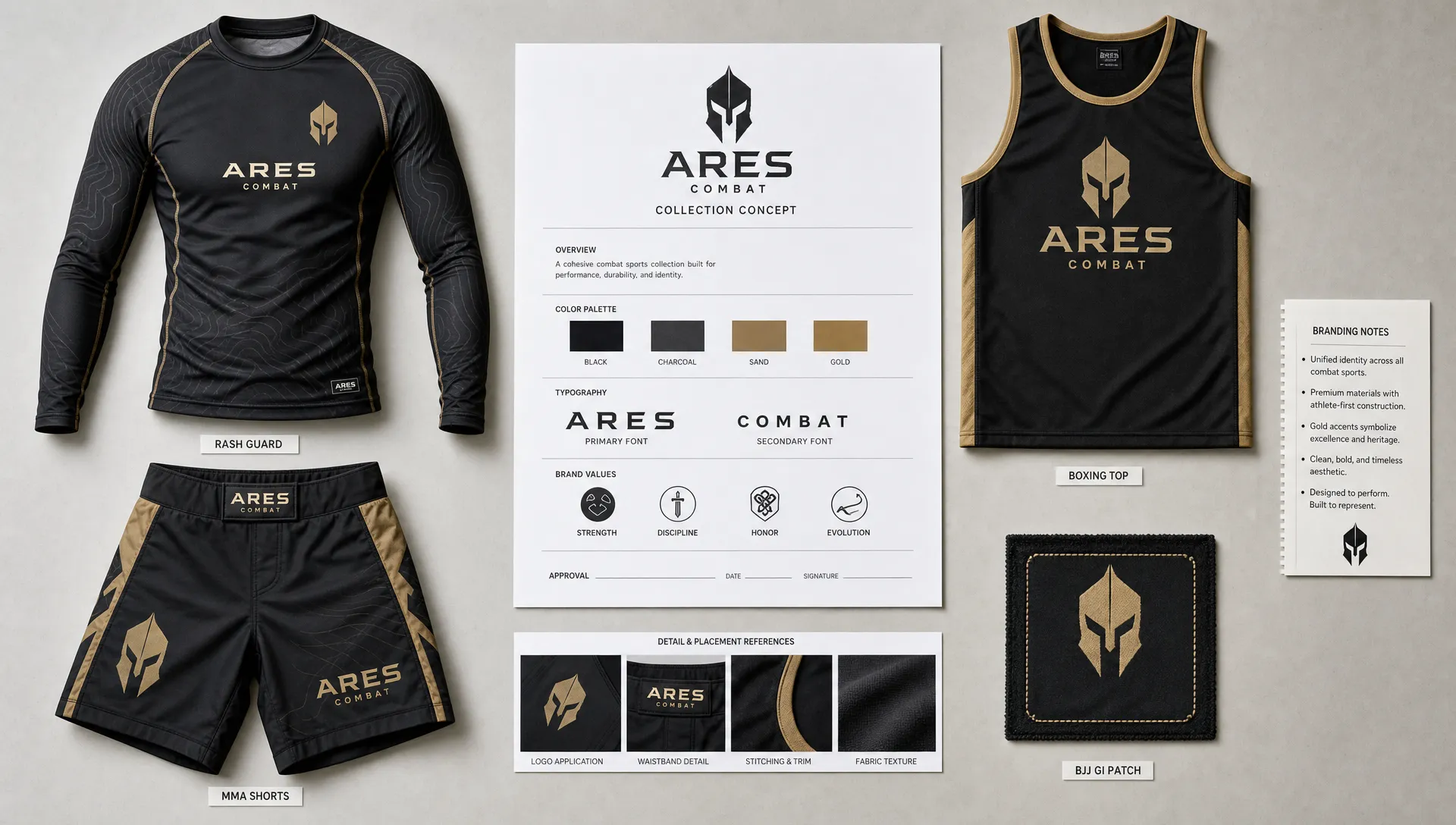
Choosing a combat sports clothing manufacturer is not the same as choosing a basic T-shirt supplier. Fightwear has to survive pulling, sweating, friction, repeated washing, and real training environments. For a brand, gym, or distributor, that means the right manufacturing partner should offer more than stitching and printing. They should understand how martial arts apparel performs, how custom branding works, and how bulk production must be managed from sample to shipment.
A strong manufacturer helps you turn a product idea into gear that athletes actually want to wear. That includes MMA shorts that do not restrict movement, rash guards that stay fitted during grappling, BJJ gis that meet customer expectations for durability, and boxing apparel that looks professional inside and outside the gym.
Below is a practical breakdown of what a combat sports clothing manufacturer should offer before you trust them with your brand.
Experience With Combat Sports Apparel, Not Just General Clothing
The first thing to look for is category experience. A general apparel factory may understand fabric cutting and sewing, but combat sports clothing has different performance demands. Athletes stretch, grip, clinch, sprawl, roll, kick, sweat, and wash their gear frequently. If a manufacturer does not understand these movements, the final product can look good in photos but fail during training.
An experienced combat sports clothing manufacturer should understand the construction needs of products such as:
- MMA fight shorts
- Rash guards
- Spats and compression wear
- BJJ gis
- Boxing shorts and robes
- Karate uniforms
- Hoodies, tracksuits, and teamwear
- Gym merchandise and branded apparel
This product knowledge matters because every discipline has different fit and durability requirements. BJJ gis need reinforced stitching and strong fabric. Rash guards require stretch recovery and secure seams. MMA shorts need mobility, closure strength, and abrasion resistance. Boxing robes and shorts need a premium presentation that supports the athlete or brand image.
If you are comparing suppliers, it is worth looking closely at how specialized they are. A partner that already works with martial arts apparel can usually provide better guidance on product structure, fabric selection, and branding than a factory that mainly produces casualwear. For a deeper comparison, Arus Sportswear also covers this topic in its guide on how to choose the right martial arts clothing manufacturer.
Private Label and OEM Manufacturing Options
A serious manufacturer should offer both private label and OEM production, especially if your goal is to build a recognizable combat sports brand.
Private label manufacturing is useful when you want to sell products under your own brand name without building a factory or managing every technical production detail yourself. The manufacturer helps produce items with your logo, colors, labels, and packaging requirements.
OEM production goes deeper. It is often better suited for brands that have specific designs, product specifications, sizing requirements, or unique construction details. With OEM support, your manufacturer follows your custom product brief and helps bring that vision into production.
Both options are valuable, but the right choice depends on your business model. A gym may want custom branded rash guards and shorts for members. A fightwear brand may need a full collection with unique cuts, artwork, and packaging. A distributor may need repeatable bulk production across multiple product categories.
A good manufacturer should explain which route makes sense instead of forcing every buyer into the same production model.
Custom Design Support That Protects Your Brand Identity
Combat sports apparel is visual. Logos, colors, sponsor marks, typography, panel placement, and fabric finishes all affect how customers perceive the product. Your manufacturer should be able to support custom designs that look professional and stay consistent across production runs.
Good design support may include guidance on artwork placement, print methods, embroidery options, woven labels, neck labels, size labels, trims, and packaging. The goal is not just to decorate a garment. The goal is to create a product that feels like it belongs to your brand.
Customization also requires practical thinking. A design that looks strong on a flat mockup may not work perfectly on a curved sleeve, a stretch panel, or a gi lapel. Your supplier should be able to identify those issues early and suggest adjustments before production.
The value of customization is not limited to apparel. In design-driven categories, premium suppliers such as BUYnBLUE for customizable designer lighting show how tailored details can make a product fit the customer’s exact environment. For fightwear, the same principle applies in a different way: custom sizing, branding, fabric choices, and finishing details help the product fit the athlete, the gym, and the brand.
Performance Fabrics and Durable Construction
A combat sports clothing manufacturer should guide you toward fabrics that match the product’s purpose. Price matters, but choosing the cheapest fabric can damage your reputation quickly if customers experience shrinking, tearing, fading, or poor comfort.
For compression wear and rash guards, the fabric should offer stretch, shape retention, breathability, and a smooth feel against the skin. For fight shorts, the material should support movement while resisting wear from mats and training. For gis and uniforms, fabric weight, weave, shrinkage control, and reinforcement points are key considerations.
Construction is just as important as fabric. Poor seams, weak waistbands, loose embroidery, and low-quality closures can turn a promising product into a customer service problem. A manufacturer should be able to discuss seam types, reinforcement areas, stitching quality, and finishing standards in clear terms.
Here is a simple way to think about fabric and construction priorities by product type:
| Product type | Key performance needs | Manufacturing details to check |
|---|---|---|
| MMA shorts | Mobility, abrasion resistance, secure closure | Stretch panels, strong waistband, reinforced seams |
| Rash guards | Compression, breathability, stretch recovery | Flatlock seams, quality sublimation, durable fabric blend |
| BJJ gis | Grip resistance, durability, controlled shrinkage | Reinforced stress points, strong collar, consistent stitching |
| Boxing apparel | Lightweight movement, premium appearance | Smooth finishing, accurate sizing, clean branding |
| Karate uniforms | Comfort, structure, discipline-appropriate fit | Fabric weight, stitching quality, belt and uniform consistency |
When a manufacturer can explain these details clearly, it is a good sign that they understand the real demands of combat sports apparel.
Low MOQs for Testing and Bulk Capacity for Growth
Minimum order quantity is one of the biggest concerns for new brands and gyms. Ordering too much inventory too early can create cash flow problems, especially if you are still testing product demand. That is why low minimum orders can be valuable.
A manufacturer that offers low MOQs gives you room to test designs, collect feedback, and improve your collection before scaling. This is especially helpful for new fightwear brands, academies launching member gear, and distributors exploring a new product category.
At the same time, your manufacturer should also be capable of handling larger orders when demand grows. Low MOQ is useful at the start, but reliable bulk production is what keeps your business moving later. The ideal partner can support both stages: small runs for testing and larger runs for repeat orders.
This balance is especially important if you are building a collection instead of ordering one product. You may want to test rash guards, shorts, gis, and hoodies in limited quantities before deciding which products deserve bigger production runs. If you are still planning your product mix, this guide on how to build a sportswear collection customers actually want can help you approach the process strategically.
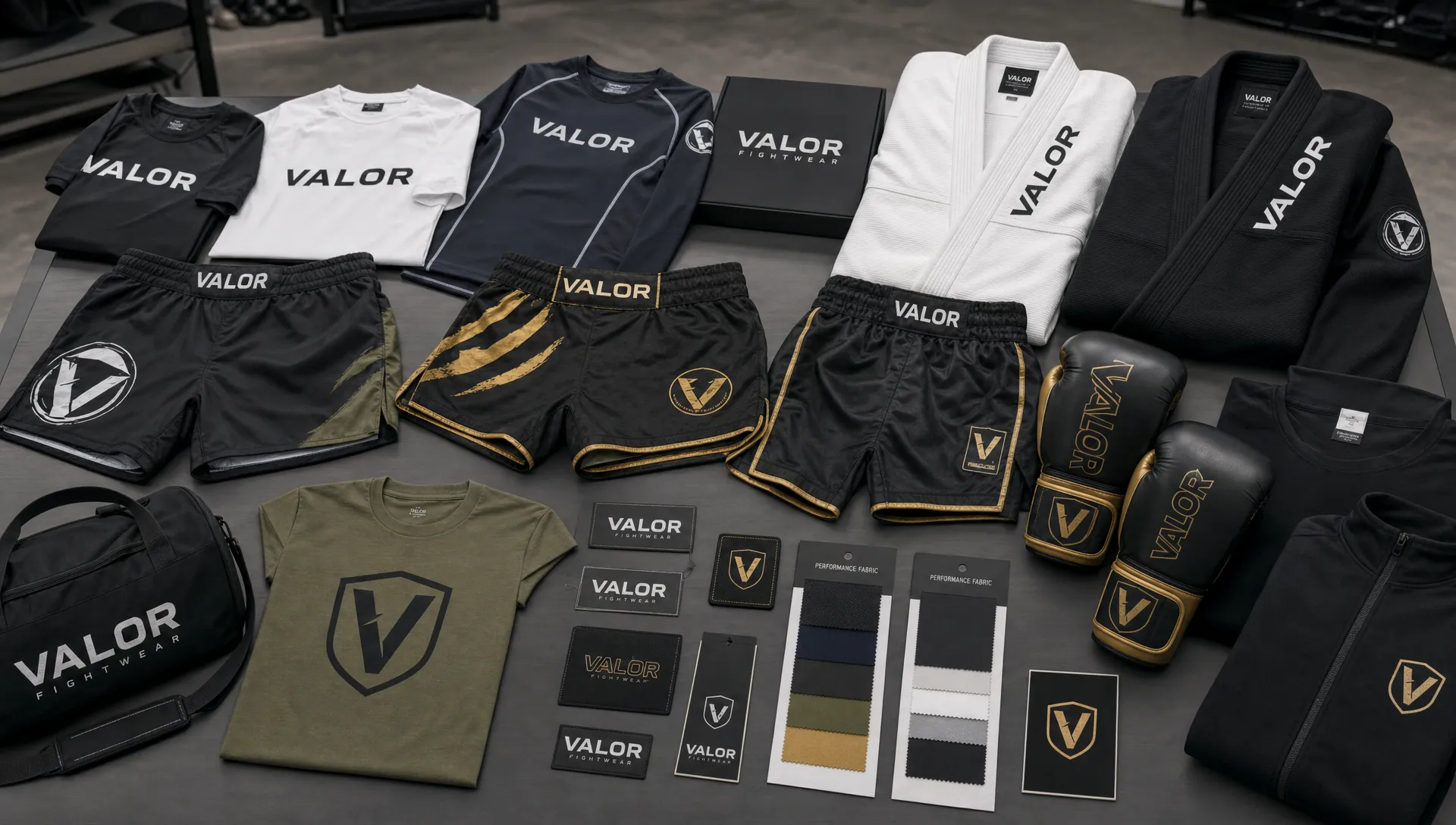
Sampling Before Full Production
Sampling is one of the most important steps in apparel manufacturing. Before you approve bulk production, you need to see and feel the product. Photos and digital mockups are useful, but they cannot fully show fit, fabric weight, stretch, stitching quality, or print finish.
A good manufacturer should offer a clear sampling process. The sample should allow you to check the product from the customer’s point of view. Does the rash guard fit correctly? Do the shorts allow full movement? Is the gi fabric suitable for your market? Does the logo placement look balanced? Are the colors close to your brand guidelines?
Sampling also helps prevent expensive mistakes. A small correction before production is much easier than fixing hundreds of finished units after delivery. If a supplier pushes you to skip sampling, that is a red flag, especially for custom fightwear or private label products.
Branding Options Beyond the Main Logo
Many buyers think branding means adding a logo to the chest or leg. In reality, strong apparel branding includes many details. A combat sports clothing manufacturer should offer custom branding options that help your products feel complete and retail-ready.
Important branding elements can include:
- Sublimated artwork
- Embroidery
- Screen printing
- Woven labels
- Printed neck labels
- Hang tags
- Custom packaging
- Size labels
- Care labels
- Branded trims and patches
These details matter because customers judge quality before they even train in the product. If the packaging, labeling, stitching, and artwork feel professional, your brand becomes more credible. For gyms, good branding can also turn members into ambassadors because they are more likely to wear attractive apparel outside the training room.
Customization should also be consistent across products. If your rash guards, shorts, gis, hoodies, and teamwear all use different label styles and color tones, the collection may feel disconnected. A good manufacturer helps you maintain visual consistency from one item to the next.
Reliable Quality Control
Quality control is where a manufacturer proves its professionalism. Even a strong sample does not guarantee that every bulk item will be correct. You need a partner that checks production carefully and catches issues before shipping.
Quality control should cover fabric, sizing, stitching, prints, embroidery, labels, packaging, and final presentation. For combat sports apparel, durability checks are especially important because products face more stress than ordinary clothing.
A practical quality control process should reduce common problems such as inconsistent sizing, crooked logos, loose threads, weak seams, color variation, incorrect labels, and packaging mistakes.
A manufacturer does not need to use complicated language to prove they have quality control. What matters is that they can explain how products are checked, when checks happen, and how issues are corrected before shipment.
Clear Communication and Production Timelines
Communication is often the difference between a smooth order and a stressful one. Your manufacturer should respond clearly, confirm details in writing, and keep you updated at important stages of production.
This is especially important for international manufacturing, where time zones, shipping schedules, and production queues can affect planning. You should know what information the factory needs from you, how long sampling may take, how approvals are handled, and what happens after bulk production begins.
A reliable manufacturer should be clear about:
- Product specifications
- Artwork and logo file requirements
- Sample approval steps
- MOQ and bulk order details
- Estimated production timelines
- Packaging requirements
- Shipping options
- Payment terms
Unclear communication can lead to wrong sizes, wrong colors, missed deadlines, and avoidable rework. If a supplier is vague before you place an order, they may become even harder to work with once production starts.
Worldwide Shipping and Export Experience
If you are ordering from another country, shipping experience matters. Combat sports apparel can be bulky, especially gis, uniforms, hoodies, and large team orders. Your manufacturer should be able to support worldwide shipping and help you understand the logistics involved.
This does not mean a manufacturer can remove every customs requirement or guarantee every delivery timeline. It means they should be familiar with preparing orders for international shipment, packing products properly, and communicating shipping options clearly.
For brands and distributors, reliable shipping affects launch dates, promotional campaigns, gym events, competitions, and wholesale commitments. A delay can cost more than time. It can affect your reputation with customers.
Transparency Around Costs and Specifications
A trustworthy combat sports clothing manufacturer should help you understand what you are paying for. The lowest quote is not always the best value if it comes with weak fabric, poor finishing, limited customization, or unreliable quality control.
When comparing manufacturers, ask whether the quote includes details such as fabric type, GSM or fabric weight where relevant, branding method, labels, packaging, sampling costs, order quantity, and shipping terms. A transparent quote makes it easier to compare suppliers fairly.
Here is a simple evaluation checklist:
| What to evaluate | Why it matters | Good sign |
|---|---|---|
| Product expertise | Combat sports gear has unique performance needs | Supplier can discuss fit, movement, and durability |
| Custom branding | Your apparel should build brand recognition | Multiple logo, label, and packaging options are available |
| MOQ flexibility | New brands need room to test demand | Supplier supports smaller runs and future scaling |
| Sampling process | Prevents costly bulk production mistakes | Sample approval is encouraged before full production |
| Quality control | Protects your reputation | Checks are explained clearly before shipping |
| Communication | Reduces errors and delays | Responses are specific, organized, and documented |
| Shipping support | Important for international buyers | Supplier can manage worldwide order dispatch |
A manufacturer that performs well across these areas is more likely to become a long-term partner instead of a one-time supplier.
Product Development Guidance
The best manufacturers do not only take orders. They help improve them. If you are launching a new fightwear collection, you may need guidance on which products to start with, which fabrics suit your budget, and how to avoid overcomplicating your first release.
For example, a new gym apparel line may not need ten products at launch. It may perform better with a focused selection of rash guards, shorts, hoodies, and T-shirts. A fightwear brand may want to begin with a core training set before adding gis, robes, or lifestyle apparel.
A strong manufacturer can help you think through production decisions in a practical way. They should not make unrealistic promises or pressure you into unnecessary complexity. Instead, they should help you create products that match your customers, budget, and growth stage.
Signs a Manufacturer May Not Be the Right Fit
Not every supplier is a good match for combat sports brands. Some warning signs appear early in the conversation. If a manufacturer cannot explain fabric choices, avoids sampling, gives unclear answers, or offers very limited branding options, proceed carefully.
Other warning signs include inconsistent communication, unrealistic delivery promises, no clear process for revisions, and no understanding of martial arts products. A cheap price may look attractive, but poor manufacturing can lead to returns, complaints, and lost trust.
If you are already dealing with missed deadlines or quality issues, it may be time to compare alternatives. Arus Sportswear has a related article on signs you need a better sportswear manufacturer that can help you evaluate your current supplier.
Frequently Asked Questions
What should I ask a combat sports clothing manufacturer before ordering? Ask about product experience, fabric options, MOQ, sampling, branding methods, production timelines, quality control, packaging, and shipping. You should also ask for details specific to your product, such as reinforcement for gis or stretch recovery for rash guards.
Is low MOQ important for a new combat sports brand? Yes, low MOQ can help new brands and gyms test products before committing to large inventory. It reduces risk while allowing you to collect customer feedback and improve future orders.
What is the difference between private label and OEM combat sports apparel? Private label usually means producing apparel under your brand name, often with custom logos, labels, and packaging. OEM production is more specification-driven and is useful when you have unique designs, patterns, materials, or construction requirements.
Why is sampling important before bulk production? Sampling helps you check fit, fabric, stitching, colors, logo placement, and overall quality before approving a full order. It is one of the best ways to avoid costly production mistakes.
Can one manufacturer produce multiple combat sports products? Some specialized manufacturers can produce several categories, such as MMA shorts, rash guards, BJJ gis, boxing apparel, karate uniforms, and gym wear. Working with one capable supplier can make branding and production management more consistent.
Build Better Combat Sports Apparel With the Right Partner
A combat sports clothing manufacturer should offer more than production capacity. The right partner should understand fightwear performance, support custom branding, provide sampling, manage quality control, offer practical MOQs, and ship reliably to your market.
For brands, gyms, and distributors, those capabilities can make the difference between average apparel and products customers proudly wear. If you are planning a custom MMA, BJJ, boxing, karate, or gym apparel line, Arus Sportswear offers private label and OEM manufacturing for combat sports apparel with custom design, branding, bulk order support, low minimum orders, and worldwide shipping.