Choosing training apparel for every season is not only a fabric decision. For sportswear brands, gyms, martial arts academies and distributors, it affects comfort, durability, sizing, inventory timing and repeat purchases. A rash guard that works in a humid Thai training camp may feel too light for a winter gym in Canada, while a heavy hoodie that sells well in Germany may sit on shelves in Australia during peak summer.
Seasonal planning helps you build apparel that matches how athletes actually train. That means looking at temperature, humidity, indoor ventilation, outdoor exposure, wash frequency and the way each garment layers with the rest of the kit. The goal is simple: keep athletes comfortable enough to train consistently without sacrificing brand quality or product margins.
How to Select Training Apparel by Season
A seasonal approach starts with the end user, not the catalog. A boxing gym selling to beginners has different needs than an MMA brand supplying fight teams, and a distributor serving Europe will plan differently from one focused on Japan or Thailand. The best seasonal choices come from mapping each garment to the climate, training intensity and customer use case.
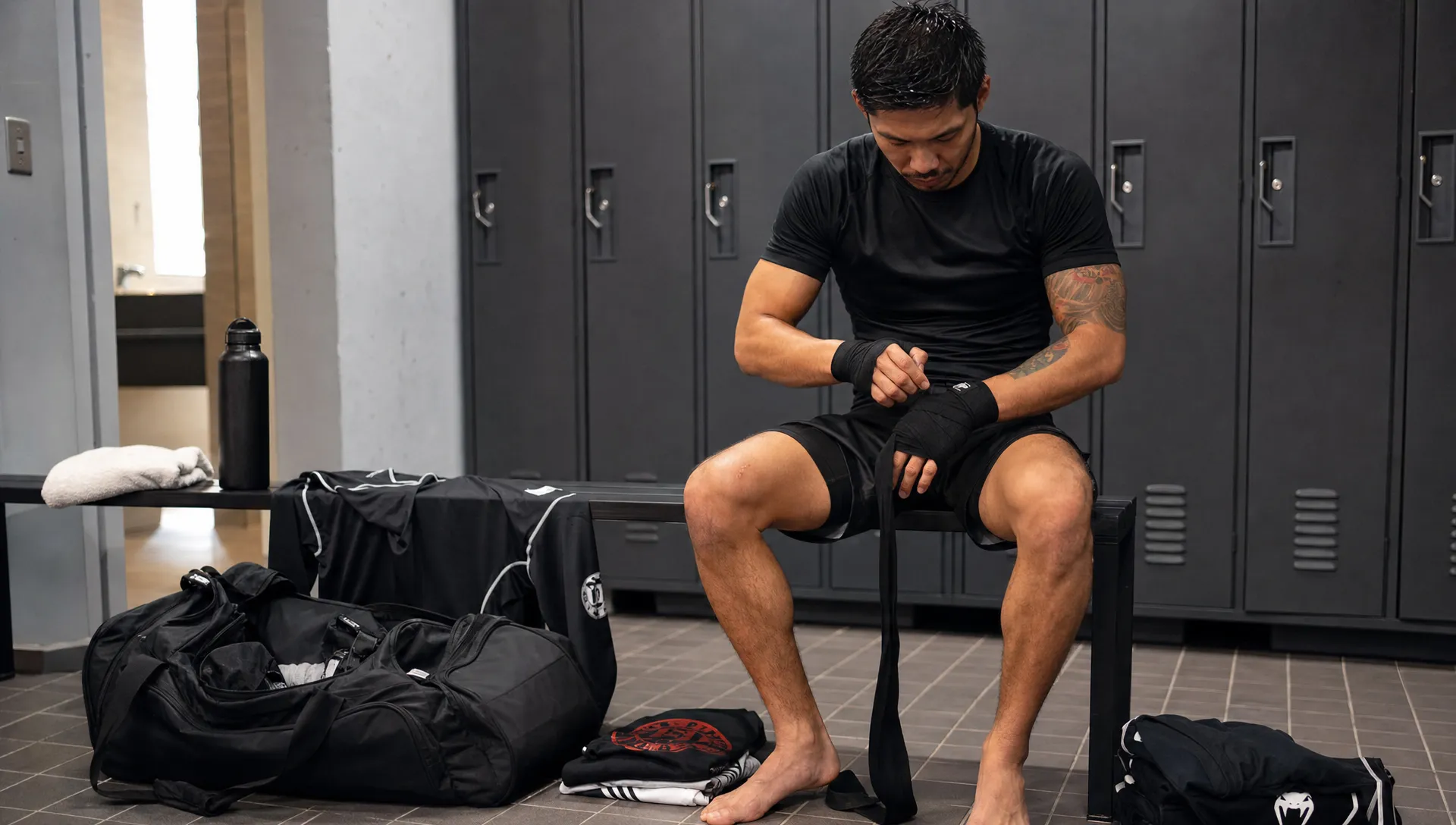
For buyers, training apparel selection should begin with three questions: where will athletes train, how much will they sweat and what will they wear before or after the session? Indoor gyms can still become hot and humid in summer, especially during grappling, sparring or conditioning sessions. Outdoor training adds sun exposure, wind and rain. Travel teams need pieces that pack easily and dry fast.
Season also affects how products are bought. Lightweight tees and rash guards often sell before peak heat, while hoodies, joggers and warm-up tops need to be ready before colder weather arrives. If you wait until the season starts to approve samples, you may miss the strongest selling window.
Spring: Build for Changeable Weather
Spring is the transition season, which makes flexibility more valuable than heavy insulation or ultra-light construction. Athletes may train in cool mornings, warm afternoons and wet conditions during the same week. This is where light layers earn their place in a collection.
Spring training apparel should prioritize breathable base pieces, packable outer layers and fabrics that dry quickly after rain or sweat. For combat sports, that might mean short-sleeve rash guards, lightweight training tees, fight shorts with secure waist systems and zip hoodies that can be worn to and from the gym. For general fitness or team apparel, consider tapered joggers, stretch warm-up jackets and long-sleeve performance tops.
Color also matters in spring. Many brands use this season to introduce brighter palettes, team graphics or limited drops before summer. If your audience includes gyms and academies, spring can be a good time to test small runs of new designs before committing to deeper seasonal inventory.
Summer: Control Heat, Sweat and Sun Exposure
Summer exposes weak product decisions quickly. Heavy cotton tees become saturated, low-quality prints can feel stiff and poor waistbands can slip during high-sweat drills. In hot regions such as Thailand, parts of Australia or the southern United States, heat and humidity are not occasional issues. They shape the entire product experience.
Summer training apparel should feel light, breathable and secure during movement. Look for moisture-wicking knits, mesh ventilation zones, smooth seam placement and silhouettes that do not cling uncomfortably when wet. For outdoor training or team travel, UV protection can be a useful product feature, especially for long-sleeve tops, rash guards and lightweight hooded layers.
The Centers for Disease Control and Prevention notes that heat stress risk rises when the body cannot cool itself effectively, particularly during physical work or exertion in hot environments. Apparel cannot replace hydration, rest or sensible training schedules, but it can reduce unnecessary discomfort by allowing airflow and helping sweat move away from the skin.
For a deeper fabric-level look at sweat management, Arus Sportswear has a practical guide on selecting fabric for high-sweat athletic wear.
| Summer priority | What to look for | Common product examples |
|---|---|---|
| Breathability | Lightweight knits, mesh panels, open structures | Performance tees, rash guards, singlets |
| Moisture control | Wicking yarns, quick-dry finishes | Compression shorts, grappling tops, running tops |
| Movement security | Stretch recovery, stable waistbands, shaped panels | Fight shorts, leggings, training shorts |
| Sun readiness | Long-sleeve coverage, UPF-focused materials where appropriate | Outdoor tops, rash guards, travel hoodies |
Fall: Balance Warmth, Mobility and Retail Appeal
Fall is often the strongest season for layered apparel because athletes return to routine after summer travel and teams refresh their look before competitions, seminars or year-end events. It is also a good season for products that work both inside and outside the gym.
Fall training apparel should keep athletes warm before activity without overheating them during movement. Midweight hoodies, zip jackets, long-sleeve performance tops and joggers are useful because they can be layered over lighter pieces. For martial arts and combat sports brands, fall is also a natural time to release academy-branded warm-ups, walkout tops or travel sets.
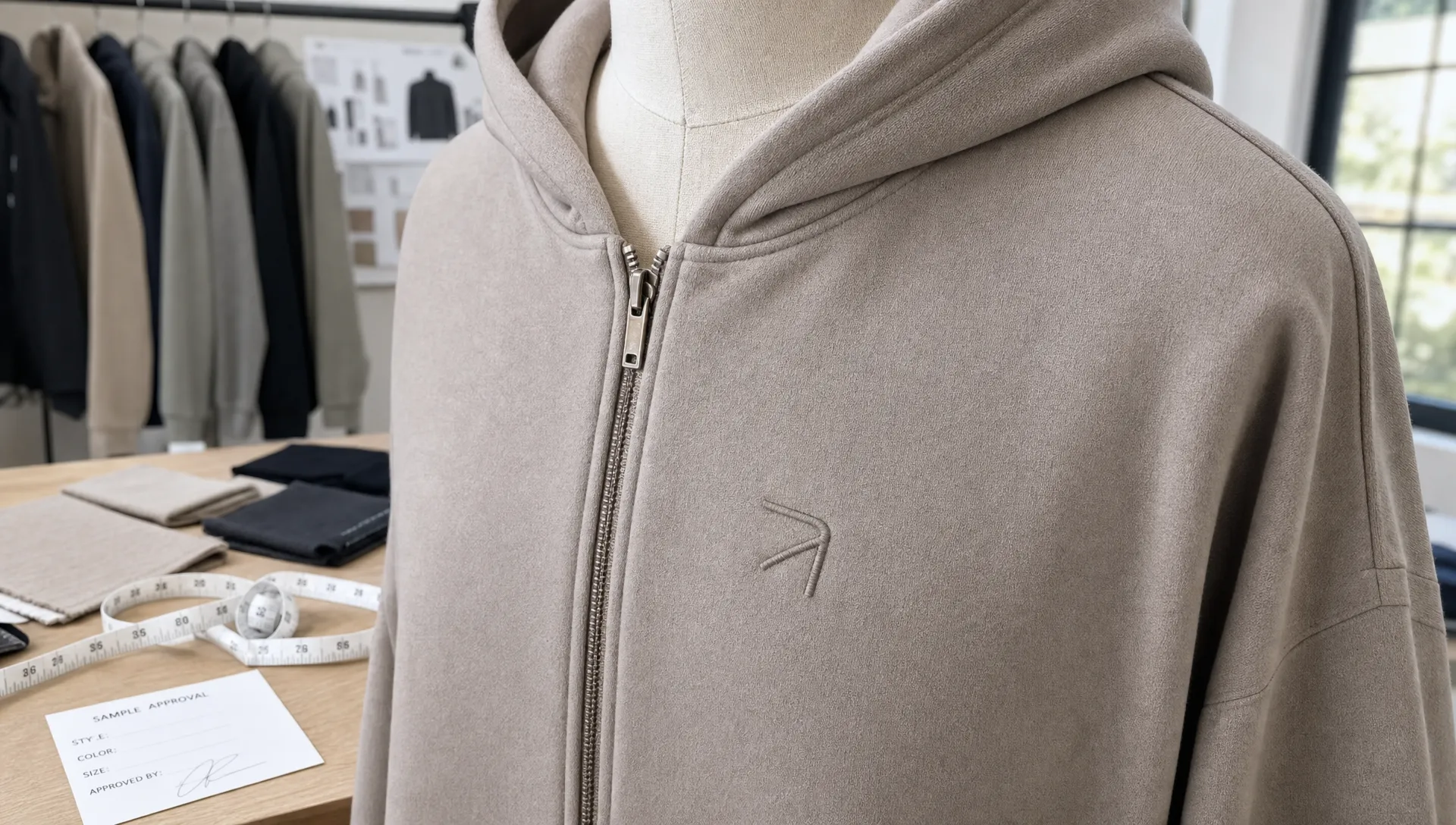
Retail value matters here. Customers may justify higher prices for heavier garments if the fabric feels substantial, the branding is well placed and the fit works beyond training. A hoodie with a clean chest logo and durable ribbing can function as gym gear, casual wear and team merchandise. That wider use can make fall apparel easier for gyms and distributors to sell.
Winter: Add Warmth Without Restricting Training
Winter apparel fails when it becomes bulky, slow to dry or hard to move in. Athletes need insulation before and after sessions, but they still need stretch, breathability and freedom of movement. This is especially important for MMA, boxing, wrestling, BJJ and strength training, where shoulder rotation, hip mobility and grip space matter.
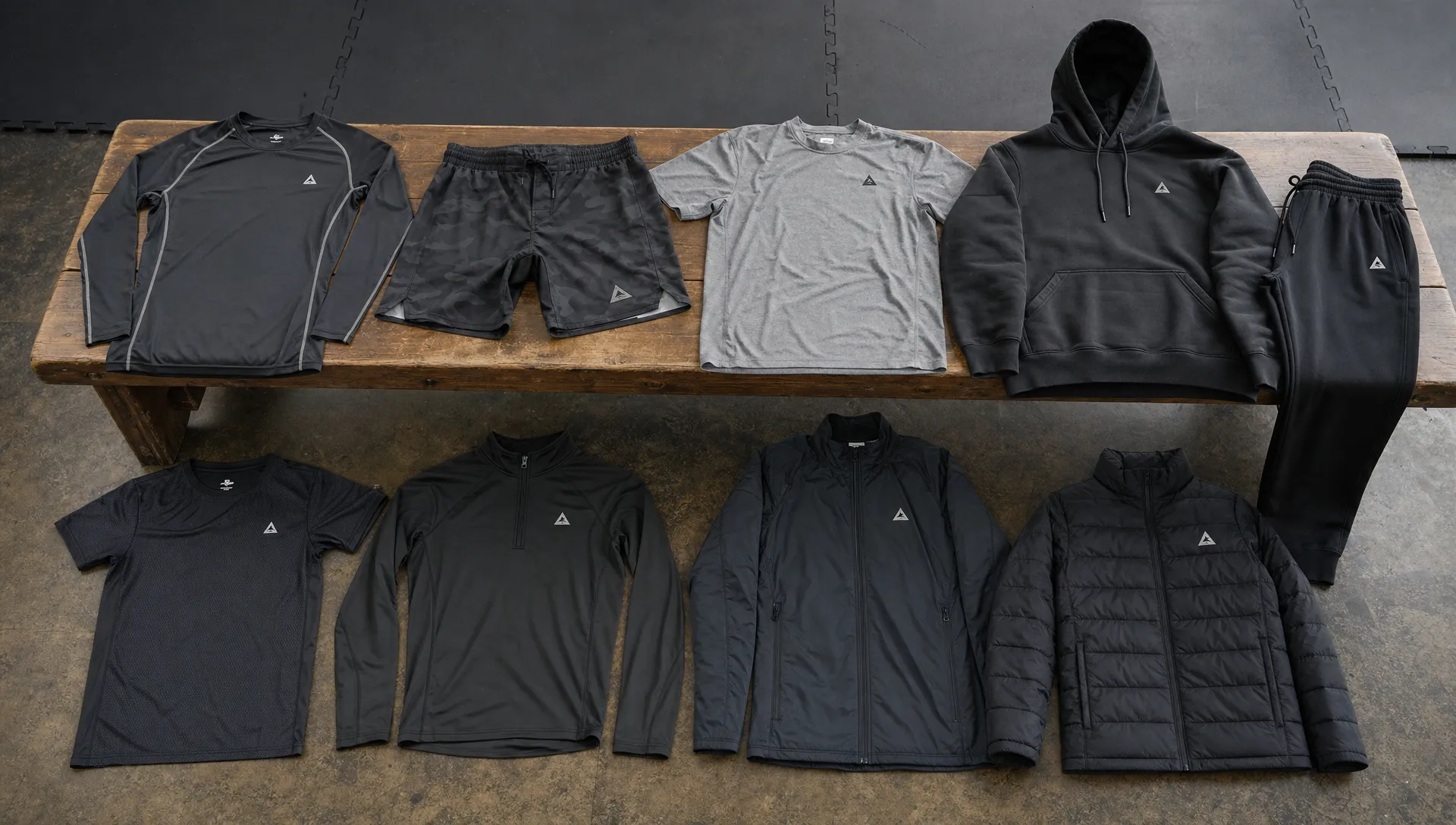
Winter training apparel should use a layering system rather than relying on one heavy piece. A common structure is a moisture-wicking base layer, a midweight insulating layer and a protective outer layer for travel or outdoor warm-ups. For brands, this creates more product opportunities because the garments work together instead of competing with each other.
In cold markets such as Canada, Germany, the Netherlands and northern parts of the United States, winter collections can include fleece hoodies, lined joggers, long-sleeve compression tops, warm-up jackets and beanies. In milder climates, lighter brushed fabrics may be enough. The key is matching warmth to the training environment, not only the outdoor temperature.
Fabric, Fit and Construction Details That Matter All Year
Seasonal planning should never ignore durability. If a product pills, shrinks, loses stretch or cracks at the print after a few washes, customers will remember the failure more than the seasonal concept. This is especially true for combat sports, where fabrics face friction from mats, gloves, grips and repeated laundering.
All-season training apparel decisions should account for fabric weight, stretch recovery, seam strength, decoration method and wash performance. A lightweight fabric is not automatically better for summer if it becomes transparent when stretched. A thick fleece is not automatically premium if it loses shape after washing. The right choice is always the material that performs for the intended use.
Fit should also change by garment type. Rash guards and compression tops need close contact without cutting into the neck, underarm or waist. Fight shorts need room through the hip and secure closure systems. Hoodies and jackets should allow shoulder movement, especially when athletes wear them during warm-ups.
If durability is a major concern for your line, review how to source performance apparel that holds up before finalizing specs or approving bulk production.
| Detail | Why it matters | Seasonal note |
|---|---|---|
| Fabric weight | Affects warmth, drape and breathability | Go lighter in heat, heavier for outer layers |
| Stretch recovery | Helps garments keep shape after movement | Critical for rash guards, leggings and compression wear |
| Seam placement | Reduces rubbing and improves mobility | More important in high-sweat and layered outfits |
| Decoration method | Impacts comfort, durability and brand look | Large prints can feel warmer in summer |
| Wash performance | Protects customer satisfaction over time | High-use gym apparel needs repeated wash testing |
Build Seasonal Product Assortments, Not Random Pieces
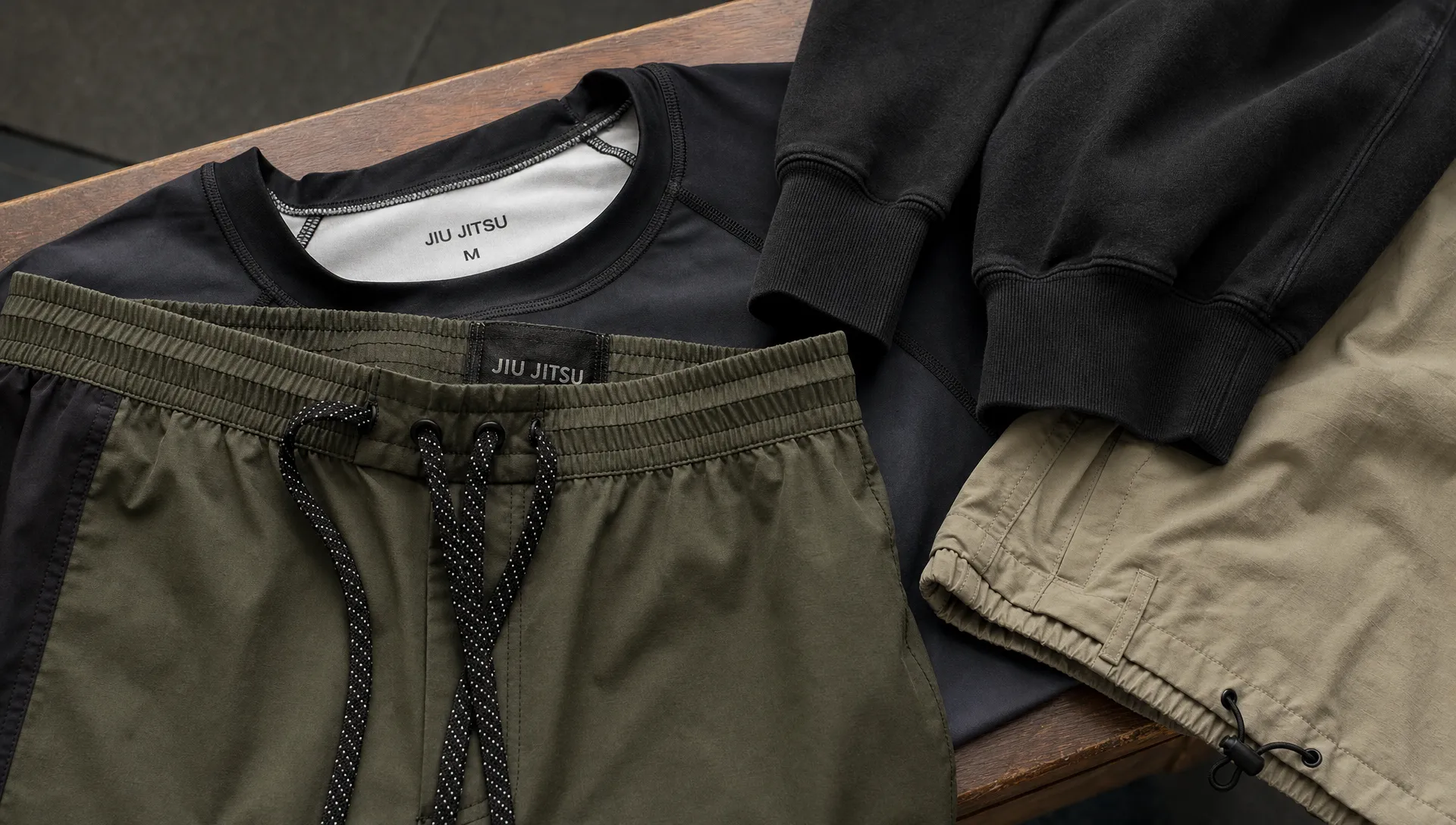
A strong seasonal line should feel connected. Instead of buying isolated items, build a small system of products that layer, match and serve different buyer needs. For example, a summer combat sports drop might include a rash guard, fight shorts and light tee in the same color story. A winter drop might include a hoodie, joggers and long-sleeve base layer.
For gyms and sportswear brands, training apparel assortments should also reflect sales channels. Items worn in daily sessions need performance first. Items sold as merchandise need stronger visual identity and everyday comfort. Team travel pieces need durability, easy care and a cohesive look in group settings.
Small seasonal capsules can reduce risk. Rather than ordering a large quantity of every idea, buyers can test a limited range, track sell-through and then reorder the winners. This approach works especially well when working with manufacturers that support custom designs, private label production and low minimum orders.
If you are planning more than one product category, the guide on building a sportswear collection customers actually want can help you connect seasonal choices to customer demand.
Regional Considerations for Global Buyers
Seasonal planning becomes more complex when selling across regions. Australia has opposite seasons from North America and Europe. Thailand has long periods of heat and humidity, while Japan can require both humid summer gear and colder winter layers. The Netherlands and Germany often need practical layering for cool, wet conditions.
Regional training apparel planning should use climate clusters rather than one global calendar. Group markets by training conditions: hot and humid, cold and dry, cool and wet or mixed indoor climates. Then adjust fabric weights, sleeve lengths and outerwear quantities for each group. This prevents overstocking winter gear in warm regions or under-serving colder markets with apparel that is too light.
For distributors, labeling and sizing expectations also matter. North American buyers may prefer a different fit profile than Japanese buyers, and European customers may respond differently to color, logo size or garment weight. Sampling in the target market before scaling a seasonal order can protect both quality and margins.
Seasonal Selection Checklist for Buyers
Before approving samples or placing a bulk order, review the collection as an athlete would use it. A beautiful design is not enough if the garment feels wrong in the season it is meant for.
Use this checklist to make training apparel decisions more consistent:
- Match each garment to a clear season, climate and use case.
- Confirm fabric weight, stretch, breathability and wash performance.
- Test movement for the sport, including kicking, grappling, lifting, running or striking.
- Check whether prints, patches or labels affect comfort during sweat-heavy sessions.
- Build color stories across tops, bottoms and outerwear so products can sell together.
- Plan sampling and production timelines before the selling season begins.
- Use smaller test drops when entering a new climate or customer segment.
The strongest seasonal products are not always the most technical or expensive. They are the pieces that solve a real comfort problem, fit the brand identity and arrive when customers are ready to buy.
Frequently Asked Questions
What is the best fabric for seasonal sportswear? There is no single best fabric for every season. Summer products usually need lightweight, breathable and quick-dry materials, while winter products often need brushed, midweight or layered fabrics. The right choice depends on sport, climate, garment type and wash expectations.
How early should a brand plan seasonal apparel production? Start planning several months before the selling season, especially if you need custom designs, samples, revisions and bulk production. The more complex the garment or decoration, the more time you should allow before launch.
Should gyms sell different apparel in summer and winter? Yes, if their members experience meaningful seasonal changes. Lightweight tees, rash guards and shorts often perform better in warm months, while hoodies, joggers, jackets and long-sleeve tops are stronger in cooler periods.
How can brands avoid overstock when buying seasonal products? Use focused capsules, test smaller quantities and track sell-through by size, color and product type. Low minimum orders can help brands validate demand before committing to larger seasonal runs.
Is seasonal apparel different for combat sports? Yes. Combat sports apparel must handle sweat, friction, stretching, gripping and repeated washing. Seasonal comfort matters, but construction strength and movement freedom are just as important.
Create Seasonal Apparel With a Manufacturing Partner
Selecting the right seasonal mix takes planning, but it becomes easier when design, materials, branding and production are aligned from the beginning. Arus Sportswear manufactures custom MMA and martial arts apparel for brands, gyms and distributors, including private label fightwear, rash guards, BJJ gis, boxing apparel, karate uniforms and broader sportswear lines.
If you want to develop seasonal training apparel with custom designs, branding options, low minimum orders, bulk production support and worldwide shipping, Arus Sportswear can help you move from concept to finished product with a manufacturing process built for combat sports and athletic wear brands.