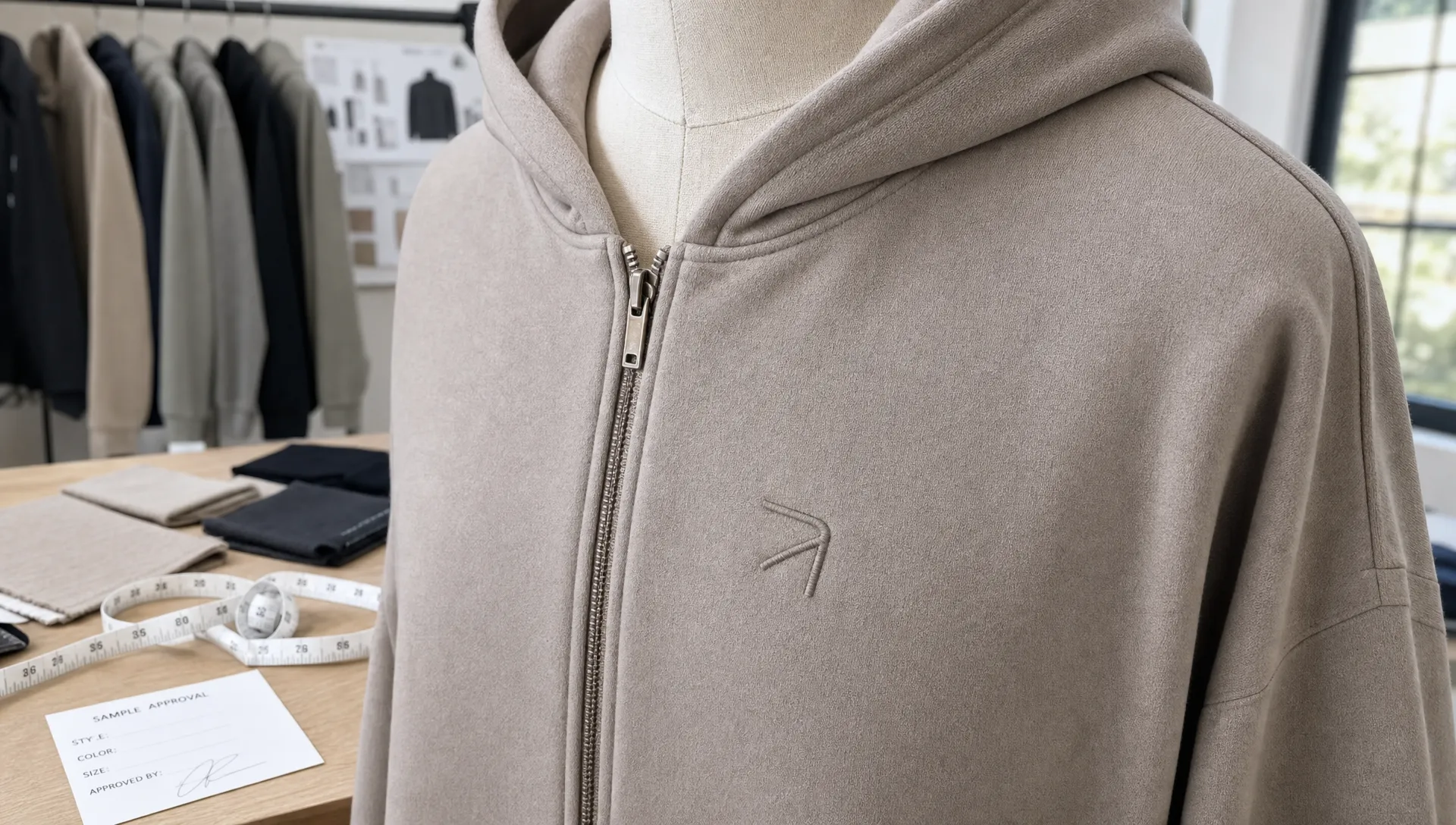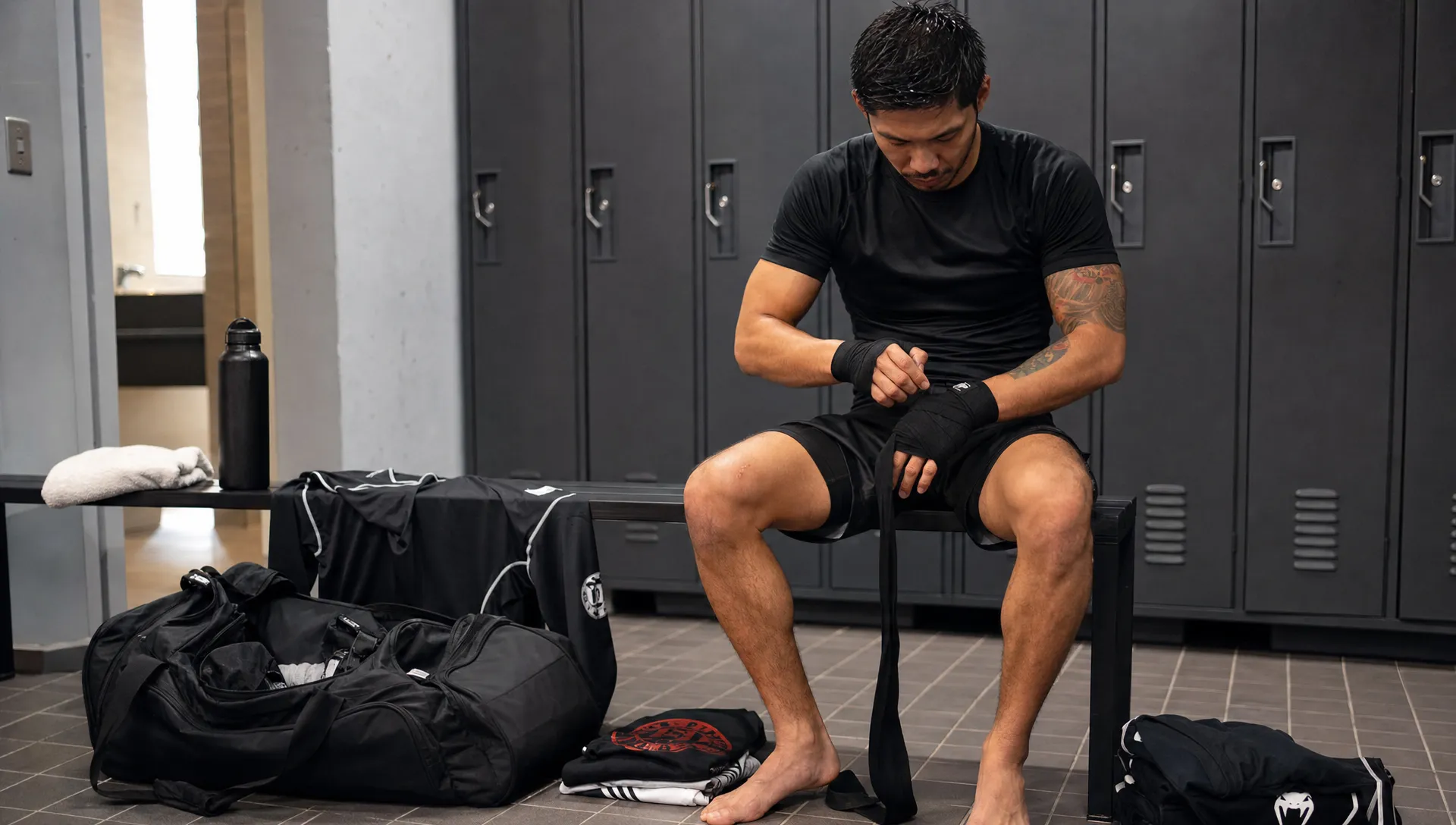
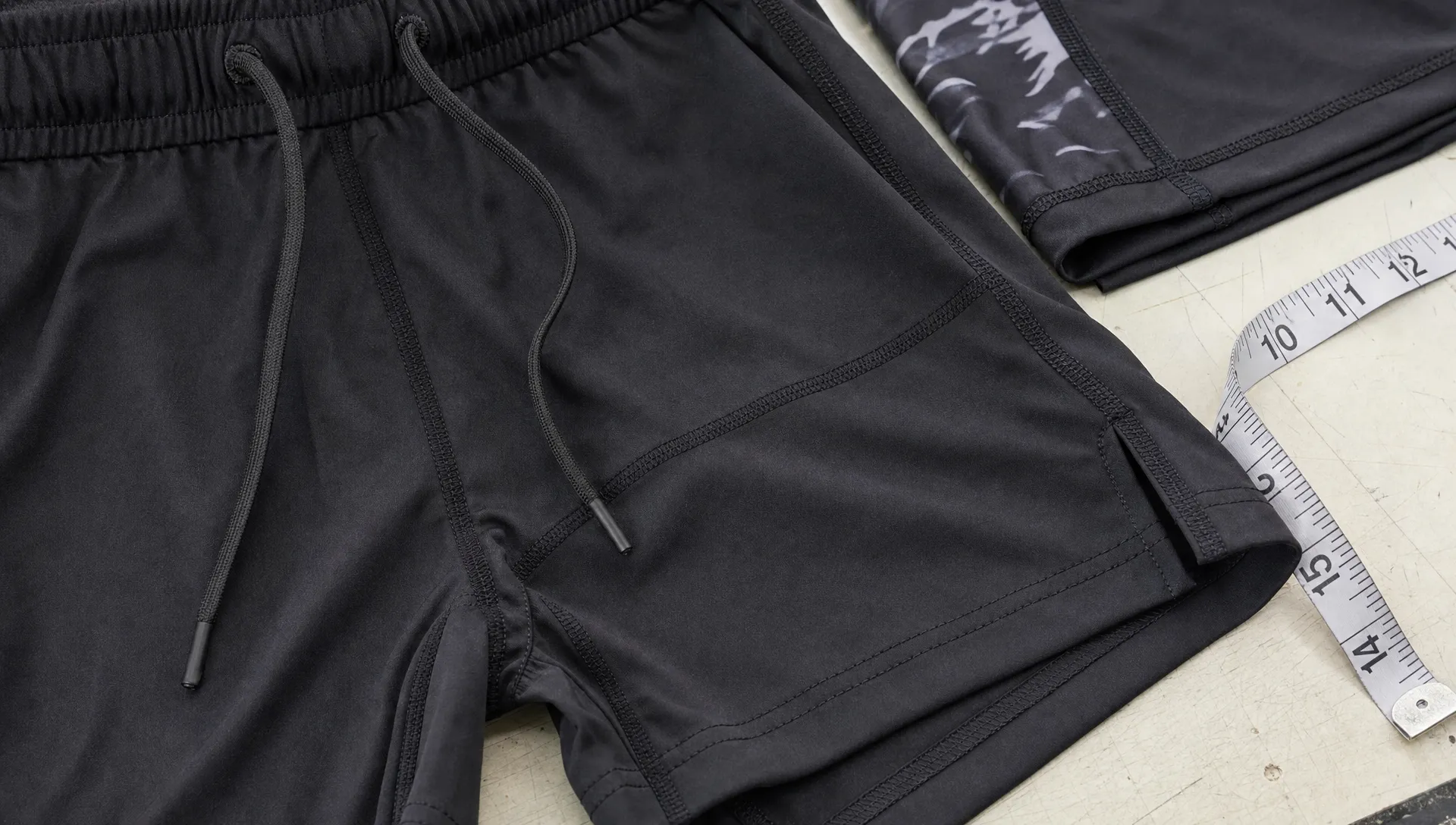
For brands, gyms and distributors, clothing for sports has to do more than look athletic on a product page. It must handle sweat, stretch, abrasion, repeated washing and different movement patterns without losing shape or brand appeal. A pair of shorts that works for conditioning may fail during grappling. A training top that feels great in a showroom may become heavy in a humid gym. Multi-activity performance starts with design decisions made before sampling.
The opportunity is clear: customers increasingly want fewer pieces that can move from class to lifting, sparring, travel and casual wear. For private label sportswear brands, that means building versatile products without making them generic. The goal is not one garment for every sport. It is a smart core range that performs across the activities your customers actually do.
What Multi-Activity Clothing for Sports Needs to Do
Multi-activity clothing for sports needs a clear performance brief. Before choosing colors, trims or logos, define the conditions the garment will face. Will it be used for MMA drills, boxing, BJJ warmups, gym training, yoga, coaching, team travel or retail merchandise? Each use case places different stress on the fabric and construction.
A strong brief connects activity to product function. For example, a rash guard for no-gi training must resist mat friction and stay close to the body. A team hoodie must prioritize comfort, print durability and repeat washing. Compression shorts need recovery stretch and a secure waistband. When you understand the activity mix, you can avoid overbuilding lightweight garments or underbuilding high-stress pieces.
| Activity or use case | Main performance demand | Design priority |
|---|---|---|
| MMA and no-gi grappling | Friction, pulling and sweat | Stretch recovery, flat seams, secure fit |
| Boxing and striking | Rotation, heat and fast footwork | Breathable fabric, light tops, flexible waistbands |
| Strength training | Squats, hinging and repeated load | Durable seams, opacity, shape retention |
| Mobility and yoga | Deep stretch and close contact | Soft hand feel, four-way stretch, coverage |
| Team travel and retail | Comfort, washing and brand visibility | Easy care fabric, consistent sizing, clean branding |
Start With Fabric, Not Just Style
In multi-use clothing for sports, fabric choice determines whether a product feels reliable after the first few sessions. A fabric can look premium in photos yet perform poorly once exposed to sweat, friction and commercial washing. For athletic collections, evaluate the textile by measurable properties rather than hand feel alone.
Useful specifications include fabric weight, stretch percentage, recovery, pilling resistance, colorfastness, shrinkage and opacity. Polyester blends often support moisture management and sublimation printing. Nylon blends can provide a smoother hand feel and strong abrasion resistance. Spandex or elastane adds stretch, but too much can affect heat retention and long-term recovery if the fabric structure is not balanced.
If your product is aimed at high-sweat training, fabric selection deserves extra attention. Arus Sportswear has a deeper guide on how to select fabric for athletic wear in high-sweat training, which is especially relevant for fightwear, rash guards and gym apparel.
For objective evaluation, brands can also reference recognized textile testing bodies such as AATCC for methods related to colorfastness, dimensional change and performance testing. You do not need to run every test for every style, but you should know which tests matter for your product category.
Fit Must Match the Movement Pattern
For private label clothing for sports, fit is where many otherwise good products fall short. Athletic apparel is not only graded for body measurements. It must be shaped around movement. A T-shirt that fits well when standing can pull across the shoulders during punches. Shorts that look clean at rest can ride up during sprawls, lunges or guard passing.
Start by mapping the main movements for each garment. Tops may need room across the lats, shoulders and chest without excess fabric at the waist. Shorts require a secure waistband, gusseted crotch or stretch panels when the sport includes kicks, squats or grappling. Leggings and compression pieces need coverage through deep flexion, not just a flattering fit in a mirror.
Fit also changes by market. A size run for the United States and Canada may need different grading assumptions than a line aimed primarily at Japan or parts of Europe. Australia and Thailand introduce climate considerations, especially for lightweight training pieces. These differences are not reasons to create endless variations, but they should influence sample reviews and size testing.
Construction Details Decide Durability
The most versatile products usually look simple, but they are rarely built casually. Seam placement, stitching type, waistband construction, hems, labels and trims all affect how the garment performs over time. In combat sports, bad construction becomes obvious quickly because athletes pull, twist and sweat through each session.
Flatlock seams can reduce bulk and irritation on rash guards or compression pieces. Reinforced stress points help shorts and uniforms survive aggressive movement. Soft neck labels or heat transfers can improve comfort, but they must remain readable after washing. Zippers, drawcords and velcro should be chosen with the sport in mind, especially when contact with mats or training partners is likely.
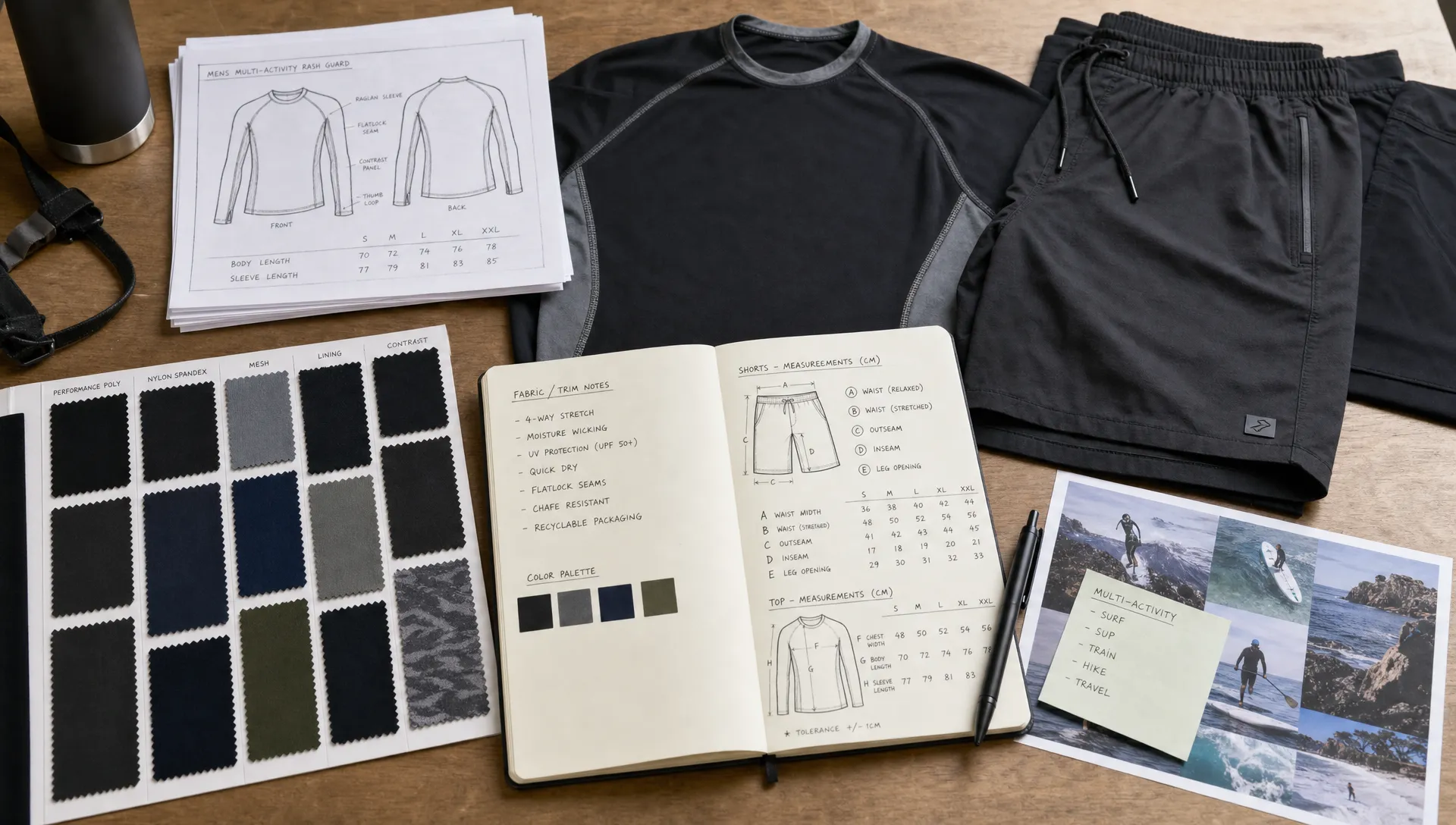
A good supplier producing clothing for sports across activities should help you think through construction before bulk production. The question is not only whether a sample looks correct. It is whether the style can be repeated consistently across sizes, colorways and production runs.
Build a Core Range Before Adding Too Many Styles
A versatile collection does not need to start with twenty pieces. In fact, too many styles can weaken quality control, increase sampling costs and confuse buyers. A focused core range lets you test demand, refine sizing and build a recognizable brand language.
For many sportswear or fightwear brands, a practical starting point includes a performance top, a training short, a compression layer, a warmup piece and one lifestyle item for travel or retail. Combat sports brands may also include rash guards, fight shorts, BJJ gis or boxing apparel depending on their audience. Each style should have a clear role rather than existing only to fill a catalog.
This is where collection planning matters. If you are still defining your assortment, the guide on how to build a sportswear collection customers actually want can help you connect product decisions to real buyer needs.
Branding Should Support Performance, Not Fight It
Custom branding can make clothing for sports more memorable, but placement and technique affect performance. Large prints may restrict stretch if the wrong method is used. Heavy embroidery can irritate the skin on close-contact garments. Poorly placed logos can crack, peel or distort across high-stretch zones.
Sublimation works well for many polyester-based fightwear styles because the artwork becomes part of the fabric surface. Screen printing, heat transfer, embroidery, woven patches and silicone labels each have their place, but they should be matched to fabric type, stretch level and end use. A logo on a hoodie has different demands than a logo across a compression panel.
Brand consistency also matters across categories. Your rash guards, shorts, hoodies and team uniforms should feel connected even if they use different fabrics. Repeating color systems, trim details, typography or panel shapes can create a unified identity without overdecorating every piece.
Test Samples Like an Athlete, Not Like a Buyer
Sample review should go beyond checking measurements on a table. Put the garment through the movements it was designed for. Wash it. Dry it according to the care label. Stretch it repeatedly. Check whether the waistband rolls, whether seams rub and whether the fabric becomes transparent under tension.
For clothing for sports that will be sold in multiple markets, test across body types and training environments. A rash guard worn in a cool German gym may feel different during humid training in Thailand. A travel set that works for a team in Canada may need lighter fabric for Australia. Sampling cannot predict every condition, but it can reveal the most expensive mistakes before production.
A simple sample evaluation sheet can track the essentials:
- Fit at rest and during movement
- Stretch, recovery and coverage
- Seam comfort and irritation points
- Color change after washing
- Print, logo and trim durability
- Feedback from athletes, coaches or retail buyers
If durability is your main concern, review Arus Sportswear's guidance on how to source performance apparel that holds up before locking your production specifications.
Plan for Regional Sales and Bulk Production
When you plan clothing for sports for multiple climates and customer groups, production planning becomes part of product quality. The same design may need different fabric weights, sleeve lengths or layering options for different regions. Hot climates often favor lighter fabrics, breathable panels and fast drying performance. Colder markets may require warmup layers, heavier knits and better compatibility with outerwear.
Labels and packaging should also be reviewed for each destination. Fiber content, care instructions, country of origin information and sizing presentation may need adjustment depending on where the product is sold. This is especially relevant for brands selling across the USA, Canada, Europe, Australia, Japan and other international markets.
Bulk production adds another layer of discipline. Before ordering at scale, confirm approved samples, size specs, artwork files, color standards, packaging requirements and inspection criteria. Clear documentation helps protect consistency when producing multiple styles or repeat orders.
Choosing the Right Manufacturing Partner
The right manufacturer should understand both apparel production and the demands of athletic use. For sportswear and combat sports brands, that means experience with stretch fabrics, sublimation, reinforced construction, uniforms, private label programs and OEM production. Low minimum orders can help emerging brands test the market, but quality control should remain the priority.
Arus Sportswear manufactures custom MMA and martial arts apparel for brands, gyms and distributors worldwide, including private label and OEM fightwear, BJJ gis, boxing apparel, karate uniforms and broader sportswear. If your goal is a versatile line, the best starting point is a clear product brief that explains your activities, target market, branding needs, order expectations and performance priorities.
Frequently Asked Questions
What makes clothing for sports suitable for multiple activities? It needs fabric with the right balance of stretch, breathability, recovery and durability, plus fit and construction that support the movements your customers perform most often.
Can one garment work for MMA, gym training and casual wear? Some pieces can cross over well, especially shorts, compression tops, hoodies and training tees. However, high-contact activities like grappling usually need more specialized construction than casual sportswear.
Which fabric is best for multi-activity sportswear? There is no single best fabric. Polyester-spandex and nylon-spandex blends are common for performance pieces, while cotton blends may work better for lifestyle or warmup items.
How many styles should a new sportswear brand launch with? A focused capsule is usually easier to control than a large first collection. Start with core products that match your customers' main activities, then expand once you have fit, fabric and demand feedback.
Do private label brands need custom testing before bulk orders? Yes. At minimum, samples should be reviewed for fit, movement, washing, color stability, seam comfort and logo durability before full production begins.
Build Versatile Sportswear With a Clear Production Plan
Strong multi-activity apparel comes from practical decisions: the right fabric, movement-based fit, durable construction, smart branding and reliable production checks. If you are developing custom fightwear, sportswear or team apparel, Arus Sportswear can support private label and OEM manufacturing with custom designs, branding options, bulk order support, low minimum orders and worldwide shipping.