A sportswear collection does not succeed because it has the most products. It succeeds because the right people see it and think, this was made for how I train, compete, and live.
For combat sports brands, gyms, and distributors, that distinction matters. MMA athletes, BJJ practitioners, boxers, and martial arts students are not buying generic clothing. They are buying fit, function, durability, identity, and trust. A rash guard that rides up, fight shorts that restrict movement, or a uniform that loses shape after a few washes can damage a brand faster than a weak logo ever could.
Building a sportswear collection customers actually want means making fewer assumptions and better decisions. It means starting with demand, designing around real use cases, validating before scaling, and working with manufacturing partners early enough to avoid expensive mistakes.
Start with the customer, not the product idea
Many new brands begin with a design concept: a logo, a color palette, or a product they personally like. That can be useful, but it is not enough. A strong collection starts with a clear customer profile.
Ask who the collection is for in practical terms. Is it for competitive MMA fighters who need performance fightwear? Is it for gym members who want branded training gear? Is it for BJJ athletes who care about durability and federation-compliant uniforms? Is it for casual fans who want lifestyle apparel connected to a combat sports culture?
Those customers may overlap, but they do not all buy for the same reason. A fighter may prioritize mobility and fabric strength. A gym owner may prioritize consistent sizing, repeat orders, and branding. A distributor may care about margin, reliability, and product breadth. If you try to satisfy all of them in one first drop, the collection can become too broad and unclear.
Before designing, collect demand signals from places where your customers already speak honestly:
- Reviews on competing products, especially complaints about fit, stitching, fading, or sizing
- Conversations with coaches, athletes, gym owners, and team buyers
- Social media comments, polls, and direct messages from your target audience
- Your own previous sales data, if you have launched apparel before
- Preorder interest, waitlists, or sample feedback from a small group of real users
The goal is not to copy what already exists. The goal is to understand what customers repeatedly ask for, what frustrates them, and what they are willing to pay for.
Define the role of your collection
A sportswear collection should have a clear job. Without that, every product decision becomes subjective.
For example, a gym might need a branded training range that builds community and looks consistent across classes. A startup fightwear brand might need a focused launch that proves demand before investing in a wider line. A distributor might need reliable core products that can be reordered season after season.
Use a simple strategy framework before choosing products, fabrics, or colors.
| Decision | What to clarify | Why it matters |
|---|---|---|
| Target customer | Athlete, gym member, team buyer, fan, or retailer | Keeps product choices focused |
| Main use case | Training, competition, lifestyle, teamwear, or resale | Guides fabric, fit, and durability needs |
| Hero product | The product most likely to define the collection | Gives the launch a clear focal point |
| Supporting products | Items that complete the outfit or increase order value | Prevents random SKU expansion |
| Price position | Entry, mid-range, premium, or team bulk | Influences materials, packaging, and margin |
| Brand codes | Colors, graphics, logo placement, and tone | Makes the collection recognizable |
This exercise can feel basic, but it prevents one of the biggest collection planning mistakes: adding products just because they look good in a catalog. Customers respond to collections that feel intentional.
Build around hero products first
The strongest first collections usually have a clear center. That center is the hero product, the item that best represents your brand promise.
For an MMA apparel brand, that might be fight shorts or rash guards. For a BJJ brand, it might be a gi or no-gi set. For a boxing brand, it could be training shorts, robes, or gym apparel. For a martial arts academy, it may be uniforms and branded teamwear.
A hero product does three important things. It gives customers something memorable to associate with the brand. It helps your marketing stay focused. It also makes manufacturing and inventory planning easier because you are not trying to perfect ten unrelated items at once.
From there, add supporting pieces that make sense around the same customer and use case. A no-gi training capsule might include rash guards, grappling shorts, compression spats, and a training tee. A gym retail collection might include hoodies, tees, shorts, and a branded uniform option. A fight night collection might focus on walkout apparel, fight shorts, and corner team gear.
The key is cohesion. A customer should be able to understand the collection in seconds.
Design for identity and repeat wear
Sportswear is both functional and emotional. Customers want gear that performs, but they also want to feel connected to what it represents. This is especially true in martial arts, where apparel often signals discipline, team belonging, rank, lifestyle, and personal identity.
Your collection should answer two questions: why would someone wear this during training, and why would they be proud to wear it outside the gym?
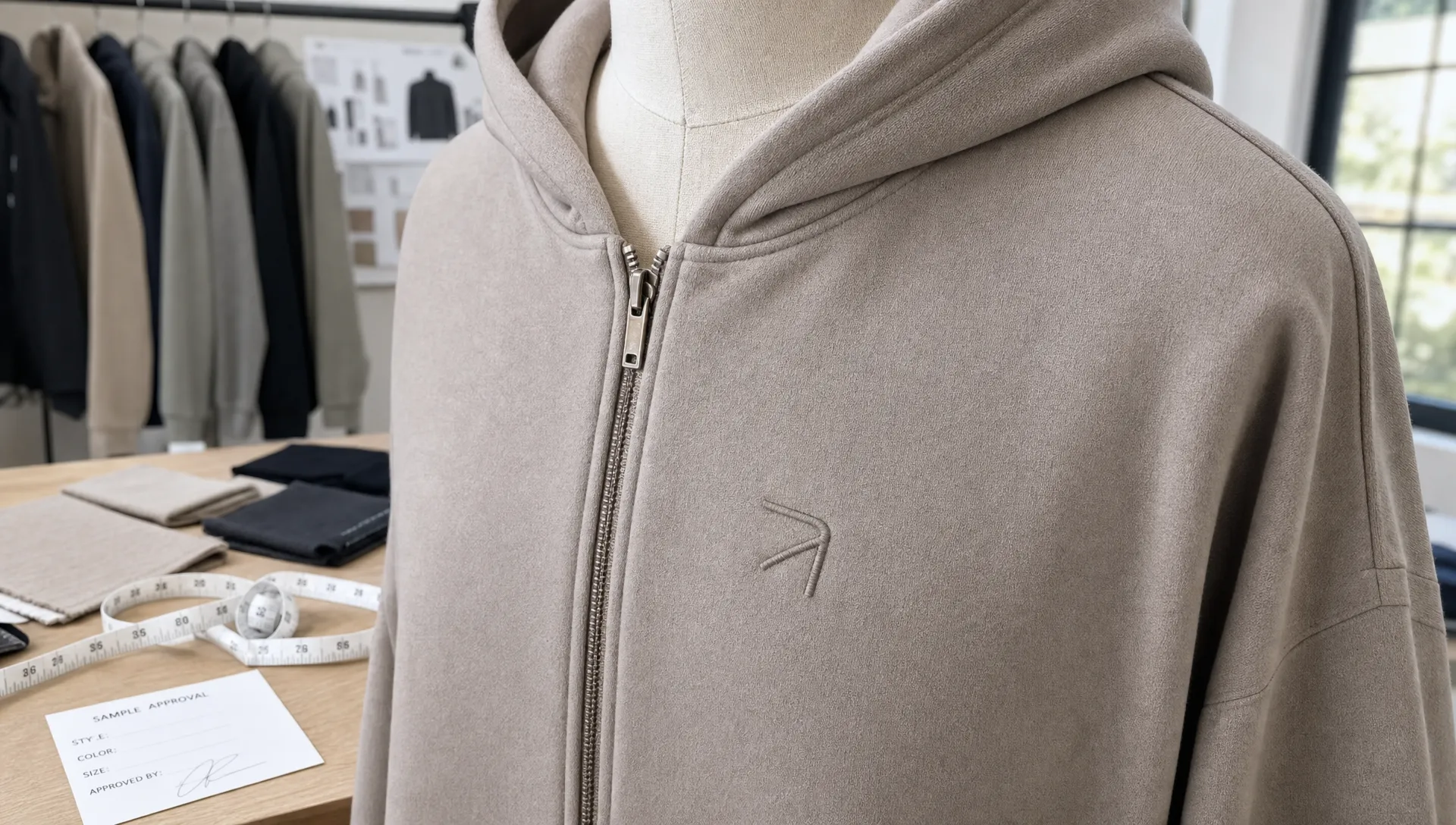
That does not mean every item needs loud graphics. In fact, many successful collections balance statement pieces with cleaner essentials. A bold rash guard can sit alongside a simple black training short. A premium hoodie can carry subtle embroidery while a competition uniform uses more restrained branding.
Custom branding is where many sportswear brands can create separation. Strategic logo placement, signature colors, unique trims, contrast stitching, woven labels, patches, and custom prints all help create a recognizable look. If you want a deeper look at the branding side, this guide on how custom apparel helps sports brands stand out explains why design consistency matters for recognition and loyalty.
A useful test is to remove the logo from your product mockups. Would the collection still feel like it belongs to the same brand? If the answer is no, your visual system may need more work.
Validate fit, fabric, and performance before going wide
A sportswear collection can have strong branding and still fail if the product experience disappoints. Customers may buy once because of design, but they reorder because of fit, comfort, and durability.
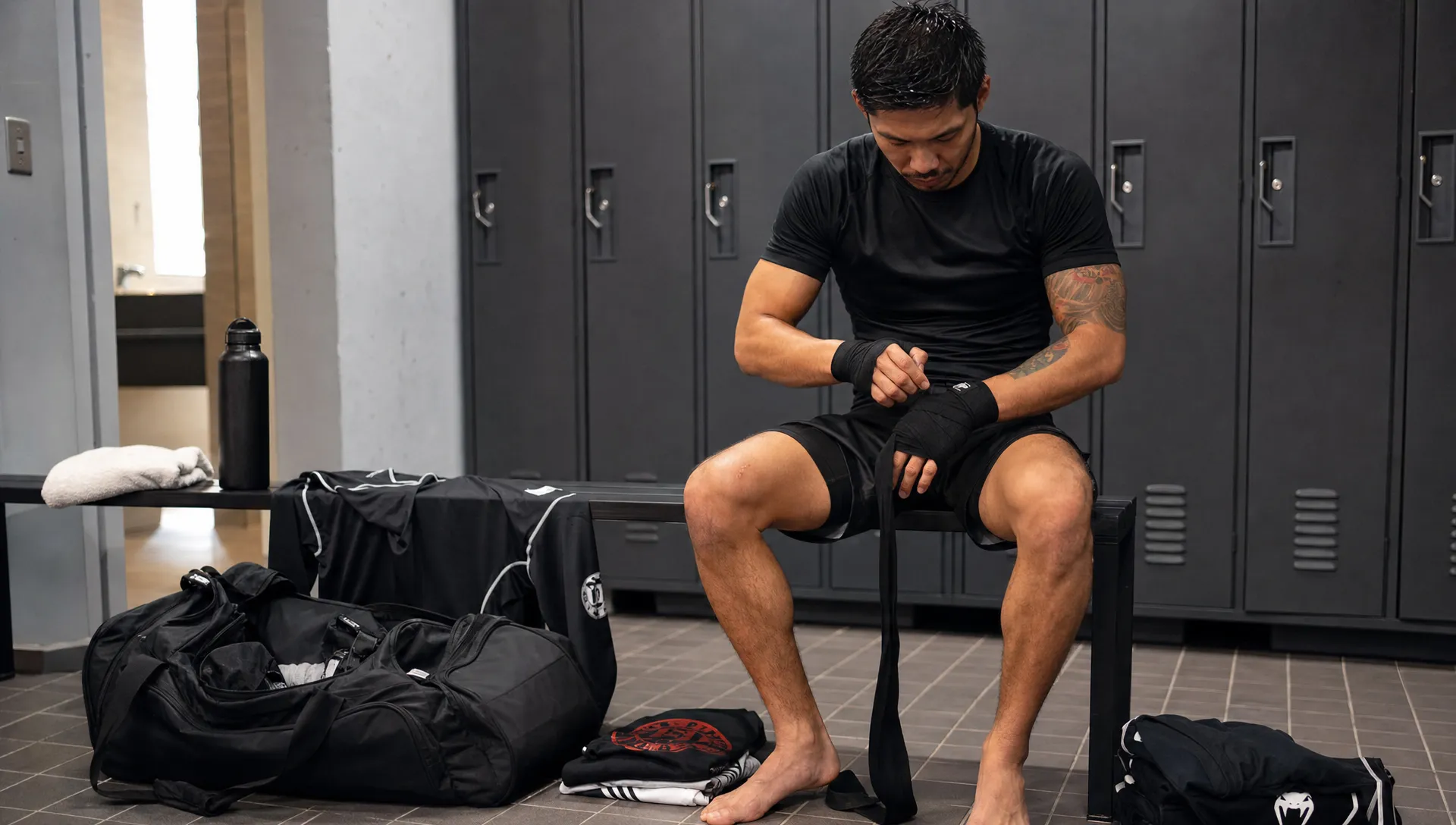
In combat sports, fit is not just aesthetic. Rash guards need to stay in place during grappling. Fight shorts need stretch and secure closure. Gis and uniforms need the right balance of structure, comfort, and strength. Boxing apparel needs to move well through footwork, bag work, and sparring. Even lifestyle pieces need to feel good after repeated washing and wear.
Before scaling production, validate the practical details:
- Size grading across your target customer base
- Fabric feel, weight, stretch, breathability, and recovery
- Seams, stitching, panels, closures, cuffs, and waistbands
- Print, sublimation, embroidery, or patch durability
- Wash performance, color retention, and shrinkage behavior
- Athlete feedback during real training, not only during a photoshoot
This is where sampling matters. A sample is not just a preview. It is a testing tool. Have people move in it, sweat in it, wash it, and compare it against products they already trust.
Plan the collection architecture
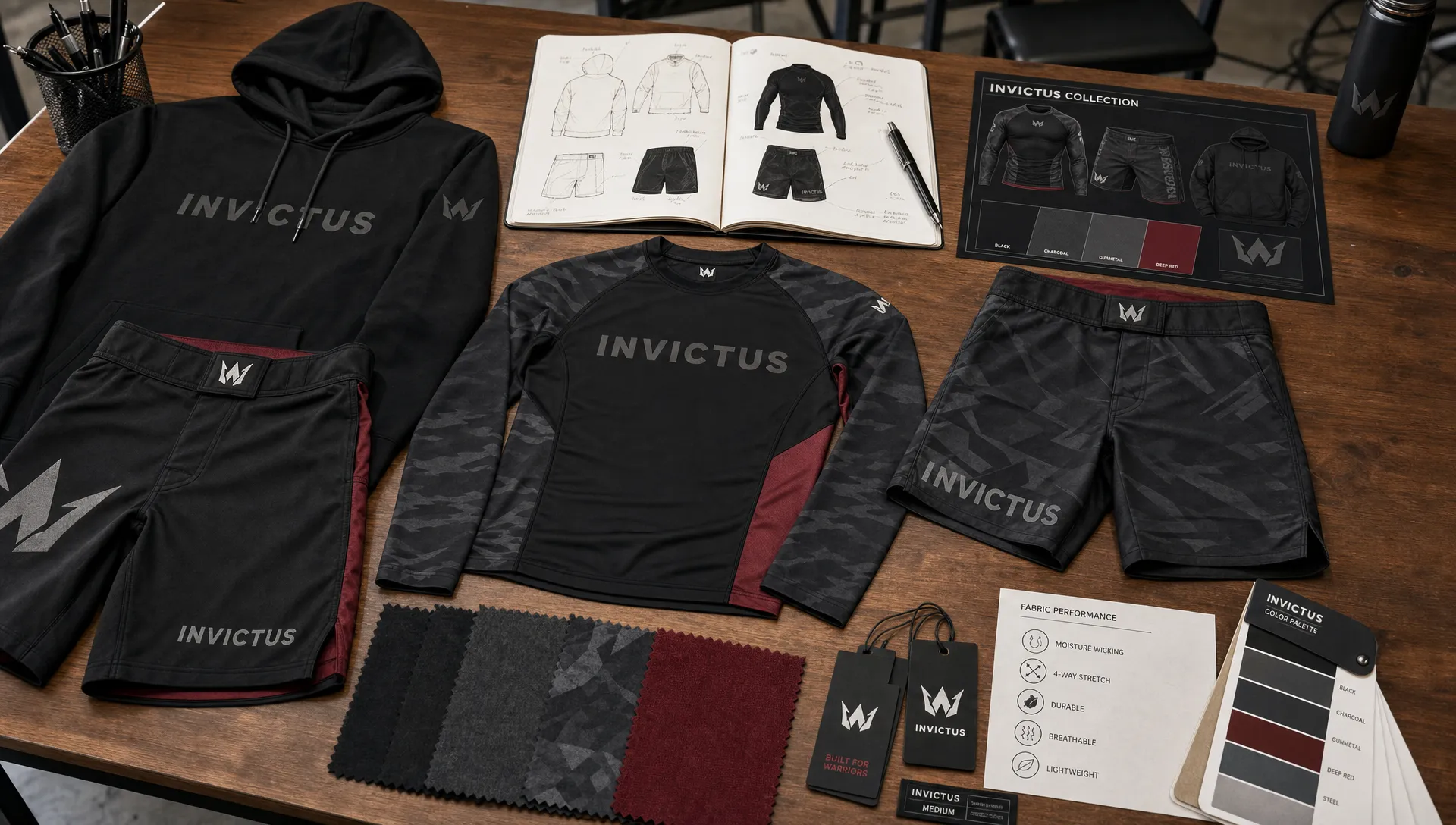
Once you know the target customer and hero product, organize the full collection into clear layers. This helps customers shop and helps your business control inventory.
A balanced collection usually includes a mix of core products, seasonal or limited items, and add-ons. Core products create consistency and repeat orders. Seasonal items create freshness. Add-ons increase basket size and make the collection feel complete.
| Collection layer | Purpose | Examples for combat sports brands |
|---|---|---|
| Core essentials | Products customers can reorder regularly | Black fight shorts, standard rash guards, gym tees, basic hoodies |
| Performance range | Technical products linked to training or competition | Grappling shorts, compression gear, BJJ gis, boxing apparel |
| Team or gym gear | Branded products for academies and clubs | Uniforms, coach shirts, member tees, warm-up apparel |
| Limited drops | Creates urgency and brand excitement | Special colorways, event capsules, athlete collaborations |
| Accessories or add-ons | Completes the order and supports merchandising | Patches, bags, caps, wraps, or small branded items |
You do not need every layer in your first launch. In fact, a smaller collection is often easier to explain and sell. The architecture simply helps you avoid a scattered product range.
Price the collection from the business model backward
Customers need to see value, but your business also needs enough margin to survive. Pricing should not be an afterthought added after samples arrive.
Start by understanding your full landed cost. That includes production, materials, customization, labels, packaging, freight, duties where applicable, payment fees, marketing, returns, and wholesale margin if you sell to retailers or gyms.
Then compare that cost against your intended price position. A premium product needs premium proof: better materials, stronger construction, sharper branding, a more refined fit, or a specific performance benefit. A more accessible product needs tight cost control and a clear reason for customers to choose it over generic alternatives.
For gyms and distributors, bulk ordering changes the equation. You may need pricing tiers, repeat order planning, or a smaller number of designs that can be produced consistently. For direct-to-consumer brands, you may need stronger storytelling, product photography, and launch campaigns to justify the price.
The main rule is simple: do not design a collection you cannot profitably reorder.
Work with manufacturing before everything is finalized
Some brands wait until every design is complete before contacting a manufacturer. That can lead to problems. Certain fabrics, construction choices, print placements, trims, or packaging ideas may affect cost, timelines, minimum order quantities, and production feasibility.
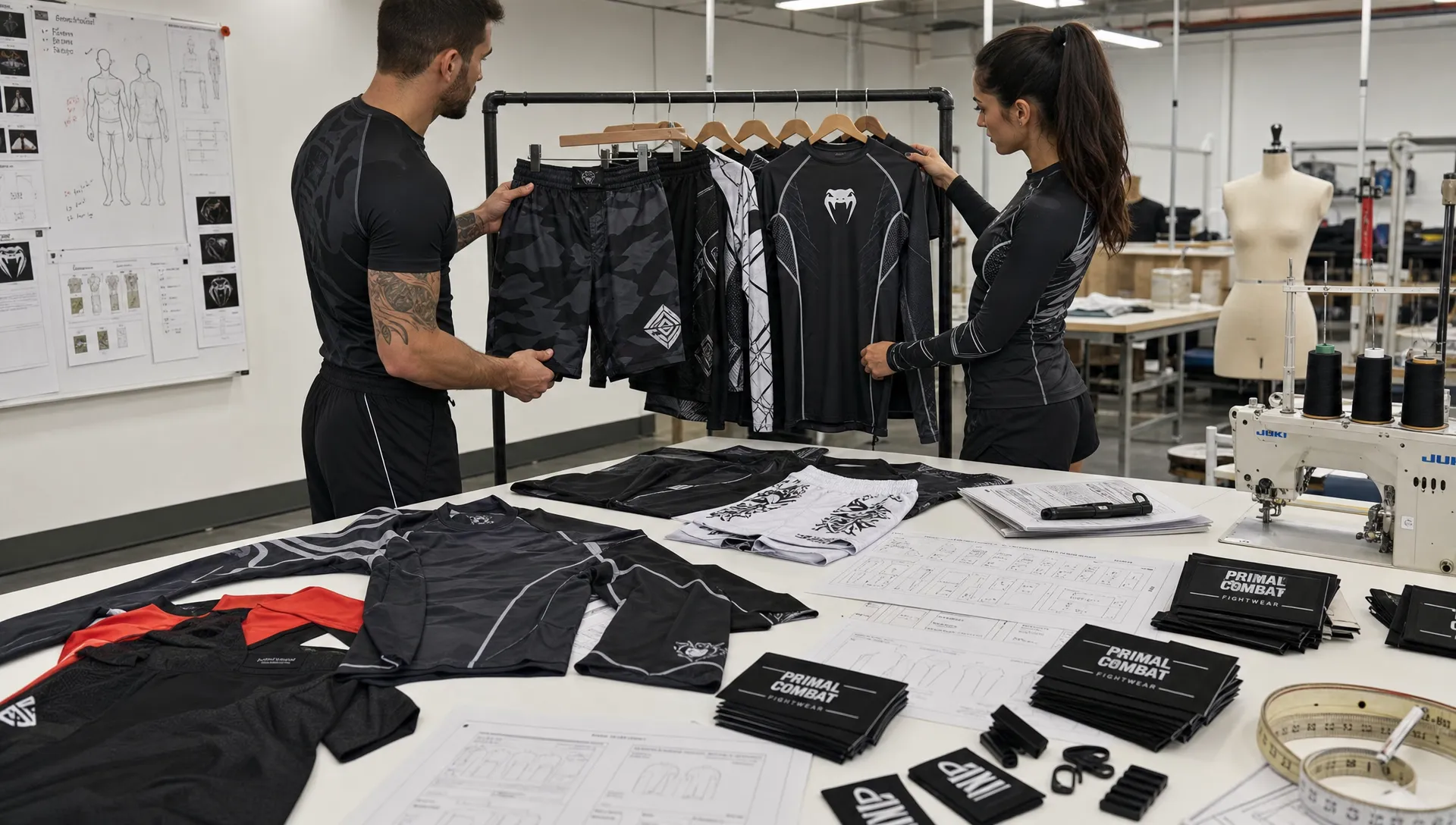
A better approach is to involve manufacturing early, once you have a clear concept and target product list. The right partner can help you translate ideas into workable specifications without stripping away the brand identity.
Prepare the basics before starting serious production conversations:
- Product types and quantities you are considering
- Reference images or sample garments for fit and construction direction
- Logos, artwork, color codes, and branding requirements
- Size range and target customer information
- Fabric preferences or performance requirements
- Packaging, labels, and private label needs
- Target launch date and shipping destination
If you are choosing between suppliers, pay close attention to category experience. A general apparel factory may not understand the stress points of grappling shorts, the expectations for rash guards, or the construction needs of martial arts uniforms. This is why it helps to review how to choose the right martial arts clothing manufacturer before committing to production.
Test demand before committing to a large rollout
Validation does not end with samples. You also need to test whether the market wants the collection enough to buy it.
Preorders, small batch launches, gym pilots, athlete seeding, email waitlists, and wholesale previews can all give useful signals. The best method depends on your business model. A gym may test apparel with members before placing a larger reorder. A new brand may release a limited capsule to measure sell-through. A distributor may show samples to key retail buyers before expanding colors or sizes.
Look for behavior, not just compliments. People may say they like a design, but demand is clearer when they join a waitlist, place a deposit, preorder, ask about sizing, or request a restock.
| Signal | What it may tell you | How to respond |
|---|---|---|
| High waitlist interest | The concept is resonating | Prioritize launch content and inventory planning |
| Strong sample feedback but low preorder intent | Product is liked but price or offer may be unclear | Revisit pricing, positioning, or messaging |
| Repeated sizing questions | Fit information is not clear enough | Improve size charts and product descriptions |
| One color gets most interest | Customers prefer a specific visual direction | Use it as the lead colorway |
| Fast sell-through in limited sizes | Demand exists, but size curve may need adjustment | Reorder with better size distribution |
Testing reduces risk, but it should not become an excuse to never launch. At some point, real sales data is the best teacher.
Launch with a story, not just product pages
Customers are more likely to buy when they understand the collection. Do not simply upload products and expect the design to do all the work.
Tell the story behind the drop. Explain who it is for, what problem it solves, how it fits, and how the pieces work together. For performance products, show movement. For teamwear, show community. For lifestyle apparel, show how it fits into daily life around training.
Your launch content should make the buying decision easier. Include clear size guidance, close-up detail photos, fabric notes, care instructions, shipping information, and return policies. If the collection is for athletes, show the gear in training contexts. If it is for gyms or wholesale buyers, show consistency across multiple items and explain customization options clearly.
A simple launch sequence often works well: tease the concept, reveal the hero product, show fit and details, open early access, launch the collection, then follow up with restock or limited availability messaging. The goal is to build confidence before asking for the sale.
Measure what customers do after launch
The first launch is not the final version of your brand. It is the first data set.
Track which products sell first, which sizes move fastest, which items get returned, and what customers ask before buying. Read reviews carefully. Watch what people post organically. Pay attention to whether customers come back for a second purchase.
Useful post-launch metrics include:
- Sell-through rate by product, size, and color
- Return reasons and exchange patterns
- Product page conversion rates
- Average order value
- Repeat purchase rate
- Restock requests and waitlist signups
- Customer comments about fit, feel, and durability
This feedback should guide your next collection. Improve the products that almost worked. Reorder the products customers clearly loved. Remove items that confuse the offer or drain inventory budget.
Great sportswear brands are built through disciplined refinement, not one perfect first drop.
Frequently Asked Questions
How many pieces should a sportswear collection start with? A first collection should be focused enough for customers to understand quickly and for the brand to manage well. Many brands are better served by a tight capsule built around one or two hero products than by launching too many SKUs at once.
What makes a sportswear collection successful? A successful sportswear collection combines clear customer demand, strong brand identity, reliable fit, suitable fabrics, practical pricing, and a launch story that explains why the products matter.
Should I use private label or OEM manufacturing for a sportswear collection? Private label can be useful when you want branded products based on existing production capabilities, while OEM manufacturing is better suited for custom specifications and more developed product ideas. The right choice depends on your product goals, customization needs, budget, and timeline.
How do I know if customers actually want my designs? Test demand through sample feedback, preorders, gym pilots, waitlists, social media polls, and conversations with real buyers. Prioritize actions over compliments, such as deposits, email signups, purchase intent, and restock requests.
What should I prepare before contacting a sportswear manufacturer? Prepare your product list, estimated quantities, design references, logo files, color direction, size range, fabric requirements, branding needs, target launch date, and shipping destination. Clear information helps the manufacturer give more accurate guidance.
Build a collection customers are ready to wear
A sportswear collection customers actually want is built from the outside in. Start with the customer, shape the product around real use, validate the details, and scale what the market proves it wants.
For brands, gyms, and distributors planning custom MMA, martial arts, or combat sports apparel, Arus Sportswear supports private label and OEM production with custom designs, branding options, low minimum orders, bulk order support, and worldwide shipping. If you are ready to turn a focused collection idea into production, explore Arus Sportswear and start planning your next drop with a manufacturing partner that understands fightwear and martial arts apparel.