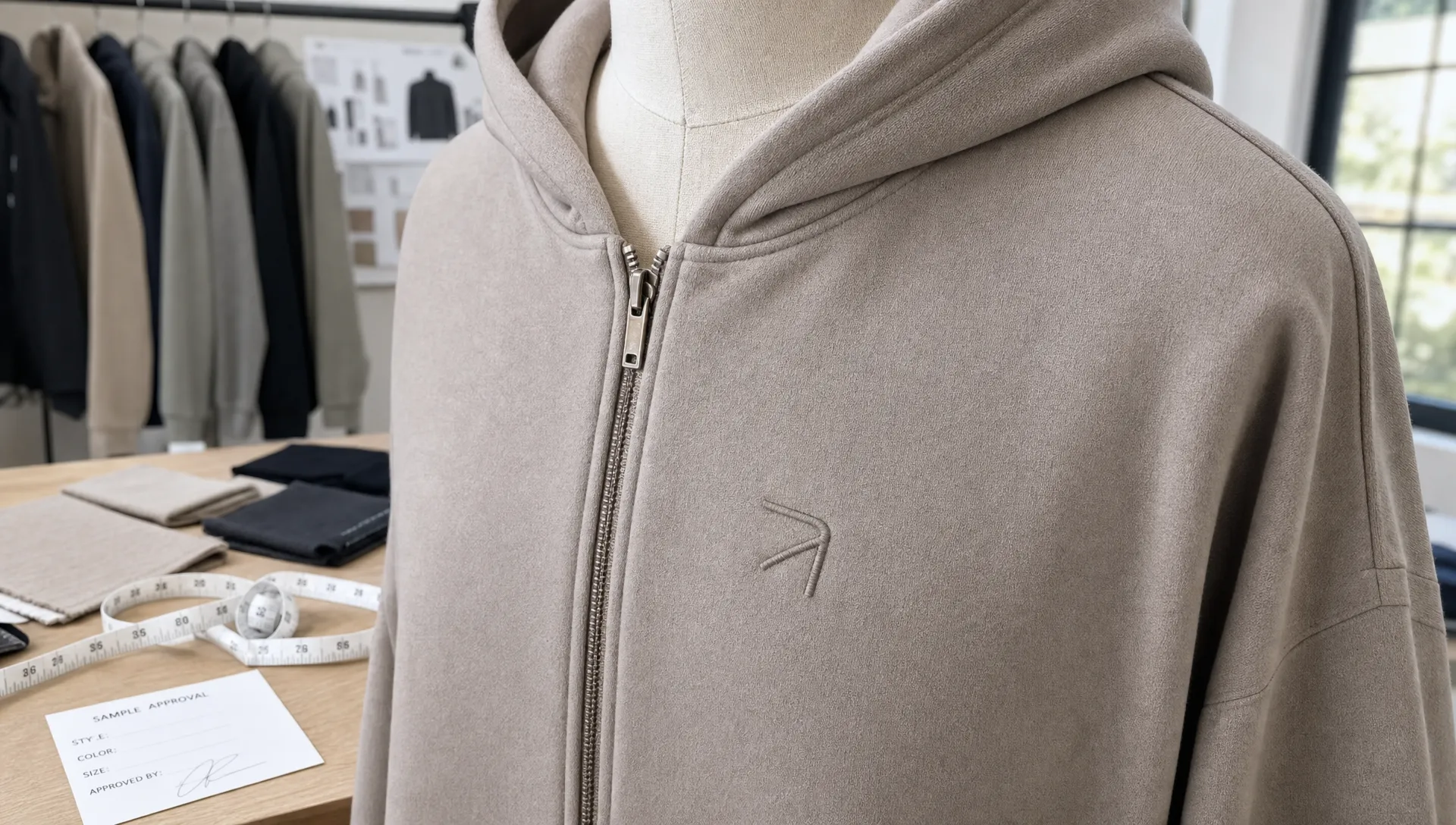
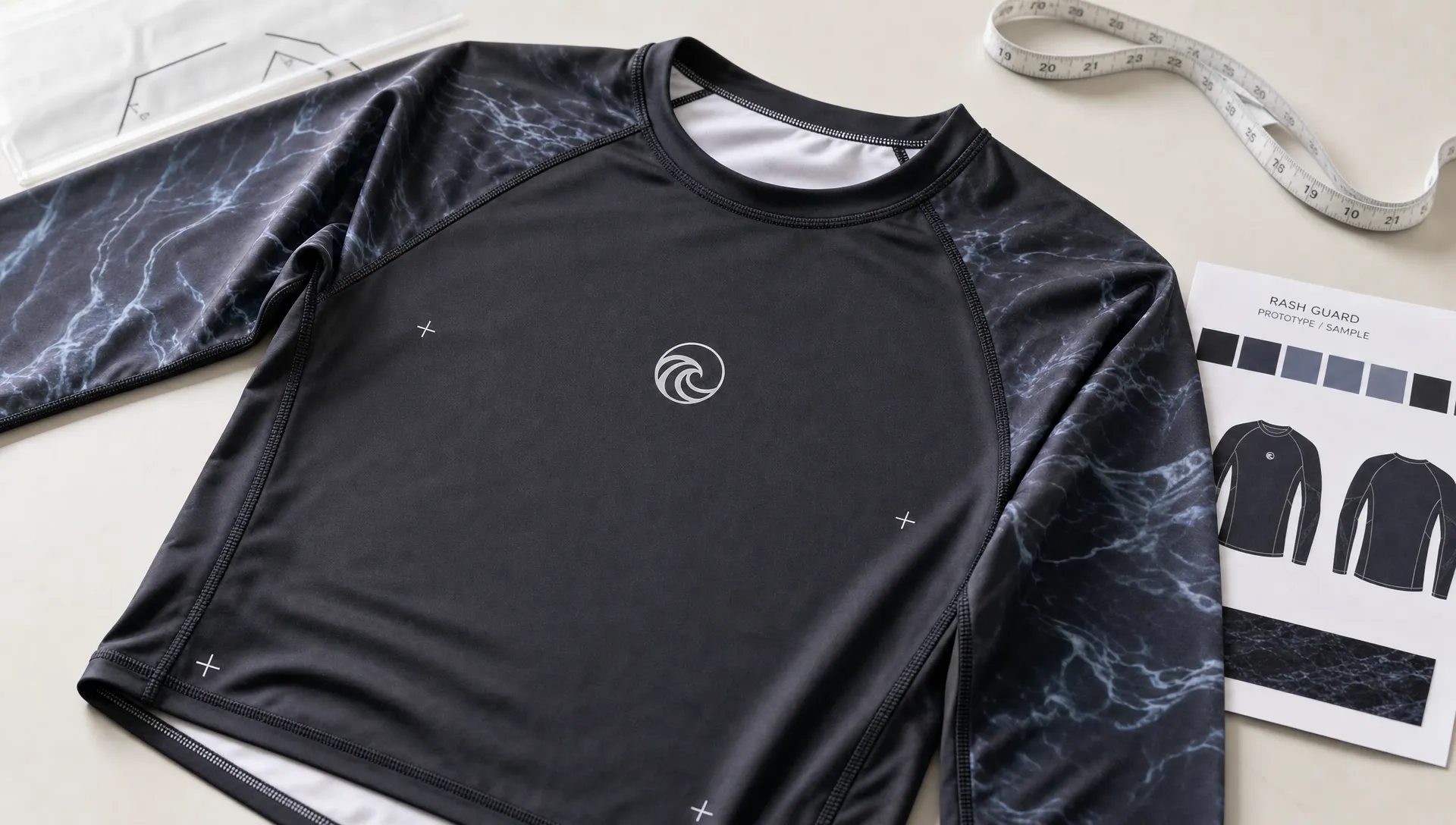
A sketch is a strong starting point, but it is not yet a product. For custom combat sports gear, the real work begins when that idea is translated into materials, measurements, construction details and a physical sample that can be tested under pressure.
That step matters because combat sports apparel is not ordinary activewear. MMA shorts need to stay secure during scrambles. Rash guards must stretch without going sheer or losing print quality. BJJ gis have to balance durability, weight, shrinkage and grip. Boxing apparel needs mobility, sweat control and a polished look under gym lights or on fight night.
The path from sketch to sample is where a brand protects its budget, its launch timeline and its reputation. A good sample process catches problems before bulk production. A weak one turns small design assumptions into expensive reworks.
Start With the Job the Product Must Do
Before you refine the sketch, define the role of the product. A walkout jersey, a gym uniform, a competition rash guard and a retail lifestyle short may all sit under the combat sports category, but they do not need the same fabric, fit or construction.
Start by answering a few practical questions. Who will wear it? Where will they wear it? Will it be used for training, competition, team identity, retail or all of those? Does the product need to follow any league, gym or federation expectations? Is the customer a beginner buying their first set or an experienced athlete who will notice every seam and panel?
This stage also helps you avoid designing too many products at once. For a new brand or gym store, one focused item with strong execution is usually more useful than a scattered first drop. If you are planning a broader line, it helps to think through the collection structure early. Arus Sportswear has a related guide on building a sportswear collection customers actually want that can help you connect product choices to buyer demand.
Turn the Sketch Into a Production Brief
A sketch shows the idea. A production brief explains how that idea should be made.
This is the point where you move from creative direction to manufacturing language. Instead of writing “premium rash guard,” define the sleeve length, collar shape, fabric feel, compression level, print placement and stitching preference. Instead of “black fight shorts with red details,” specify the black shade, red reference, waistband type, closure, inseam, side split depth and logo size.
| Sketch element | What the manufacturer needs to know | Why it affects the sample |
|---|---|---|
| Silhouette | Fit type, length, rise, sleeve or leg shape | Controls movement, comfort and size grading |
| Fabric direction | Stretch, weight, texture, opacity and hand feel | Determines performance, durability and cost |
| Construction | Seam type, waistband, collar, reinforcements and closures | Affects strength, comfort and production complexity |
| Artwork | Vector logos, print scale, color references and placement | Prevents blurry branding, color drift and layout errors |
| Labels and packaging | Neck labels, hangtags, size labels, polybags or barcodes | Supports retail presentation and inventory handling |
| Use case | Training, competition, walkout, team uniform or retail | Guides fit, materials and compliance checks |
If you do not know every technical detail yet, say so. A capable manufacturer can often suggest suitable fabrics or construction options once the purpose, target market and visual direction are clear.
Build a Tech Pack That Removes Guesswork
A tech pack is the main document that connects your design idea to sample production. It does not need to be overloaded, but it should be clear enough that the sample room can make the item without guessing.
For combat sports apparel, a useful tech pack usually includes flat sketches, front and back views, measurements, tolerances, fabric information, color references, artwork files, logo placement, construction notes, trim details and label instructions. For uniforms, it may also include collar shape, reinforcement zones, shrinkage expectations and patch placement.
If you are developing martial arts uniforms, the same discipline applies from first file to final approval. The process is covered in more detail in this guide to OEM martial arts uniforms from tech pack to bulk order.
The most common tech pack problem is not that it is too simple. It is that it is vague in the places that matter. “Athletic fit” can mean different things in the USA, Germany, Japan or Thailand. “Heavy fabric” may mean durability to one buyer and an uncomfortable training experience to another. Numbers, references and sample comments make the process more objective.
Choose Materials Before You Fall in Love With the Look
Combat sports gear is judged in motion. A fabric that looks good on a mockup may not survive grappling, repeated washing or high sweat training.
For rash guards and compression apparel, stretch recovery and opacity are critical. If the fabric loses shape after training or becomes transparent when stretched, the product will not meet customer expectations. For MMA shorts, the fabric must support explosive movement without feeling flimsy. For gis, weight, weave, collar firmness and shrinkage control all affect the final experience.
Decoration choices matter too. Sublimation can work well for all-over artwork on certain synthetic fabrics. Embroidery may feel premium on patches, labels or selected placements, but it can irritate athletes if placed in high-friction areas. Heat transfers can look clean when applied correctly, but they need to be matched to the right fabric and tested for cracking, peeling and wash durability.
A good sample process tests these choices before bulk production. The goal is not only to make the product attractive, but to prove that the design holds up when the athlete trains.
Let the Manufacturer Review Feasibility
Once the brief and tech pack are ready, the manufacturer should review the design for production feasibility. This is where experience in combat sports apparel becomes valuable.
A manufacturer familiar with fightwear can flag issues that may not be visible in a sketch. A seam might sit directly under a high-stress grip point. A waistband might look clean but fail to stay secure during wrestling. A printed logo might cross a panel break in a way that creates alignment problems. A gi patch might sit where it restricts movement or conflicts with competition preferences.
This review should feel collaborative, not defensive. If a supplier only says yes to every idea without asking questions, the sample may reveal problems later. A stronger partner helps refine the design before fabric is cut. For a broader view of what to expect from a supplier, see this article on what a combat sports clothing manufacturer should offer.
What the First Sample Should Prove
The first sample is not just a visual preview. It is a test object.
Depending on the project, the first sample may be a fit sample, a proto sample, a salesman sample or a pre-production sample. Some brands separate these stages. Smaller brands may combine steps to save time and cost. The exact approach depends on product complexity, budget, order size and how much development has already been completed.
A first sample should help you evaluate fit, proportions, fabric feel, artwork placement, stitching quality, trims, label execution and overall product intent. It should also reveal whether the design can be made consistently at scale. If the sample looks good only because one person spent hours fixing it by hand, that is not a reliable production model.
Try not to approve the sample based only on a flat-lay photo. Combat sports gear needs movement testing. Put the shorts through sprawls and kicks. Wear the rash guard under sweat and compression. Roll in the gi. Wash the item. Check whether the collar twists, the seams rub, the waistband slips, the print stretches cleanly and the fabric recovers after use.
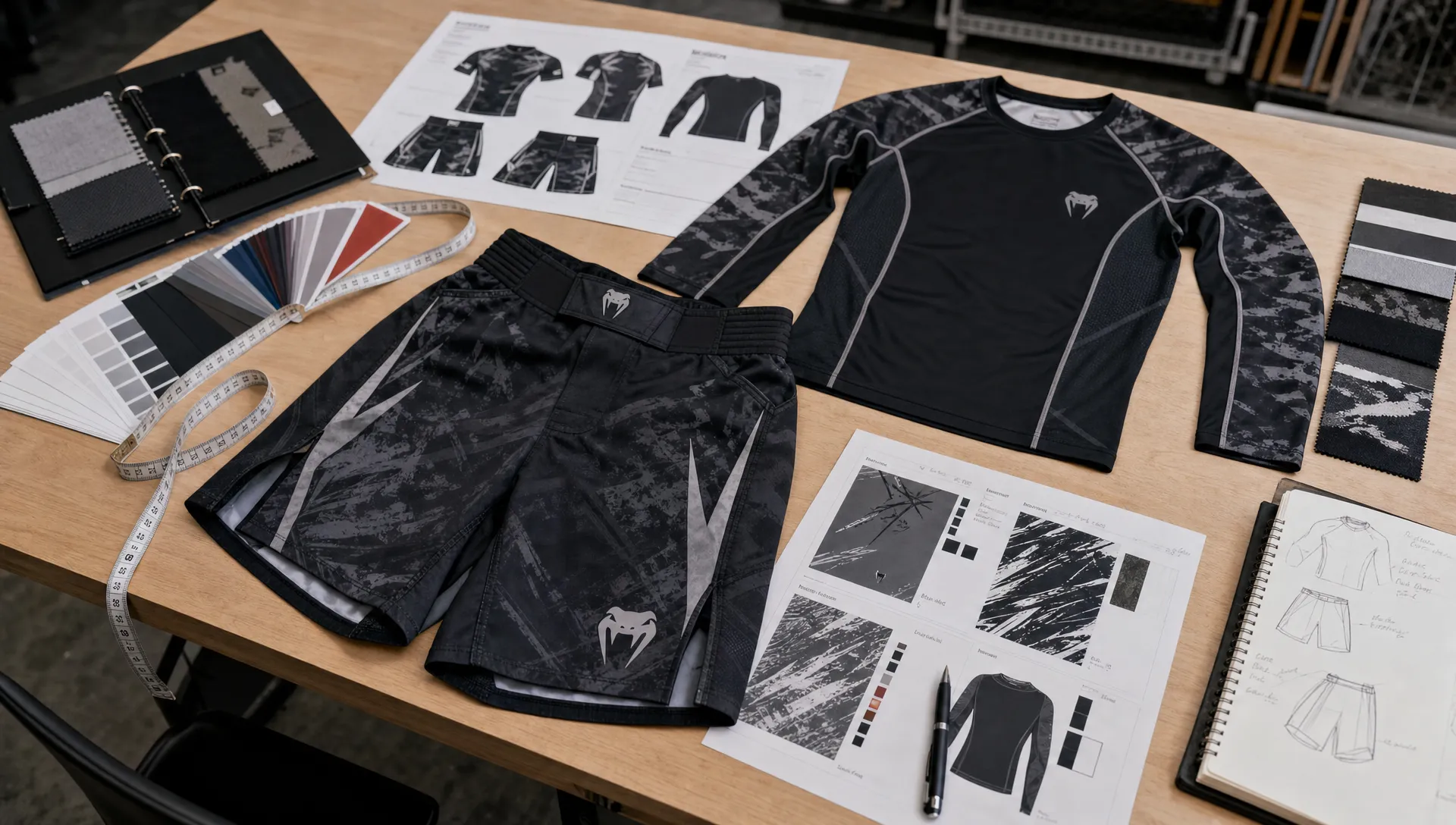
Give Feedback Like a Production Team
Sample feedback is where many projects lose time. Comments such as “make it fit better” or “logo feels too big” are difficult to act on because they do not tell the sample team exactly what to change.
Instead, give feedback with measurements, photos and clear priorities. Mark the sample directly if possible. Use annotated images for logo placement, seam changes and proportion adjustments. If the sleeve needs to be shorter, state how much shorter. If the waistband needs more grip, explain what happened during testing.
Useful feedback usually includes:
- What should stay exactly the same
- What should change and by how much
- Photos showing the issue from more than one angle
- Measurements taken on the physical sample
- Notes from training, washing or wear testing
- A priority level for each change
Keep one master revision document. Scattered feedback across emails, chats and image captions creates confusion. A single change log makes it easier for both the buyer and the manufacturer to confirm what has been revised.
Know the Main Sample Stages
Not every product needs every stage, but understanding the sample ladder helps you plan. A custom rash guard with simple artwork may move faster than a fully custom gi with new fabric, embroidery, patches and multiple size adjustments.
| Stage | Main goal | What you review | Move forward when |
|---|---|---|---|
| Concept sketch | Define the design direction | Style, purpose, audience and rough details | The product idea is clear |
| Tech pack | Convert the idea into instructions | Measurements, materials, artwork and construction | The manufacturer can quote and sample |
| Proto sample | Test the first physical version | Fit, shape, fabric, seams and branding | Major design issues are identified |
| Revised sample | Confirm corrections | Updated measurements, placement and feel | Changes match the feedback |
| Pre-production sample | Lock production standard | Final materials, trims, labels and workmanship | Buyer gives written approval |
| Size set | Check fit across sizes | Grading, proportions and size consistency | The full size range is acceptable |
For bulk production, the approved sample becomes the reference. It should be stored carefully and compared against production goods during quality checks.
Product-Specific Checks for Combat Sports Gear
Each category has its own risks. A sample process for combat sports gear should reflect the way the product will actually be used.
| Product type | Sample checks that matter |
|---|---|
| MMA shorts | Waistband security, closure strength, split depth, stretch panels, inseam length and range of motion |
| Rash guards | Compression level, print stretch, seam comfort, sleeve fit, collar recovery and fabric opacity |
| BJJ gis | Shrinkage, collar firmness, weave feel, reinforcement points, sleeve length, skirt length and patch placement |
| Boxing apparel | Shoulder mobility, waistband comfort, fabric drape, sweat handling and visual impact under lighting |
| Karate uniforms | Traditional cut, stance comfort, sleeve and pant length, fabric snap, belt fit and reinforcement quality |
If the gear will be used for official competition, check the relevant rules before approving the sample. Requirements can affect colors, patch locations, sleeve length, garment fit or branding placement. This is especially important for uniforms and event-specific apparel.
Common Mistakes That Lead to Reworks
Most sample problems are preventable. They usually come from missing details rather than poor ideas.
One common mistake is approving digital mockups without confirming real color standards. Screens vary, and black, navy, red and gold can shift noticeably across materials. Use physical references or recognized color systems when color accuracy matters.
Another mistake is ignoring size grading until late in the process. A medium sample may look right, but the same proportions may not work in XS or 3XL. Combat sports customers often have varied body types, so grading deserves attention.
Brands also run into trouble when they change too many things between sample rounds. If you alter fabric, fit, logo scale and construction all at once, it becomes harder to know which change caused the next issue. Make necessary changes, but keep the revision process controlled.
Before approving any custom uniform or fightwear sample, it is worth reviewing details that often cause avoidable corrections. This checklist of custom sport uniform details that prevent costly reworks is a useful companion before final approval.
How Low MOQ Fits Into the Sample Process
Low minimum orders can be useful for brands testing a new design, launching a gym uniform, entering a new country or adding a product category without taking on unnecessary inventory. But low MOQ does not replace sampling.
A small run still needs a clear approved sample. In fact, when order quantities are lower, every unit matters more. If the fit is off or the branding is inconsistent, there may be less margin to absorb returns, replacements or customer disappointment.
Think of sampling as risk control. It helps you confirm that the product is worth producing, whether the first run is a small test order or a larger wholesale program.
Approving the Sample for Bulk Production
Once the revised sample meets your expectations, formal approval should be specific. Do not rely on a casual message such as “looks good.” Confirm what sample is approved, what version of the tech pack is final and whether any last adjustments are required before production.
Before moving into bulk manufacturing, confirm the final fabric, trims, artwork files, label details, packaging, size chart, order quantities, colorways and shipping destinations. If the sample has been tested and approved, keep it as the production reference. If possible, label it clearly with the style name, version number and approval date.
This step is especially important for private label and OEM combat sports gear because your brand name is on the product. Customers will judge the gear as yours, even if a manufacturing partner made it. A careful approval process protects that brand trust.
Frequently Asked Questions
Do I need a complete tech pack before contacting a manufacturer? A complete tech pack helps, but you can often start with sketches, reference images, target products, logos and clear product goals. The manufacturer can then help identify missing details before sampling.
How many sample rounds does custom combat sports gear need? It depends on the complexity of the product and how clear the first brief is. Simple designs may need fewer revisions, while custom gis, new patterns or detailed branding may require more sample development.
Can I approve one sample and produce every size from it? One sample can confirm the main design, but a size set is often helpful when fit is critical. Size grading can change proportions, comfort and movement across the full range.
What files should I send for custom branding? Vector artwork is best for logos and clean graphics. You should also send color references, placement notes, size requirements and any label or packaging files needed for the finished product.
What is the difference between private label and OEM combat sports gear? Private label usually focuses on products made with your branding, while OEM production is built around your specific design requirements. In both cases, the sample confirms what your final branded product should look and perform like.
Move From Sketch to Sample With the Right Manufacturing Partner
Custom gear becomes real when the design is clear, the sample is tested and the production standard is approved. Skipping those steps may feel faster, but it often creates more delays once the product is already in motion.
Arus Sportswear manufactures custom MMA and martial arts apparel for brands, gyms and distributors worldwide, including private label and OEM production. If you are developing fightwear, rash guards, BJJ gis, boxing apparel, karate uniforms or related combat sports products, a structured sample process can help you move from idea to bulk order with more confidence.
To start your next custom combat sports gear project, prepare your sketch, logo files and product goals, then connect with Arus Sportswear to discuss sampling, custom branding and production options.