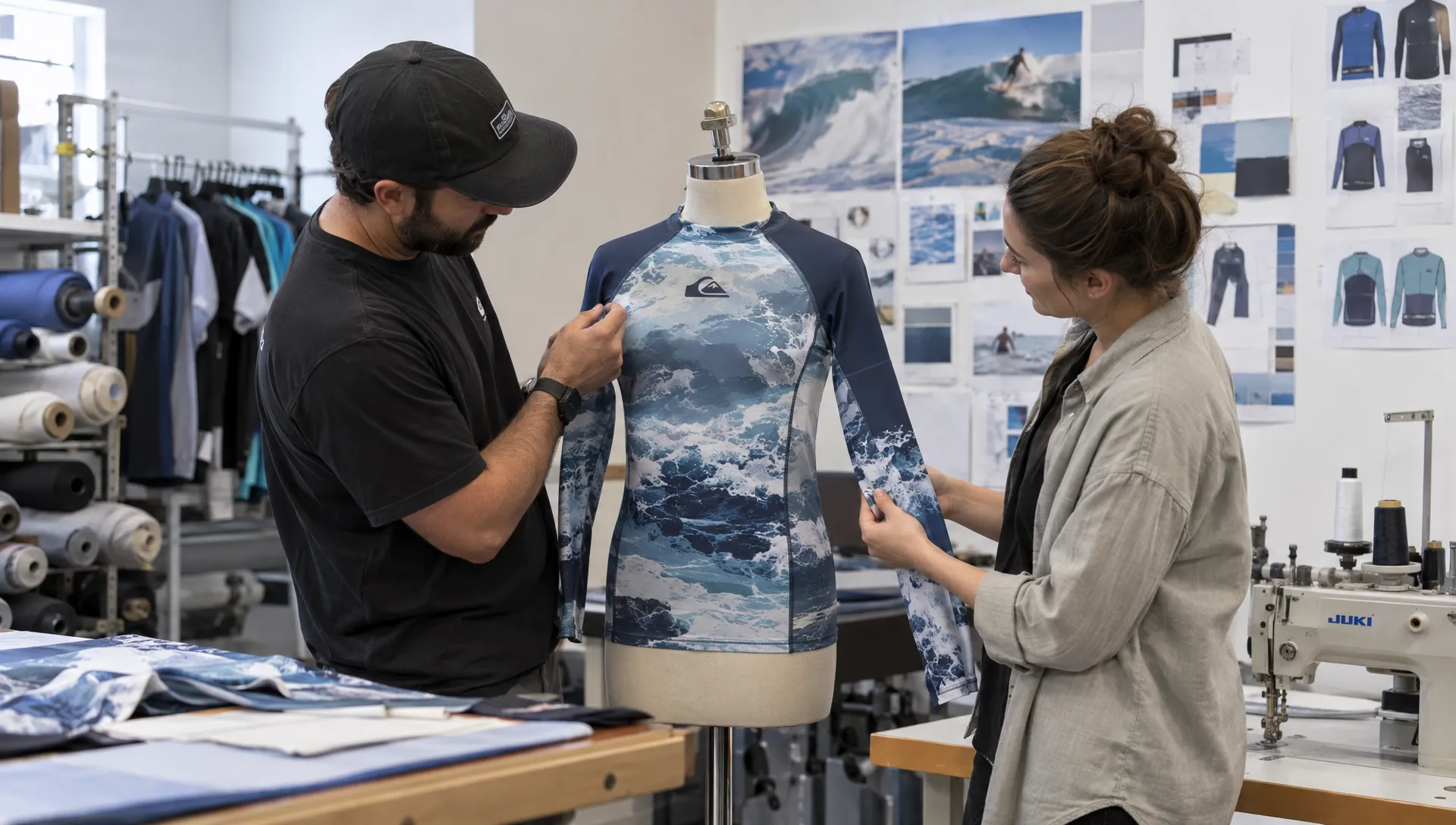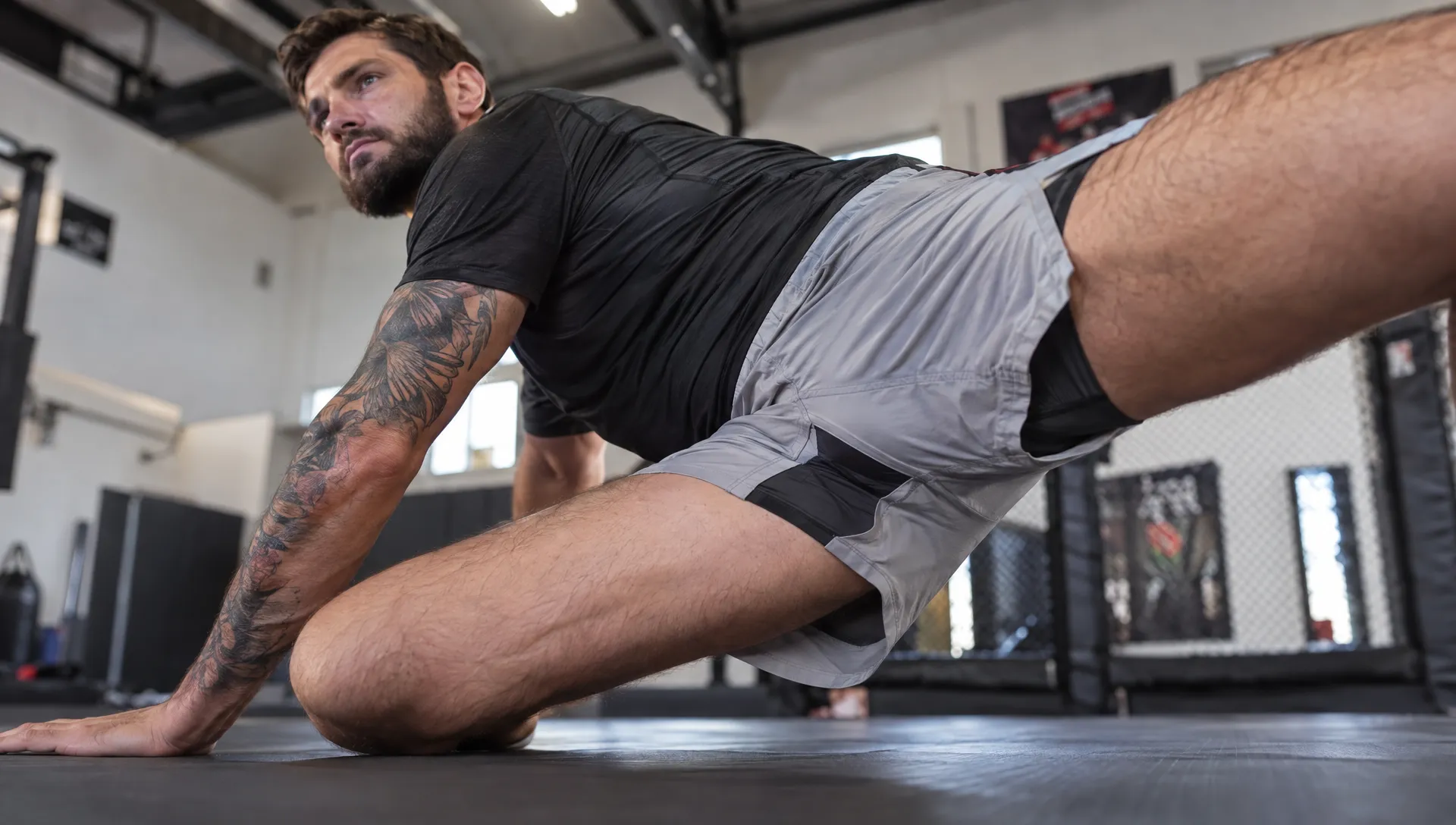
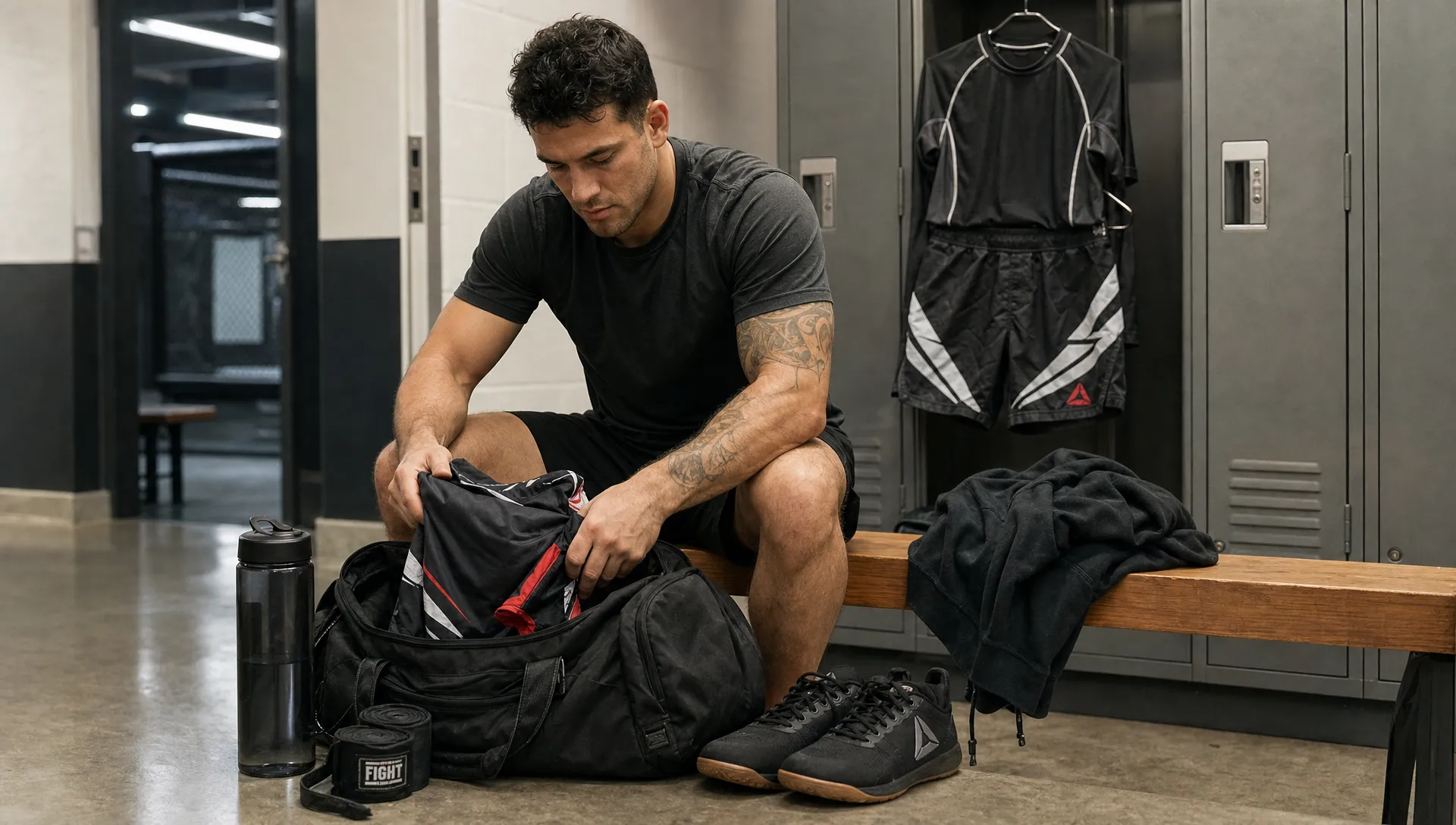
In MMA, apparel is not decoration after the real work is done. It affects range of motion, grip management, comfort under sweat and how a team or brand is remembered. Well built cage fighter apparel gives athletes the freedom to shoot, sprawl, kick, clinch and scramble without feeling restricted, while still leaving enough space for logos, colors and sponsor placements.
For gyms, fight teams, private labels and distributors, the goal is not simply to put a graphic on a pair of shorts. The goal is to create gear that survives real combat sports use and still looks consistent across training, walkouts, retail drops and team uniforms. That requires decisions about fabric, cut, stitching, print method and manufacturing partner before production starts.
What Makes Cage Fighter Apparel Different From Regular Sportswear
General activewear is often designed for running, lifting or casual gym use. Combat sports put fabric through a different type of stress. Shorts are pulled during grappling exchanges, rash guards are stretched during wrestling scrambles and seams face repeated friction from mats, gloves, wraps and protective equipment.
The difference between average gym gear and cage fighter apparel is most obvious during transitions. A fighter may throw a kick, change levels for a takedown, defend a clinch and roll back to the feet in one sequence. Apparel has to keep up without sagging, twisting or exposing the athlete.
This is why fightwear design should begin with movement patterns instead of artwork. Branding matters, but it should sit on top of a product that already works for striking, wrestling and grappling. If the garment fails under pressure, even the strongest logo will not save the collection.
Core Pieces in a Modern Fightwear Line
A practical cage fighter apparel line usually includes several product categories, each with a different job. Fight shorts and rash guards are performance pieces. Walkout jerseys, hoodies and team jackets carry more visual identity. Compression layers and training tops can bridge both needs.
| Apparel piece | Main performance priority | Branding opportunity |
|---|---|---|
| MMA fight shorts | Hip mobility, secure waistband, abrasion resistance | Waistband logos, side panels, sublimated graphics |
| Rash guards | Stretch recovery, close fit, sweat management | Chest logos, sleeve graphics, full panel artwork |
| Walkout jerseys | Comfort, camera presence, team identity | Sponsor placement, athlete name, bold color blocking |
| Hoodies and warmups | Pre-fight comfort, retail appeal, team uniformity | Embroidery, patches, printed back graphics |
| Compression spats | Flexibility, mat protection, layered training use | Leg graphics, brand marks, coordinated patterns |
For brands planning their first collection, it is usually better to build a tight core range than launch too many styles at once. A focused lineup is easier to sample, test, photograph and sell. Once the fit and production standards are proven, the same visual language can expand into more garments.
Mobility Starts With Pattern, Not Just Stretch Fabric
A stretch fabric helps, but it does not automatically create a good fightwear product. Mobility comes from the relationship between pattern shape, fabric behavior and the way the garment sits on the body during explosive movement.
Fight shorts need room without bulk
MMA shorts should allow high kicks, sprawls and guard work without excess fabric bunching at the hips. Shorter cuts can improve freedom of movement, while longer cuts may provide more coverage and a different retail look. Neither option is automatically better. The right choice depends on the athlete, ruleset, customer preference and brand style.
For cage fighter apparel, the waistband is just as important as the leg opening. If the waistband shifts during wrestling or no-gi grappling, the athlete will keep adjusting it. Elastic, drawcords, hook and loop closures and hybrid waist systems can all work when they are designed for stability and comfort.
Tops must balance compression and breathability
Rash guards and compression tops should sit close enough to reduce grabbing but not so tight that shoulder movement is restricted. In grappling, a loose top can twist or ride up. In striking, a poorly fitted top can feel heavy once it absorbs sweat.
Brands should test sleeve length, neck shape and torso length on real athletes rather than relying only on flat measurements. A garment that looks correct on a table can behave differently during clinch work, pad rounds or ground transitions.
Durability Comes From Construction Details
Durability is not one feature. It is the result of fabric choice, stitch type, panel placement and quality control working together. A strong fabric with weak seams will fail. A reinforced seam in the wrong location can irritate the athlete or restrict movement.
Common durability priorities include abrasion resistance for mat contact, tear resistance for grappling pulls and reliable stretch recovery after repeated washing. Fight shorts often benefit from tough woven fabrics or ripstop style materials. Rash guards typically rely on stretch knits that keep their shape and print quality over time.
Stress points deserve extra attention
In combat sports apparel, stress points are predictable. Waistbands, side slits, crotch panels, sleeve openings and collar seams all take repeated strain. Reinforcement should support these areas without creating stiff sections that fight against the athlete.
For cage fighter apparel, sample testing should include more than a quick fit check. Athletes should kick, shoot takedowns, grapple, sweat in the garment and wash it several times before bulk approval. This is the fastest way to catch issues that will not appear in a showroom sample.
Branding Has to Work on the Body, Not Just on the Mockup
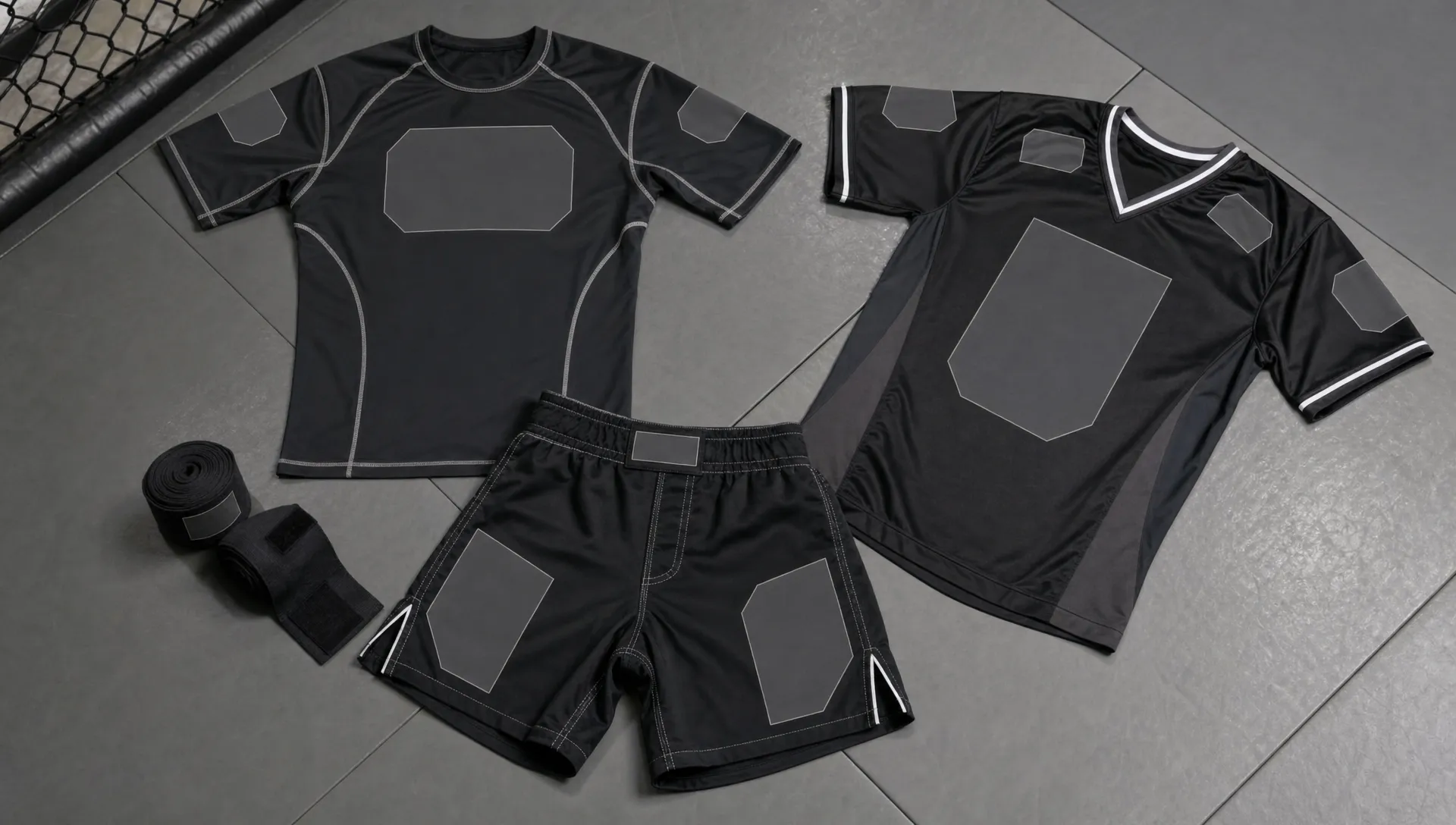
Fightwear branding lives in motion. A logo that looks centered on a digital template may fold around the ribs, disappear under gloves or stretch across a seam once worn. Strong cage fighter apparel branding accounts for the athlete's stance, camera angles and retail presentation.
The best designs usually start with a clear hierarchy. The primary logo should be visible without overwhelming the garment. Secondary marks, sponsor logos and pattern elements should support the identity instead of competing with it. This matters for gyms creating team kits as much as it matters for private labels selling to fans.
Choose decoration methods by garment type
Sublimation is often useful for all-over graphics on polyester performance pieces because the design becomes part of the fabric surface. Embroidery can add a premium feel to hoodies, jackets and lifestyle items. Screen printing, heat transfers, woven labels and patches can also be appropriate depending on fabric, order size and intended use.
If your line includes walkout tops, it is worth thinking about them as both performance gear and merch. Arus Sportswear has a dedicated guide on how to design MMA jerseys for walkouts, training and retail that can help brands connect athlete presentation with customer demand.
Keep the collection visually consistent
A strong fightwear line should feel connected across shorts, rash guards, hoodies and team apparel. That does not mean every piece needs the same graphic. Consistency can come from repeat colors, typography, logo placement, trims or panel shapes.
This is especially useful for gyms and teams ordering custom gear. Members may buy different items, but the group still looks unified at events, seminars and competitions. For private labels, consistency also makes product photography, online merchandising and repeat drops easier to manage.
Manufacturing Choices Shape the Final Product
The right manufacturing partner can help translate a brand concept into production-ready garments. The wrong one may treat fightwear like basic gym clothing, which often leads to fit issues, weak construction or decoration methods that do not match the sport.
For cage fighter apparel, a supplier should understand MMA shorts, rash guards, BJJ uniforms, boxing apparel and related combat sports products. That experience matters because each category has its own movement demands, sizing expectations and finishing details.
Brands that want custom labels, trims, colorways and artwork generally need private label or OEM support rather than off-the-shelf blanks. If you are comparing suppliers, this article on why brands choose a specialized martial arts apparel manufacturer explains the value of working with a factory that understands combat sports.
Arus Sportswear manufactures custom MMA and martial arts apparel for brands, gyms and distributors, including private label and OEM production. For buyers building a line across the USA, Canada, Europe, Australia, Japan, Thailand or other markets, manufacturing support, minimum order flexibility and worldwide shipping can all affect launch planning.
Quality Checklist Before You Approve Bulk Production
Before approving a bulk order, review the product the way an athlete and customer will experience it. A sample should be checked for fit, movement, finish quality, branding accuracy and how it performs after washing.
Use this checklist when evaluating cage fighter apparel samples:
- Test the garment during striking, grappling and conditioning rather than only trying it on.
- Check whether waistbands, collars and hems stay in place under movement.
- Inspect seams at high-stress zones for puckering, roughness or weak tension.
- Confirm that logos, colors and sponsor placements match the approved artwork.
- Wash the sample and review shrinkage, print quality and fabric recovery.
- Ask athletes in different sizes to test the fit before final grading approval.
A good checklist prevents costly problems. It also gives your manufacturer clearer feedback. Instead of saying the shorts feel wrong, you can identify whether the issue is the rise, inseam, waistband tension, leg opening or fabric weight.
For a broader view of supplier expectations, Arus also covers what a combat sports clothing manufacturer should offer when supporting brands with performance apparel.
Building Apparel That Can Train, Fight and Sell
Great fightwear has to satisfy three groups at once. Athletes need comfort and freedom. Brands need consistent identity. Customers need a product that feels worth buying again. When all three needs are considered from the start, cage fighter apparel becomes more than team gear or merchandise. It becomes part of the brand experience.
This is where design discipline matters. A bold graphic can attract attention, but the garment still needs the right cut, fabric and finishing. A highly technical garment can perform well, but it may not sell if the branding feels generic. The strongest products combine both sides.
For gyms, this can mean a professional team look that members are proud to wear. For private labels, it can mean a collection that stands apart in a crowded MMA market. For distributors, it can mean products that meet real training needs across different regions, styles and customer expectations.
Frequently Asked Questions
What is cage fighter apparel? Cage fighter apparel refers to MMA-focused clothing and fightwear designed for training, competition, walkouts and brand merchandise. It includes items such as fight shorts, rash guards, compression gear, jerseys, hoodies and team uniforms.
What fabrics work best for MMA fightwear? The best fabric depends on the garment. Fight shorts often need lightweight woven or ripstop style materials with strength and mobility, while rash guards usually need stretch knit fabrics with good recovery, sweat control and print compatibility.
Can cage fighter apparel be private labeled? Yes. With private label or OEM production, brands can add their own logos, labels, colors, graphics and design details instead of selling generic blanks.
How should brands test samples before bulk production? Brands should test samples during real training movements, check fit across multiple sizes, inspect seams and trims, wash the garments and confirm that colors and artwork match the approved design files.
Build Your Custom MMA Apparel Line With Arus Sportswear
If you are developing fight shorts, rash guards, walkout gear or a full private label combat sports collection, Arus Sportswear can support custom design, OEM production, branding options, low minimum orders, bulk manufacturing and worldwide shipping.
Bring your concept, logo and product goals, then work with a manufacturer that understands how MMA apparel needs to move, last and represent your brand.