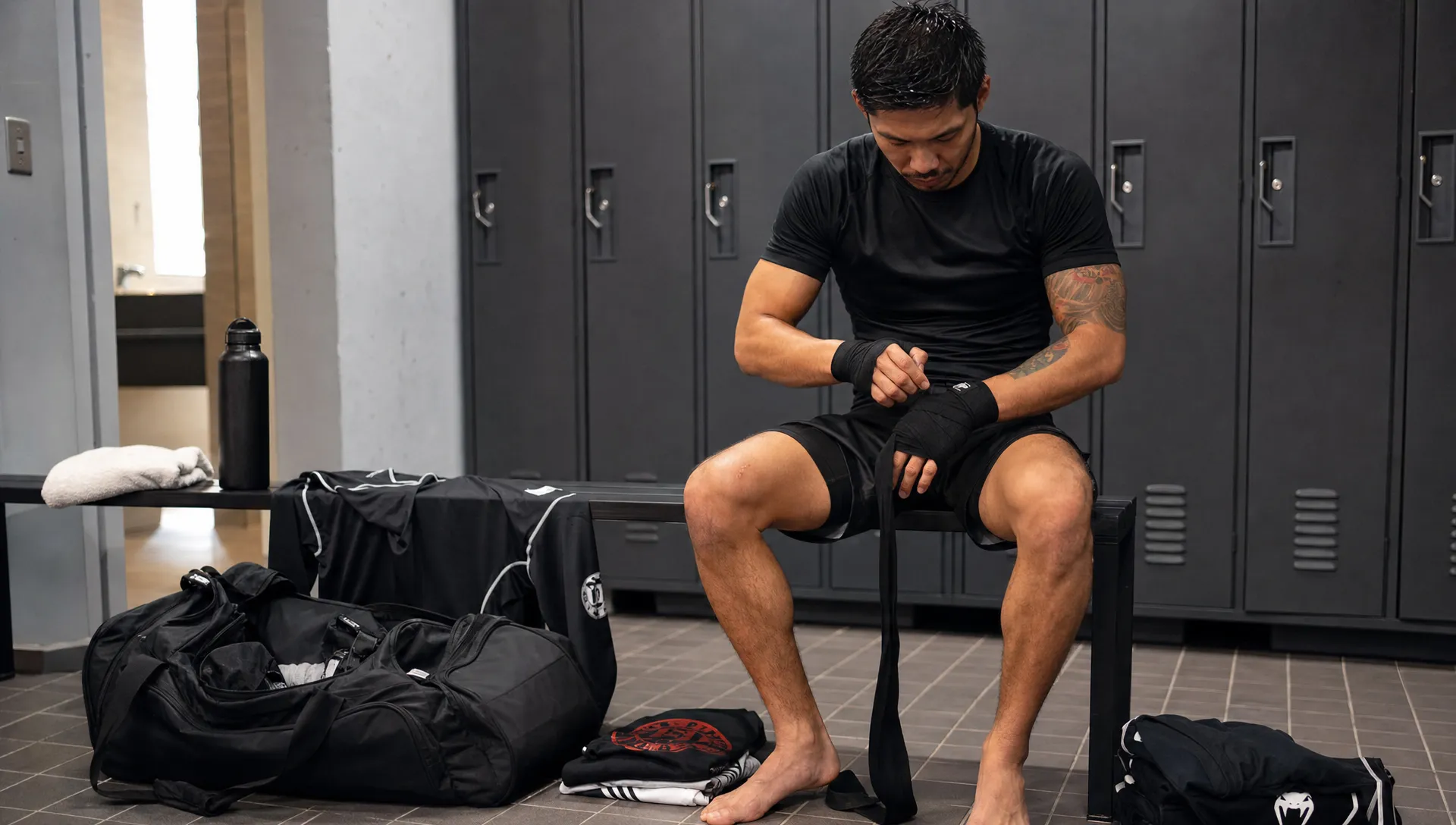
A martial arts brand is judged the moment a customer touches the fabric, tries on the fit, or wears the product in training. A rash guard that rides up, MMA shorts that restrict movement, or a gi that loses shape after repeated washing can damage trust quickly. That is why many growing brands choose a specialized martial arts apparel manufacturer instead of relying on a general clothing supplier.
The right manufacturing partner does more than produce garments. It helps translate your brand identity into fightwear, uniforms, and training apparel that can stand up to real use. For gyms, ecommerce brands, distributors, and private label startups, this decision can affect product quality, launch speed, margins, and customer loyalty.
What a martial arts apparel manufacturer actually does
A martial arts apparel manufacturer creates clothing and uniforms designed for combat sports and martial arts disciplines. This can include MMA shorts, rash guards, BJJ gis, karate uniforms, boxing apparel, training shirts, compression wear, and other fightwear products.
Unlike a standard apparel supplier, a specialist understands that martial arts clothing is not only about appearance. These garments need to perform under pressure. They must handle sweat, grip, friction, stretching, pulling, repeated washing, and constant movement. That makes construction, material selection, sizing, and finishing especially important.
For brands, this expertise matters because most customers do not separate the product from the brand. If the stitching fails, the logo fades, or the cut feels uncomfortable during sparring, the customer blames the label on the garment. Working with a manufacturer that understands martial arts helps reduce those risks before products reach the market.
Why brands avoid generic apparel factories
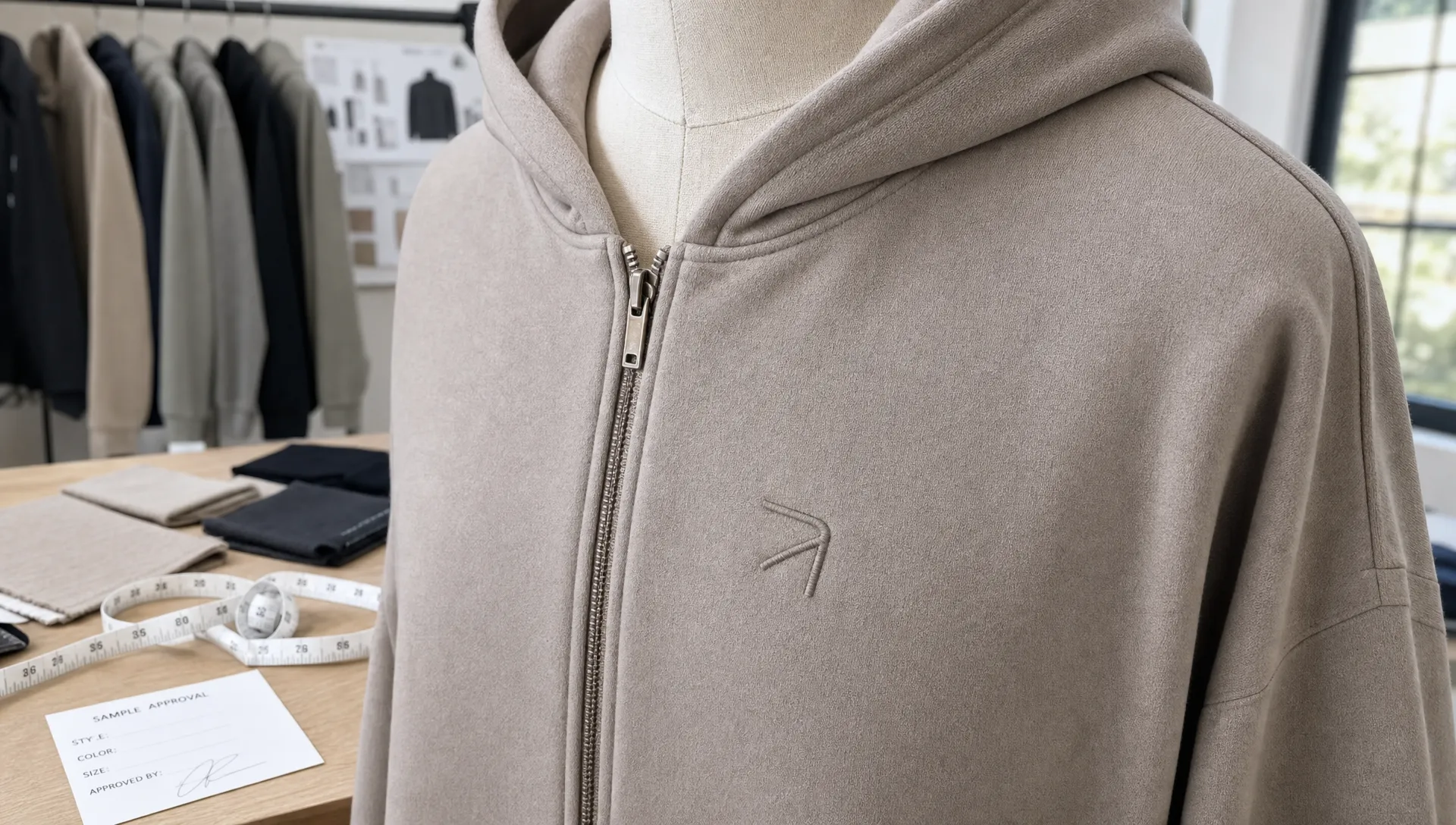
A generic apparel factory may be able to sew T-shirts, tracksuits, or casual sportswear well. But martial arts apparel often requires different patternmaking, reinforcements, fabrics, and quality checks. A BJJ gi, for example, has very different requirements from a lifestyle hoodie. MMA shorts need a secure waistband, durable seams, and a cut that supports kicking, grappling, and cage work.
This is one of the main reasons brands look for a dedicated partner. They want a supplier that understands the difference between promotional clothing and equipment-level apparel.
| Factor | Generic apparel supplier | Martial arts apparel manufacturer |
|---|---|---|
| Product knowledge | General clothing experience | Discipline-specific experience with fightwear and uniforms |
| Fit priorities | Style and standard sizing | Mobility, comfort, grip resistance, and training use |
| Construction | Basic seams and finishes | Reinforced stitching, durable panels, and performance-focused details |
| Branding | Simple logo placement | Custom trims, labels, embroidery, sublimation, and private label options |
| Quality control | General garment inspection | Checks based on combat sports wear and stress points |
| Scaling support | Often focused on broad apparel runs | Better suited to niche martial arts collections and repeat orders |
This does not mean every general factory is low quality. It means martial arts brands usually benefit from working with a supplier whose production process is already aligned with the demands of the category.
The biggest reasons brands choose a specialist manufacturer
Better product performance
Combat sports customers are demanding because they test apparel in intense environments. Training sessions expose weak seams, poor fabric choices, uncomfortable fits, and low-quality trims. A specialist manufacturer can help brands choose materials and construction methods based on how the product will be used.
For rash guards, that may mean stretch recovery, flat seams, and sublimation that does not crack like a surface print. For gis, it may mean selecting the right weave, collar structure, pant reinforcement, and shrinkage control. For MMA shorts, it may mean balancing durability with flexibility so athletes can kick, sprawl, and grapple without restriction.
When performance improves, returns, complaints, and negative reviews are easier to avoid. More importantly, customers are more likely to reorder and recommend the brand.
Stronger brand identity
Martial arts apparel is highly visual. A gym uniform, fight team rash guard, or branded boxing set becomes part of a community’s identity. For ecommerce brands, distinctive design is often what separates one product line from dozens of similar options.
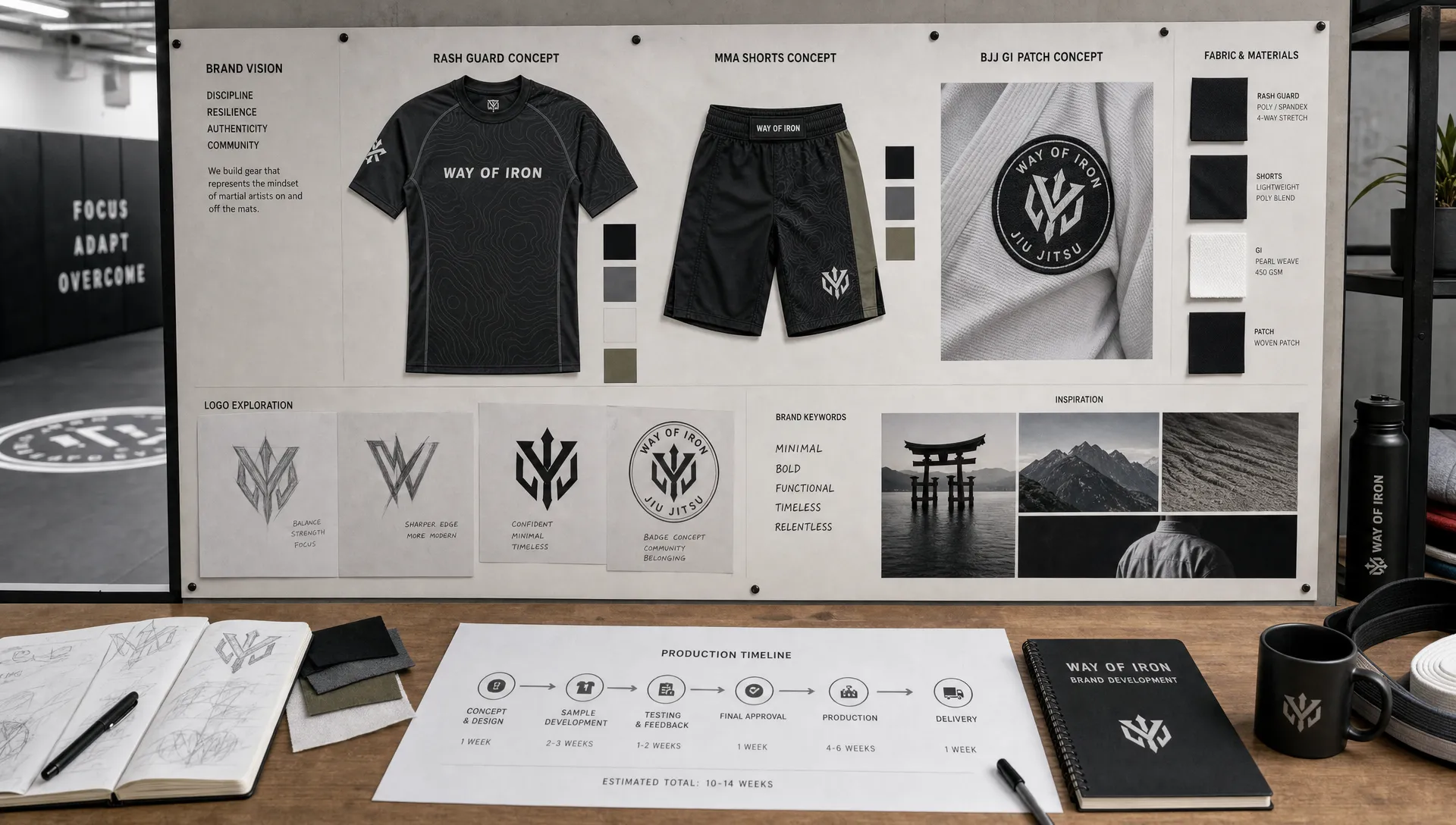
A martial arts apparel manufacturer can support custom colors, logos, trims, patches, labels, embroidery, sublimation, and packaging options depending on the product and production requirements. This gives brands more control over how their products look and feel in the market.
Premium positioning depends on the same principles across many categories: consistent quality, clear presentation, and trust in what customers receive. A specialty retailer such as Beef Boutique builds value around curation and product confidence, and martial arts brands need that same discipline when presenting apparel to customers who care about quality.
For a deeper look at how design can shape perception, Arus Sportswear also explains how custom apparel helps sports brands stand out.
Easier private label development
Many brands do not want to build a factory, hire patternmakers, source fabrics, and manage production from scratch. Private label manufacturing gives them a more practical path. Instead of starting with a blank supply chain, they can work with a manufacturer to develop branded products under their own label.
This is especially valuable for gyms, fight teams, influencers, retailers, and startup fightwear brands that want to launch without owning production infrastructure. A strong private label program can help a brand focus on positioning, customer acquisition, and community building while the manufacturing partner handles the production side.
Private label also makes testing more realistic. A brand can start with a focused collection, learn what customers buy, and refine the next order based on real demand. If you are exploring this route, the complete guide to private label martial arts clothing covers the model in more detail.
Lower risk when launching new products
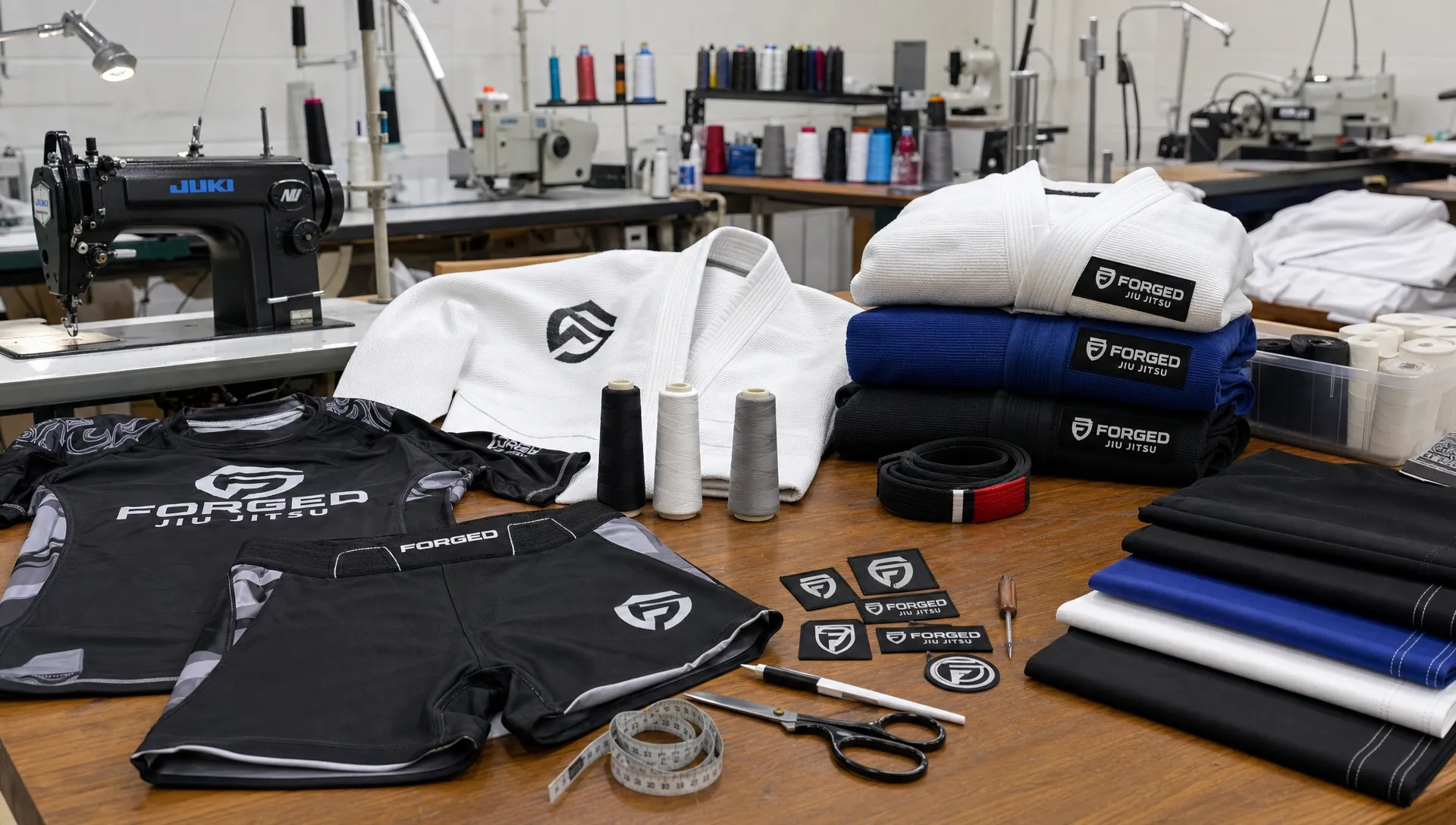
Launching apparel always involves risk. Brands must invest in design, samples, production, inventory, and marketing before they know exactly how customers will respond. A manufacturer with low minimum order options can help reduce that pressure by making smaller initial runs more achievable.
Lower minimums are useful when testing a new discipline, design style, size range, or seasonal collection. Instead of overcommitting to a large inventory position, brands can validate demand first. Once a product gains traction, they can scale into larger bulk orders with more confidence.
This is particularly important in martial arts, where sizing, fit, and preferences can vary by discipline and market. A BJJ audience may prioritize different features than a karate school, boxing gym, or MMA lifestyle brand. Starting focused helps brands learn faster and avoid costly mistakes.
More reliable quality control
Quality control is one of the biggest reasons brands choose a dedicated manufacturer. Martial arts apparel has clear stress points. Waistbands, crotch panels, collars, lapels, sleeve openings, seams, and logos all need attention.
Good quality control is not only about checking the finished product. It begins earlier, with materials, cutting accuracy, stitching standards, sizing consistency, print or embroidery quality, and sample approval. When these steps are handled properly, brands can maintain a more consistent customer experience.
Consistency is especially important for wholesale and team orders. If a gym orders uniforms for students, the products should look and fit reliably across the size range. If a distributor places repeat orders, the second shipment should match the first as closely as possible.
Faster scaling through OEM production
OEM manufacturing is attractive for brands that already know what they want to build. Instead of using standard products, the brand can provide specifications, designs, measurements, materials, and branding requirements. The manufacturer then produces according to those agreed details.
This approach is useful for martial arts brands that want greater control over product identity while still outsourcing production. OEM can support more refined product lines, better differentiation, and repeatable manufacturing once samples are approved.
For companies preparing to grow, Arus Sportswear has a dedicated article on how OEM manufacturing helps martial arts brands scale faster.
What brands should prepare before contacting a manufacturer
A manufacturer can guide the process, but brands get better results when they arrive with clear requirements. Vague requests such as “we need high-quality fightwear” are difficult to price and produce accurately. Specific details lead to better samples, clearer communication, and fewer revisions.
Before contacting a martial arts apparel manufacturer, it helps to prepare:
- Product categories, such as rash guards, MMA shorts, boxing apparel, BJJ gis, or karate uniforms
- Target customer, such as beginners, competitors, gyms, distributors, or premium retail buyers
- Design references, logo files, colors, and preferred branding placements
- Fabric preferences, weight expectations, stretch needs, or durability requirements
- Size range, fit style, and any market-specific sizing considerations
- Estimated order quantity for sampling, first production, and future bulk orders
- Packaging, labeling, and private label requirements if needed
Clear specifications do not need to be perfect at the first conversation. But the more detail you provide, the easier it is for the manufacturer to recommend practical solutions.
How the right manufacturer protects brand reputation
In martial arts, reputation spreads quickly. Coaches recommend gear to students. Training partners notice what lasts. Competitors talk about what fits well and what fails. A good product can become part of a brand’s marketing without the customer feeling like they are being sold to.
A poor product does the opposite. If a gi shrinks unpredictably, if rash guard colors fade too fast, or if shorts split during hard training, the brand may lose trust even if the design looked good online.
This is why manufacturing should be treated as a brand decision, not only a sourcing decision. The cheapest option is not always the most profitable if it leads to returns, replacements, delays, or weak customer retention. A reliable manufacturer helps protect the promise your brand makes.
Choosing a manufacturer is also a growth decision
For early-stage brands, the manufacturer can shape the entire launch experience. For established brands, the manufacturer can influence how quickly new collections reach the market and how consistently inventory can be replenished.
A good manufacturing relationship can support product development, sampling, customization, and repeat production. It can also help brands expand into adjacent categories, such as moving from rash guards into MMA shorts, from karate uniforms into team apparel, or from boxing apparel into broader gym merchandise.
The best fit depends on your goals. Some brands need private label support. Others need OEM production. Some prioritize low minimum orders, while others need bulk manufacturing and worldwide shipping. The key is choosing a partner that understands both martial arts apparel and commercial brand requirements.
Frequently Asked Questions
Why should I use a martial arts apparel manufacturer instead of a regular clothing factory? A specialist manufacturer understands the performance needs of combat sports apparel, including mobility, durability, reinforcements, fit, and discipline-specific construction. This helps reduce quality issues and improves the customer experience.
Can a manufacturer help with private label martial arts apparel? Yes, many martial arts apparel manufacturers support private label production, allowing brands, gyms, and distributors to sell custom products under their own label without owning a factory.
What products can a martial arts apparel manufacturer produce? Common products include MMA shorts, rash guards, BJJ gis, karate uniforms, boxing apparel, fightwear, and custom training apparel. Available options depend on the manufacturer’s capabilities.
Are low minimum orders useful for new martial arts brands? Low minimum orders can help new brands test designs, validate demand, and reduce inventory risk before investing in larger bulk production runs.
What should I ask before choosing a manufacturer? Ask about product experience, sampling, fabric options, stitching standards, branding methods, minimum order quantities, production timelines, quality control, and shipping capabilities.
Build your brand with the right manufacturing partner
Choosing a martial arts apparel manufacturer is ultimately about control: control over quality, branding, fit, production consistency, and the customer experience. The right partner helps turn ideas into products that athletes, gyms, and martial arts communities are proud to wear.
Arus Sportswear supports custom martial arts and MMA apparel manufacturing for brands, gyms, and distributors, including private label and OEM production, custom designs, low minimum orders, bulk order support, and worldwide shipping. If you are planning a new fightwear line or expanding an existing collection, Arus Sportswear can help you explore the next step.