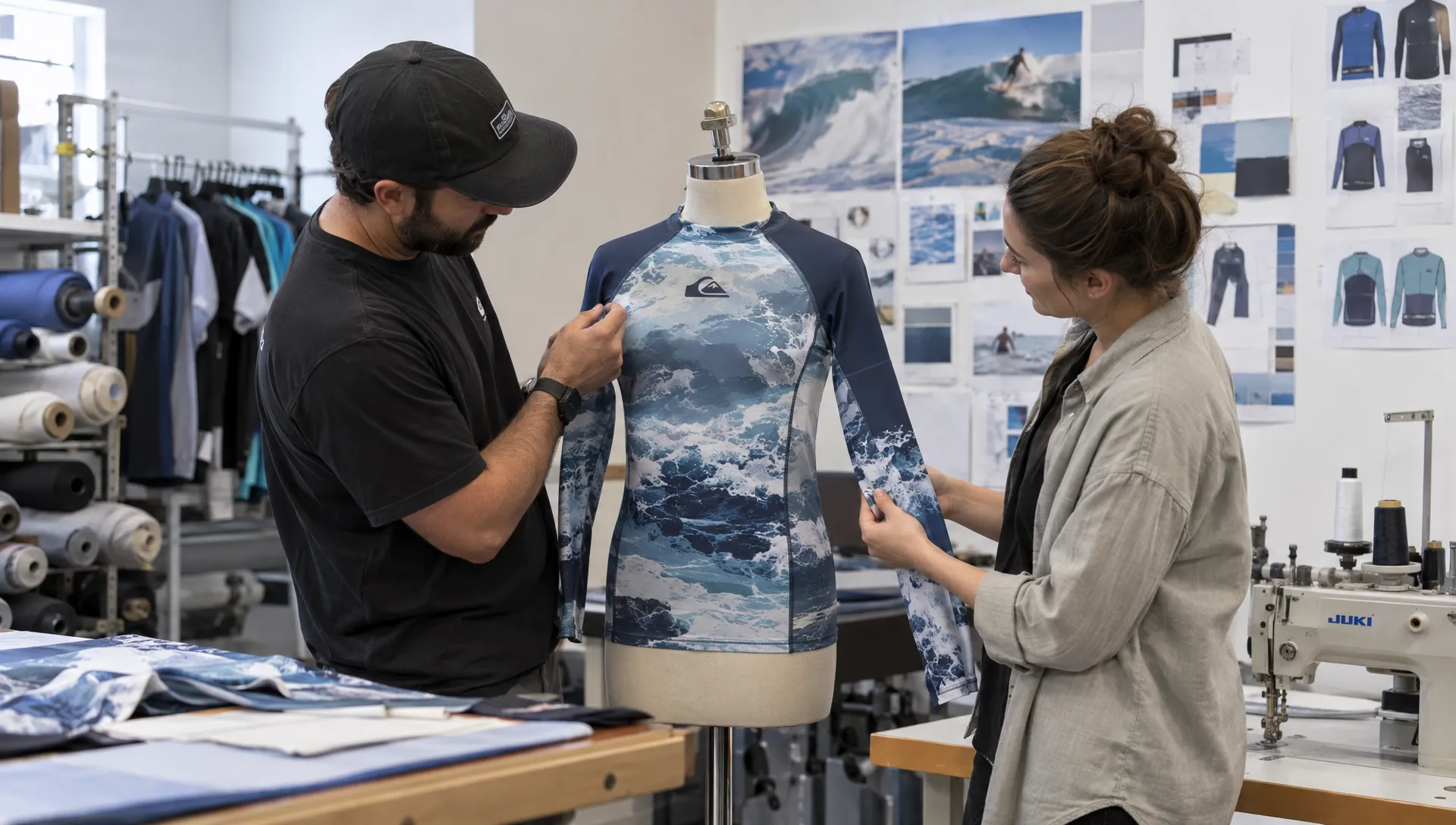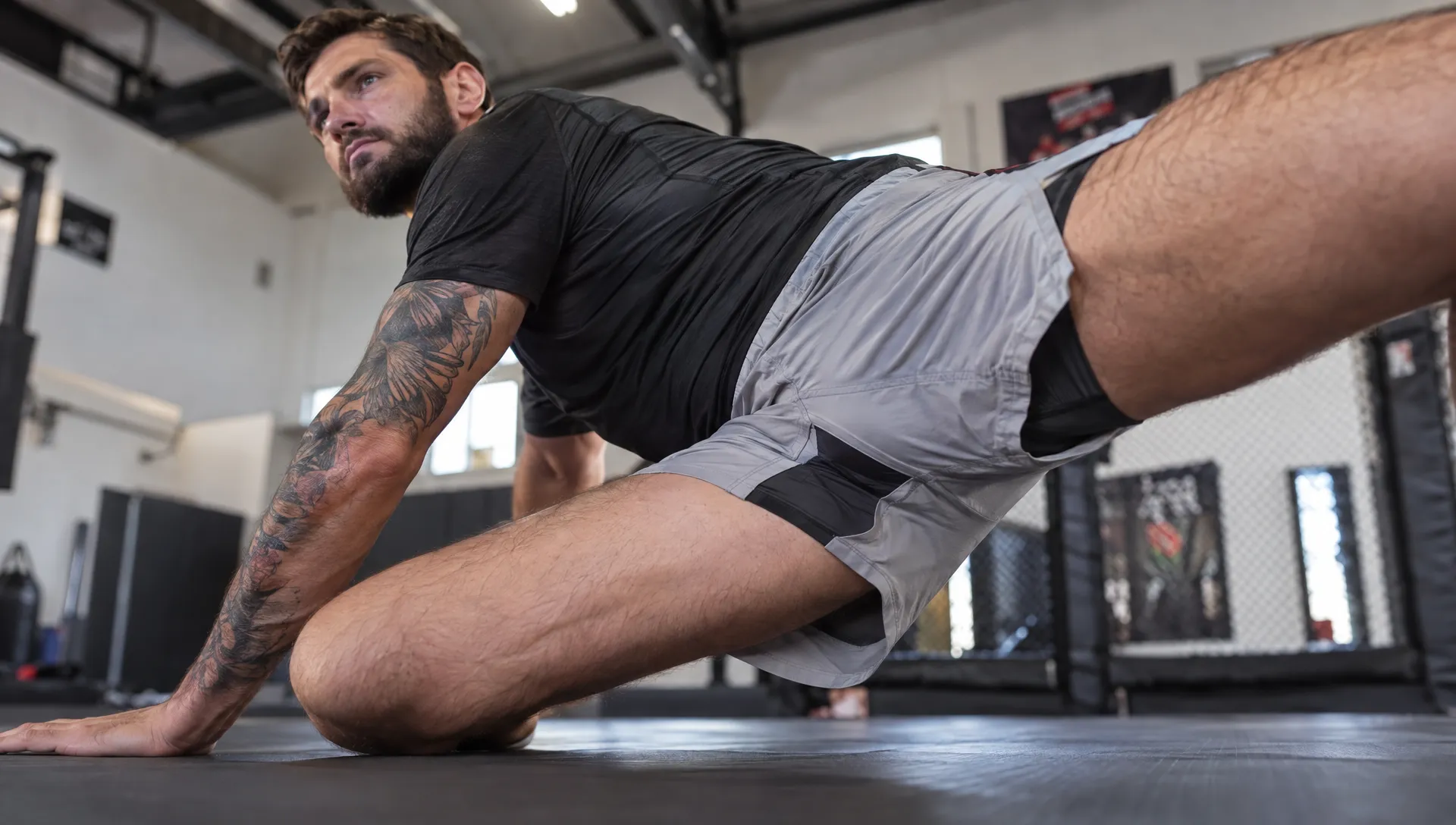
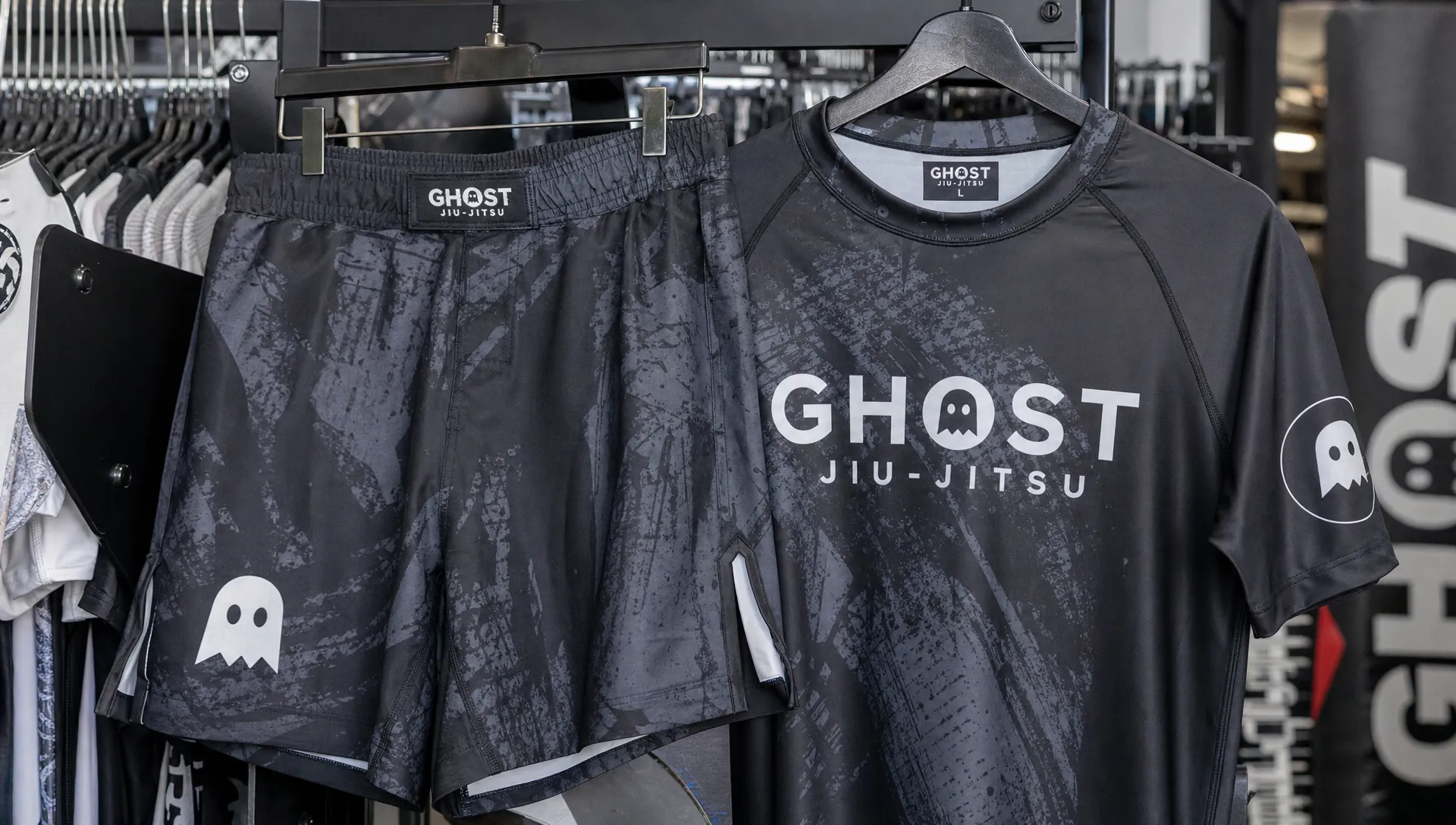
Branded sports clothing gives a gym something most ads cannot create: a visible sign of belonging that members choose to wear. For martial arts schools, MMA gyms, boxing clubs and fitness facilities, apparel is not just a retail add-on. It can become part of the member experience, the team identity and the reason people feel connected between training sessions.
That connection matters in competitive markets across the United States, Canada, Europe, Australia, Japan and Thailand, where members often have several gyms within reach. A strong class schedule gets people through the door, but culture keeps them coming back. When your apparel feels useful, well designed and clearly tied to the gym community, it supports both loyalty and retail revenue without feeling like a hard sell.
Why branded sports clothing builds loyalty before it builds revenue
Loyalty starts when members feel they are part of something specific. A plain black training shirt keeps someone covered during class, but a shirt with the gym crest, team name or academy colors says they belong to a group with shared standards.
Apparel turns membership into identity
For gyms, branded sports clothing works best when it feels earned, useful and connected to real participation. A beginner who buys a gym tee after the first month is not just buying fabric. They are making a small commitment to the place where they train.
This is especially powerful in combat sports. In BJJ, Muay Thai, boxing, MMA and karate, members often train through discomfort, repetition and gradual skill progression. Apparel becomes a marker of that journey. A rash guard from a first grappling class, a hoodie from a fight camp or a walkout tee from an in-house event can carry emotional value long after the purchase.
Harvard Business Review's analysis of brand communities makes a useful point for gym owners: lasting communities are built around member-to-member relationships, not only brand-to-customer relationships. Gym apparel helps those relationships become visible.
Consistency makes the gym feel established
Members are more likely to trust a brand that looks consistent. If your logo changes color every season, your print quality varies from item to item or your staff shirts look unrelated to your member gear, the retail line can feel improvised.
A cleaner system creates recognition. Use a small group of colors, repeat key logo placements and keep typefaces consistent across shirts, hoodies, rash guards and fight shorts. If you are refining your visual system, Arus Sportswear has a practical guide on how athletic apparel logos shape brand recognition through placement, production method and consistency.
The retail sales opportunity hiding inside your gym
Most gyms already have warm traffic. Members visit several times per week, know the coaches and understand the training culture. That makes the front desk, pro shop or online member store a natural retail channel.
When a member buys branded sports clothing, the sale often comes from trust rather than discovery. They know the gym, they see other members wearing the gear and they can imagine themselves using it in class, during travel or on rest days. That shortens the path from interest to purchase.
Build a product mix around real training needs
The strongest gym retail lines usually start with practical items before expanding into lifestyle pieces. Members need durable shirts, shorts and training layers before they need novelty items. For martial arts gyms, the best assortment depends on the discipline, climate and training style.
| Product type | Why it supports loyalty | Why it can sell well |
|---|---|---|
| Performance tees | Easy entry point for new members | Lower price barrier and broad size demand |
| Rash guards | Strong connection to grappling and MMA training | High utility and frequent replacement need |
| Fight shorts | Reinforces team identity during training | Strong appeal for MMA, Muay Thai and no-gi members |
| Hoodies | Works outside the gym and during travel | Higher perceived value and seasonal demand |
| BJJ gis or karate uniforms | Creates a complete academy look | Useful for rank, classes and competition teams |
If you want more item-level inspiration, this guide to custom branded clothing ideas that sell for gyms covers practical product categories for martial arts facilities and fitness businesses.
That is where branded sports clothing becomes a low-friction retail category. It solves a real training need, gives members a way to show pride and creates margin opportunities for the gym.
Design choices that make members want to wear the gear
A logo alone does not make apparel desirable. Members buy the first piece because they support the gym. They buy the second and third piece because the product fits well, performs during training and looks good outside the facility.
Prioritize fit and fabric before decoration
The strongest branded sports clothing usually starts with the blank or garment structure, not the artwork. A great print on a poor-fitting shirt will still disappoint members. For activewear, fabric choice affects sweat management, stretch, durability and comfort against the skin.
Combat sports add extra pressure. Rash guards need compression and seam durability. Fight shorts need mobility and secure waist construction. Boxing apparel needs freedom through the shoulders. BJJ gis need fabric weight and reinforcement that match training intensity.
If your gym wants apparel that members wear often, performance should come first. Arus Sportswear explains the business case in more detail in its article on what makes performance sportswear worth the investment.
Make branding visible but wearable
Gym owners sometimes assume bigger logos create stronger recognition. That can work for team uniforms, but retail apparel usually needs balance. Members may love a bold competition tee, but they may wear a cleaner chest logo hoodie more often in daily life.
A smart apparel range can include both. Use bold graphics for events, fight teams and limited drops. Use quieter branding for evergreen items such as premium tees, joggers, hoodies and travel pieces. The more often members wear the item outside the gym, the more impressions your brand earns in normal life.
How apparel increases repeat purchases
A single merch table can generate sales, but a planned apparel calendar creates anticipation. Members respond well when product releases connect to actual moments in the gym year.
A smart branded sports clothing program can be built around events such as belt promotions, fight camps, seminars, tournaments, anniversary weeks and seasonal training blocks. Instead of launching random products whenever stock runs low, each release can have a reason behind it.
This approach also makes buying feel time-sensitive without using pressure tactics. A limited hoodie for a winter grading, a rash guard for a no-gi camp or a tee for a charity sparring event gives members a story to attach to the purchase.
Repeat buying also improves when products work together. If your tee, shorts and hoodie share a color palette, members can build a complete look over time. That is better for retail than one-off designs that do not connect.
Production planning for gyms and sportswear brands
Retail success depends on more than design. Production planning determines whether you have the right products, in the right sizes, at the right time. A good-looking line can still underperform if sizing is uneven, delivery misses the event date or the gym orders too much of the wrong item.
Branded sports clothing should be planned with clear use cases. Decide which products are for daily training, which are for team identity and which are for lifestyle retail. This prevents the collection from becoming too broad too quickly.
For many gyms, a focused first order is safer than a large, scattered launch. Start with core items that match your members' training habits, then use sales data to decide what to reorder or expand. Low minimum order production can help newer gyms test demand before committing to bigger inventory.
For established gyms, bulk orders can support better planning around team uniforms, academy gear, pro shop inventory and event releases. The key is to keep records by size, color, product category and season so future orders become more accurate.
How to measure loyalty and retail performance
Track branded sports clothing like a business line, not a side project. Sales revenue matters, but it is not the only useful signal. Apparel can also reveal which members are most engaged, which products fit your culture and which events create the strongest demand.
Useful metrics include sell-through rate, repeat purchase rate, average order value, size demand, product return reasons and time to sell out. For loyalty, look at how often apparel buyers attend classes, join events, refer friends or renew memberships compared with members who never purchase gear.
You do not need a complex system at the beginning. A simple spreadsheet, point-of-sale export or ecommerce report can show patterns. If hoodies sell fast but tees sit, adjust the next drop. If rash guards sell well before tournaments, schedule them earlier. If members ask for larger size ranges, respond before the next order.
The goal is not to turn the gym into a fashion company overnight. The goal is to use apparel as a measurable extension of your community and member experience.
Common mistakes that reduce apparel sales
Even strong gyms can miss retail opportunities when apparel is treated as an afterthought. The most common problems are usually easy to fix once you identify them.
- Ordering based only on owner preference: Coaches and owners may like a design that does not match what members actually wear.
- Using low-quality garments: Poor fabric, weak stitching or uncomfortable cuts can damage trust in the gym brand.
- Launching too many products at once: A smaller, focused drop is easier to explain, display and sell.
- Ignoring women, youth or larger sizes: Limited size planning can make members feel excluded.
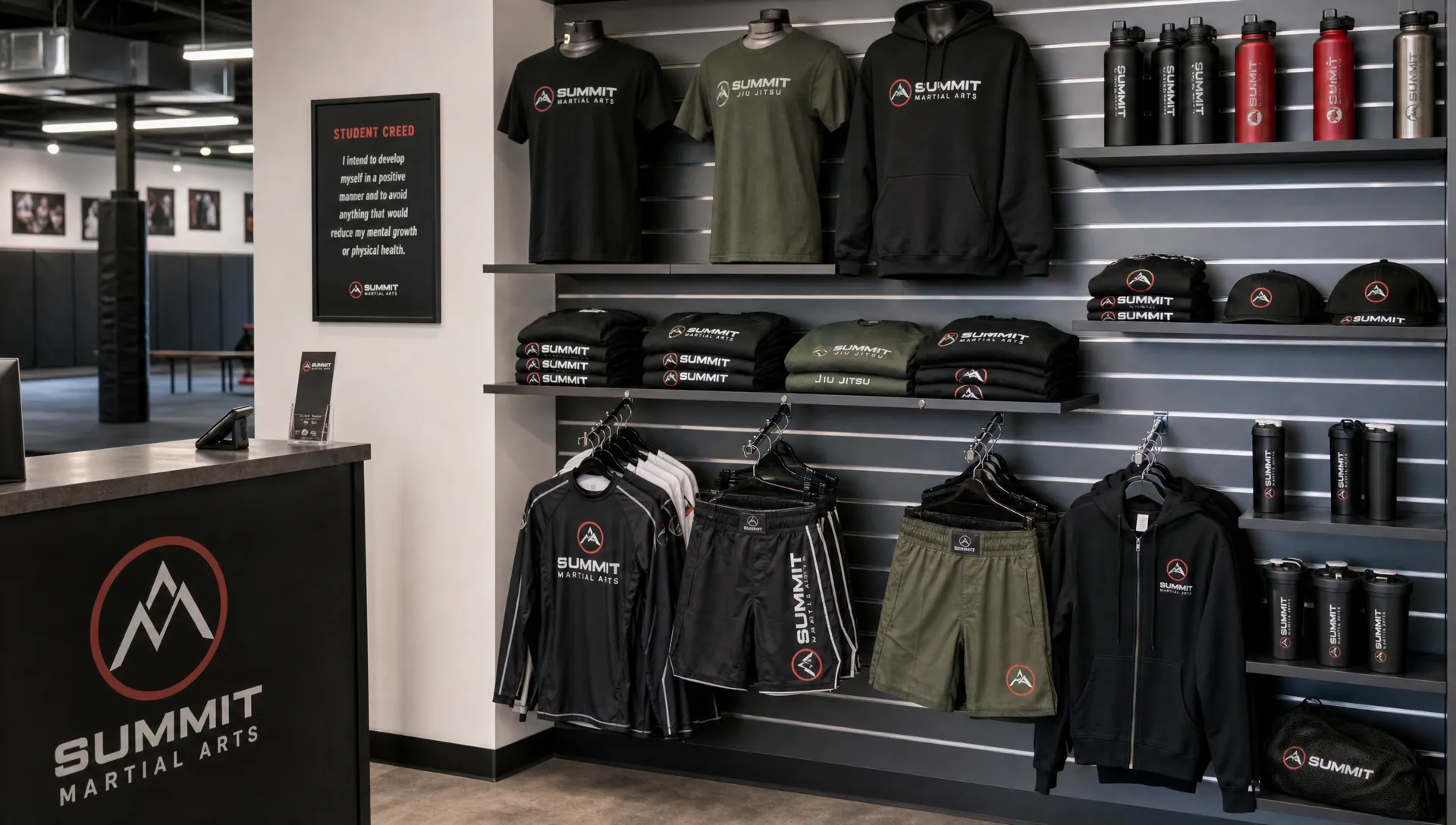
- Hiding the products: Apparel sells better when members can see it, touch it and understand when a drop is limited.
A cleaner retail display, staff wearing the gear and simple product storytelling can improve sales without discounting. If the product has a purpose, members need to know that purpose.
Frequently Asked Questions
How does gym apparel improve member loyalty? It gives members a visible way to identify with the gym, team or academy. When the apparel is comfortable and tied to real training moments, it strengthens pride and belonging.
What items should a gym sell first? Most gyms should start with practical products such as performance tees, hoodies, rash guards or training shorts. The best first product depends on the sport, climate and member profile.
How often should a gym release new apparel? Many gyms do well with a few planned drops per year around events, seasons or training milestones. Too many releases can overwhelm members and create inventory risk.
Can branded sports clothing work for small gyms? Yes. Small gyms often have strong communities, which can make apparel feel personal and meaningful. Low minimum orders can help test demand before larger production runs.
Build apparel your members are proud to wear
Branded sports clothing can turn your gym identity into something members carry beyond the mat, cage, ring or weight room. When the products fit well, match your training culture and launch at the right moments, they can support loyalty and create a reliable retail channel.
Arus Sportswear manufactures custom MMA and martial arts apparel for gyms, brands and distributors worldwide. If you need private label or OEM production for fightwear, rash guards, BJJ gis, boxing apparel, karate uniforms or custom sportswear, Arus Sportswear can support custom designs, branding, low minimum orders, bulk orders and worldwide shipping.