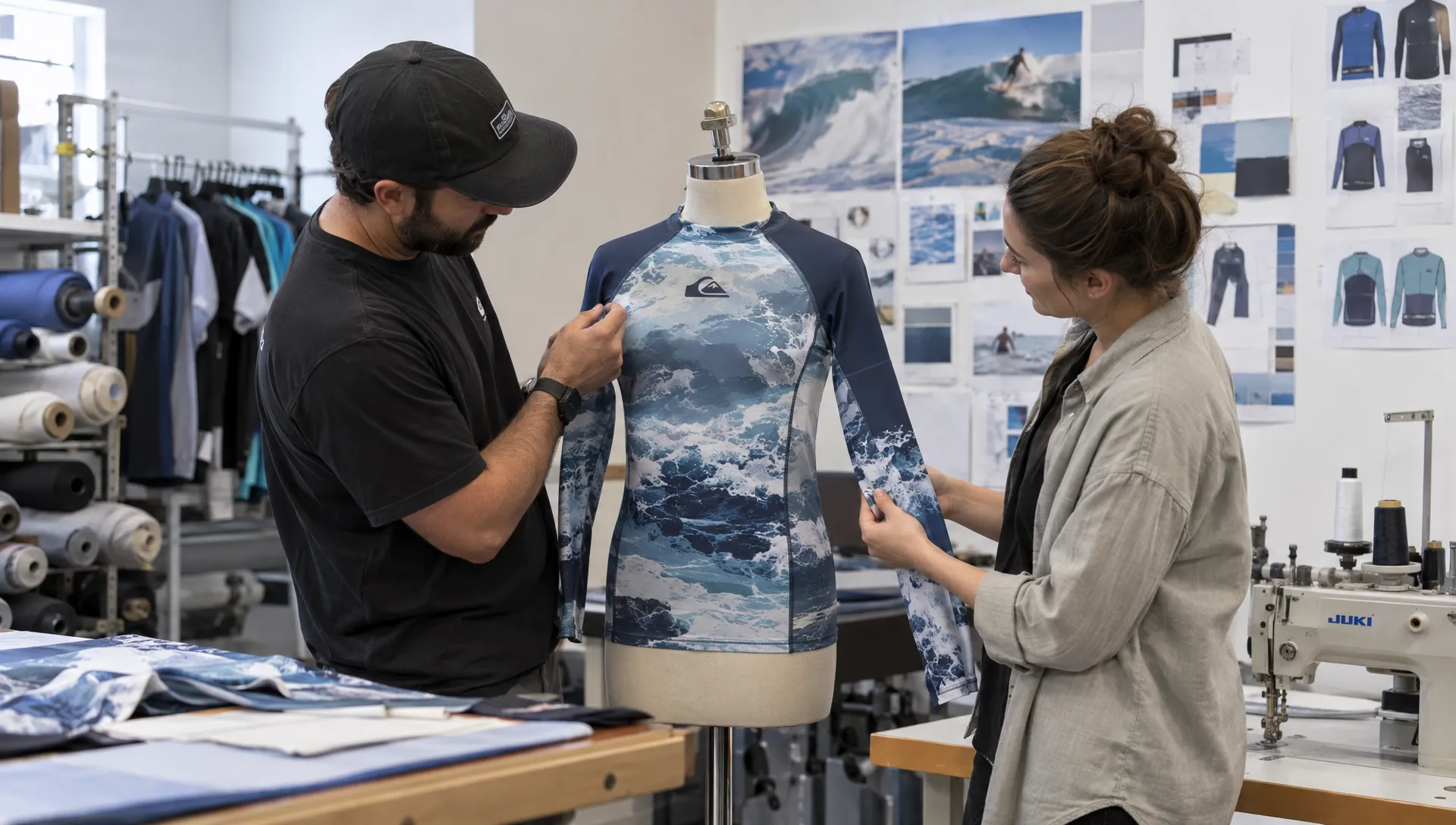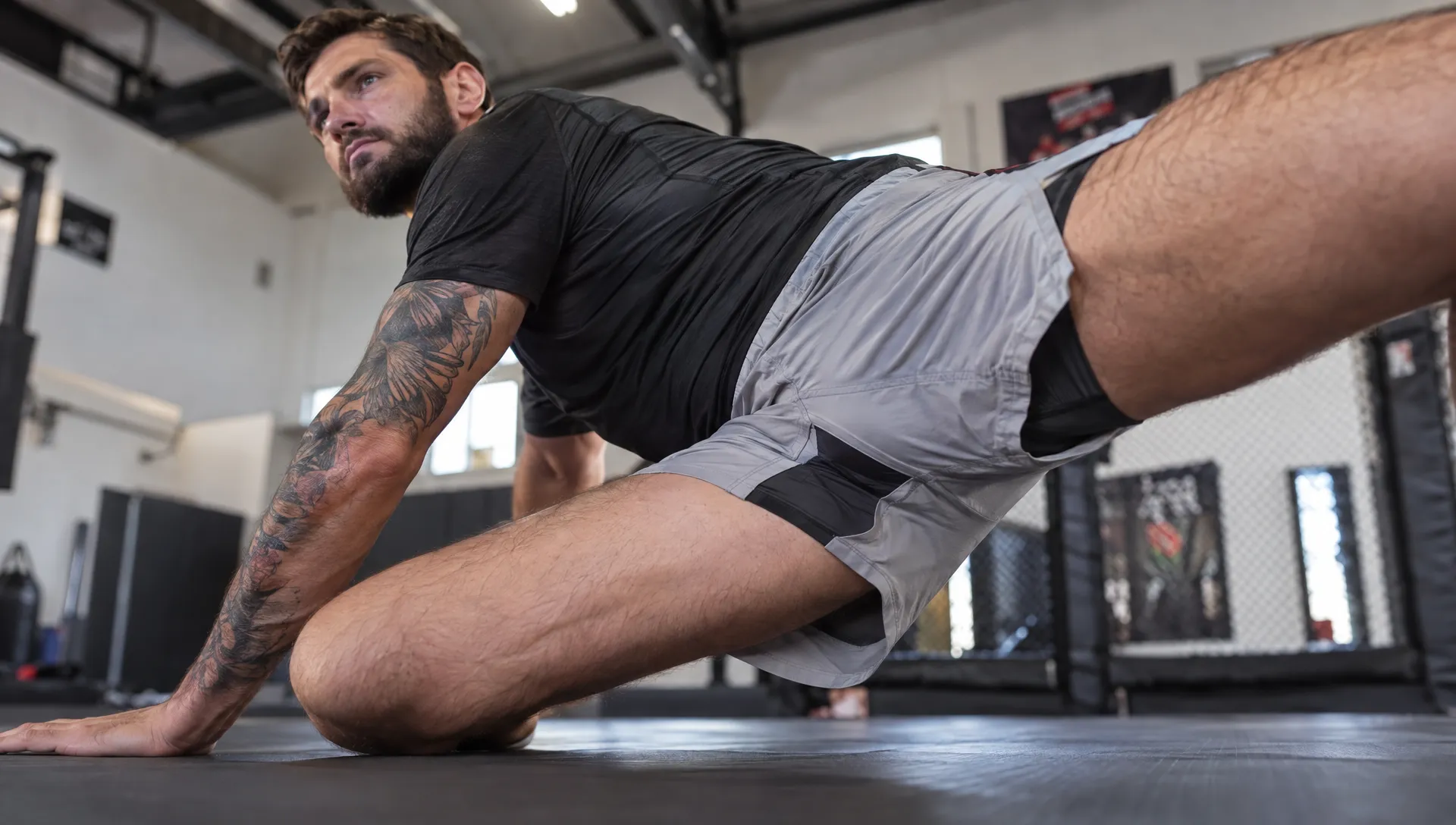
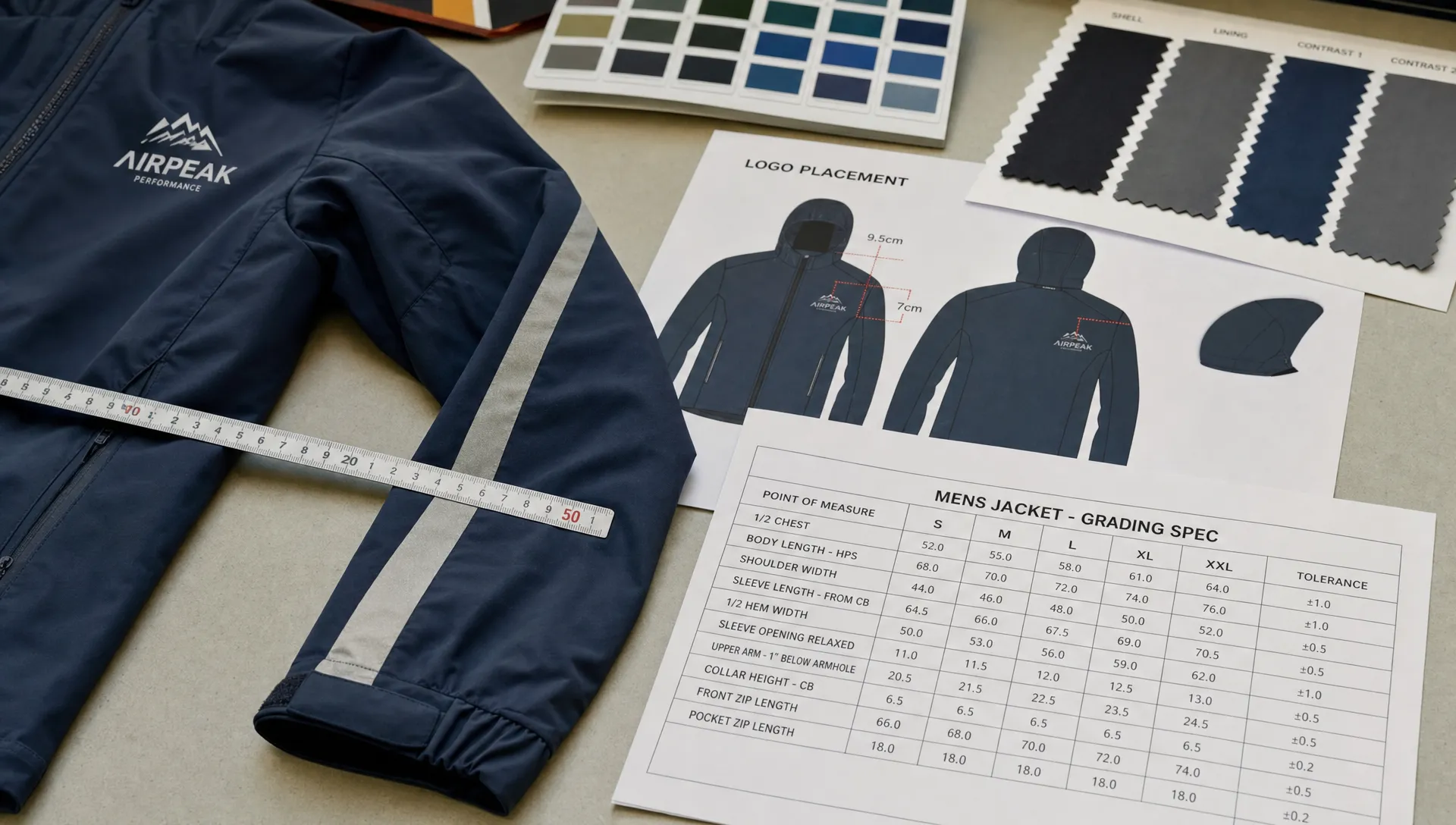
Sampling should confirm your best decisions, not expose missing ones. If you are developing custom made sports apparel for a gym, fightwear label, distributor or team program, the work you do before the first sample affects fit, cost, lead time, brand consistency and buyer confidence. A strong pre-sampling plan gives your manufacturer enough detail to build the right prototype the first time, then gives your team a clear way to judge whether that prototype is ready for production or needs adjustment.
Why custom made sports apparel needs a plan before sampling
A sample is not just a product preview. It is a test of your concept, technical brief, material choices, logo placement, sizing assumptions and production expectations. When those inputs are vague, the sample round becomes guesswork. You may receive a garment that looks close in photos but fails in training, stretches poorly, uses the wrong trim or does not match your intended retail price.
For custom made sports apparel, planning also protects your budget. Every major change after sampling can create extra time, extra courier costs and sometimes a completely new sample. This matters for buyers in the USA, Canada, Europe, Australia, Japan and Thailand, where shipping time and customs movement can add friction to every revision.
A better approach is to treat the sample as a controlled test. Before it is made, define what the product is supposed to do, who it is for, how it should fit, where branding belongs and what level of quality will be acceptable.
Start with the buyer, sport and product role
A useful plan for custom made sports apparel starts with the athlete or customer, not with the artwork. A compression rash guard for no-gi grappling, a boxing tracksuit for travel, a karate uniform for academy use and a fitness hoodie for retail all have different priorities. The more clearly you define the use case, the easier it becomes to choose fabrics, seams, fit and decoration methods.
Define the end user clearly
Write down who will wear the product and under what conditions. A professional fighter may care most about mobility, durability and secure waist construction. A gym member may want comfort, team identity and a price point that feels accessible. A distributor may need consistent sizing across several styles so retailers can sell with fewer returns.
If you are still shaping the broader brand strategy, Arus Sportswear has a related guide on building a sportswear collection customers actually want that can help you connect product choices to real demand before moving into development.
Decide what the sample must prove
Not every sample needs to prove every detail at once. Early development may focus on fit and silhouette. A later sample may focus on print accuracy, embroidery placement or packaging. Knowing the sample’s purpose prevents subjective feedback like “make it better” and replaces it with measurable review points.
| Sample objective | What to check | Example decision |
|---|---|---|
| Fit validation | Length, compression, mobility, waistband hold | Adjust size grading or panel shape |
| Fabric validation | Stretch, opacity, hand feel, weight | Keep fabric, change fabric or test an alternate |
| Branding validation | Logo scale, color, position, print method | Approve placement or revise artwork |
| Construction validation | Stitching, seam strength, trim quality | Confirm bulk production standard |
Build a technical brief before requesting a sample
Your technical brief turns custom made sports apparel from an idea into something a manufacturer can develop consistently. It does not need to be overly complicated at the start, but it should remove as much ambiguity as possible.
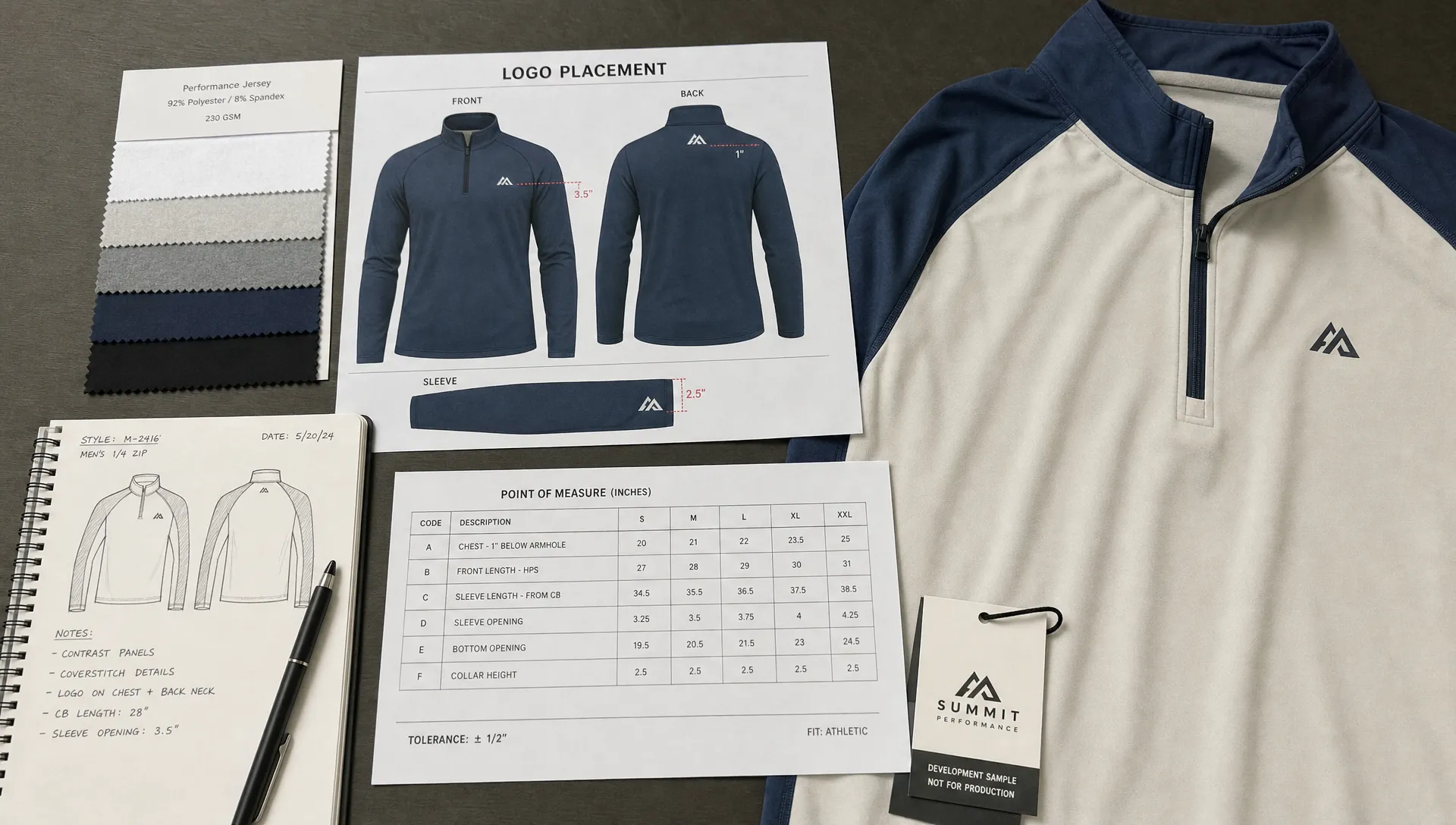
At minimum, include the product type, target sport, intended wearer, fit preference, desired fabric qualities, size range, colors, artwork files, logo placements, trims and any reference images. If you already have a sample from your own collection or a market reference, explain what you like about it and what should be different.
Specify function before decoration
Decoration gets attention, but performance comes first. For combat sports and training apparel, the technical brief should explain whether the garment needs stretch recovery, abrasion resistance, sweat management, reinforced stitching, lightweight movement or a structured fit.
For example, MMA shorts may need side slits, a secure waistband and fabric that moves without clinging. Rash guards need stretch, recovery and flat seams that feel comfortable during grappling. BJJ gis require different planning around fabric weight, collar feel, reinforcement points and shrinkage expectations.
Prepare size and fit expectations
Size planning is one of the most common sources of sampling delays. Instead of sending only a size label, share target measurements for key points such as chest, waist, inseam, sleeve length, body length and garment opening. If you serve multiple regions, remember that customer expectations can vary between North America, Europe and Asia.
A brand selling in Germany and the Netherlands may need a different fit profile than a gym selling in Thailand or Japan. That does not mean you need separate patterns for every market, but it does mean you should decide whether your fit is athletic, relaxed, compression based or competition focused before sampling begins.
Turn design ideas into production-ready decisions
Before you sample custom made sports apparel, convert creative choices into production instructions. “Large logo on the front” is open to interpretation. “Front chest logo, 90 mm wide, centered 70 mm below neckline” is much easier to execute and evaluate.
This is where many brands can reduce reworks. Confirm the exact branding method, whether sublimation, screen print, heat transfer, embroidery, woven label or another option. Then define placement, size, color standard and whether the branding must withstand heavy training, repeated washing or retail presentation.
Planning is not unique to apparel. In any customized service, the best result comes from clear consultation before the visible work begins. This guide on how a colour hair salon builds a better hair plan is a useful reminder that tone, condition, timeline and maintenance should be discussed before execution, which is the same mindset buyers should bring to apparel sampling.
Lock the details that often cause rework
Small details can create expensive delays if they are left open. Confirm contrast stitching, zipper type, drawcord color, label position, care label information, neck tape, packaging preference and any compliance details required for your destination market.
If you want a deeper pre-approval reference, the Arus Sportswear article on custom sport uniform details that prevent costly reworks covers many of the details buyers should confirm before moving toward production.
Plan the sample round like a test
A sample should be reviewed by the same standards you expect from the finished product. For custom made sports apparel, that means checking appearance and training performance. A garment can look good on a hanger but fail during sparring, drilling, running, lifting or travel.
Create a sample review sheet before the product arrives. Include fit comments, measurement checks, movement tests, fabric notes, artwork accuracy, stitch quality and wash observations. If several people will review the sample, ask them to use the same sheet so feedback does not become scattered.
Use wear testing when performance matters
Wear testing does not need to be complicated. Ask the right athlete or staff member to train in the sample, then record what happened. Did the waistband roll? Did the sleeve twist? Did the fabric become transparent when stretched? Did seams irritate the skin? Did the print crack, peel or fade after washing?
For fightwear, BJJ, boxing and gym apparel, real movement is the most honest review. If the product is meant for retail only, your test may focus more on comfort, drape, perceived value and how the garment looks after laundering.
| Review area | Questions to answer before approval |
|---|---|
| Fit | Does the sample match the target size and fit intent? |
| Movement | Can the athlete train without restriction or discomfort? |
| Fabric | Does the material feel appropriate for the sport and price point? |
| Branding | Are colors, logo size and placement accurate? |
| Construction | Are seams, trims and reinforcements consistent with the brief? |
| Wash result | Does the sample keep its shape, color and finish after laundering? |
Prepare cost, MOQ and production assumptions early
Cost planning for custom made sports apparel should happen before sampling, not after approval. A sample can be technically successful but commercially wrong if the fabric, decoration or construction makes the final bulk price unsuitable for your market.
Ask your manufacturer what factors are likely to affect unit cost. Common variables include fabric type, garment complexity, number of panels, print coverage, embroidery size, custom trims, size range, order quantity and packaging. For international buyers, shipping method and destination also matter.
Align the sample with your intended order
A sample made with premium details can create a strong impression, but it may not reflect the production budget. If you plan to order a low minimum quantity first, tell the manufacturer early. If you expect bulk production later, explain the scale you are working toward so the supplier can guide you on efficient choices.
This is especially relevant for private label and OEM production. Arus Sportswear supports custom designs, branding options, low minimum orders, bulk order support and worldwide shipping, but buyers still get the best outcome when they share realistic expectations before development begins.
Communicate clearly with your manufacturer
A good manufacturer can guide fabric selection, construction and production feasibility, but they can only respond to the information you provide. When developing custom made sports apparel, keep feedback specific, visual and organized.
Instead of writing “the fit is wrong,” explain whether the chest is too tight, the inseam is too long or the waistband needs stronger hold. Mark photos when needed. Compare measurements against the original brief. If you approve one detail and reject another, state that clearly so the next sample does not lose the approved work.
Keep one source of truth
Use one master file for the product brief and update it after each decision. This prevents old artwork, outdated measurements or previous comments from reappearing later. For teams working across time zones, a clean master brief is especially helpful because the brand owner, designer, manufacturer and buyer may not all be online at the same time.
If you want to understand what a professional buyer should verify when choosing a supplier, review this quality checklist for sportswear apparel manufacturers before starting the sampling process.
Pre-sampling checklist for apparel buyers
Before sending your request, check that the core information is complete. This keeps the first sample focused and gives your manufacturer a stronger chance of matching your expectations.
- Product category and sport use are clearly defined.
- Target customer, region and fit preference are documented.
- Fabric performance needs are described in practical terms.
- Size range and key measurements are included.
- Artwork files, logo sizes and placement instructions are ready.
- Decoration method, trims and labels are confirmed or flagged for guidance.
- Sample purpose and approval criteria are written down.
- Estimated order quantity, MOQ expectations and shipping destination are shared.
This checklist is simple, but it prevents many of the delays brands face when the design conversation moves faster than the production details.
Frequently Asked Questions
How detailed should a brief be for custom made sports apparel? It should be detailed enough for the manufacturer to understand the product type, sport use, fit, materials, branding, size range and sample goal. You can still ask for guidance, but the core direction should be clear before sampling starts.
Should I sample one product or a full collection first? If you are launching a new brand or testing a new supplier, start with the most important product or a small capsule. Approving one strong product gives you a better foundation than sampling too many styles with incomplete detail.
How many sample rounds are normal? Many products need at least one revision, especially when fit, fabric or branding is custom. The goal is not always to avoid revisions completely. The goal is to avoid unnecessary revisions caused by missing information.
What should I do if the first sample is not right? Compare it against the original brief, mark the exact changes needed and separate objective issues from preference changes. Clear feedback helps your manufacturer correct the sample without creating new problems.
Plan first, sample with confidence
The strongest samples come from clear planning. When you define the buyer, sport use, fit, materials, branding, cost targets and approval criteria in advance, you give your manufacturer the information needed to develop a product that is closer to production from the first round.
If your brand, gym or distribution business is preparing custom made sports apparel for sampling, Arus Sportswear can support private label and OEM production across MMA fightwear, rash guards, BJJ gis, boxing apparel, karate uniforms and related sportswear categories. Start with a clear brief, then use the sample to validate the product you already planned carefully.