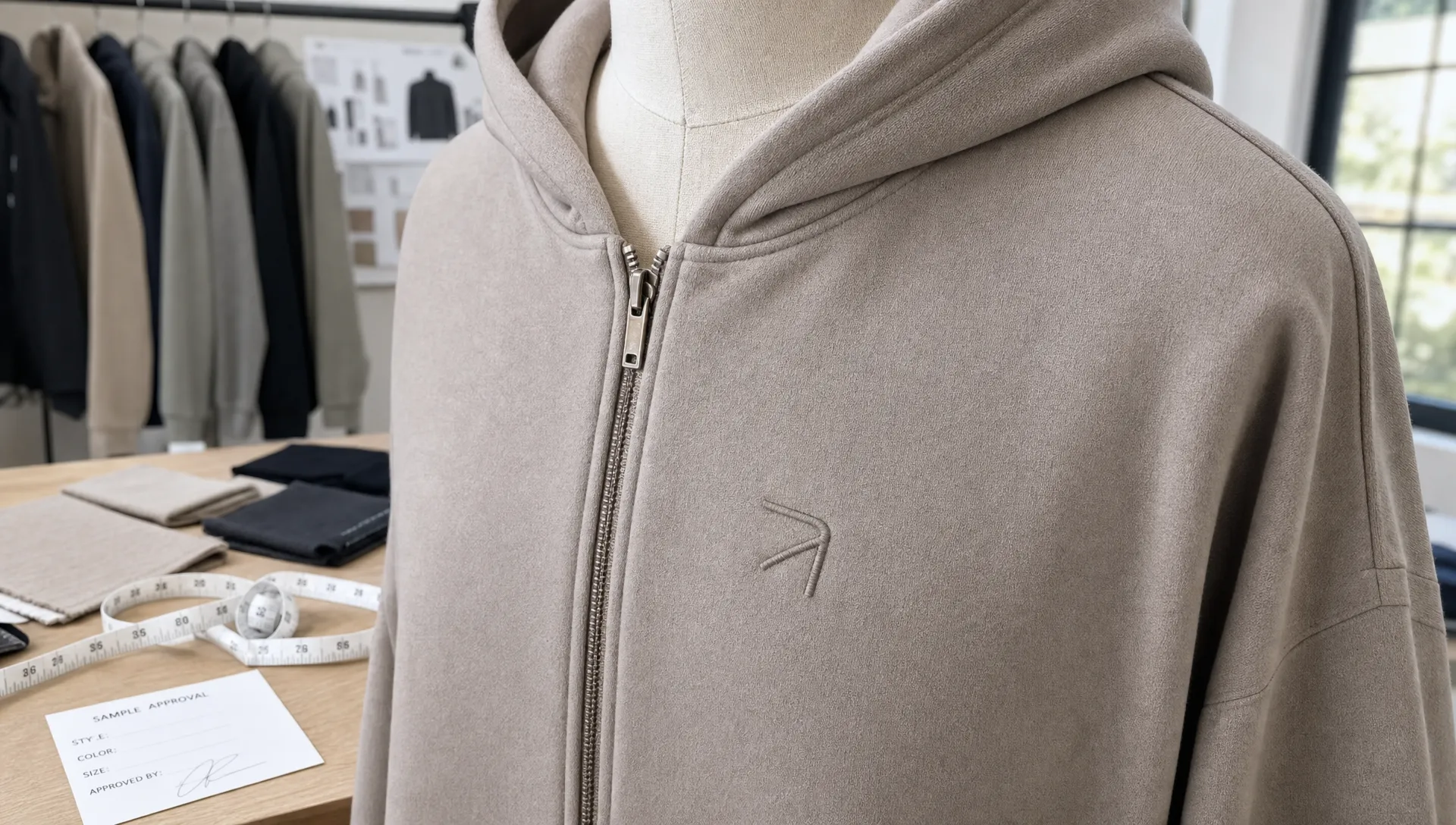
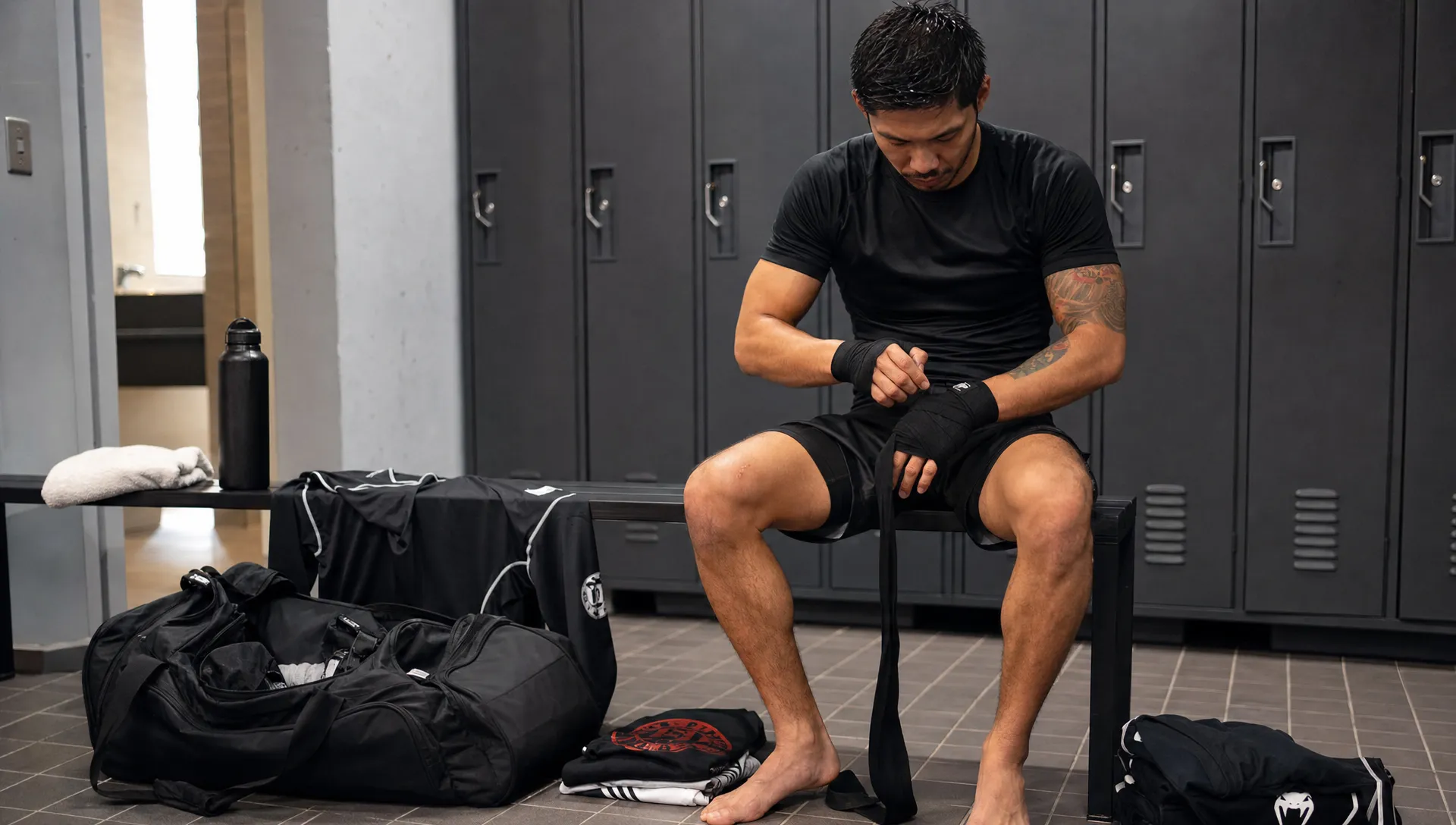
For brands, gyms and distributors comparing sportswear apparel manufacturers, quality is not a single inspection at the end of production. It is a set of decisions made before sampling, during development and before bulk shipment: fabric specs, fit rules, stitching standards, color controls, branding methods, packaging and clear approval points.
A good checklist helps you compare suppliers on evidence, not promises. This matters whether you are sourcing MMA shorts, rash guards, team training kits, boxing apparel, compression wear or private label uniforms for a regional market in the USA, Canada, Europe, Australia, Japan or Thailand.
Quality checklist for sportswear apparel manufacturers
Use this checklist before you approve a sample, pay a deposit or scale into bulk production. The goal is simple: every supplier should be judged against the same requirements, with proof that can be checked.
| Quality area | What to verify | Evidence to request |
|---|---|---|
| Product brief | Intended sport, fit, fabric, trims, branding and order quantity | Tech pack, reference sample or spec sheet |
| Fabric performance | GSM, composition, stretch, recovery, shrinkage, colorfastness and abrasion resistance | Fabric cards, test reports or mill specifications |
| Construction | Seam type, reinforcement, stitch density, bartacks and edge finishing | Close-up sample photos and approved production sample |
| Fit and sizing | Measurement points, grade rules and tolerance by size | Size chart and measured size set |
| Branding | Print, embroidery, labels, patches, packaging and placement | Artwork file, strike-off or branded sample |
| Sampling | Prototype, fit sample, size set and pre-production sample | Written approval record and golden sample |
| Quality control | Inline checks, final inspection, defect classification and carton audit | Inspection report with photos |
| Logistics | Packing method, carton labels, shipment terms and required documents | Packing list, carton marks and production timeline |
Define the product standard before requesting quotes
The most reliable sportswear apparel manufacturers will ask detailed questions before they quote. If a supplier gives a final price without knowing fabric weight, construction method, print technique, size breakdown, branding details and packaging requirements, the quote is probably too loose to trust.
Start with a clear product brief. For combat sports apparel, include the training environment and stress points. MMA shorts need waistband stability, range of motion and reinforced seams. Rash guards need stretch recovery, abrasion resistance and smooth seams that do not irritate the skin. BJJ gis, karate uniforms and judo gis need different fabric structures, shrinkage controls and reinforcement rules.
Your brief should also define the commercial side: target retail price, expected MOQ, launch date, reorder plan and destination market. Buyers in the USA may prioritize fast replenishment and private label packaging, while European buyers may ask more detailed compliance and labeling questions. If you are building a North American program, Arus Sportswear’s guide on what US brands should expect from athletic apparel manufacturers gives useful context.
Check fabric performance with measurable requirements
Fabric is where many quality problems begin. Sportswear apparel manufacturers should be able to discuss fabric by specification, not only by hand feel. Ask for fiber composition, GSM, knitting or weaving structure, stretch direction, shrinkage expectation, dye method and recommended care instructions.
For performance apparel, simple visual approval is not enough. Request evidence for the properties that matter to your product category. Common checks include colorfastness to washing and rubbing, dimensional stability after laundering, pilling resistance, abrasion resistance, tear strength and stretch recovery. Recognized test methods such as ISO 105 for colorfastness, ISO 13934-1 for tensile strength, ASTM D4966 for Martindale abrasion and AATCC TM61 for accelerated laundering can help buyers frame the conversation, even when a full lab program is not required for every order.
Be specific about the end use. A lightweight lifestyle short can use different fabric than no-gi grappling shorts. A yoga top does not face the same pulling, mat friction or sweat exposure as a rash guard. If durability is a key concern, this guide on how to source performance apparel that holds up explains the issue in more depth.
Inspect construction details that affect durability
Good construction is visible before a garment is worn. Sportswear apparel manufacturers should be able to explain why they chose each seam, stitch and reinforcement method. If they cannot, the garment may look right in photos but fail during real training.
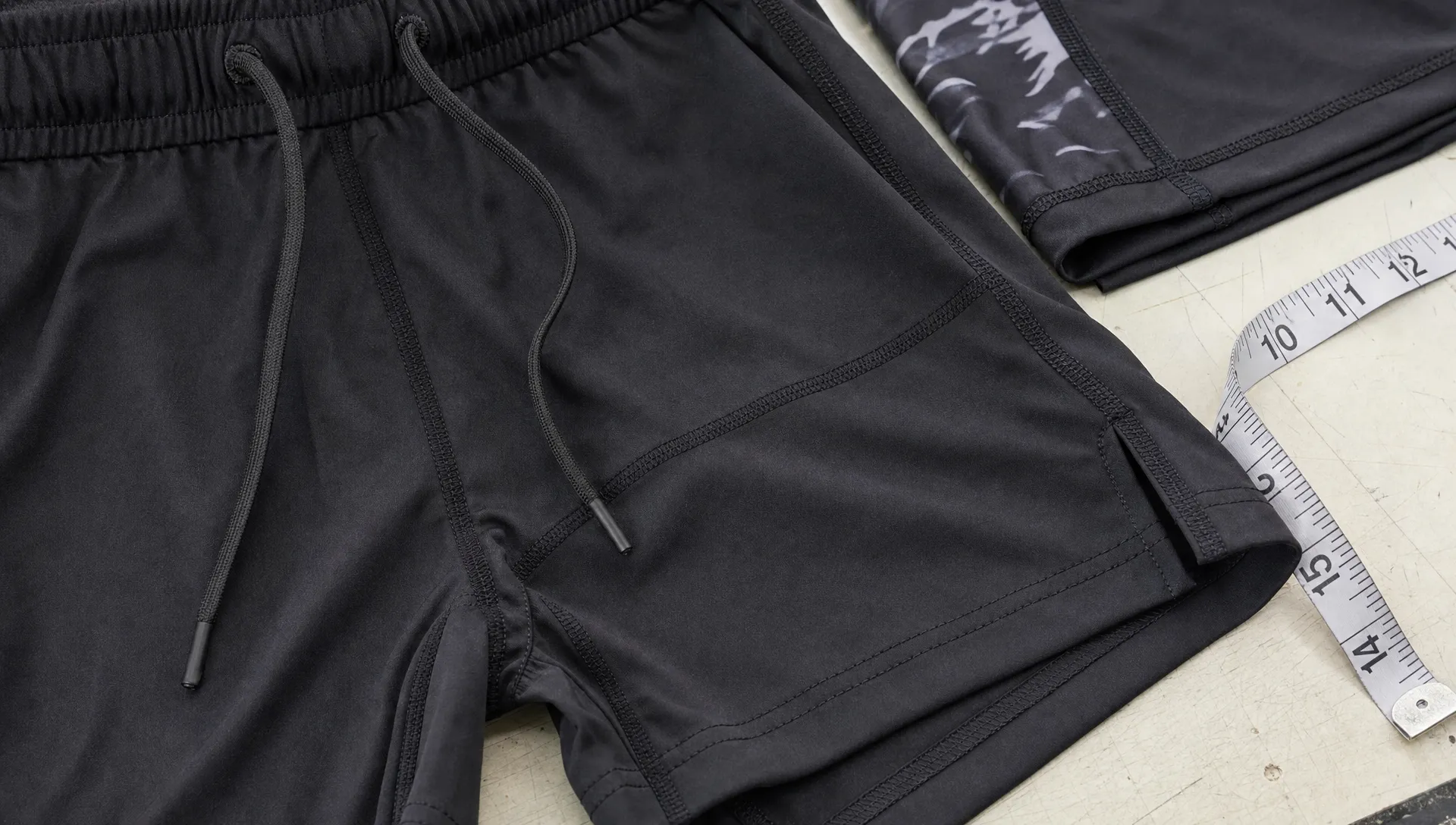
Check seam type first. Flatlock seams are often used where comfort and reduced bulk matter, such as rash guards and compression garments. Overlock and coverstitch construction may suit training tops and leggings. Reinforced lockstitch, bartacks and stress-point stitching matter for shorts, waistbands, drawcord openings and pocket edges.
For martial arts apparel, construction standards should match the sport. Grappling shorts need a secure closure, a gusset or panel design that supports movement and stitching that resists pulling. Gis need reinforcement in high-stress zones such as the collar, armpits, side vents, knees and lapels. Boxing apparel needs clean finishing, mobility and branding that survives repeated washing.
Do not approve a sample only from a front view. Ask for photos of the inside seams, hem finishing, label attachment, waistband construction and any stress points that failed in previous production runs.
Require a disciplined sample approval process
Sampling is where good suppliers prevent expensive bulk mistakes. Sportswear apparel manufacturers should separate design approval from fit approval and production approval. A single beautiful sample is not enough if it was made slowly by a sample room and cannot be repeated consistently in bulk.
A practical sampling flow usually includes a prototype, fit sample, size set sample and pre-production sample. The prototype confirms the design concept. The fit sample confirms measurements, proportion and comfort. The size set verifies grading across sizes. The pre-production sample confirms that bulk fabric, trims, branding and sewing methods are ready for production.
Treat the approved pre-production sample as your golden sample. Keep one sample with the supplier and one with your team if possible. Any later disagreement about color, fit, stitching, label placement or packaging can then be judged against a shared reference.
Verify sizing consistency across every market
Sizing problems are expensive because they create returns, exchanges and bad reviews. If you sell in multiple markets, do not assume one generic size chart will work everywhere. A medium in the USA, Germany, Australia, Japan and Thailand may not reflect the same buyer expectations.
Ask for a measurement chart with clear points of measure. For example, a short may require waist relaxed, waist stretched, outseam, inseam, leg opening, rise and hip. A rash guard may require chest, body length, sleeve length, shoulder width and bicep. Each point should have a tolerance, such as plus or minus 1 cm for some garment areas and tighter controls for critical fit points.
The best way to check grading is a size set. Review at least the smallest, middle and largest sizes before bulk production, especially when your order includes extended sizes. Also confirm shrinkage after wash because a correct first measurement can still become a customer complaint after laundering.
Assess printing, embroidery and private label branding
Branding quality influences how customers judge the entire product. Sportswear apparel manufacturers should recommend decoration methods based on fabric, stretch, washing, color complexity and order size. The cheapest decoration method can become costly if logos crack, peel, bleed or sit in the wrong position.
For polyester fightwear and rash guards, sublimation can work well when the design is built into the fabric surface before garment assembly. For cotton-rich uniforms or lifestyle apparel, screen printing, embroidery, woven labels or patches may be more suitable. Heat transfers can be useful, but they must be tested for stretch, wash durability and hand feel.
Private label buyers should check more than the main logo. Confirm neck labels, woven tags, hangtags, care labels, barcode labels, polybags and carton markings. If you sell through retailers or distributors, packaging accuracy can be as important as garment quality because one labeling mistake can delay an entire shipment.
Ask for artwork placement in measurable terms. Do not approve a logo by saying it should be centered or slightly lower. Use distance from seam, collar, hem or panel edge so the production team has a repeatable standard.
Audit quality control before bulk shipment
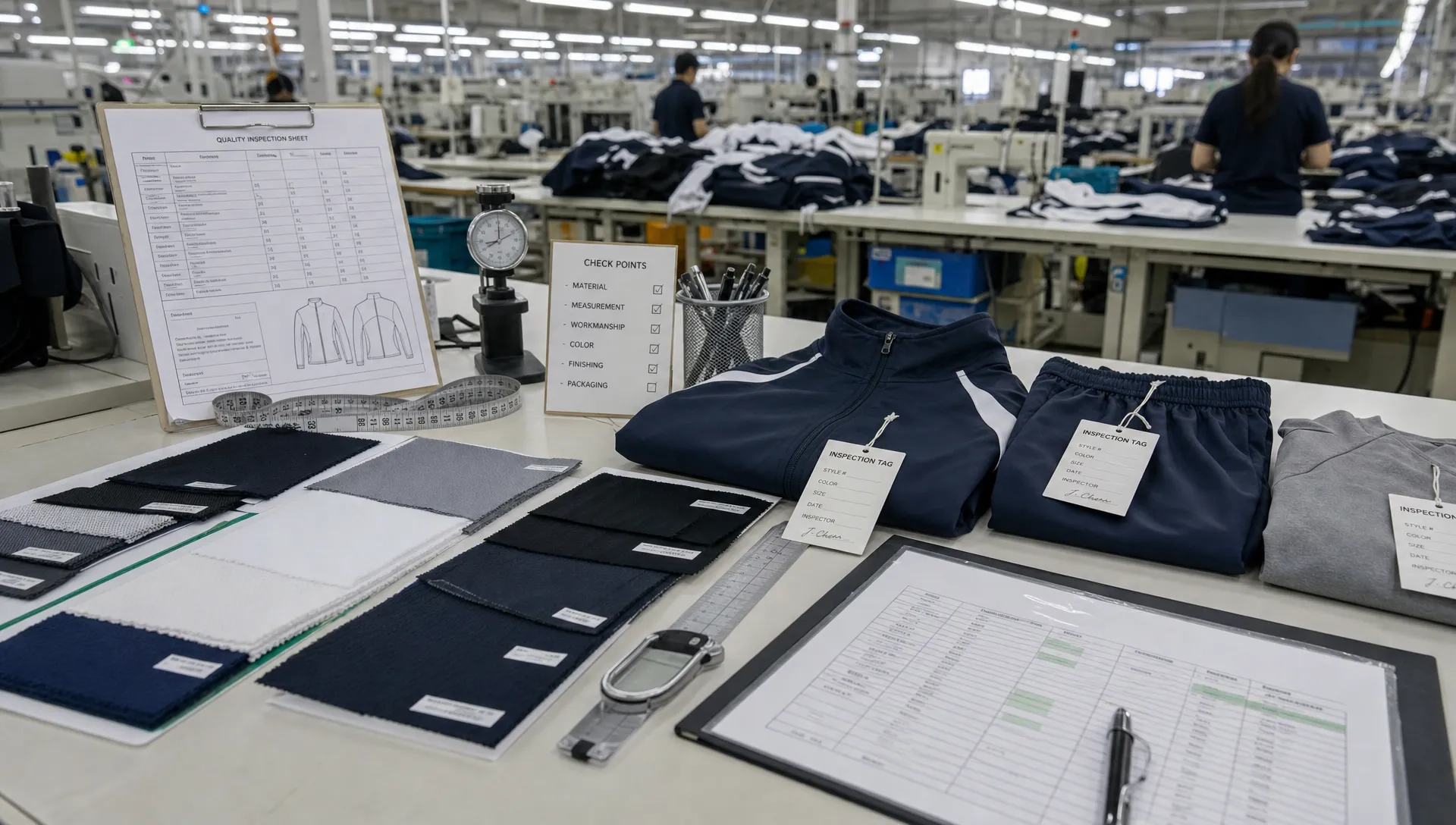
A supplier’s quality system should be visible during production, not only after cartons are sealed. Sportswear apparel manufacturers should have checkpoints for incoming materials, cutting, sewing, branding, finishing, packing and final inspection.
Many buyers use an AQL-style inspection framework for final checks. AQL stands for acceptable quality limit and is commonly used to define sample size and acceptance levels in apparel inspections. You do not need to become a technical inspector, but you should agree on what counts as a critical, major or minor defect before production starts.
| Defect level | Meaning | Examples in sportswear |
|---|---|---|
| Critical | Unsafe, unusable or legally risky issue | Sharp broken needle, wrong care label fiber content, severe contamination |
| Major | Defect likely to cause return or customer rejection | Open seam, wrong size label, logo cracking, large stain, incorrect measurement |
| Minor | Small issue that does not affect use but reduces perceived quality | Loose thread, slight shade variation, small packing wrinkle |
Ask for photos from inline production, not only finished goods. Inline inspection catches problems while they can still be corrected. Final inspection confirms that the finished order matches the approved sample, size chart, branding file and packing instructions.
Review communication, documentation and lead time discipline
Quality also depends on communication. A supplier can have strong sewing capability but still create problems if approvals, changes and deadlines are not documented. Before placing an order, test how clearly the team answers technical questions and how quickly they confirm details in writing.
Strong sportswear apparel manufacturers will tell you what they need before production begins: approved tech pack, fabric confirmation, artwork files, size breakdown, label files, packaging instructions, shipment address and payment schedule. They should also warn you when your deadline is unrealistic or when a design choice may affect cost, lead time or performance.
Create a simple production calendar with dates for fabric booking, sample approval, bulk cutting, sewing, branding, finishing, inspection and shipping. If a supplier regularly misses updates, changes specifications without approval or avoids sharing production status, treat it as a quality risk. Arus Sportswear has a useful breakdown of signs you need a better sportswear manufacturer if you are already dealing with repeated problems.
Score suppliers before you choose one
A structured scorecard keeps the decision from becoming only about unit price. Some sportswear apparel manufacturers may offer a lower quote but create higher total cost through reworks, late delivery, poor sizing or weak branding support.
Use weighted criteria that reflect your actual business model. A gym launching its first private label range may value low minimum orders and sampling guidance. A distributor may value bulk consistency, carton accuracy and repeat production. A fightwear brand may prioritize pattern development, fabric durability and custom design execution.
| Criteria | Suggested weight | What a strong supplier shows |
|---|---|---|
| Product category experience | 20% | Relevant samples, sport-specific construction knowledge and realistic feedback |
| Fabric and trim control | 20% | Clear specifications, approved swatches and reliable material sourcing |
| Sampling accuracy | 15% | Fit correction, size set control and documented approvals |
| Bulk quality control | 20% | Inline checks, final inspection process and defect reporting |
| Branding capability | 10% | Clean label, print, embroidery and packaging execution |
| Communication and delivery | 15% | Clear timelines, proactive updates and shipment documentation |
A scorecard does not replace judgment, but it forces every supplier to compete on the same standards.
Common red flags buyers should not ignore
Some issues are inconvenient. Others are signs that bulk production may become risky. Be careful if a supplier refuses to provide a measured sample report, avoids discussing tolerances, cannot explain fabric composition, changes trims without approval or sends photos that hide inside construction.
Low pricing can also be a warning if it is not supported by a clear specification. A cheap quote may exclude packaging, labels, artwork setup, fabric upgrades, sampling rounds or inspection steps. Ask what is included and what is not included before comparing suppliers.
Another red flag is vague production timing. A supplier should not promise a complex custom order without confirming material availability, sample approval dates and shipping method. Reliable manufacturing depends on sequence. When the sequence is unclear, the risk usually lands on the buyer.
Frequently Asked Questions
What should I ask a sportswear manufacturer before ordering samples? Ask about fabric options, MOQ, sample cost, sample timeline, size chart, branding methods, packaging options, lead time, inspection process and shipment terms. Share a product brief so the answer is based on your actual order.
How do I know if a sample is ready for bulk approval? A sample is ready when fabric, color, fit, stitching, trims, branding, labels and packaging match your written specification. For bulk orders, approve a pre-production sample made with the same materials and methods planned for production.
Should I choose the cheapest quote? Not automatically. Compare the quote against fabric quality, construction, sampling support, quality control, communication and shipping reliability. A low unit price can cost more if it leads to returns, rework or missed launch dates.
What documents should I keep after approving production? Keep the approved tech pack, measurement chart, artwork files, fabric and trim approvals, sample approval notes, size set report, production timeline, inspection report, packing list and shipment documents.
Can one manufacturer handle private label and OEM sportswear? Some manufacturers can handle both, but you should confirm their capabilities by category. Ask for relevant samples, branding examples, MOQ details and production processes for your specific garment type.
Build a stronger private label sportswear line with Arus Sportswear
Choosing from multiple sportswear apparel manufacturers is easier when your checklist separates real capability from sales talk. The right partner should understand your product category, guide your sampling process, support custom branding and maintain quality through bulk production.
Arus Sportswear manufactures custom MMA and martial arts apparel for brands, gyms and distributors, including private label fightwear, rash guards, BJJ gis, boxing apparel, karate uniforms and OEM sportswear. If you are planning a new line or improving an existing supplier base, use this checklist to prepare a clearer request before you start production conversations.