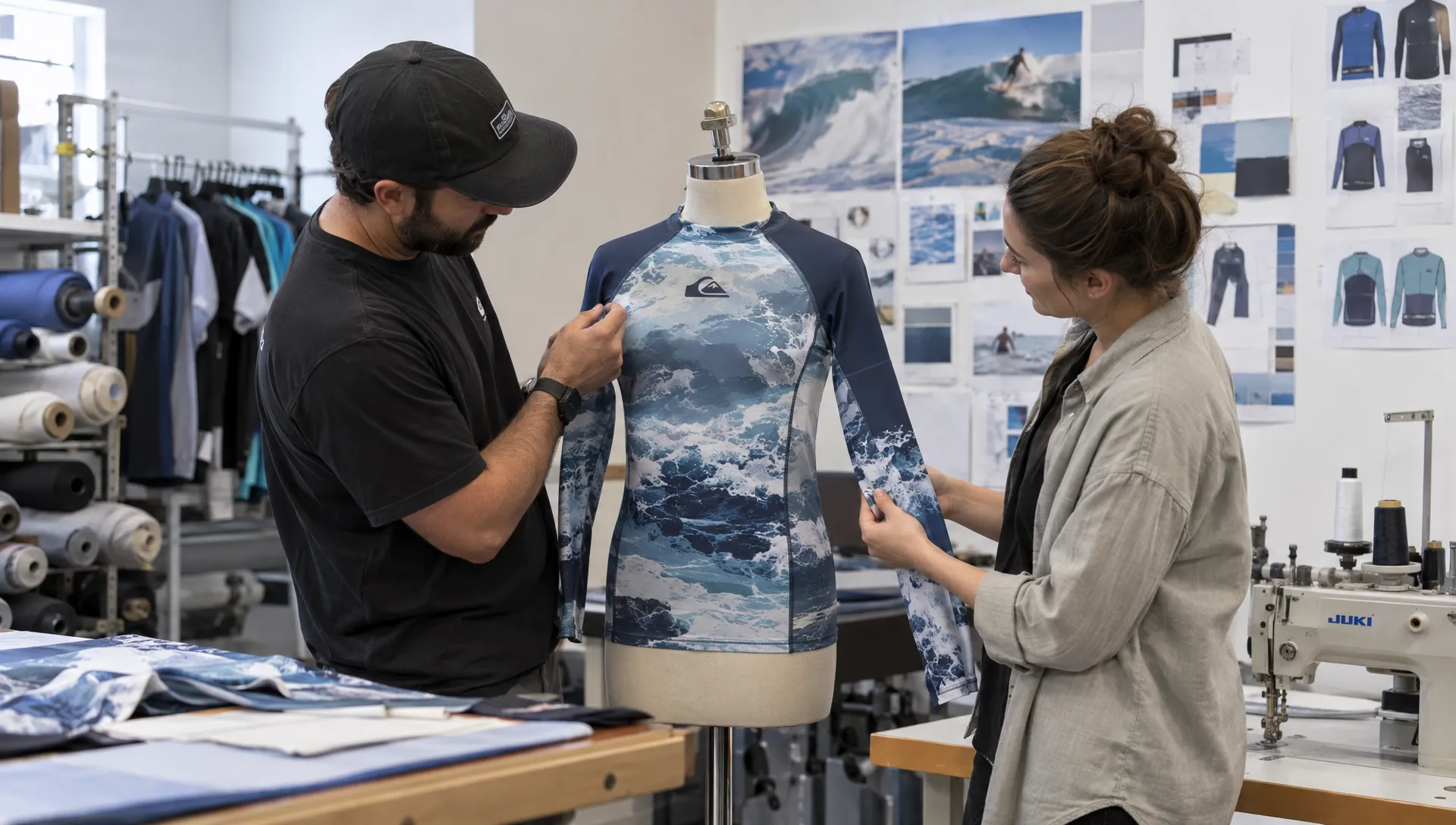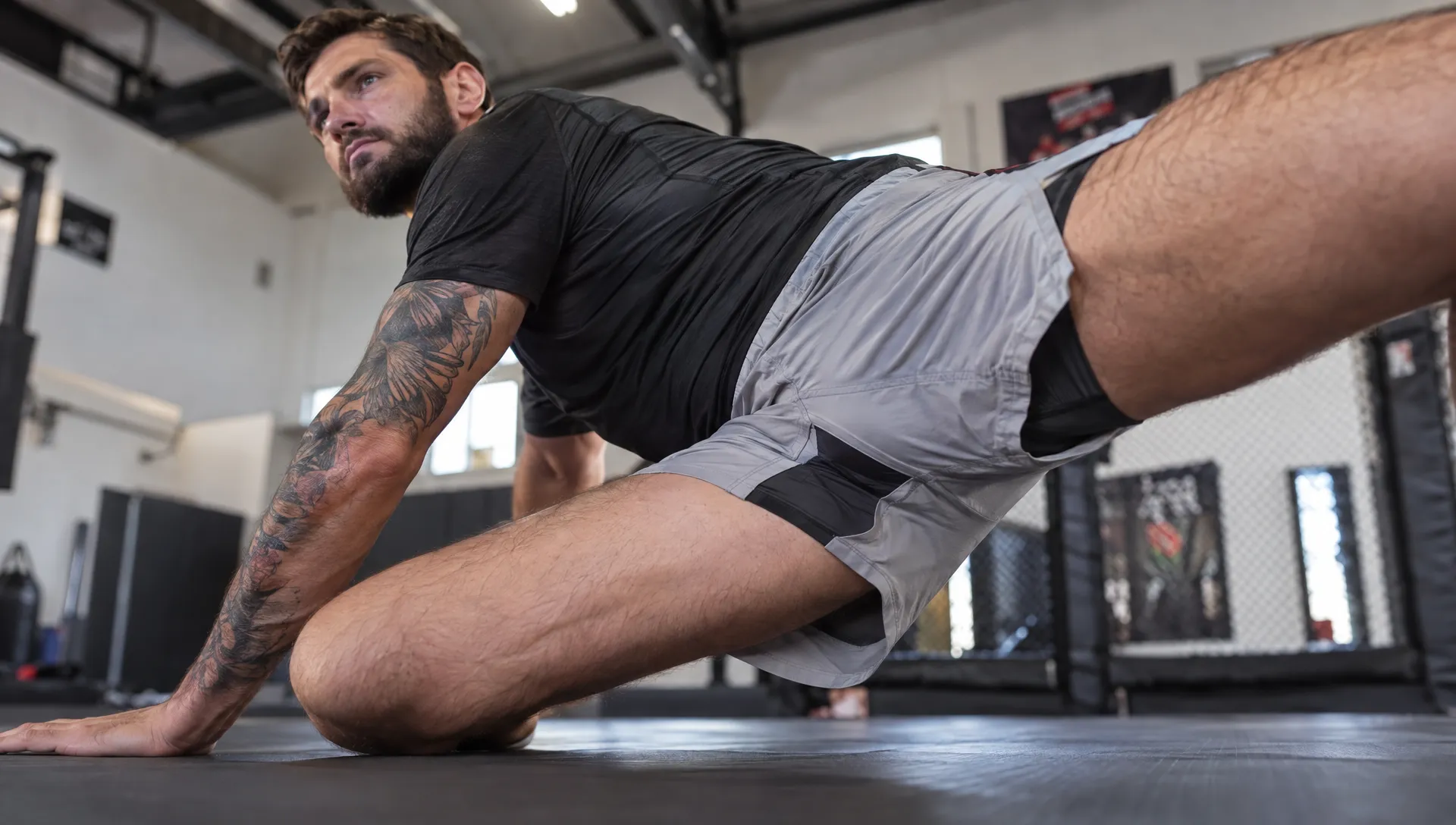
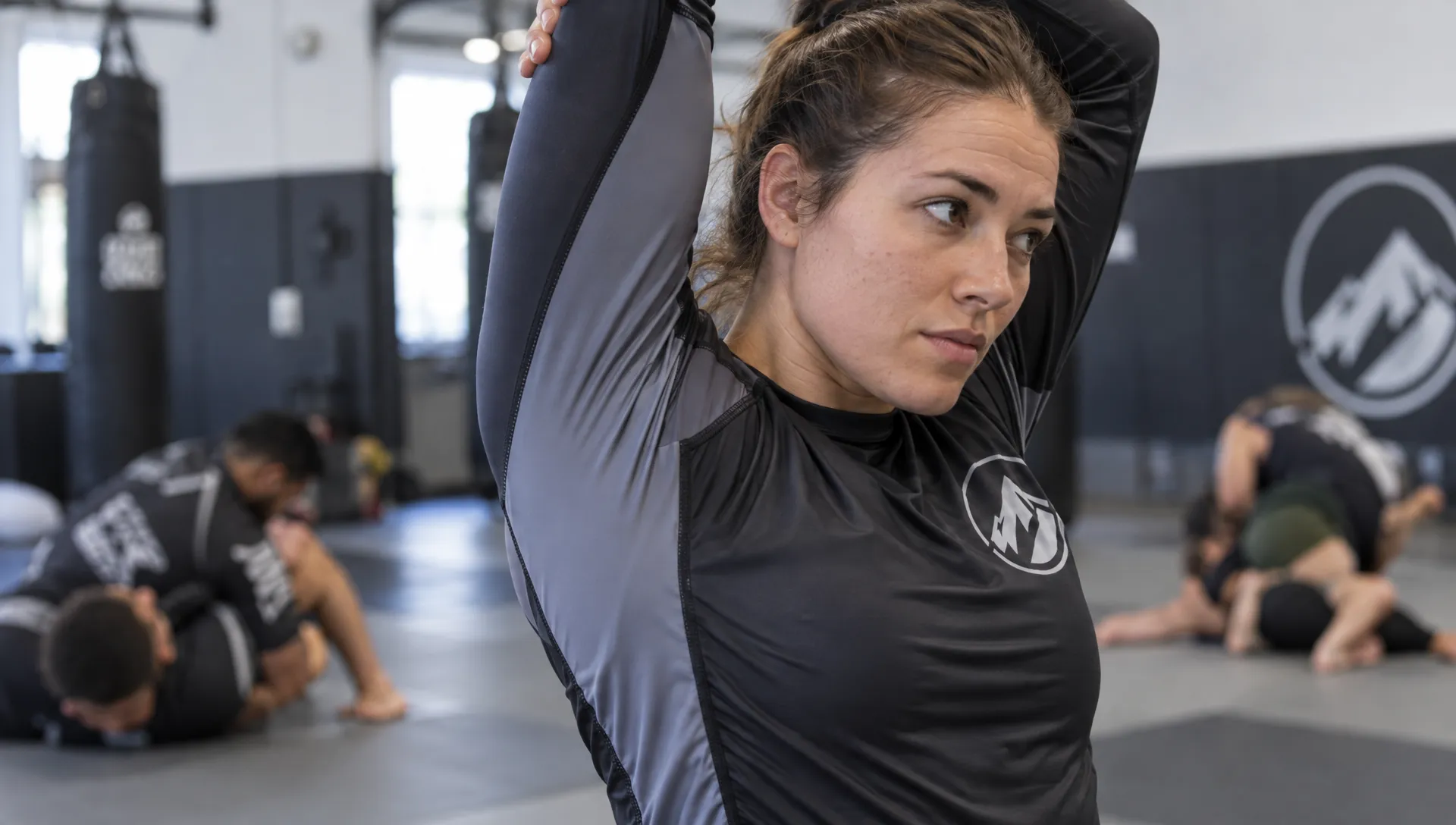
Well-designed apparel uniforms help a team look connected without asking every athlete to dress in an uncomfortable, identical fit. Shared colors and recognizable branding make membership visible, while suitable fabrics, practical construction and inclusive sizing make the clothing easier to wear. For gyms, martial arts schools and sports clubs, both sides matter: a uniform should communicate belonging and support the movements athletes actually perform.
That balance requires more than placing a logo on a shirt. Coaches and buyers need to consider how newcomers receive their kit, how different bodies fit into it and what happens after repeated training sessions. This guide focuses on those everyday details that turn matching clothing into a useful team standard.
How apparel uniforms strengthen team identity
A consistent uniform gives athletes a visible connection to their club. At a tournament, it helps teammates recognize one another. During a class, it makes coaches and training groups easier to identify. In team photographs, it creates a coherent appearance without relying on everyone owning exactly the same casual clothing.
But matching garments do not automatically create belonging. That comes from how the team treats its members. A uniform works best when it supports an existing culture of welcome, respect and shared expectations.
Make the design recognizable, not restrictive
Choose a few stable identity elements: a core color palette, a clear club mark and consistent placement. Those details can connect different garment styles, allowing athletes to choose a suitable cut without looking disconnected from the group.
For example, a martial arts school might use the same visual identity across rash guards, training shirts and coach apparel. The pieces serve different roles, but members can still recognize the team.
The identity benefit of apparel uniforms comes from that shared visual language, not from forcing everyone into one silhouette. Keep decorative elements secondary to legibility, especially when logos must work on both small chest placements and larger back panels. Arus Sportswear’s guide to how athletic apparel logos shape brand recognition explains this aspect in more detail.
Make belonging part of the uniform policy
A welcoming design can lose its value if the purchasing rules create unnecessary barriers. Before making a kit compulsory, explain what members need, when they need it and which alternatives are acceptable.
A new athlete may want to try several classes before committing to a full set. An established member may need a replacement top but not another pair of shorts. Clear requirements make those situations easier to handle without weakening the team’s appearance.
Separate essential kit from optional extras
Keep the essential uniform focused on what the activity requires. Additional items, such as warm-up layers or event clothing, can remain optional unless there is a clear operational reason to require them.
Set a practical replacement policy too. If a particular style becomes unavailable, a compatible alternative in the same team colors may be more sensible than making members replace usable garments.
For apparel uniforms to support inclusion, the policy should account for affordability, fit preferences and religious or modesty needs. Discuss suitable options with members, then check their compatibility with the sport’s safety requirements and competition rules.
Avoid using clothing purchases as a measure of commitment. An athlete’s participation, conduct and contribution to the group matter more than owning every item in the collection.
Choose fit around movement, not size labels
A size label is only a starting point. Two athletes with similar chest measurements may need different garment lengths, sleeve shapes or room through the shoulders. A close-fitting rash guard also needs a different assessment from a loose training shirt or structured martial arts uniform.
Provide garment measurements and explain how members should compare them with clothing they already wear comfortably. If possible, offer sample garments before collecting orders. This is especially useful when buying from a manufacturer whose sizing members have not used before.
Test the movements that matter
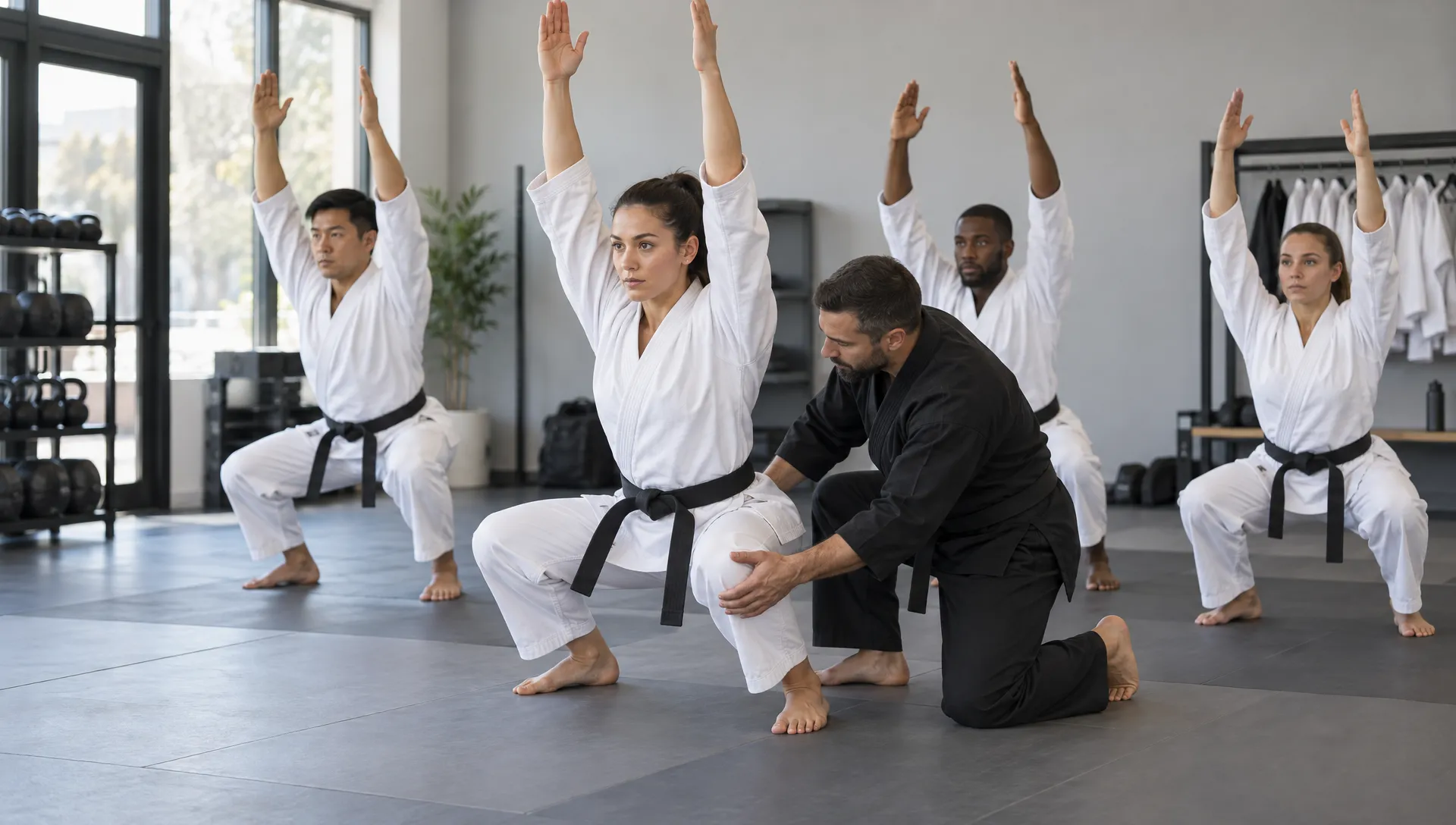
Assess fit during the activity, not just while standing in front of a mirror. Athletes should raise their arms, squat, rotate and perform relevant sport-specific movements in the sample.
Look for waistbands that roll, sleeves that pull across the shoulders and hems that shift more than expected. For contact disciplines, excess loose material can also be unsuitable, depending on the garment and rules involved.
Comfortable apparel uniforms should accommodate the required movement without constant adjustment. A garment that repeatedly needs pulling into place can distract from practice, even if it looks good in a team photograph.
Collect feedback privately where possible. Members may be reluctant to discuss tightness, body shape or coverage in front of teammates. A simple fitting form gives them a more comfortable way to explain what needs changing.
Match comfort features to the training environment
Comfort depends on several interacting factors: fabric, fit, seams, temperature and the intensity of the session. A fiber name or a “performance” label cannot tell you how a finished garment will feel during use.
Polyester fabrics are common in activewear, but their moisture behavior varies with yarn, construction and finishing. Stretch also depends on more than elastane content. The pattern and placement of panels affect whether the finished garment allows useful movement.
Use actual samples to evaluate the combination rather than choosing from fabric descriptions alone.
| Training situation | What to assess | Useful sample check |
|---|---|---|
| Repeated overhead movements | Shoulder freedom and underarm comfort | Raise both arms and repeat the sport’s overhead actions |
| Grappling or close-contact practice | Appropriate fit, secure closures and seam comfort | Perform supervised movement drills in suitable training kit |
| High-intensity indoor sessions | Heat buildup and comfort when damp | Compare garments during similar sessions |
| Longer, lower-intensity classes | Ease of movement and prolonged skin contact | Wear the sample through a complete class |
Pay attention to friction points
Underarms, necklines, waistbands and areas where equipment touches clothing deserve particular attention. A prominent seam or stiff decoration may feel acceptable initially but become irritating after repeated movement.
When assessing apparel uniforms, ask athletes where they noticed rubbing, pressure or restriction rather than simply asking whether the garment was comfortable. Specific feedback is easier to act on than a general rating.
Keep accessories out of contact practice
Uniform comfort also depends on what athletes wear with their kit. Rings, watches, necklaces and bracelets should be removed before contact practice because they can catch on clothing or create hard contact points.
Personal pieces such as diamond engagement rings belong outside the training session, even when they are normally worn every day. Make removal part of the changing routine and encourage members to arrange secure storage before arriving at the gym.
Check footwear, protective equipment and any permitted head coverings alongside the garment. The complete outfit needs to work together. A comfortable waistband, for example, may behave differently when worn with the protective equipment required for a particular discipline.
For competition, consult the organizer’s current uniform and equipment requirements. A kit that works well in ordinary practice is not automatically approved for an event.
Use a wear test before placing a bulk order
A sample approval should cover more than color and logo placement. Include athletes with different builds, experience levels and training preferences, rather than relying on one person to represent the whole group.
Give testers the same questions and ask them to wear the sample during comparable sessions. Separate appearance feedback from functional feedback so an attractive design does not hide an uncomfortable fit.
A short assessment can cover:
- Movement: Does the garment permit the required actions without pulling or shifting excessively?
- Skin contact: Where do seams, labels or decoration cause rubbing?
- Coverage: Does the garment remain suitable during bending, reaching and partner drills?
- Care: How do fit, seams and decoration hold up after washing according to the care instructions?
Testing apparel uniforms before a larger order makes it easier to identify changes while the specification is still adjustable. Record those changes in writing, including approved measurements, branding placement and any construction details agreed with the manufacturer.
Wash testing is particularly useful because the team will wear the kit repeatedly. Note visible shrinkage, twisting or changes in decoration, then discuss any concerns with the supplier before approving production. Do not assume a fabric or print will perform a certain way without checking the finished sample.
For discipline-specific garments, the benefits of working with a custom martial arts uniform manufacturer include the opportunity to discuss requirements that generic team clothing may not address.
Frequently asked questions
Do matching uniforms improve team performance? Matching clothing can support recognition and a shared identity, but it does not guarantee better athletic results. Coaching, preparation and team behavior remain central. Suitable clothing contributes by avoiding unnecessary discomfort or movement restrictions.
Should every member wear the same cut? Not necessarily. Shared colors and branding can connect different cuts. The aim is a recognizable team appearance with appropriate fit, coverage and safety for each athlete.
What matters most when choosing apparel uniforms? Start with the activity’s requirements, then assess movement, fit, skin comfort and repeated wear. Branding matters, but it should not make the garment less practical for training.
How can a team serve members in different climates? Keep the visual identity consistent while selecting suitable garment weights or layers. Evaluate conditions where members actually train, including indoor temperature, rather than making assumptions based only on their country.
Build a team uniform around real needs
Before requesting production, prepare a brief covering the discipline, essential garments, team colors, size requirements and sample-testing criteria. Include destination countries and ask the manufacturer to confirm order quantities, production timing and shipping arrangements.
Arus Sportswear offers custom apparel designs, private label and OEM production, low minimum orders and worldwide shipping for brands, gyms and distributors. Discuss your team’s requirements before committing to a bulk order. A clear brief and an approved sample help keep identity and comfort equally important in the finished kit.