For a gym, fightwear brand, distributor, or private label apparel company, performance sportswear is not just a higher-priced product category. It is a business decision. The right garments can improve how customers train, how often they repurchase, how confidently you price your collection, and how your brand is perceived after months of real use.
That is why the cheapest option is rarely the best comparison point. A low-cost rash guard, training short, compression top, or gym tee may look fine in a product photo, but performance is judged in motion: sweat, friction, stretching, gripping, washing, drying, and repeated wear. If the product fails there, the savings disappear quickly.
Performance sportswear becomes worth the investment when it delivers value in four places at once: athlete experience, product lifespan, brand trust, and operational reliability.
What performance sportswear really means
Performance sportswear is apparel designed to support movement, comfort, and durability under athletic stress. It is not defined by one fabric or one construction method. Instead, it is the combination of material selection, pattern engineering, seam placement, stretch recovery, moisture control, print durability, and quality control.
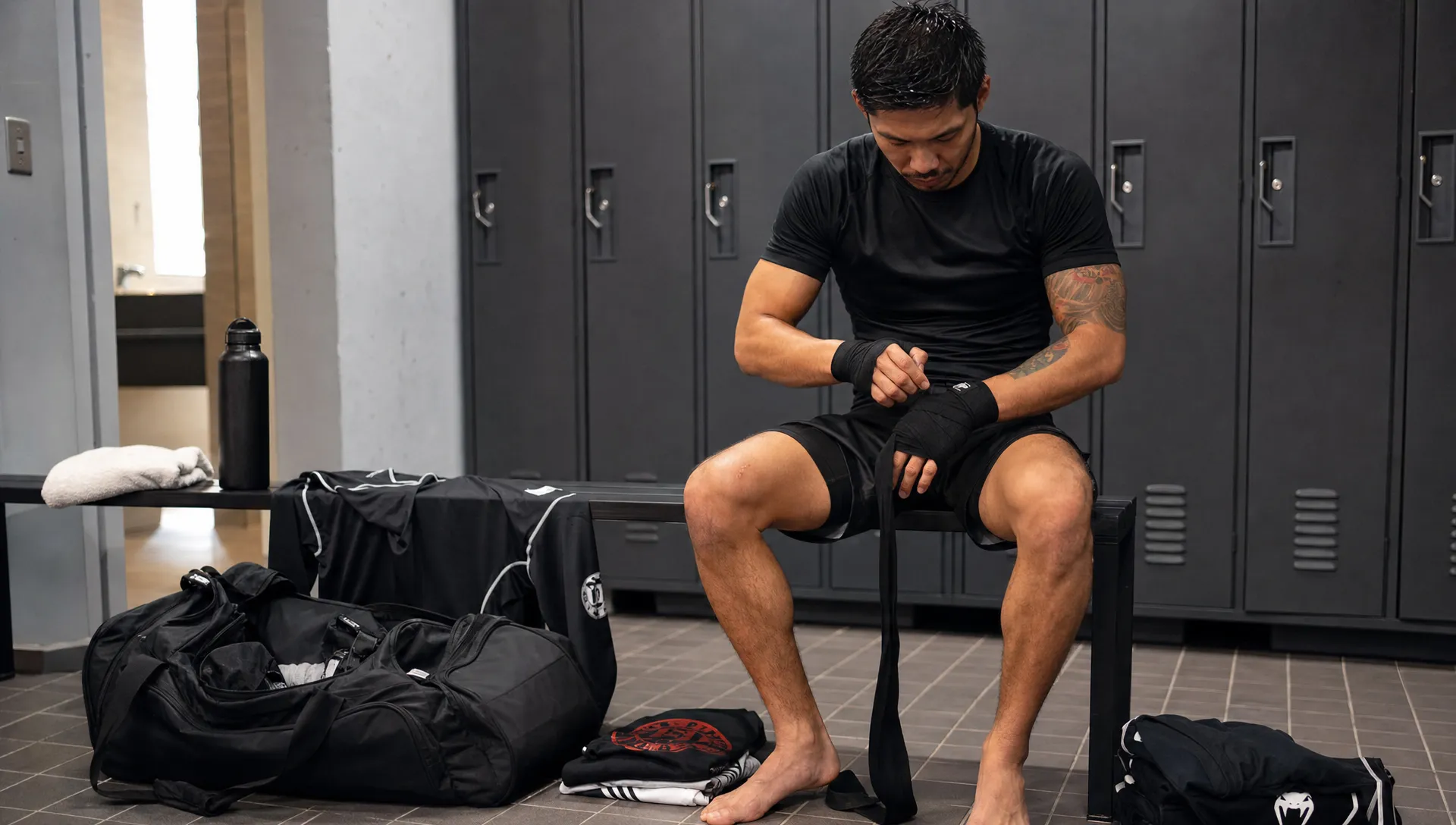
For combat sports and high-intensity training, that combination matters even more. MMA shorts need mobility without tearing. Rash guards need compression without restricting breathing. BJJ gis need strength without feeling unnecessarily heavy. Boxing apparel needs comfort, ventilation, and consistent sizing. When products are used in sweaty, abrasive, high-contact environments, weak materials and poor construction show quickly.
A performance garment usually earns its value through details customers may not notice at first glance, but they feel during use. These include smoother seams, better fabric recovery, more secure waistbands, improved ventilation, reduced chafing, and branding that does not crack or peel after a few washes.
| Performance factor | Why it matters to athletes | Why it matters to brands |
|---|---|---|
| Moisture management | Helps reduce discomfort during hard training | Improves product reviews and repeat purchases |
| Stretch and recovery | Supports movement without sagging out | Protects fit consistency over time |
| Seam strength | Reduces irritation and garment failure | Lowers complaints and returns |
| Abrasion resistance | Handles mats, gloves, bags, and repeated contact | Extends perceived product life |
| Color and print durability | Keeps apparel looking professional | Preserves brand image after washing |
| Consistent sizing | Builds customer confidence | Reduces exchanges and support issues |
The hidden cost of cheap sportswear
Cheap sportswear can be tempting, especially when launching a new collection or trying to protect margin. But the real cost is not only the unit price. It is the cost of returns, replacements, negative reviews, poor sell-through, and lost trust.
A garment that looks acceptable on delivery but loses shape after several sessions can damage the relationship between your brand and your customer. In martial arts, that relationship is especially personal. Athletes train in the same gear weekly. Gym members wear team apparel as part of their identity. If the product disappoints, it does not stay private.
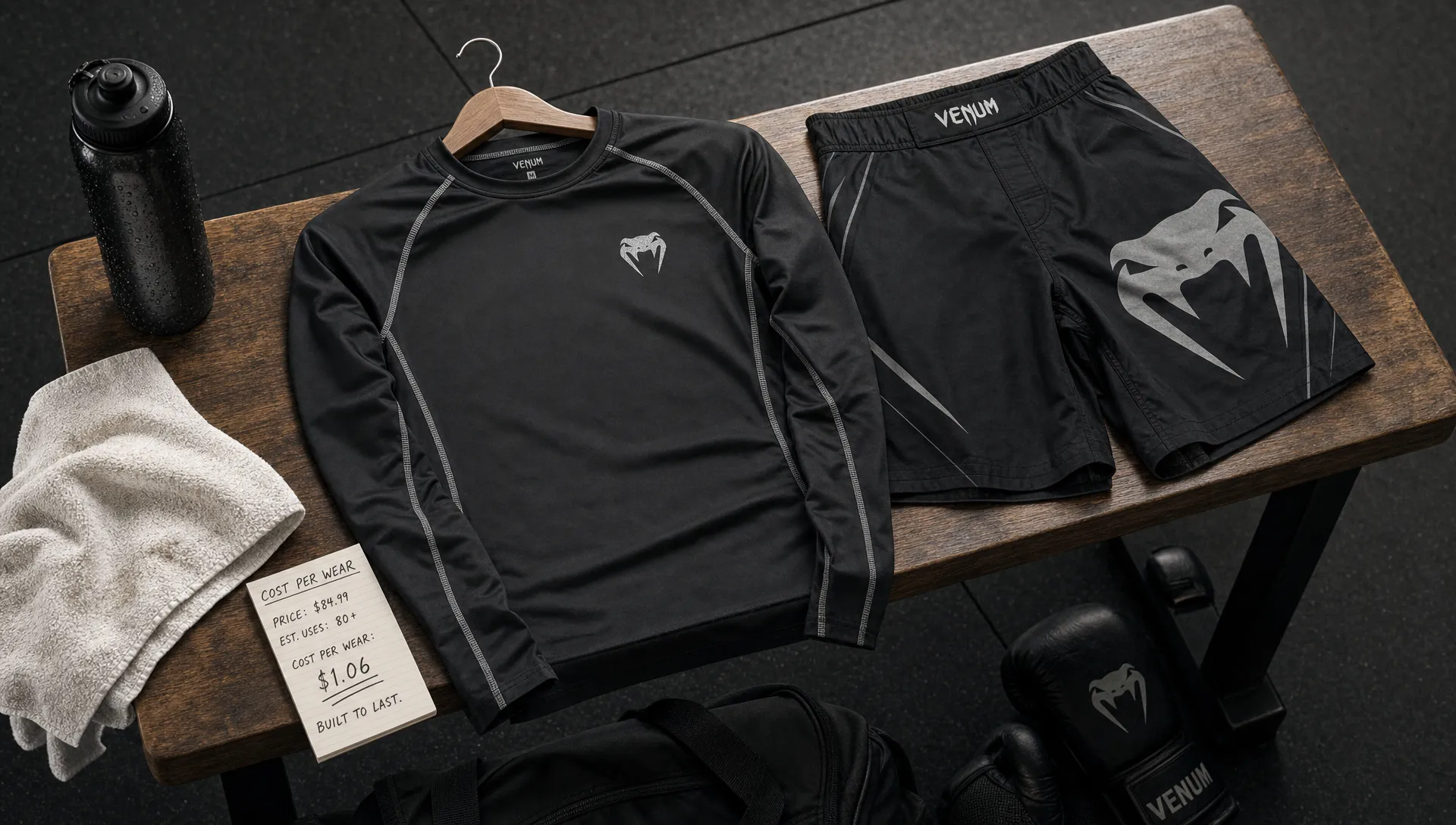
Cost per wear is a useful way to think about value. For example, if an inexpensive training top costs less upfront but only performs well for a short period, the customer may feel they overpaid. A better-made garment with a higher initial cost can still be more economical if it lasts longer, retains fit, and keeps its appearance.
| Scenario | Illustrative unit cost | Useful wears before decline | Cost per useful wear |
|---|---|---|---|
| Basic low-cost garment | $18 | 10 wears | $1.80 |
| Better performance garment | $30 | 40 wears | $0.75 |
These numbers are only an example, not a guarantee, but the principle is important. Customers rarely judge value by the invoice cost of production. They judge it by how long the product continues to perform like something they are proud to wear.
Why materials are only part of the investment
Fabric choice matters, but performance sportswear is not created by fabric alone. Two garments can use similar polyester, nylon, spandex, cotton blends, or ripstop materials and still perform very differently. The difference often comes from specifications, construction, and manufacturing discipline.
A serious buyer should look beyond generic fabric names and ask about weight, stretch direction, recovery, hand feel, shrinkage tolerance, colorfastness, pilling resistance, and suitability for the intended sport. A grappling rash guard, for instance, has different requirements than a casual gym tee. A karate uniform has different performance priorities than MMA board shorts.
This is where sourcing decisions become strategic. If you need a deeper framework for evaluating materials, samples, and production standards, Arus Sportswear has a helpful guide on how to source performance apparel that holds up.
The best suppliers do not simply ask for a logo file and produce a garment. They help translate the product concept into a specification that can survive real-world use. That includes choosing the right fabric for the sport, recommending construction details, preparing samples, adjusting fit, and keeping production consistent across bulk orders.
Fit and pattern design create the performance feel
One of the biggest reasons performance apparel feels premium is fit. A garment can use strong materials and still fail if the pattern restricts movement, rides up, twists, or creates pressure in the wrong places.
In combat sports, fit is functional. Shorts must allow kicks, sprawls, and level changes. Rash guards must stay in place during grappling. Gis must balance mobility, grip resistance, and durability. Compression pieces must support movement without feeling suffocating. Even small pattern decisions can affect how athletes experience a product.
Good fit also supports better sizing consistency. When customers trust your sizing, they are more likely to buy again and less likely to exchange. For online brands and distributors, this can directly improve margins because fewer returns mean fewer shipping costs, fewer support tickets, and less unsellable inventory.
Durability protects your brand reputation
Every piece of apparel represents your brand after the sale. If the logo cracks, seams split, colors fade, or fabric pills quickly, the customer does not blame the fabric mill or the factory. They blame the brand name on the product.
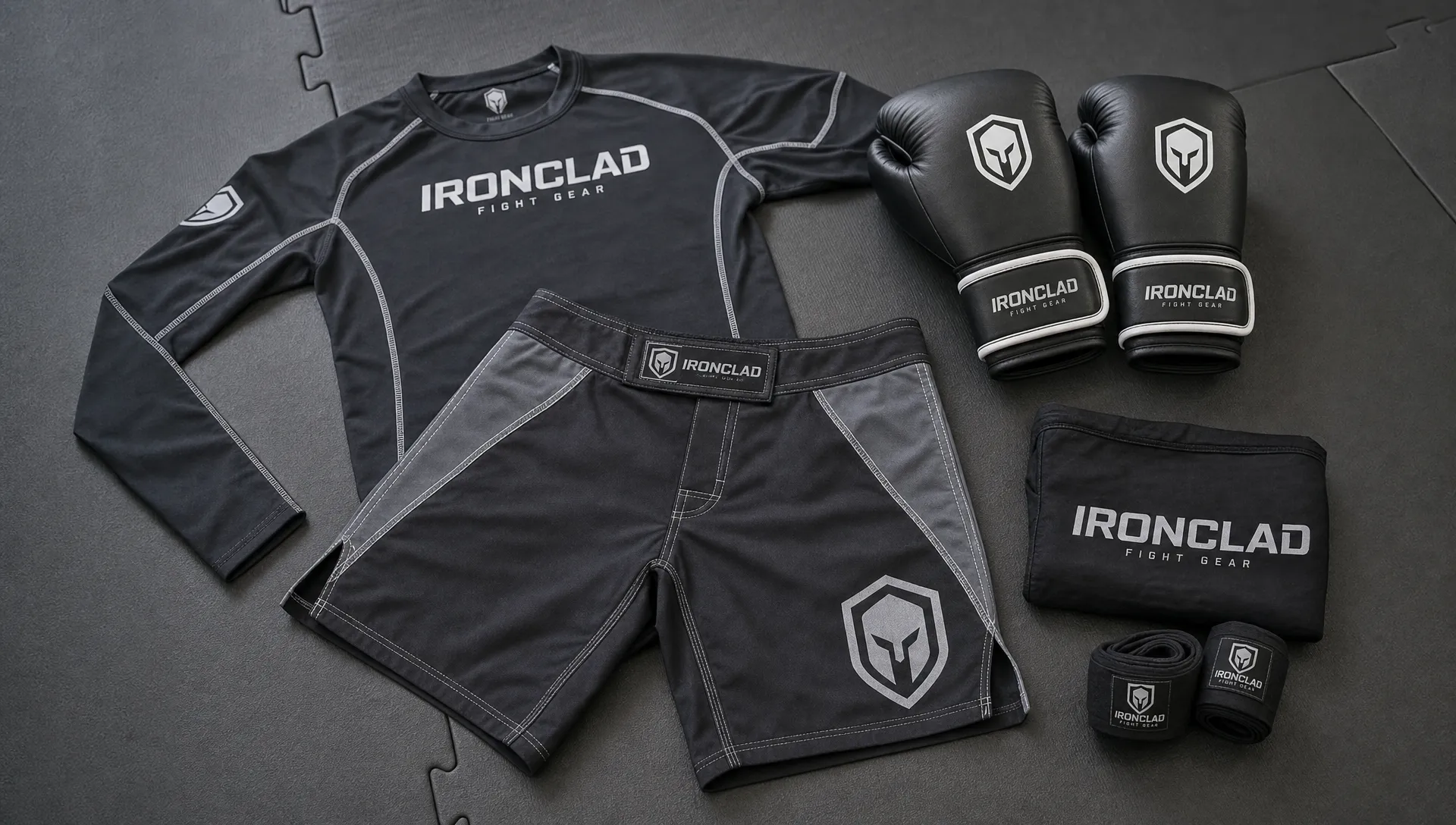
Durability is especially important for private label and custom sportswear because the garment is often the first physical proof of brand quality. A gym may have excellent coaching, but low-quality apparel can make its retail offering feel unprofessional. A fightwear startup may have strong branding, but weak construction can make customers hesitant to try the next release.
Durability also affects wholesale relationships. Retailers, gyms, and distributors want products that sell through without creating problems. If a buyer has to manage complaints, inconsistent sizing, or quality issues, they may not reorder. Investing in better performance sportswear helps protect those relationships before problems appear.
Better sportswear can justify better pricing
Premium pricing requires a reason. Customers will pay more when they can understand or feel the difference. Performance sportswear gives brands a stronger pricing story because the value is not only visual. It is practical.
A well-built product can support messaging around training comfort, durability, sport-specific design, and professional appearance. This is particularly useful in crowded categories where many brands use similar slogans and visual styles. The product itself becomes part of the differentiation.
Custom design also strengthens this effect. Distinct colors, logo placement, trims, cuts, and coordinated collections can make apparel feel like a real brand asset instead of generic merchandise. If your goal is to build stronger recognition through custom apparel, the article on how custom apparel helps sports brands stand out expands on that branding angle.
Performance does not mean overcomplicating every product. Sometimes the smartest collection includes a mix of premium technical pieces and more accessible basics. The key is to be intentional. Hero products such as rash guards, fight shorts, gis, or compression gear should prove your quality promise. Entry-level pieces such as tees or hoodies should still meet customer expectations for comfort and wash durability.
Investment value is built into the production process
The final garment is only one part of the investment. A reliable production process can save money by preventing mistakes before they become bulk-order problems.
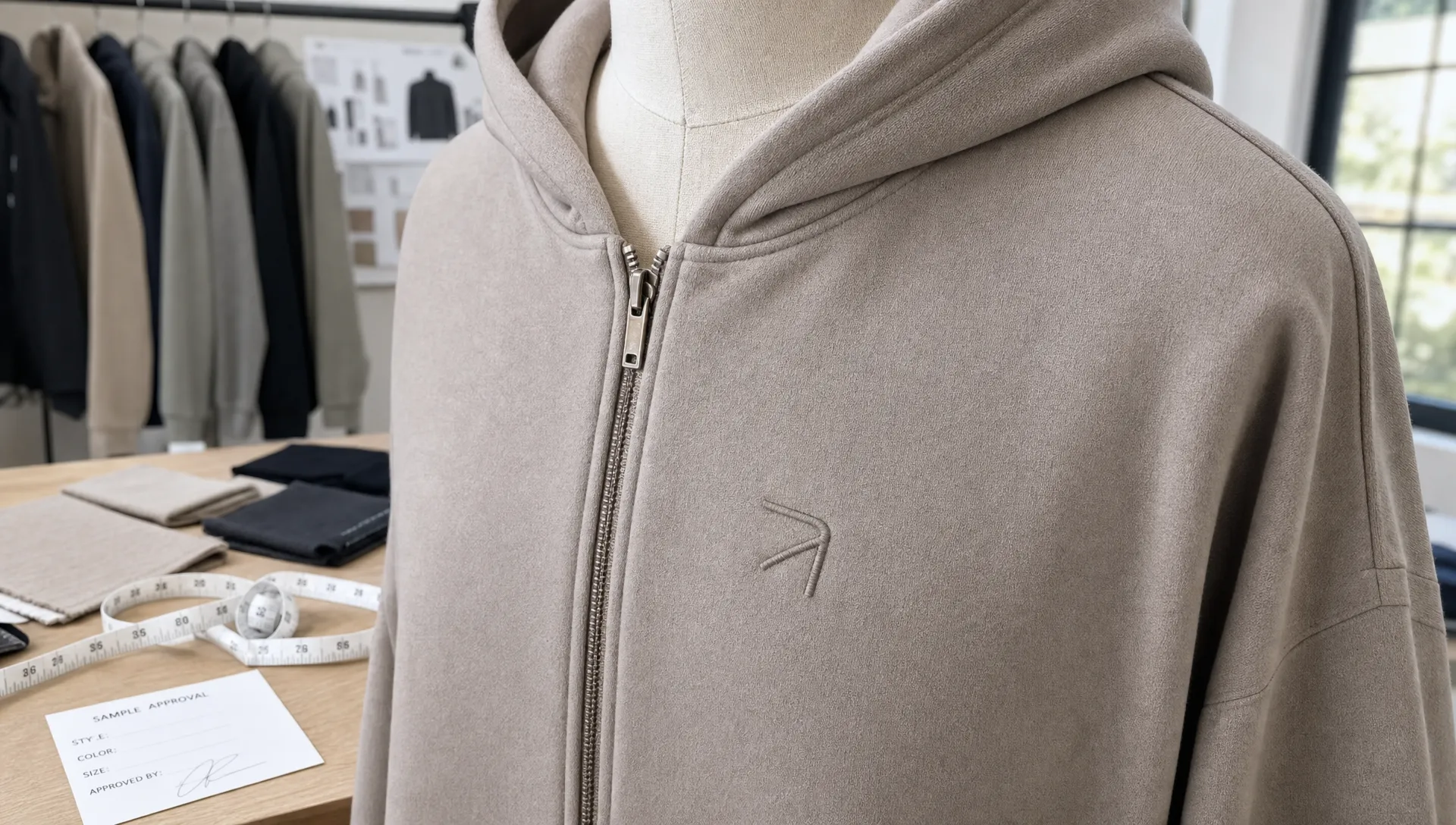
Sampling is a major example. A sample allows you to test sizing, fabric feel, stitching, logo scale, print placement, and overall finish before committing to production. For brands ordering custom fightwear or private label apparel, this stage can reveal issues that are much cheaper to fix early.
Quality control is another key factor. Consistent cutting, stitching, measurement checks, packaging standards, and logo application all influence how professional the product feels. In bulk manufacturing, small inconsistencies can multiply quickly. The investment in a more capable manufacturer is partly an investment in reducing avoidable risk.
For brands building a larger line, private label production can also create consistency across categories. Rash guards, shorts, gis, boxing apparel, and gym wear can share design language, sizing logic, labeling, and packaging. That makes the brand easier to recognize and easier to reorder. If you are exploring that route, this complete guide to private label martial arts clothing is a useful next step.
Logistics and fulfillment affect the customer experience too
Even the best performance product can lose value if it reaches customers late, damaged, or inconsistently packaged. For growing brands, the post-production supply chain should be part of the investment conversation.
If you sell direct-to-consumer, wholesale, or through multiple platforms, storage and fulfillment can affect delivery speed, inventory accuracy, and customer satisfaction. UK brands, for example, may benefit from working with a specialist 3PL logistics provider that can support warehousing, order fulfillment, and transport as order volume grows.
This matters because performance apparel customers often buy around events, training cycles, tournaments, and seasonal launches. Missed delivery windows can weaken the impact of a product drop. Clear production timelines, reliable shipping plans, and organized fulfillment help turn a good product into a dependable customer experience.
How to decide whether premium performance sportswear is worth it
The investment makes sense when the product supports your business model, customer expectations, and brand positioning. A gym selling occasional member tees may not need the same specification as a fightwear brand targeting serious MMA athletes. A distributor serving multiple academies may care most about durability, reorder consistency, and sizing reliability.
Before increasing product spend, clarify what the garment must achieve. Is it meant to be a premium retail item, a team uniform, a competition product, a branded giveaway, or a long-term catalog staple? The answer should guide material selection, construction, branding method, and packaging.
A simple buyer checklist can help:
- Define the sport, training environment, and expected wear conditions.
- Decide which products need premium specifications and which can remain more basic.
- Test samples through movement, washing, drying, and repeated use.
- Review seams, trims, labels, prints, and packaging as part of the full product experience.
- Compare cost per wear and return risk, not only unit price.
- Choose a manufacturer that can support custom branding and consistent bulk production.
The goal is not to spend more for the sake of it. The goal is to spend where the customer will notice, where the product will last, and where the brand will benefit.
What to measure after launch
Performance sportswear should be evaluated after it enters the market. Customer feedback, return reasons, reorder rates, and product reviews can reveal whether the investment is paying off.
Look for patterns. If customers praise comfort and fit, you may have found a strong product base for future collections. If returns cluster around sizing, the pattern or size chart may need refinement. If print durability becomes a complaint, the decoration method or production process should be reviewed.
Useful post-launch indicators include repeat purchase rate, exchange rate, wholesale reorder frequency, average review quality, and customer comments about fit, comfort, and durability. These signals help you make the next production run stronger than the first.
Frequently Asked Questions
Is performance sportswear always more expensive to manufacture? Usually, yes, because better fabrics, stronger construction, sampling, and quality control can increase production cost. However, the added cost can be justified when the garment lasts longer, performs better, and supports stronger pricing.
What makes performance sportswear different from regular activewear? Performance sportswear is designed for specific movement, sweat, friction, and durability demands. Regular activewear may be comfortable for casual use, but technical sportswear is built around training conditions and repeated stress.
Which products benefit most from performance construction? Rash guards, MMA shorts, compression wear, BJJ gis, boxing apparel, and competition uniforms benefit strongly because they face intense movement, abrasion, and washing. Gym tees and hoodies can also benefit when they are sold as premium branded merchandise.
How can a brand test whether a garment is good enough? Start with samples and test them through real movement, repeated washing, stretch, sweat, and friction. Review seam strength, fit, color retention, logo durability, and comfort before approving bulk production.
Can small brands invest in performance sportswear without huge orders? Yes, if they work with a manufacturer that supports lower minimum orders and custom production. This allows brands to test designs, validate demand, and grow into larger runs over time.
Build products customers want to train in again
Performance sportswear is worth the investment when it makes your brand more reliable, more desirable, and more profitable over time. Better materials, smarter fit, durable construction, and consistent manufacturing all help create apparel that customers trust after the first session and after the twentieth wash.
Arus Sportswear manufactures custom MMA and martial arts apparel for brands, gyms, and distributors worldwide, including private label fightwear, rash guards, BJJ gis, boxing apparel, karate uniforms, and custom sportswear. If you are planning a new collection or improving an existing one, partner with a manufacturer that understands performance, branding, and bulk production from the start.