Sourcing performance apparel is not about choosing the stretchiest fabric or the lowest unit cost. It is about building a product that survives sweat, friction, repeated washing, hard training sessions, and customer expectations after the first wear.
For sportswear brands, gyms, martial arts academies, and distributors, durability is more than a quality issue. It affects reviews, repeat purchases, returns, and brand trust. A rash guard that pills after two washes or shorts that lose waistband elasticity can make customers question the entire brand, even if the design looked great at launch.
The good news is that strong sourcing decisions are practical. When you know what to ask, what to test, and what to document before production, you can reduce risk and build performance apparel that actually holds up.
Define what “holds up” means for your customer
Before you contact a manufacturer, define the performance standard your product needs to meet. A lightweight gym tee, compression rash guard, BJJ gi, boxing short, and warm-up hoodie all face different stress.
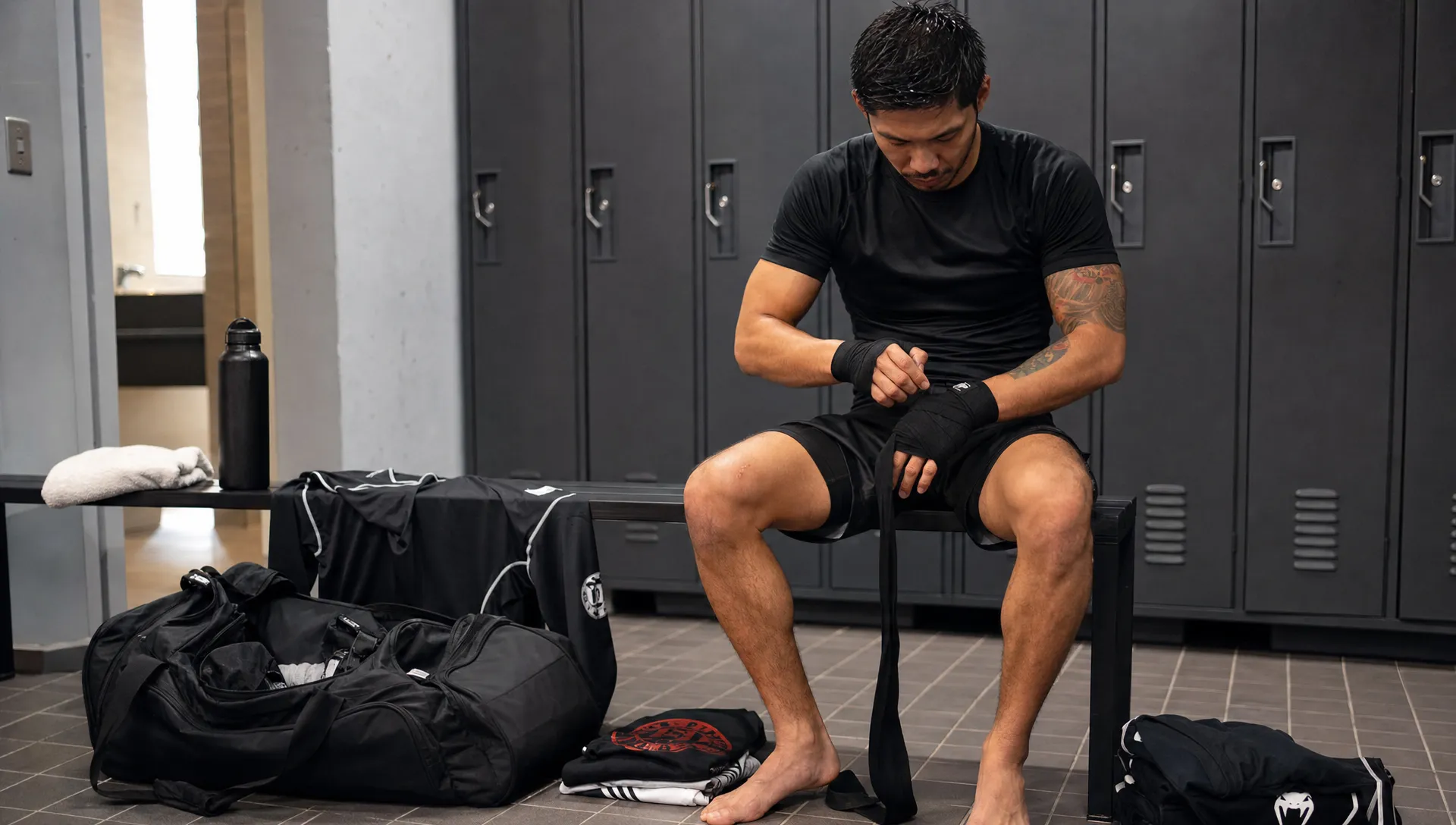
For combat sports, the bar is especially high. Apparel may be stretched, grabbed, sweated through, rubbed against mats, exposed to repeated washing, and worn under pressure. A product that feels fine in a showroom can fail quickly in sparring, grappling, or high-intensity conditioning.
A useful sourcing brief should define durability in measurable terms, not vague language. Instead of saying “premium fabric,” specify the result you need: strong recovery after stretch, opacity when pulled, smooth feel after washing, stable seams, and colors that stay sharp.
| What customers notice | What usually causes failure | What to specify early |
|---|---|---|
| Fabric becomes see-through when stretched | Low fabric weight or poor knit density | GSM, opacity, stretch direction, intended compression |
| Seams pop during training | Weak thread, poor stitch type, low seam allowance | Stitch type, thread quality, stress-point reinforcement |
| Prints crack or peel | Wrong decoration method for stretch fabric | Sublimation, high-stretch print, or tested heat transfer |
| Garment shrinks or twists | Poor fabric stabilization or cutting control | Pre-shrunk fabric, shrinkage tolerance, grainline control |
| Colors fade after washing | Weak dyeing or finishing process | Colorfastness expectations and wash testing |
| Waistband rolls or loosens | Poor elastic quality or construction | Elastic width, recovery, attachment method |
This early clarity helps you compare suppliers fairly. It also prevents the common mistake of approving a good-looking sample that cannot survive real use.
Start with the end use, not the catalog
Many sourcing mistakes happen because buyers begin with a supplier catalog instead of the customer use case. Catalogs are useful, but they rarely tell the full story. The same polyester-spandex blend can perform very differently depending on yarn quality, knit structure, weight, finishing, dyeing, and sewing.
Start by mapping the product to the activity. For example, rash guards need stretch recovery, smooth hand feel, abrasion resistance, and print durability. Fight shorts need mobility, tear resistance, waistband stability, and secure closures. BJJ gis need reinforced seams, durable collars, and fabric that balances toughness with comfort. Boxing apparel needs freedom of movement, breathability, and branding that does not irritate the athlete.
If you are building a full range rather than one product, treat sourcing as part of collection planning. A focused lineup is easier to test, easier to sell, and easier to produce consistently. For a deeper planning perspective, Arus Sportswear’s guide on building a sportswear collection customers actually want explains how to connect product choices with real buyer demand.
Choose fabrics by specification, not buzzwords
Terms like “moisture-wicking,” “four-way stretch,” and “breathable” are helpful starting points, but they are not enough. Two fabrics can carry the same marketing description and perform completely differently.
When sourcing performance apparel, ask for clear specifications. At minimum, your manufacturer should be able to discuss fiber composition, GSM, knit or weave type, stretch percentage, recovery, shrinkage expectations, and suitable decoration methods.
GSM (grams per square meter) is particularly important, but it should not be viewed alone. A heavier fabric is not automatically better. For compression items, knit density and recovery matter as much as weight. For shorts, woven strength and mobility may matter more than softness. For gis, weave type, reinforcement, and construction details are central to durability.
You should also consider how the fabric behaves after finishing. Brushing, dyeing, anti-odor treatments, moisture-management finishes, and printing can change hand feel, stretch, and longevity. If the final fabric will be sublimated, printed, or heavily dyed, test the decorated version, not just the blank fabric swatch.
Evaluate construction like an athlete will use it
Fabric gets most of the attention, but construction often determines whether apparel survives repeated wear. In high-movement sports, seams, panels, waistbands, closures, labels, and reinforcements all matter.
Flatlock seams can reduce bulk and irritation in compression apparel. Reinforced stitching may be necessary at stress points. Gussets can improve mobility and reduce seam strain. Bar tacks can strengthen areas where pulling and pressure are common. For fight shorts, closure systems should stay secure without restricting movement. For grappling apparel, seams need to tolerate twisting, pulling, and mat contact.
Do not evaluate construction only on a hanger. Turn the garment inside out. Stretch the seams gently. Look for loose threads, skipped stitches, uneven tension, wavy seams, puckering, and inconsistent seam allowances. Small issues in a sample can become large issues in bulk production if they are not corrected before approval.
Vet the manufacturer before you vet the price
Price matters, but it should come after capability. A low quote is not useful if the factory cannot manage your fabric, branding, fit, or quality requirements.
The right manufacturer should be able to discuss materials, sampling, sizing, branding methods, production tolerances, and packaging details. For private label or OEM production, they should also understand how to protect brand consistency across repeat orders.
Ask questions that reveal process, not just promises:
- What similar products have you manufactured before?
- Can you produce samples using the intended bulk fabric?
- What branding methods do you recommend for this fabric and why?
- How do you control sizing consistency during production?
- What quality checks happen before shipping?
- Can you support bulk orders if the product sells well?
- What information do you need from us to avoid delays?
If a supplier avoids technical questions, rushes you to order, or cannot explain how they manage quality, take that seriously. If you are already dealing with repeated quality issues, missed timelines, or poor communication, this breakdown of signs you need a better sportswear manufacturer can help you evaluate whether it is time to switch.
Build a sampling process that catches real problems
A single sample is not enough for serious performance apparel sourcing. You need a sampling process that moves from concept to fit to performance validation.
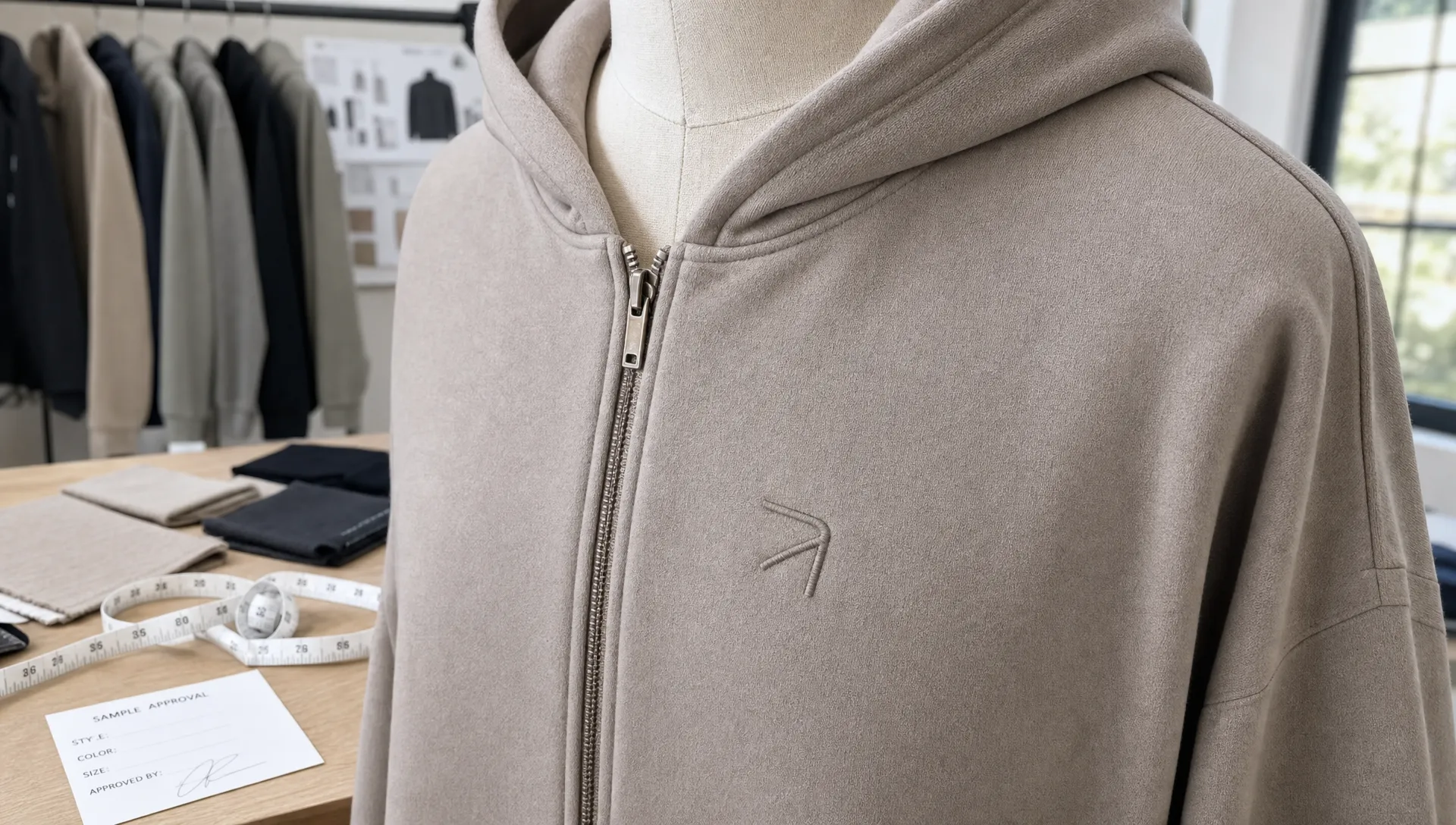
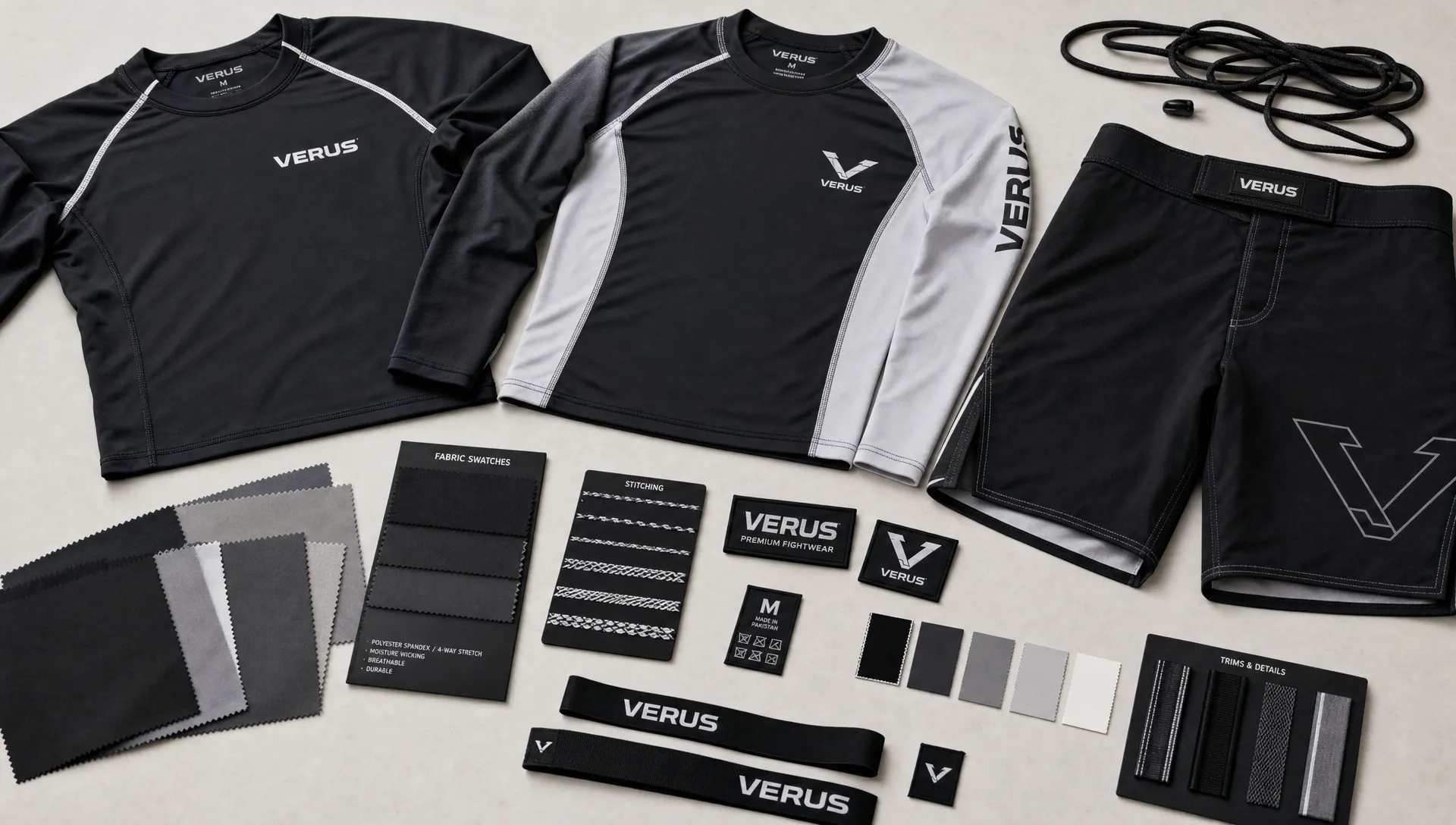
A practical sample path usually includes a prototype sample, a revised fit sample, a size set, and a pre-production sample. The pre-production sample is especially important because it should represent the actual fabric, trims, colors, stitching, branding, and packaging planned for bulk production.
Wear testing should be part of the process. Put samples through actual use, not just office review. Have athletes train in them, wash them, stretch them, and report what changes. Ask specific questions: Did the fabric feel too hot? Did the waistband move? Did seams rub? Did the print crack? Did the garment keep its shape after washing?
Sampling may feel slow, but it is much faster than fixing a failed production run. The goal is not to create a perfect first sample. The goal is to find problems early, while they are still affordable to correct.
Test durability before you commit to bulk production
Durability testing does not have to be complicated to be useful. Even simple, consistent tests can reveal whether a product is ready for production.
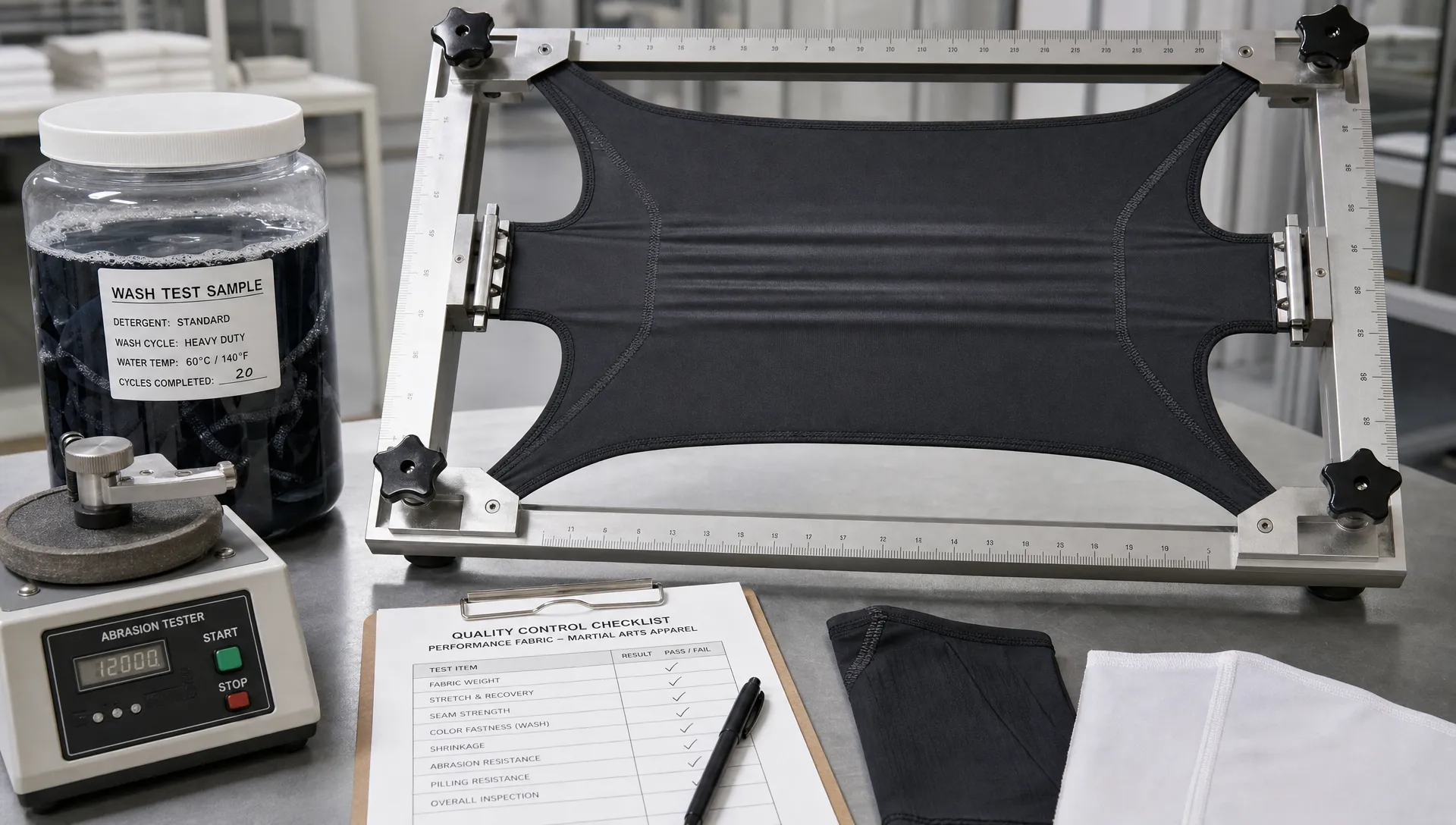
Start with washing. Wash samples multiple times according to the care label you plan to provide. Check shrinkage, twisting, fading, seam stability, print condition, and hand feel. If the product looks tired after five washes, customers will notice.
Next, test stretch and recovery. Stretch compression fabric across the body and seams, then check whether it returns to shape. For shorts or trousers, test squats, kicks, lunges, and grappling-style movement. For gis or jackets, pull gently at reinforced areas and inspect stitching.
Abrasion is also important. Mat sports and gym training create friction. Look for pilling, snagging, surface roughness, and print wear. If you are sourcing apparel for athletes who train several times a week, surface durability becomes part of product value.
Finally, test comfort under sweat. Some fabrics feel soft when dry but cling, chafe, or become heavy during hard training. Comfort is a performance feature because athletes will not keep wearing gear that distracts them.
Broader fitness and wellness resources can also help you understand how consumers compare gear, training routines, recovery tools, and apparel expectations across categories. Sites like fitness and health recommendation hubs can be useful for spotting how buyers think about performance products beyond your own niche.
Match branding methods to the garment
Branding is part of performance. A logo that peels, cracks, irritates the skin, or disappears after washing weakens the entire product experience.
The best branding method depends on the fabric, garment type, stretch level, and intended use. Sublimation works well for many polyester-based performance items because the design becomes part of the fabric surface. Embroidery can look premium on some products, but it may not suit tight compression zones where bulk and irritation are concerns. Heat transfers can be effective when they are matched to the right fabric and tested for stretch and wash durability.
Logo placement matters too. High-friction zones, stretch-heavy panels, waistband edges, and contact points may shorten decoration life. A strong visual identity should also remain consistent across the collection, from rash guards to shorts to hoodies. If branding is a key part of your product strategy, this guide to how athletic apparel logos shape brand recognition offers useful context on placement, consistency, and production choices.
Document every approval detail
Many quality problems come from undocumented assumptions. You may approve a sample verbally, but if the fabric weight, logo size, thread color, label position, packaging, or size grading is not documented, production can drift.
Create a tech pack or detailed product specification for every item. It does not need to be overly complicated, but it should be clear enough that the manufacturer can reproduce the product consistently.
Your documentation should cover product name, fabric details, colors, measurements, tolerances, stitching, trims, labels, print files, logo placements, packaging, care instructions, and approved sample references. For repeat orders, keep records of what changed and what stayed the same.
This is especially important for private label sportswear because customers expect consistency. If a buyer loves the fit of your first rash guard, the second order should not feel like a different product.
Understand MOQ, lead time, and total cost
Minimum order quantity is only one part of sourcing. A low MOQ can be valuable for testing new products, but the total sourcing decision should also include sample cost, fabric availability, decoration complexity, packaging, shipping, duties, and reorder scalability.
For growing brands, it is often smarter to start with a focused product run than to spread the budget across too many styles. Smaller, well-tested launches give you clearer feedback and reduce inventory risk. Once you know what sells, you can expand colors, sizes, and related items.
Lead time also needs realistic planning. Custom performance apparel often requires time for design confirmation, fabric sourcing, sample development, revisions, production, quality control, and shipping. Rushing these steps can create preventable mistakes.
A good sourcing partner will help you understand trade-offs. For example, a complex all-over print may increase sampling time, while a simpler design may be easier to repeat. A custom fabric may give you differentiation, but an available performance fabric may help you move faster. The right choice depends on your launch goals.
Inspect before shipping, not after delivery
Quality control should happen before the goods leave the manufacturer. Once a shipment arrives with defects, your options are limited and expensive.
Pre-shipment inspection should compare finished goods against the approved sample and product specifications. Check measurements across sizes, stitching, print placement, fabric flaws, color consistency, trims, labels, packaging, and overall workmanship.
For bulk orders, inspection should not rely on one perfect top sample. Products should be checked across the run to catch inconsistencies. Even when you work with a trusted manufacturer, clear inspection standards help protect both sides.
Red flags when sourcing performance apparel
Not every supplier is suited for technical sportswear. Watch for warning signs early, especially if you are producing apparel for demanding use.
Common red flags include vague fabric information, reluctance to provide samples, no discussion of fit or tolerances, poor communication, inconsistent answers, unrealistic delivery promises, limited branding knowledge, and no clear quality control process.
Also be careful with suppliers who focus only on appearance. Performance apparel has to look good, but it also has to move, stretch, breathe, recover, wash, and last. A manufacturer that treats it like basic fashion apparel may not understand the demands of athletic use.
A practical sourcing checklist
Use this checklist before approving production:
- Define the sport, customer, and intensity of use.
- Confirm fabric composition, GSM, stretch, recovery, and shrinkage expectations.
- Test decorated samples, not only blank fabric.
- Review seam type, reinforcement, trims, labels, and closures.
- Wear test samples in real training conditions.
- Wash test samples multiple times before approval.
- Confirm size grading and measurement tolerances.
- Approve a pre-production sample before bulk manufacturing.
- Document all product specifications and branding placements.
- Inspect finished goods before shipment.
This checklist will not eliminate every risk, but it will help you avoid the most common sourcing failures.
Frequently Asked Questions
What is the most important factor when sourcing performance apparel? The most important factor is matching the product to its intended use. Fabric, construction, fit, and branding all need to support how the customer will train, wash, and wear the garment.
How many samples should I request before bulk production? Most performance apparel projects benefit from more than one sample stage. A prototype, revised fit sample, size set, and pre-production sample can help catch issues before bulk production begins.
Is a heavier fabric always more durable? Not always. Fabric weight matters, but knit density, yarn quality, stretch recovery, finishing, and construction also affect durability. A lighter technical fabric can outperform a heavier fabric if it is engineered better for the activity.
How do I know if a logo method will last? Test it on the actual production fabric. Stretch it, wash it, and expose it to the type of friction the garment will face. The right logo method depends on the fabric and use case.
Can small brands source durable performance apparel? Yes. Small brands can improve quality by starting with focused products, clear specifications, realistic samples, and a manufacturer that supports custom branding and production planning.
Source apparel that protects your brand reputation
Performance apparel that holds up is built through decisions made before production starts. When you define the use case, choose fabrics by specification, test samples properly, document approvals, and work with a capable manufacturer, you give your brand a stronger foundation.
Arus Sportswear manufactures custom MMA and martial arts apparel for brands, gyms, and distributors, including private label and OEM fightwear, rash guards, BJJ gis, boxing apparel, and custom sportswear. If you are ready to develop durable performance apparel with custom design, branding options, low minimum orders, bulk order support, and worldwide shipping, connect with Arus Sportswear to discuss your next collection.