The custom sportswear market is entering a more demanding phase in 2026. Buyers are no longer choosing products based on colorways and logo placement alone. They are comparing fit, fabric behavior, customization depth, production flexibility, brand story, and how quickly a supplier can help them move from concept to sellable inventory.
For MMA brands, gyms, fightwear retailers, and distributors, this matters. Combat sports apparel has to survive high-friction training, repeated washing, sweat, stretching, and real athlete feedback. A rash guard that looks good online but pills after a few sessions will not build loyalty. A pair of fight shorts with weak seams can damage a brand faster than a missed ad campaign.
Here are the custom sportswear trends buyers should watch in 2026, plus practical ways to turn them into better purchasing decisions.
Why 2026 buyers need a sharper custom sportswear strategy
In previous years, many apparel buyers could compete by launching a small range of printed tees, shorts, or gym uniforms. In 2026, the bar is higher. Customers expect products that feel purpose-built, not generic blanks with branding added at the end.
This shift is especially clear in martial arts and combat sports. Athletes want gear that supports movement, holds up under pressure, and reflects their team or lifestyle identity. Gym owners want merchandise that members actually wear outside class. Emerging brands want private label products that do not look like copies of everyone else’s catalog.
If you are planning a new collection, it helps to connect trend awareness with product discipline. Before adding more SKUs, review how your range fits a real customer need. Arus Sportswear’s guide on building a sportswear collection customers actually want is a useful companion to the trend planning process.
1. Performance fabrics are becoming the minimum standard
The first big trend is simple: performance is no longer optional. Buyers looking for custom sportswear in 2026 should treat fabric selection as a core product decision, not a late-stage cost choice.
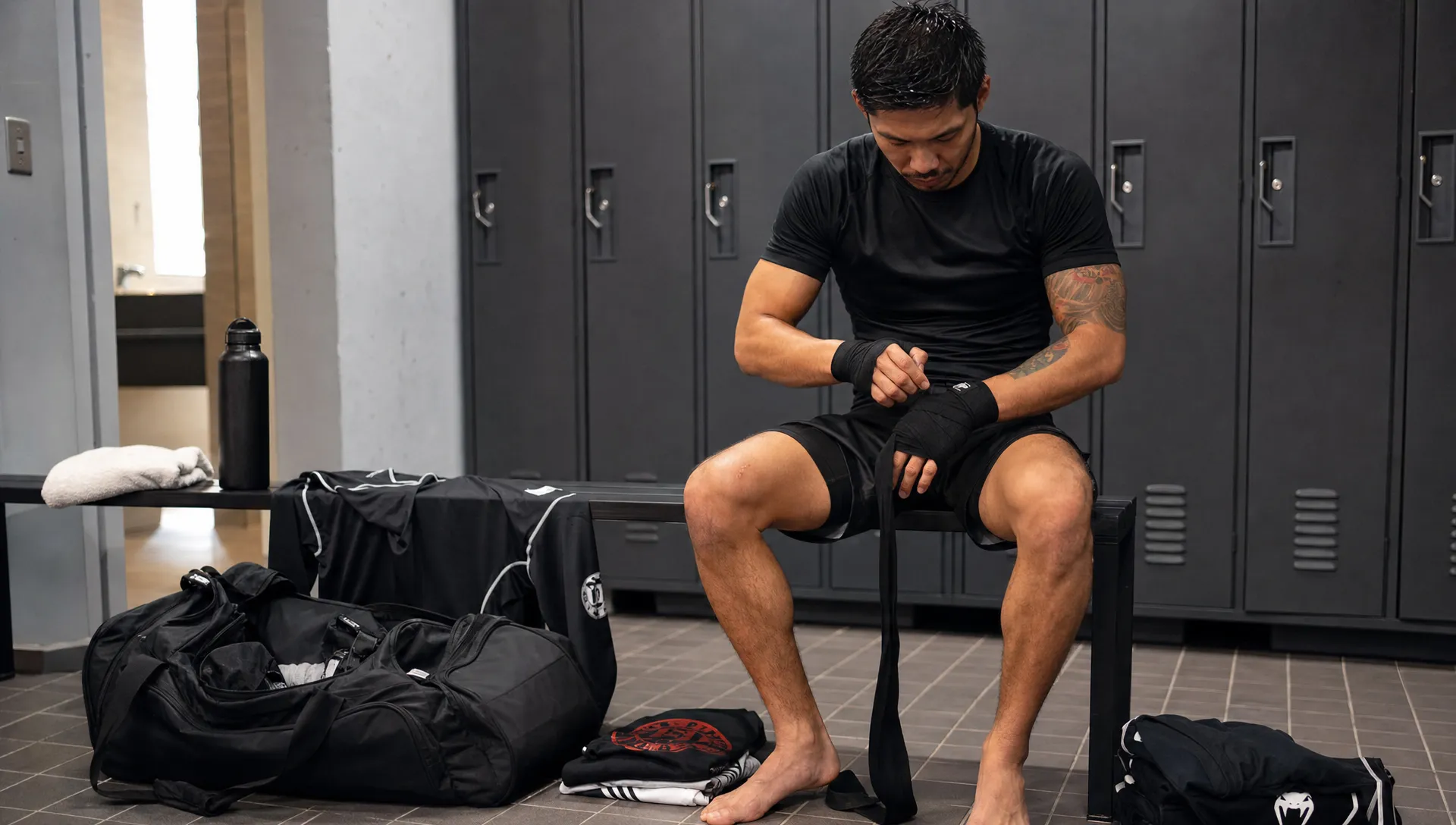
For MMA and martial arts apparel, performance expectations vary by product type. Rash guards need stretch recovery, sweat management, and smooth seams that reduce irritation. MMA shorts need mobility, secure closures, and durability during grappling. BJJ gis require structure, reinforcement, and comfort under repeated pulling. Boxing apparel needs breathable construction that performs through long training sessions.
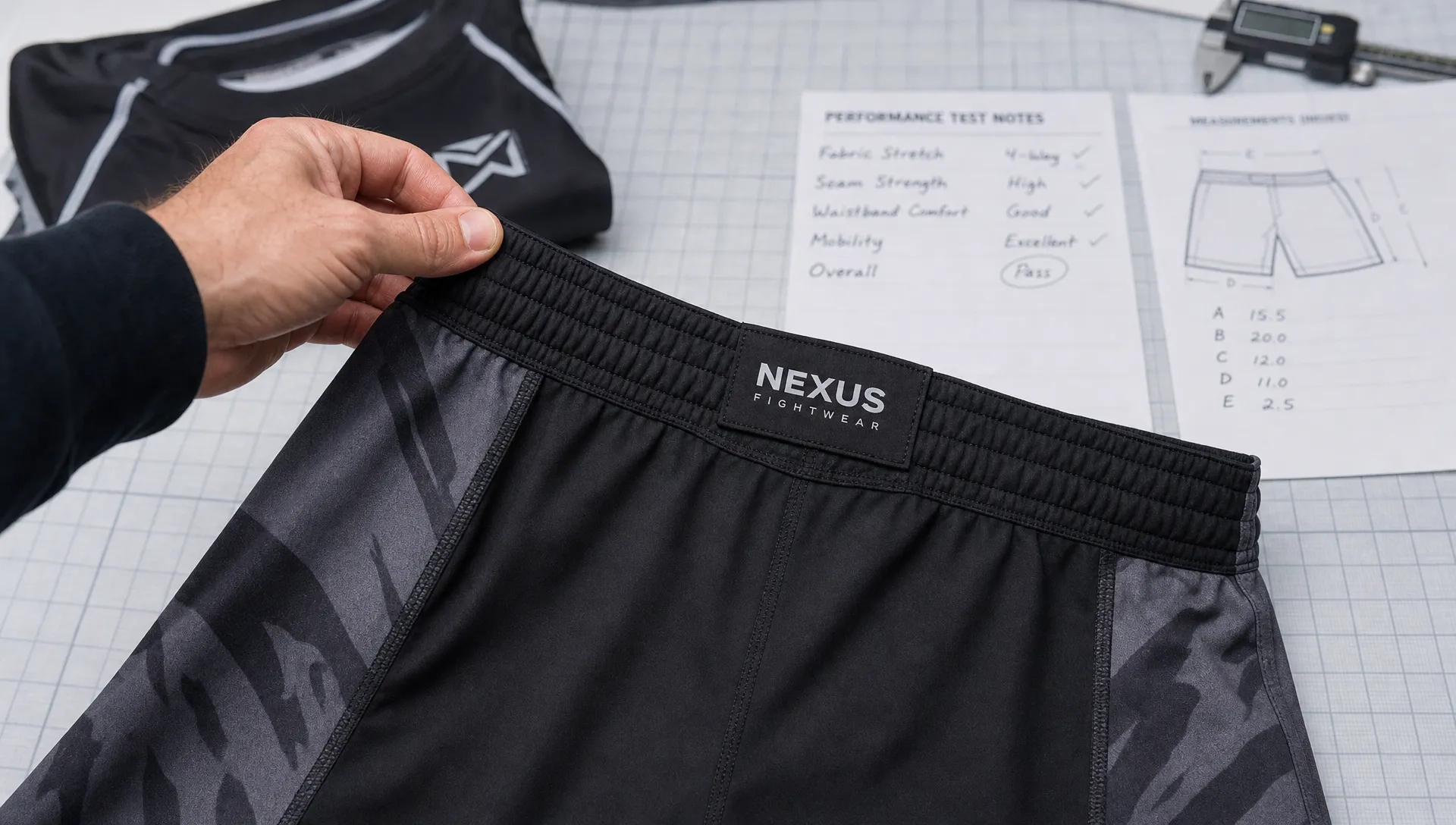
Buyers should ask manufacturers specific questions about fabric weight, stretch direction, shrinkage behavior, colorfastness, seam strength, and recommended decoration methods. A design may look excellent in a mockup, but the wrong fabric can change fit, durability, and customer satisfaction.
The practical takeaway: in 2026, start product development with the activity first. Design around how the garment will move, stretch, breathe, and wash.
2. Brand identity is moving beyond the logo
A large front logo is not enough to create a memorable product. The strongest custom sportswear buyers are thinking in systems: color palettes, trims, typography, print placement, silhouettes, packaging, and collection themes.
This is particularly important for private label fightwear. A gym may want a unified team look across rash guards, shorts, hoodies, and boxing apparel. A DTC brand may want seasonal drops with recognizable design language. A distributor may want multiple product tiers that still feel connected.
In 2026, expect more buyers to request:
- Custom waistband designs, woven labels, neck labels, and sleeve marks
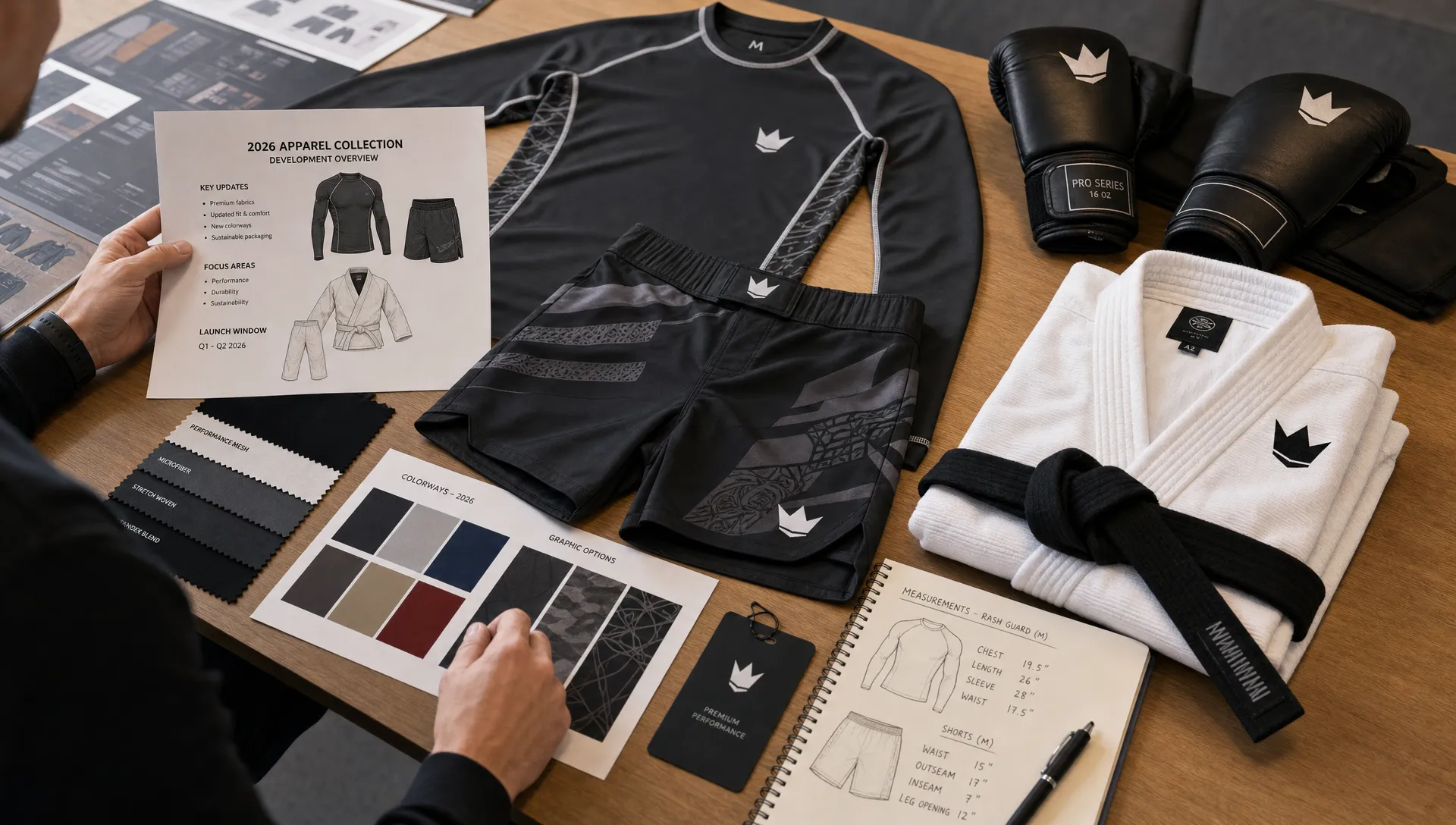
- Coordinated sets across tops, shorts, gis, and warmups
- Limited-edition graphics tied to events, teams, or athlete collaborations
- Cleaner premium branding for lifestyle crossover products
Custom apparel works best when it makes a brand easier to recognize and easier to remember. If your goal is differentiation, the article on how custom apparel helps sports brands stand out explains why visual identity and product experience should work together.
3. Smaller drops and low-risk testing will shape buying behavior
Not every buyer wants to commit to a huge production run before testing demand. In 2026, smarter buyers will use smaller drops, samples, and phased launches to reduce risk.
This does not mean thinking small. It means using production planning more strategically. A new MMA apparel brand might test two rash guard designs and one fight short before expanding into full collections. A gym might launch a limited teamwear capsule before placing a larger reorder. A distributor might test regional preferences before investing in broader inventory.
Low minimum orders are valuable because they help buyers learn. They make it easier to test fit, collect feedback, validate price points, and identify which designs deserve scale. The key is to avoid random small orders. Each drop should answer a business question: Which cut sells best? Which colorway gets reordered? Which product earns repeat use from athletes?
For buyers launching a new company, this trend connects directly to planning. The guide on starting your own MMA apparel brand in 2026 covers the bigger steps behind turning a product idea into a brand.
4. Fit inclusivity will become a stronger buying requirement
Custom sportswear buyers are paying more attention to fit because athletes come in different body types, training styles, and size expectations. A single generic pattern rarely works for every customer.
In combat sports, fit is even more important. A rash guard that rides up during rolling, shorts that restrict hip movement, or a gi that feels too stiff in the wrong areas can quickly lead to negative feedback. Buyers should think beyond the size chart and consider how garments behave during movement.
A strong 2026 fit strategy includes clear sizing, product-specific grading, athlete testing, and honest feedback before bulk production. If you sell internationally, also consider that sizing expectations can differ across regions.
| Trend to watch | What buyers should ask | Why it matters |
|---|---|---|
| Performance fabrics | Does the material suit the sport and movement pattern? | Better comfort, durability, and repeat use |
| Brand systems | Are labels, trims, prints, and colors consistent? | Stronger recognition and perceived value |
| Smaller drops | Can we test before scaling? | Lower inventory risk and better product learning |
| Fit refinement | Has the garment been tested in real movement? | Fewer returns and stronger customer trust |
| Supply planning | Can the supplier support reorders and growth? | More reliable launches and restocks |
5. Sustainability claims will need to become more practical and credible
Sustainability remains important, but buyers should be careful with vague claims. In 2026, customers are more skeptical of generic words like “eco-friendly” unless the product and supply chain support the claim.
For custom sportswear, practical sustainability often starts with durability. A rash guard that lasts longer is more responsible than one that has to be replaced quickly. Better forecasting also helps reduce dead stock. Cleaner packaging, efficient cutting, and responsible material choices can all contribute, but they should be presented honestly.
Buyers should ask manufacturers what options are realistic for their category. Some products may support recycled fabrics or lower-impact trims. Others may benefit more from improved construction and longer wear life. The goal is not to make every product sound perfect. The goal is to make credible choices that match your market, budget, and performance needs.
6. Lifestyle crossover will keep growing
The line between gym apparel and everyday apparel continues to blur. Many athletes want clothing they can wear before training, during travel, at events, and casually after class. For buyers, this creates an opportunity to expand beyond purely technical gear.
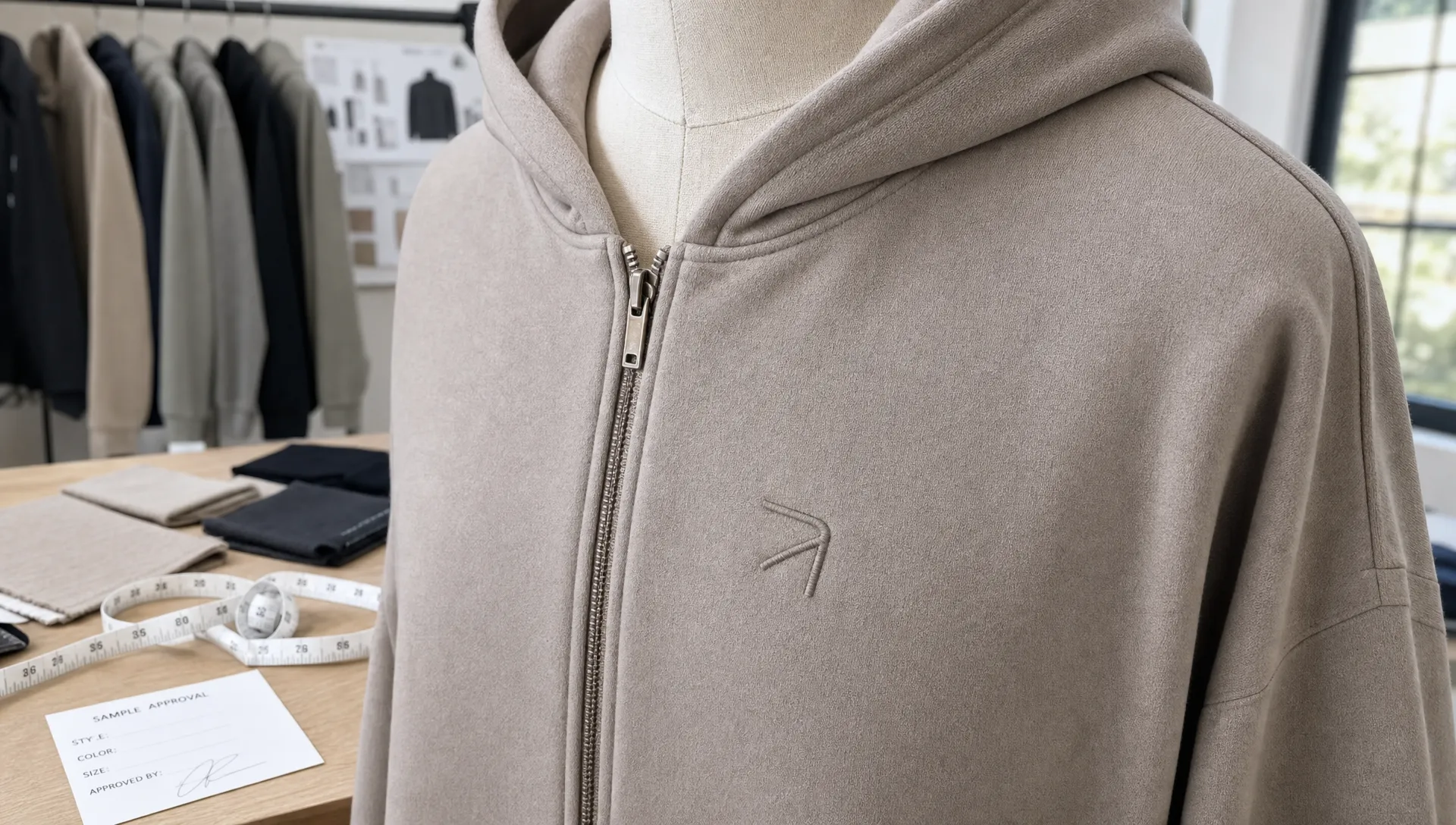
In 2026, expect more demand for hoodies, joggers, tees, warmup jackets, and relaxed training shorts that still carry a combat sports identity. The design language may be cleaner, more premium, and less crowded than traditional fightwear graphics.
This trend is useful for gyms and brands because lifestyle products can broaden the customer base. Not every fan trains daily, but many will wear a well-designed hoodie or tee that connects them to a team, fighter, or community. For buyers, the challenge is balance. Lifestyle apparel should still feel connected to the core sport, not like unrelated merchandise.
7. Digital-ready products will influence design decisions
Sportswear is increasingly discovered online before it is touched in person. Social media, athlete photos, gym reels, event coverage, and product pages all shape demand. In 2026, buyers should consider how garments appear in digital environments.
This does not mean designing only for the camera. It means understanding that contrast, placement, silhouette, and detail visibility matter. A subtle logo may look premium in person but disappear in event photography. A complex print may look exciting online but feel overwhelming when worn. Good custom sportswear design works in both contexts.
Buyers can improve digital readiness by requesting clear product mockups, reviewing samples under different lighting, and checking how branding appears on moving athletes. For fightwear, it is especially useful to consider how designs look in competition photos, gym content, and close-up product shots.
8. Supply chain flexibility will matter as much as design
A great design is only valuable if it can be produced consistently. In 2026, buyers should pay close attention to supplier communication, sampling quality, production capacity, packaging expectations, and reorder planning.
This is where experienced private label and OEM manufacturing becomes important. Buyers need partners who understand custom designs, branding details, product categories, and bulk production requirements. For martial arts apparel, not every general sportswear supplier understands the demands of fightwear, gis, rash guards, and boxing apparel.
Supply planning also includes what happens after production. Growing buyers may need better storage, event inventory planning, or regional distribution support. Some distributors and event sellers use temporary or portable storage to manage seasonal stock, and sourcing premium shipping containers for sale can be a practical option when inventory needs outgrow a small back room but do not yet justify a larger warehouse.
If delays, inconsistent quality, or weak communication are already affecting your launches, it may be time to compare your current supplier against the warning signs of needing a better sportswear manufacturer.
9. Buyers will expect more complete manufacturing support
In 2026, many buyers do not just want a factory. They want a production partner that can help transform ideas into finished goods with fewer gaps between design, sampling, branding, and manufacturing.
This trend is especially relevant for newer brands and growing gyms. A buyer may have a strong concept but need support choosing materials, refining sizing, planning product categories, or preparing a bulk order. Experienced manufacturers can make the process smoother by helping buyers understand what is feasible before production begins.
For Arus Sportswear’s audience, this is where private label and OEM production become strategic. Custom designs, branding options, bulk order support, low minimum orders, and worldwide shipping can help buyers move from concept to collection without building a manufacturing operation from scratch.
How buyers should act on these trends
Trend awareness is useful, but only if it changes how you buy. Before approving your next custom sportswear order, review the collection through three lenses: customer demand, product performance, and production reliability.
Start by defining who the product is for. A competition rash guard, a gym member tee, and a premium lifestyle hoodie should not be developed with the same assumptions. Then review the details that affect satisfaction: fabric, seams, fit, shrinkage, print method, labels, packaging, and reorder potential.
Finally, choose a manufacturer based on more than price. Price matters, but the cheapest option can become expensive if samples fail, timelines slip, or products arrive with inconsistent quality. The better question is whether the supplier can support the type of brand you are trying to build in 2026.
Frequently Asked Questions
What is the biggest custom sportswear trend for 2026? The biggest trend is the move toward performance-first customization. Buyers want apparel that looks branded and original, but also performs well in real training conditions.
Should new sportswear brands start with a full collection? Not always. Many new brands are better served by launching a focused capsule, testing demand, collecting feedback, and then expanding into a larger collection based on proven products.
Why is fit so important in MMA and martial arts apparel? Fit affects movement, comfort, durability, and customer confidence. In combat sports, apparel is pulled, stretched, sweated in, and washed repeatedly, so poor fit becomes obvious quickly.
How can buyers reduce risk when ordering custom sportswear? Buyers can reduce risk by sampling first, starting with a focused product range, choosing suitable fabrics, confirming branding details, and working with a manufacturer that understands the product category.
Plan your 2026 custom sportswear collection with the right partner
The buyers who win in 2026 will not chase every trend. They will choose the trends that fit their customers, their sport, and their brand position.
If you are planning custom MMA apparel, rash guards, BJJ gis, boxing apparel, karate uniforms, or private label sportswear, Arus Sportswear can help you develop custom designs and prepare for production with a manufacturer focused on combat sports apparel.