Lifestyle sportswear has moved far beyond the weight room. Customers now expect pieces they can train in, travel in, work from home in and wear to a casual dinner without looking like they forgot to change. For apparel brands, gyms and distributors, that shift creates a clear opportunity: build products that carry athletic credibility into everyday life.
A strong lifestyle sportswear line is not just a logo on a hoodie. It needs a point of view, reliable fit, fabric choices that balance performance with comfort and a product mix that feels intentional. The goal is to design clothing that still belongs to sport, but does not feel trapped inside a gym bag.
Start With the Lifestyle, Not the Product
Many new brands begin with product ideas first: joggers, oversized tees, hoodies, shorts. That is understandable, but it often leads to a disconnected collection. The better starting point is the customer’s daily routine.
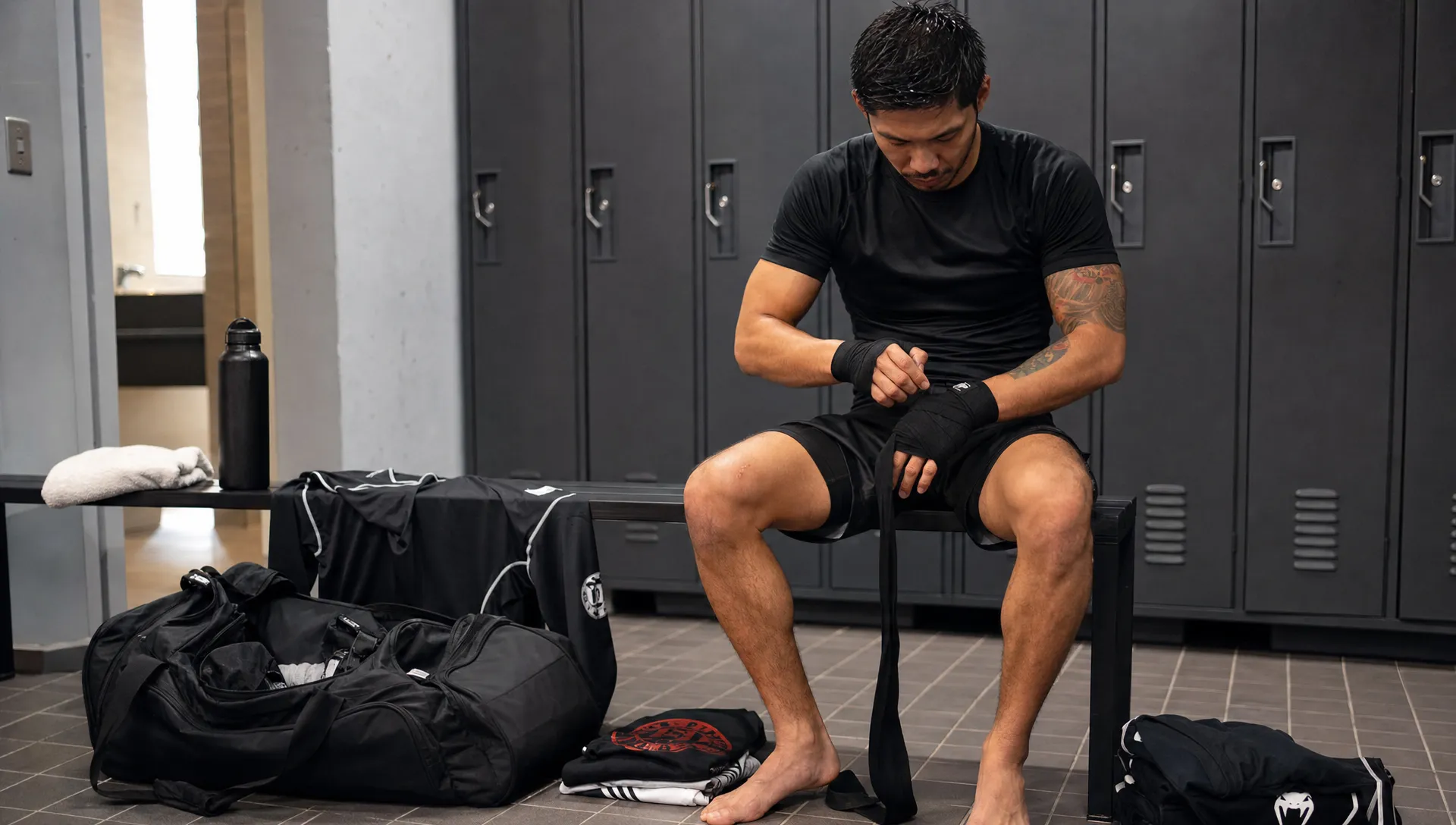
Ask where your customer is wearing the product before and after training. A combat sports athlete might need shorts and rash guards for class, but outside the gym they may want heavyweight tees, clean joggers and warm-up layers that still express fight culture. A fitness customer may want softer silhouettes, neutral colors and pieces that can move from training to errands.
The most useful lifestyle sportswear lines are built around crossover moments:
| Customer moment | Product need | Design direction |
|---|---|---|
| Training before work | Comfortable, breathable pieces that do not look too technical | Clean tees, tapered joggers, low-profile branding |
| Travel and recovery | Softness, stretch and easy layering | Hoodies, relaxed pants, quarter zips |
| Weekend wear | Style, comfort and brand identity | Graphic tees, fleece, lifestyle shorts |
| Gym community events | Team feeling without uniform stiffness | Matching sets, branded warm-ups, limited drops |
| Retail or e-commerce buyers | Products that are easy to understand and merchandise | Clear categories, repeatable colors, consistent fit |
This step keeps the collection grounded. Instead of designing generic activewear, you are designing around the real reasons customers keep reaching for the same pieces.
Define Your Positioning Before You Sketch
Lifestyle sportswear sits in a crowded market, so your line needs a sharper identity than “comfortable workout clothes.” Positioning gives every product a reason to exist.
For a martial arts or MMA-inspired brand, the positioning might center on discipline, fight culture and durable training roots. For a premium wellness brand, the mood might be minimal, soft and refined. For a streetwear-driven gym brand, the line might use heavier fabrics, oversized fits and bold graphics.
You can research how modern athleisure brands separate training, running and everyday categories by reviewing stores such as Cavalcade’s activewear and everyday wear collections, then use that structure as inspiration for your own product architecture rather than copying the look.
Good positioning answers three questions:
- Who is this line for?
- What does it help them express?
- Why would they choose it over basic sportswear or casualwear?
Once you know the answer, details become easier. Logo size, fabric weight, fit, color palette and product names all start working toward the same brand message.
Build a Core Assortment That Can Expand
A lifestyle sportswear line should begin with a small, repeatable core. A tight launch is easier to sample, test, photograph and sell than a large range with too many unproven products.
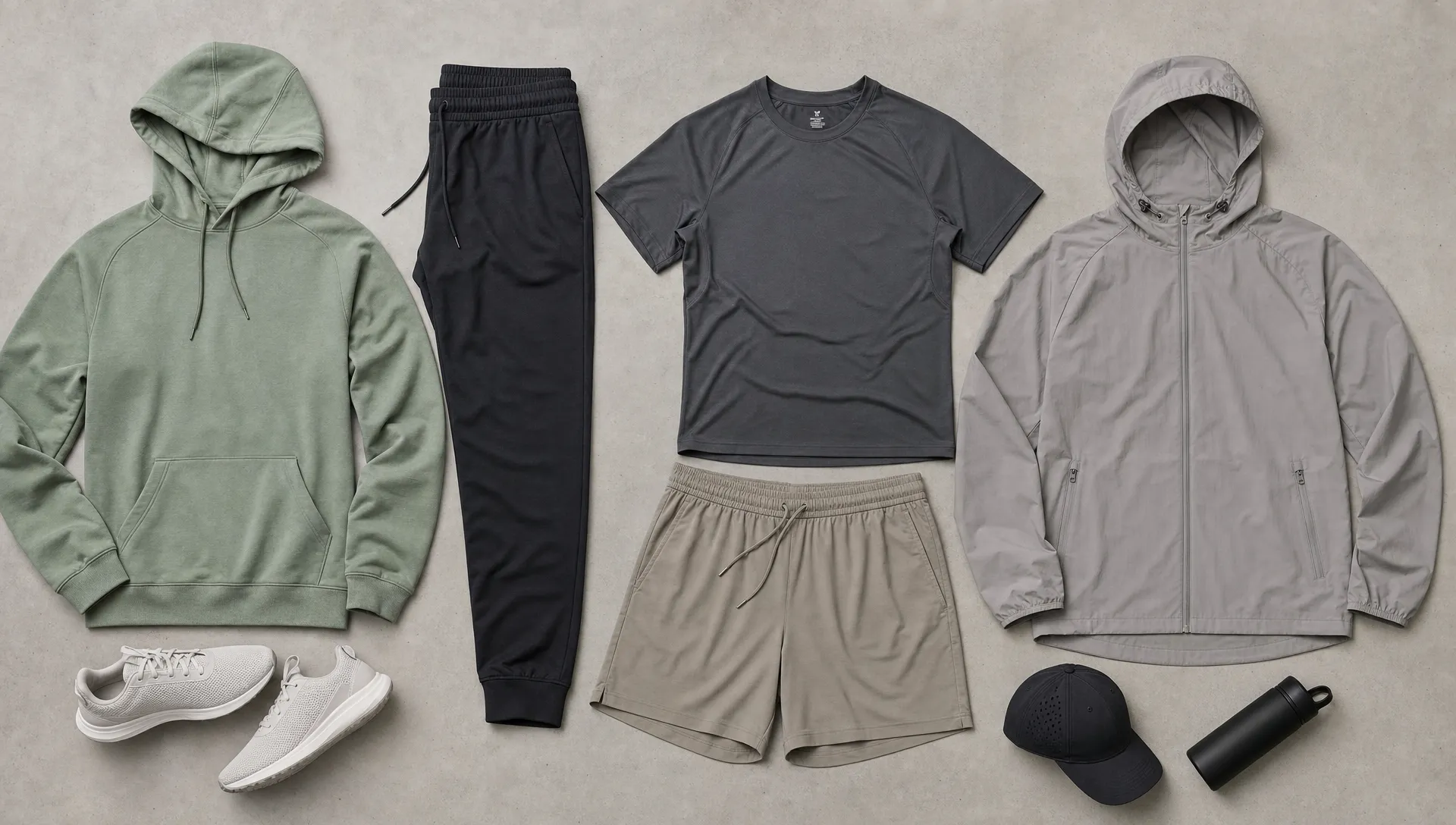
For most brands, the first capsule can include five to eight pieces. The mix should cover tops, bottoms and layering so customers can build complete outfits. For example, a fightwear brand expanding beyond training might start with premium tees, fleece hoodies, tapered joggers, lifestyle shorts and a lightweight warm-up jacket.
This does not mean abandoning performance products. In fact, the strongest lifestyle lines often keep one foot in training. A rash guard, compression top or training short can sit beside casual layers as long as the branding and color story connect.
A simple capsule might look like this:
| Product type | Role in the line | What to prioritize |
|---|---|---|
| Premium T-shirt | Everyday entry product | Fit, neck shape, fabric handfeel |
| Hoodie or crewneck | Higher perceived value | Fleece weight, shrinkage control, logo placement |
| Jogger or sweatpant | Full outfit builder | Waistband comfort, pocket depth, taper |
| Lifestyle short | Warm-weather staple | Inseam, stretch, liner choice if needed |
| Lightweight jacket | Brand statement piece | Fabric finish, hardware, clean construction |
| Training crossover item | Keeps sport credibility | Mobility, breathability, durability |
If you are still deciding how broad your range should be, it helps to compare your lifestyle ideas with the fundamentals of building a sportswear collection customers actually want. The same rule applies here: a smaller collection with clear demand usually beats a large one built on guesswork.
Choose Fabrics That Work All Day
Lifestyle sportswear has a different fabric challenge than pure performance apparel. A gym-only garment can prioritize sweat management, compression and range of motion. An everyday piece also needs softness, drape, opacity, durability and wash performance.
For tops, cotton blends, modal blends, polyester cotton mixes and technical knits can all work depending on the brand direction. A premium tee may need a heavier handfeel and stable collar. A training-inspired tee may need faster drying and more stretch. The fabric should match the product promise rather than chase one trend.
For bottoms, stretch recovery is critical. Joggers and lifestyle shorts need to move when the customer sits, walks or trains lightly, but they should not bag out after a few hours. Waistbands, drawcords, pocket bags and seam placement affect comfort as much as the main fabric.
Before approving fabrics, review practical details such as:
- GSM or fabric weight
- Stretch and recovery
- Shrinkage after washing
- Pilling resistance
- Colorfastness
- Opacity in light colors
- Handfeel after repeated wear
Durability still matters, even when the product looks casual. If your brand is rooted in combat sports or fitness, customers will expect the clothing to hold up. For a deeper sourcing perspective, see how to source performance apparel that holds up, especially if you are balancing lifestyle comfort with training credibility.
Design Fit Blocks for Everyday Movement
Fit is where many lifestyle sportswear lines win or lose repeat buyers. Customers may forgive a bold graphic they do not love, but they rarely reorder a hoodie that shrinks poorly or joggers that twist at the seams.
A fit block is the base shape you use across similar products. For example, one T-shirt block might become a graphic tee, gym tee and lifestyle tee with small adjustments. One jogger block might support several seasonal colors. This creates consistency across the line and makes production easier over time.
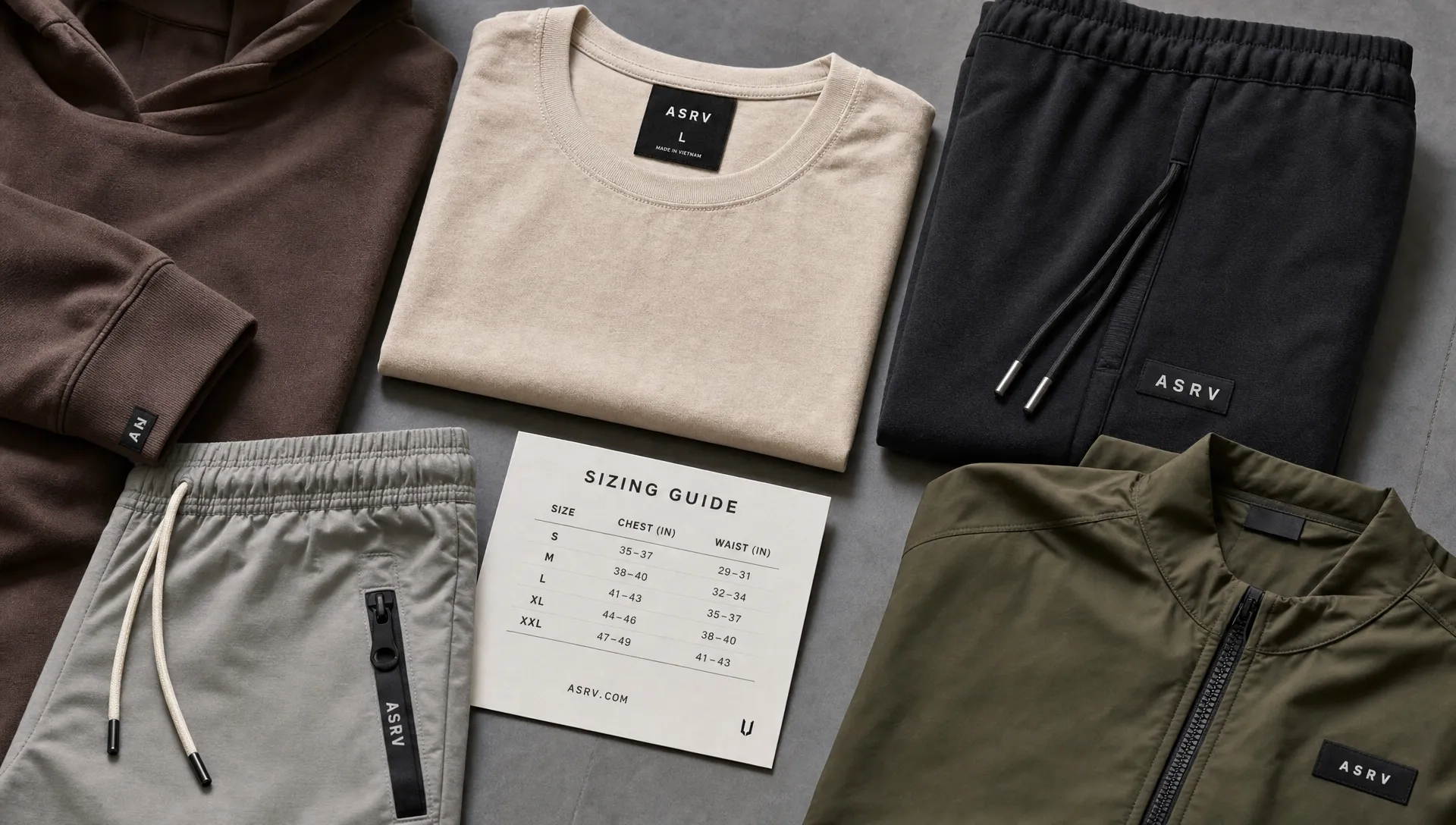
Lifestyle fit should consider how people actually move outside training. A tee should not ride up when someone reaches overhead. A hoodie should layer over a T-shirt without feeling bulky. Joggers should have enough room through the seat and thigh, then taper cleanly toward the ankle. Shorts should match the brand’s customer, since a five-inch inseam and an eight-inch inseam communicate very different aesthetics.
Make Branding Wearable, Not Just Visible
A lifestyle line depends on brand identity, but that does not mean every item needs a huge chest logo. Wearability matters more outside the gym. Customers often want pieces that signal the brand without making every outfit feel like team merch.
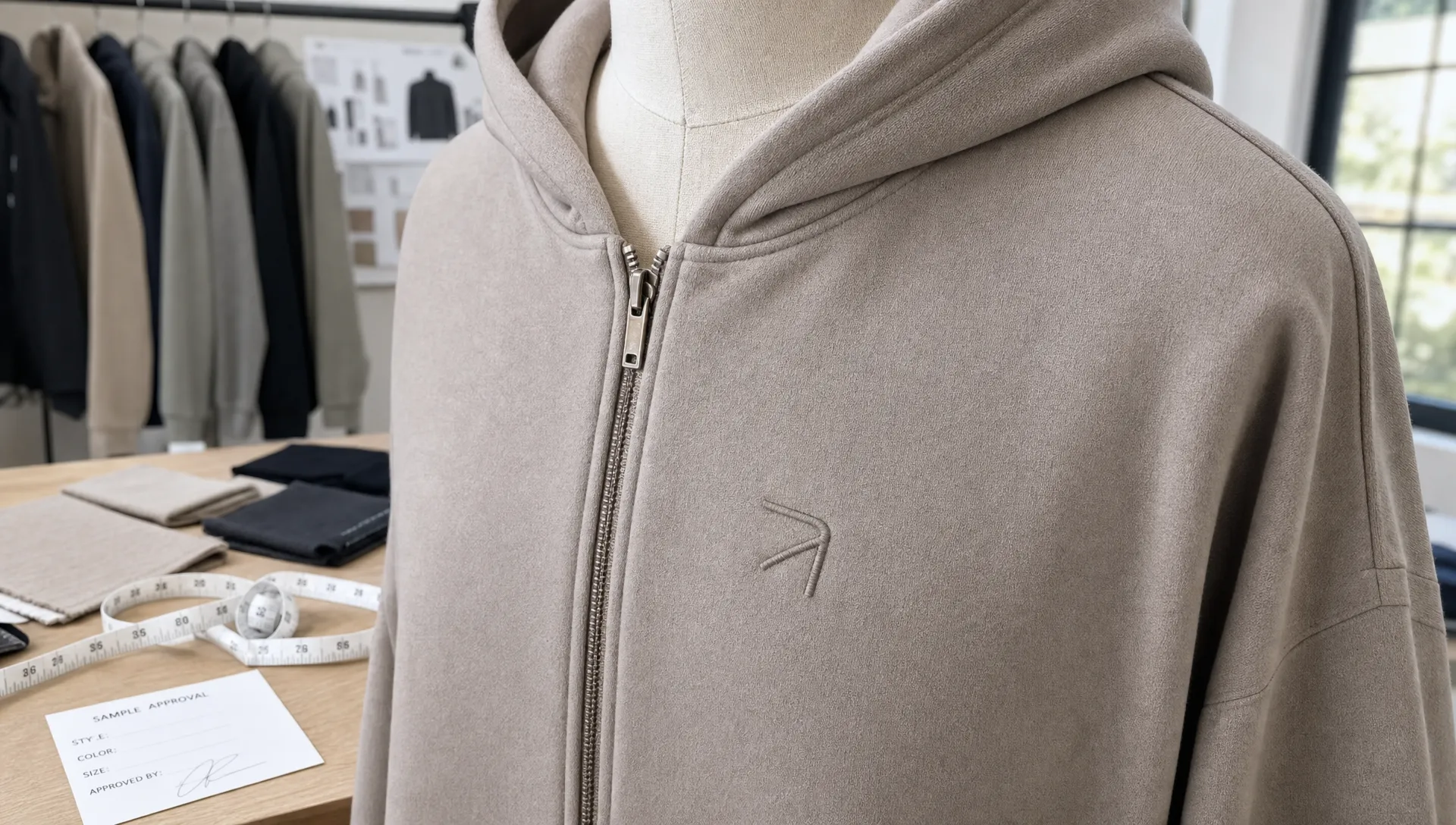
Think in terms of a logo system. You might use a small woven label on premium basics, a tonal print on joggers, a larger back graphic on seasonal tees and an embroidered mark on outerwear. This gives the customer different levels of expression.
Branding should also match the fabric and construction method. Sublimation may work well for certain performance items. Embroidery can elevate fleece or jackets. Screen printing can suit tees and hoodies, but the ink hand, placement and curing quality matter. Woven patches, rubber badges and neck labels can add perceived value when used with restraint.
If your logo system is not yet production-ready, review the basics of athletic wear logos that make your brand look pro before sending files to a manufacturer. Clear artwork, correct sizing and placement guides reduce sampling delays.
Create a Cohesive Drop, Not a Random Product List
Lifestyle sportswear sells better when customers can see the outfit. A hoodie, jogger, tee and short should feel like they belong to the same world. This does not require every item to match exactly, but it does require a controlled color palette and design language.
Start with core colors that can repeat across seasons: black, grey, navy, cream, olive or other shades that fit your brand. Add one or two seasonal colors only when they serve a clear purpose. Too many colors can make a new line look unfocused and can complicate inventory planning.
Graphics should follow the same discipline. A capsule might use one main graphic story, one minimal logo treatment and one statement piece. This keeps the line interesting without making it feel scattered.
A practical drop structure could include:
| Drop element | Purpose | Example |
|---|---|---|
| Core basics | Build repeat sales | Black tee, grey hoodie, navy jogger |
| Seasonal color | Adds freshness | Olive shorts, cream crewneck |
| Statement item | Creates campaign focus | Graphic hoodie or jacket |
| Training crossover | Connects back to sport | Performance tee or fight-inspired short |
This structure also helps buyers understand the range quickly. Whether you sell direct to consumers, through a gym or to wholesale accounts, clarity improves conversion.
Plan Sampling and Production Early
A lifestyle sportswear line needs enough creative freedom to feel original and enough production discipline to be repeatable. Sampling is where those two sides meet.
Before you contact a manufacturer, prepare your references, size targets, artwork files, color direction and fabric preferences. You do not need every technical detail finalized, but you should be clear about the customer, price level and intended use of each garment.
For custom sportswear, private label and OEM production, early decisions affect cost and timeline. Custom fabric, complex trims, multiple logo techniques and unusual dye colors can increase development time. A simpler first drop may be smarter if your goal is to test demand with lower risk.
Arus Sportswear manufactures custom MMA, martial arts and sportswear apparel for brands, gyms and distributors, including private label and OEM production. For lifestyle sportswear, that type of manufacturing support can help connect performance roots with custom branding, bulk order planning and worldwide shipping.
Use Low MOQ Test Drops to Learn Faster
Lifestyle lines benefit from real-world feedback. A design that looks strong on a moodboard may not become the item customers wear twice a week. Low minimum order quantities can help new and growing brands test fit, color, fabric and price before committing to larger runs.
A test drop should still feel complete. Avoid treating it like random samples for sale. Launch it with a clear concept, coordinated photography and a simple message. Then track what customers actually do: which sizes sell first, which color gets reordered, which product appears in user-generated content and which item receives fit comments.
Useful test questions include:
- Do customers buy full outfits or single pieces?
- Which product has the strongest repeat demand?
- Are returns linked to fit, fabric or sizing confusion?
- Does the lifestyle product bring in non-gym customers?
- Which designs support higher pricing without slowing sales?
Once the data is clear, you can improve the next run instead of guessing. This is also where scalable product planning matters. If you are preparing for larger orders, the principles in custom sports apparel tips for brands that want to scale can help you make the line easier to repeat and expand.
Merchandise the Line Around Outfits and Use Cases
Lifestyle sportswear is not sold only by product specs. It is sold by context. Customers need to see how the pieces fit into daily life.
Product pages should show the garment styled in full looks, not only on a plain background. A tee should be shown with joggers, shorts and under a hoodie. A jacket should be shown open and closed. If the line is connected to martial arts or fitness, include both lifestyle scenes and training-adjacent scenes so the brand story stays intact.
Merchandising can also increase average order value. Matching sets, color-coordinated capsules and limited bundles make it easier for customers to buy multiple pieces. For gyms, a lifestyle line can become part of community identity, especially when members can wear the brand outside class.
Clear product naming helps too. Instead of vague names, use names that communicate fit or purpose, such as heavyweight tee, recovery jogger, travel hoodie or everyday training short. The name should help the customer choose.
Price for Perceived Value, Not Just Cost
Lifestyle sportswear competes with both activewear and casual fashion, so pricing must reflect more than manufacturing cost. Customers evaluate the fabric feel, fit, branding, packaging, photography and the overall trust they have in the brand.
A basic tee with poor fit is hard to price confidently. A well-cut tee with premium fabric, clean labels and a strong brand story can support a better margin. The same is true for hoodies, joggers and outerwear, where small construction details can change perceived value.
When setting prices, consider your full cost structure: sampling, production, shipping, duties, packaging, marketing, returns and wholesale margins if applicable. Build enough room for promotions without training customers to wait for discounts every time.
Keep Quality Control Close to the Brand Promise
If your line promises durability, comfort or premium feel, quality control has to measure those things directly. Check samples after washing. Wear-test them during normal daily routines. Sit, stretch, travel, train lightly and wash again. Lifestyle products often fail in ordinary use before they fail in extreme use.
Pay attention to collar shape, seam twisting, waistband recovery, print cracking, zipper feel, pocket strength and shrinkage. These details affect whether customers reorder and recommend the brand.
For repeat production, keep approved samples, measurement specs and artwork placements organized. Consistency becomes more valuable as the line grows. A customer who loves the first hoodie should feel confident buying the next colorway.
Frequently Asked Questions
What is lifestyle sportswear? Lifestyle sportswear is apparel inspired by athletic performance but designed for everyday wear. It often includes tees, hoodies, joggers, shorts, jackets and training crossover items that feel comfortable outside the gym.
How many products should a new lifestyle sportswear line launch with? Most new brands should start with a focused capsule of five to eight products. This gives customers enough variety to build outfits while keeping sampling, inventory and marketing manageable.
Can an MMA or martial arts brand sell lifestyle sportswear? Yes. MMA and martial arts brands often have strong communities, visual identity and training credibility. Lifestyle pieces let customers represent that identity outside classes, events and competition.
Which fabrics are best for lifestyle sportswear? The best fabric depends on the product. Tees may use cotton blends or technical knits, hoodies often use fleece and joggers need stretch with recovery. The key is balancing comfort, durability, wash performance and the look your customer expects.
Should lifestyle sportswear use subtle or bold branding? A balanced logo system usually works best. Use subtle branding for premium basics and stronger graphics for statement pieces, so customers can choose how visibly they want to wear the brand.
Build a Line Customers Want to Wear All Week
The best lifestyle sportswear lines do not leave sport behind. They translate training identity into products people can wear all day. That requires clear positioning, disciplined product planning, fabric choices that match real life and branding that feels natural beyond the gym.
If you are developing a custom lifestyle sportswear line for a brand, gym or distribution business, Arus Sportswear can support private label and OEM production for sportswear, fightwear and combat sports apparel. Start with a focused capsule, test what customers actually wear and build from there with products that carry your brand into everyday life.