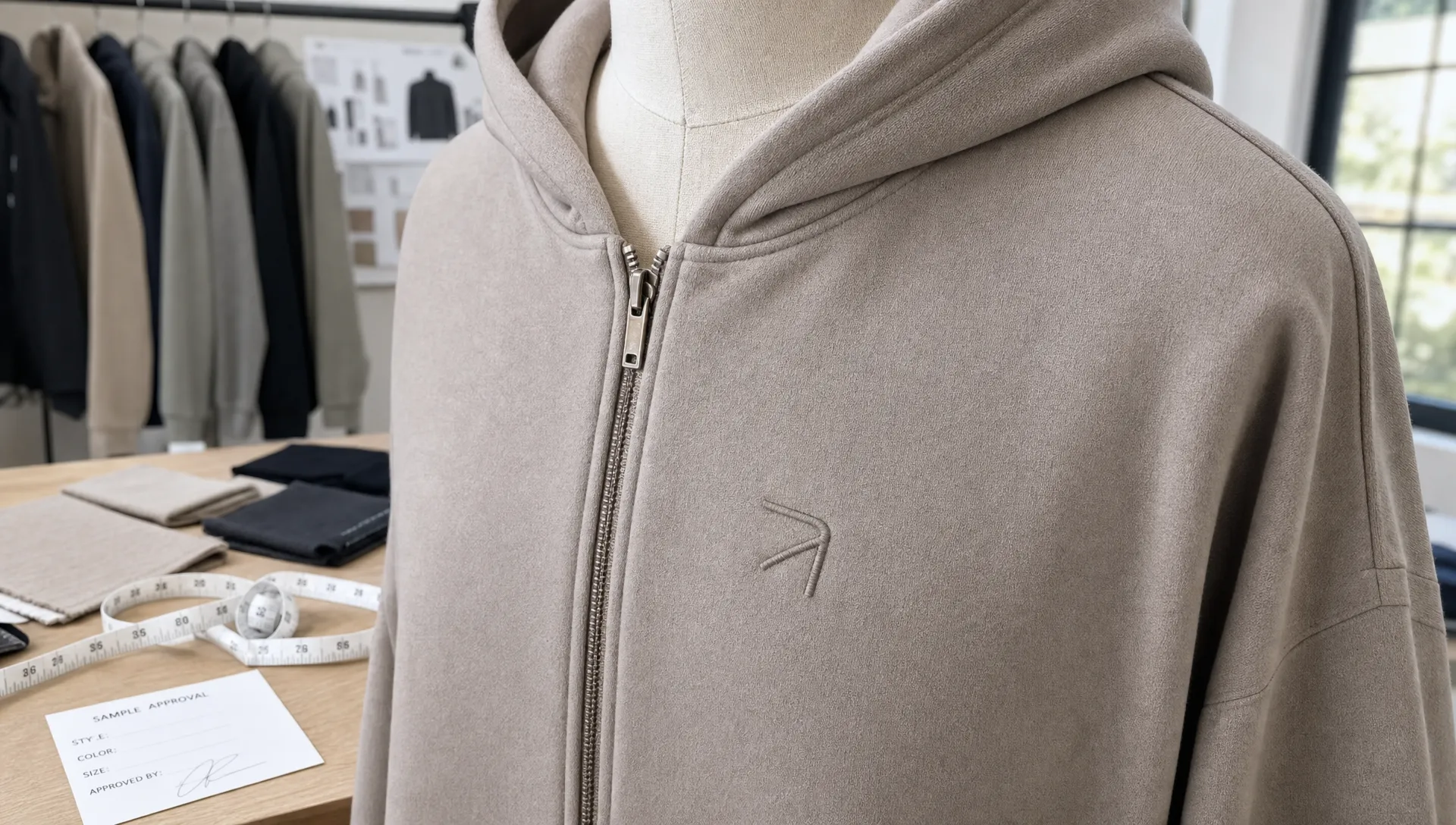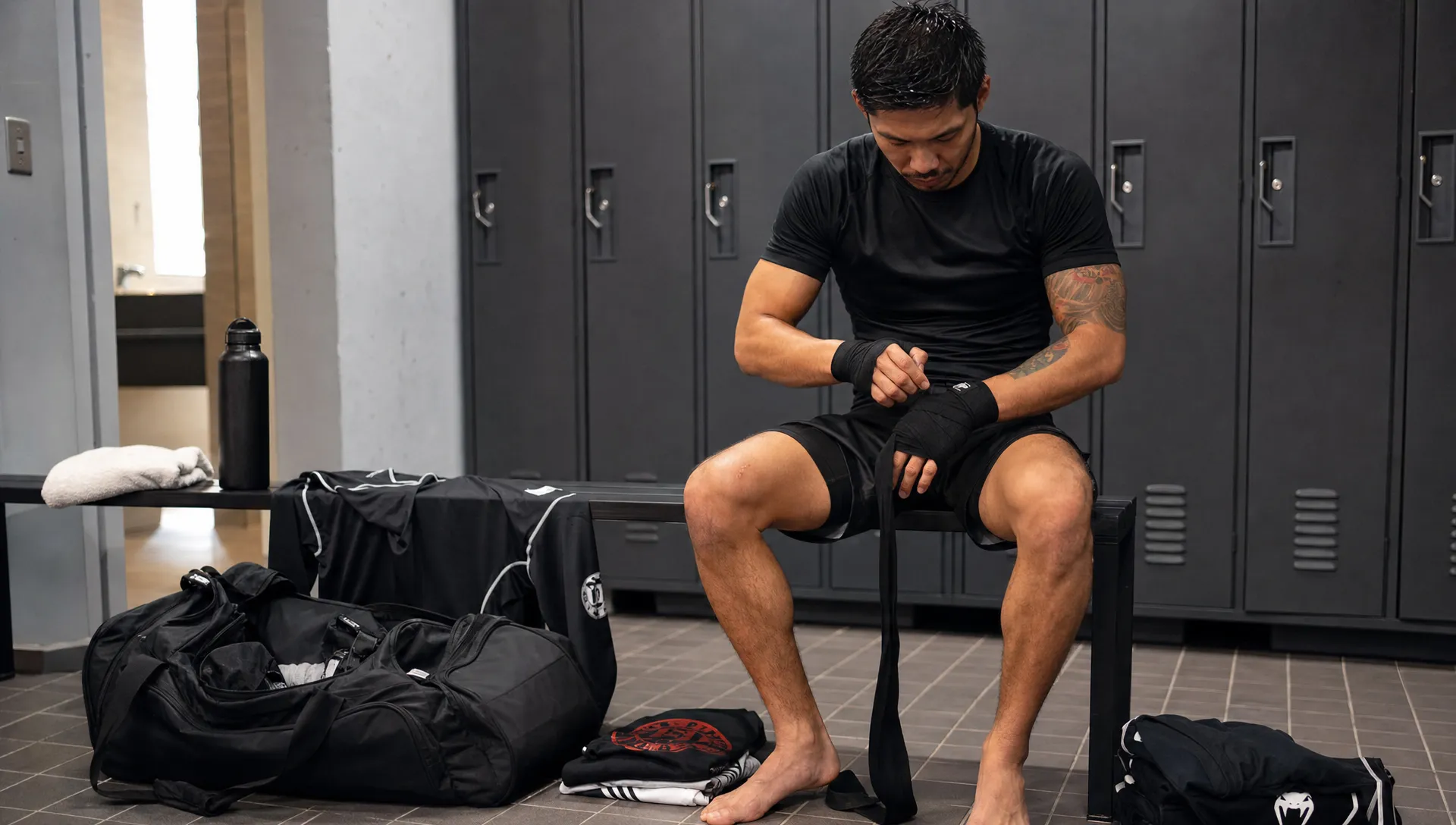
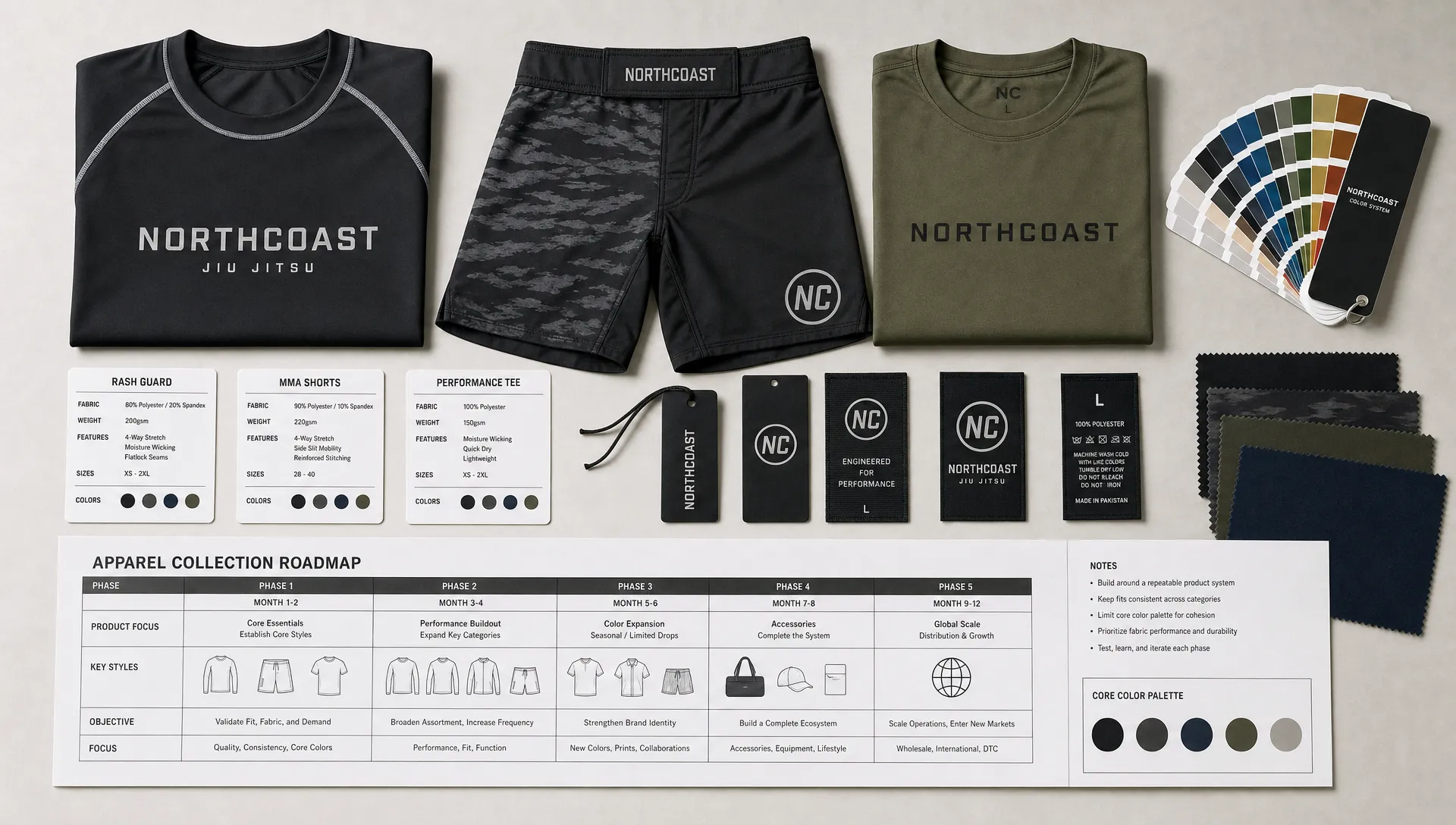
Scaling a sportswear brand is not just about ordering more units. It is about building a product system that can grow without losing quality, margin, or brand identity. The brands that scale custom sports apparel successfully usually have one thing in common: they treat apparel production as a repeatable process, not a one-time project.
That matters even more in combat sports, gym merchandise, and performance wear. Customers expect gear that looks sharp, fits well, survives training, and feels consistent from one drop to the next. If your rash guards, fight shorts, compression tops, hoodies, or gym uniforms vary too much between batches, growth can create more problems than sales.
Here are practical custom sports apparel tips for brands that want to move from small drops to scalable collections with fewer production headaches.
Start With a Product Line You Can Repeat
Many new brands try to launch too many products at once. They add tees, shorts, joggers, rash guards, hoodies, caps, bags, and uniforms before they know what customers actually reorder. That can stretch your budget, complicate sampling, and leave you with slow-moving inventory.
A better scaling strategy is to build around a core product line. For a martial arts or fitness brand, that might mean starting with three to five high-demand items such as rash guards, MMA shorts, compression leggings, performance tees, or training hoodies. Once those pieces sell consistently, you can expand into seasonal colorways, gym packs, or limited-edition drops.
Before adding a new product, ask whether it supports your core customer and strengthens your brand positioning. If you need a deeper framework for customer-led planning, Arus Sportswear has a useful guide on how to build a sportswear collection customers actually want.
Build Your Apparel Around a Clear Customer Profile
Custom sports apparel should be designed for a specific user, not a vague audience. A BJJ academy needs different products from an MMA lifestyle brand. A boxing gym selling member merchandise has different priorities from a distributor serving multiple clubs.
Your customer profile should define practical details such as training style, climate, price range, preferred fit, brand taste, and how often the product will be used. For example, a rash guard for daily grappling needs stronger seam construction and sweat management than a casual gym tee. Fight shorts for competition require movement, waistband security, and durability, while lifestyle shorts may lean more heavily into style and comfort.
This clarity helps you make better decisions on fabrics, trims, branding, and order quantities. It also prevents you from over-customizing features that your buyers do not value.
Design for Production, Not Just for Mockups
A digital mockup can make any design look clean. Production is where the real test begins. Artwork placement, color accuracy, stitching, panel shapes, sublimation areas, embroidery size, and label details all need to work on the actual garment.
When creating custom sports apparel, your design files should be production-ready. That means your manufacturer needs clear references for colors, logo size, placement, print method, fabric type, trims, labels, packaging, and sizing. Small gaps in the tech pack can lead to delays or inconsistent samples.
Strong brands often standardize their design system before scaling. They decide where logos usually go, which colors represent the brand, what label format they use, and how product names appear on packaging. This creates consistency across collections and makes reorders easier.
Choose Fabrics Based on Use, Not Trend Alone
Fabric choice can make or break a sportswear product. Trendy materials may look impressive in a catalog, but the right fabric depends on how the apparel will be worn, washed, stretched, and stressed.
For combat sports and training apparel, buyers often care about breathability, stretch recovery, opacity, abrasion resistance, moisture management, and comfort against the skin. A compression top must hold shape after repeated sessions. Fight shorts should allow high kicks, grappling movement, and repeated washing. A BJJ gi needs fabric and stitching that can handle pulling, gripping, and mat friction.
Do not choose fabric by hand feel alone. Ask how it performs under real use conditions. Sampling and wear testing are especially important if you are moving into larger runs. For a more detailed sourcing perspective, read this guide on how to source performance apparel that holds up.
Create Fit Standards Before You Scale
Fit is one of the biggest reasons customers return apparel or stop buying from a brand. Scaling without fit standards can create expensive inconsistencies across styles and future production runs.
Start by defining your fit blocks. A fit block is a base measurement standard for a product category. For example, you might have one fit block for men’s compression tops, one for women’s leggings, one for MMA shorts, and one for hoodies. Each new style can then be developed from a proven base instead of starting from zero.
A simple fit review should include measurements, movement tests, comfort notes, and feedback from real users. For martial arts apparel, do not judge fit only while standing still. Test squats, sprawls, kicks, grappling movements, arm extension, and waistband stability. The goal is apparel that works in training, not just in product photos.
Make Branding Scalable Across Every Product
Branding should feel consistent whether the customer buys one tee or a full fightwear set. This does not mean every product must look identical. It means the brand language should be recognizable.
Scalable branding includes your logo system, color palette, typography, label style, packaging, hang tags, care labels, and product naming. If each drop looks unrelated, customers may not build a strong memory of your brand. If every product follows a visual system, your collection becomes easier to recognize and easier to merchandise.
Think carefully about logo application. Sublimation may suit rash guards and fight shorts. Embroidery may work better for premium hoodies, caps, or jackets. Woven labels can add a polished feel to uniforms and lifestyle pieces. The right choice depends on the garment, fabric, budget, and desired finish.
Use Sampling as a Scaling Tool
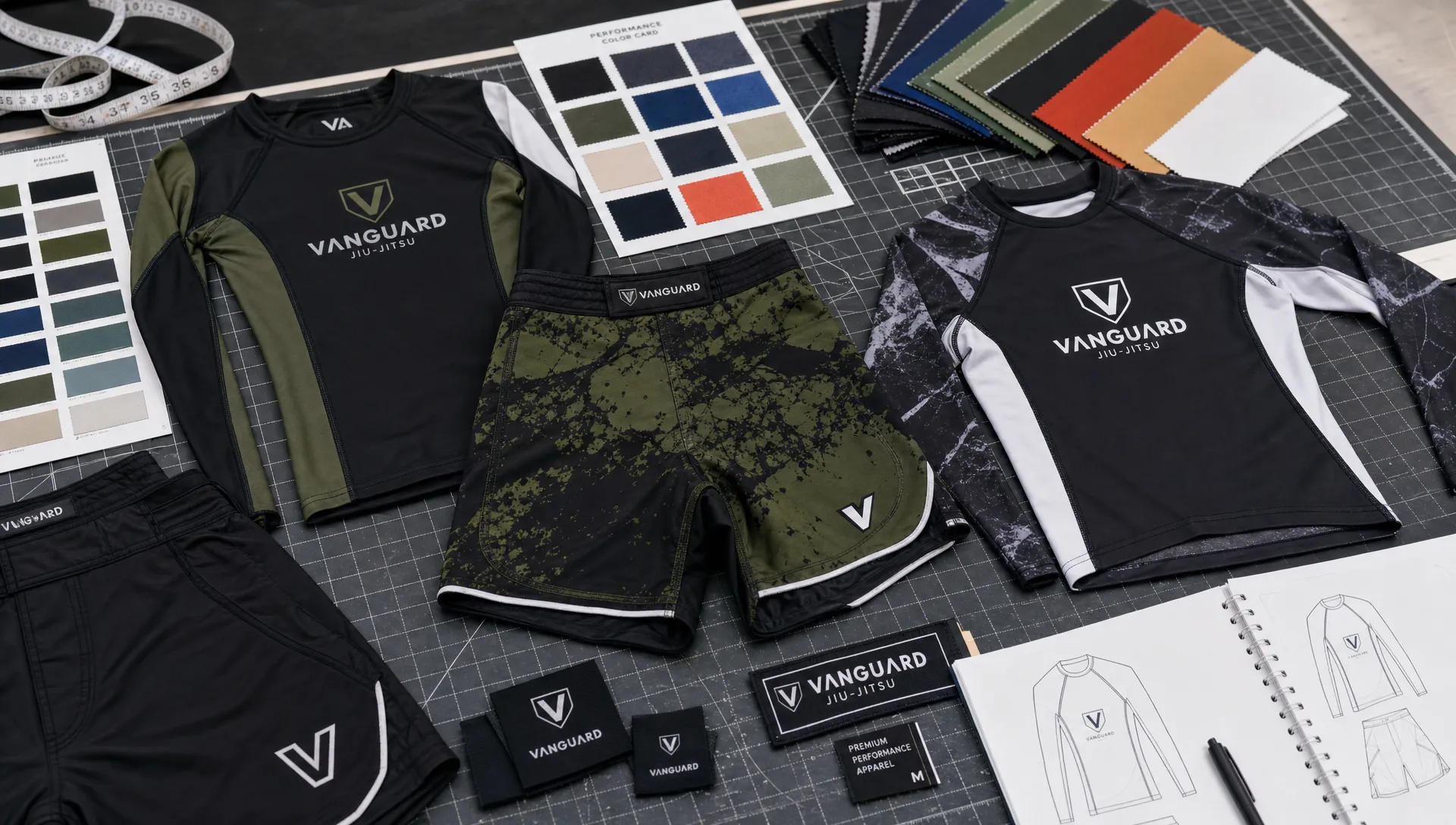
Sampling is not a formality. It is your chance to prevent costly mistakes before bulk production. A strong sampling process helps you check fit, construction, color, print clarity, label placement, stitching, fabric feel, and packaging.
For scaling brands, one sample is rarely enough. You may need a prototype sample for concept approval, a fit sample for measurement corrections, and a pre-production sample before the bulk run begins. The more complex your product, the more important this becomes.
Use a sample review sheet for every style. Record what was approved, what needs changes, and what must not change in future runs. This creates a reference point for your team and your manufacturer. It also reduces confusion when you reorder a winning product months later.
Plan Minimum Orders Around Demand and Cash Flow
Low minimum orders can be helpful for newer brands, gyms, and distributors because they allow you to test products before committing to large quantities. But as you scale, you need to balance flexibility with production efficiency.
Small orders reduce inventory risk, while larger orders can improve per-unit economics. The right decision depends on your demand, launch calendar, available cash, storage capacity, and reorder timing. If you sell through preorders, gym sign-ups, wholesale accounts, or event drops, you may be able to forecast demand more accurately.
A practical approach is to classify products into three groups:
- Core products: Items with reliable demand that can be reordered regularly.
- Test products: New designs or categories that should start with smaller quantities.
- Seasonal products: Limited drops tied to events, competitions, holidays, or campaigns.
This prevents you from treating every product the same. Your best-selling rash guard may deserve a larger reorder, while a new lifestyle hoodie might need a smaller test run first.
Think Like a Retailer, Not Only a Brand Owner
Scaling requires more than good manufacturing. You also need strong merchandising. Product pages, category structure, bundles, size guides, photos, shipping information, and customer reviews all affect conversion.
Even if you sell sportswear rather than groceries or home goods, it can help to study how broader ecommerce platforms organize products and trust signals. For example, a multi-category UAE online shopping marketplace shows how category navigation, featured products, offers, and delivery messaging can help shoppers move from browsing to buying.
For sports apparel, the same principle applies. Customers should quickly understand what the product is for, how it fits, what material it uses, how to choose a size, and why it is worth buying now.
Work With a Manufacturer That Can Grow With You
A manufacturer that works for your first small batch may not always be the right partner for your next stage. As you scale, you need clearer communication, stronger quality control, repeatable production standards, custom branding support, and the ability to handle bulk orders.
For MMA and martial arts brands, OEM and private label manufacturing can be especially useful because it allows you to create branded apparel without building your own factory operations. If your goal is to grow your product range and improve production consistency, this article explains how OEM manufacturing helps martial arts brands scale faster.
When evaluating a custom sports apparel manufacturer, look beyond the lowest quote. Ask about sampling, production timelines, branding options, size grading, quality checks, communication process, and shipping support. A slightly cheaper supplier can become expensive if delays, defects, or poor fit damage your brand reputation.
Build a Quality Control Checklist
Quality control should happen before, during, and after production. Waiting until the final shipment arrives can leave you with limited options if something is wrong.
Your checklist should reflect your product category. A compression garment needs checks for stretch, seam strength, print clarity, and size accuracy. A gi needs checks for fabric weight, reinforcement points, collar structure, embroidery, and shrinkage expectations. A hoodie needs checks for fabric feel, stitching, drawcords, zippers, labels, and wash performance.
Here is a simple scaling checklist you can adapt for custom sports apparel production:
| Scaling area | What to define | Why it matters |
|---|---|---|
| Product range | Core styles, test styles, seasonal styles | Keeps inventory and design decisions focused |
| Fit standards | Base measurements and movement tests | Reduces returns and inconsistent sizing |
| Fabric specs | Composition, stretch, weight, feel, durability | Aligns material choice with real use |
| Branding system | Logo placement, labels, packaging, colors | Builds recognition across collections |
| Sampling process | Prototype, fit sample, pre-production sample | Catches issues before bulk production |
| Quality control | Measurements, stitching, prints, trims, packing | Protects customer trust and brand reputation |
| Reorder plan | Best sellers, lead times, stock thresholds | Prevents missed sales and rushed production |
Forecast Reorders Before You Sell Out
Many growing brands celebrate a sold-out drop, then lose momentum because they did not plan the reorder early enough. If production and shipping take time, waiting until inventory hits zero can create a long gap between demand and availability.
Track sell-through by size, color, and product type. If medium and large sizes sell fastest, adjust your next size ratio. If black rash guards consistently outperform limited colors, keep black as a core product and use limited colors for campaigns. If one product drives repeat purchases from gyms, consider turning it into a wholesale or team-order option.
Reorder planning becomes easier when your products use consistent fit blocks, proven fabrics, and repeatable branding standards. The more organized your product data is, the easier it becomes to scale without guessing.
Avoid the Most Common Scaling Mistakes
Growth can expose weak systems quickly. A brand may look successful after one strong drop, but scaling requires discipline behind the scenes.
Common mistakes include launching too many SKUs, changing manufacturers too often, approving samples too quickly, ignoring size feedback, choosing fabrics only by price, underestimating shipping timelines, and failing to document approved production details.
Another mistake is treating custom sports apparel as only a design project. Design matters, but scaling depends on repeatable specifications, customer insight, manufacturer alignment, and quality control. The brands that last are usually the ones that build systems around their creativity.
Frequently Asked Questions
What is the best way to start a custom sports apparel brand? Start with a focused product range, a clear customer profile, and a reliable manufacturer. Test a small number of products first, gather feedback, then scale the styles that sell consistently.
How many products should a sportswear brand launch with? Many new brands perform better with three to five strong products instead of a large collection. A focused launch is easier to market, sample, stock, and improve.
Why is sampling important for custom sports apparel? Sampling helps confirm fit, fabric, construction, branding, and overall quality before bulk production. It reduces the risk of costly issues in larger orders.
Should scaling brands use private label or OEM manufacturing? Private label and OEM manufacturing can both help growing brands produce custom apparel without owning factory infrastructure. The right option depends on how much customization, design control, and production support your brand needs.
How can brands reduce inventory risk when scaling? Brands can reduce risk by using low minimum orders for test products, tracking sell-through data, planning reorders early, and separating core products from seasonal drops.
Ready to Scale Your Custom Sports Apparel Line?
Scaling a sportswear brand is easier when your product range, fit standards, fabric choices, branding, sampling, and production planning all work together. If you are developing MMA fightwear, BJJ gis, boxing apparel, karate uniforms, or custom sportswear for a gym, brand, or distributor, the right manufacturing partner can help you move from idea to repeatable production.
Arus Sportswear supports private label and OEM manufacturing for custom martial arts and sports apparel, with custom design, branding, bulk production, low minimum order options, and worldwide shipping. To discuss your next collection, visit Arus Sportswear and start planning apparel built for growth.