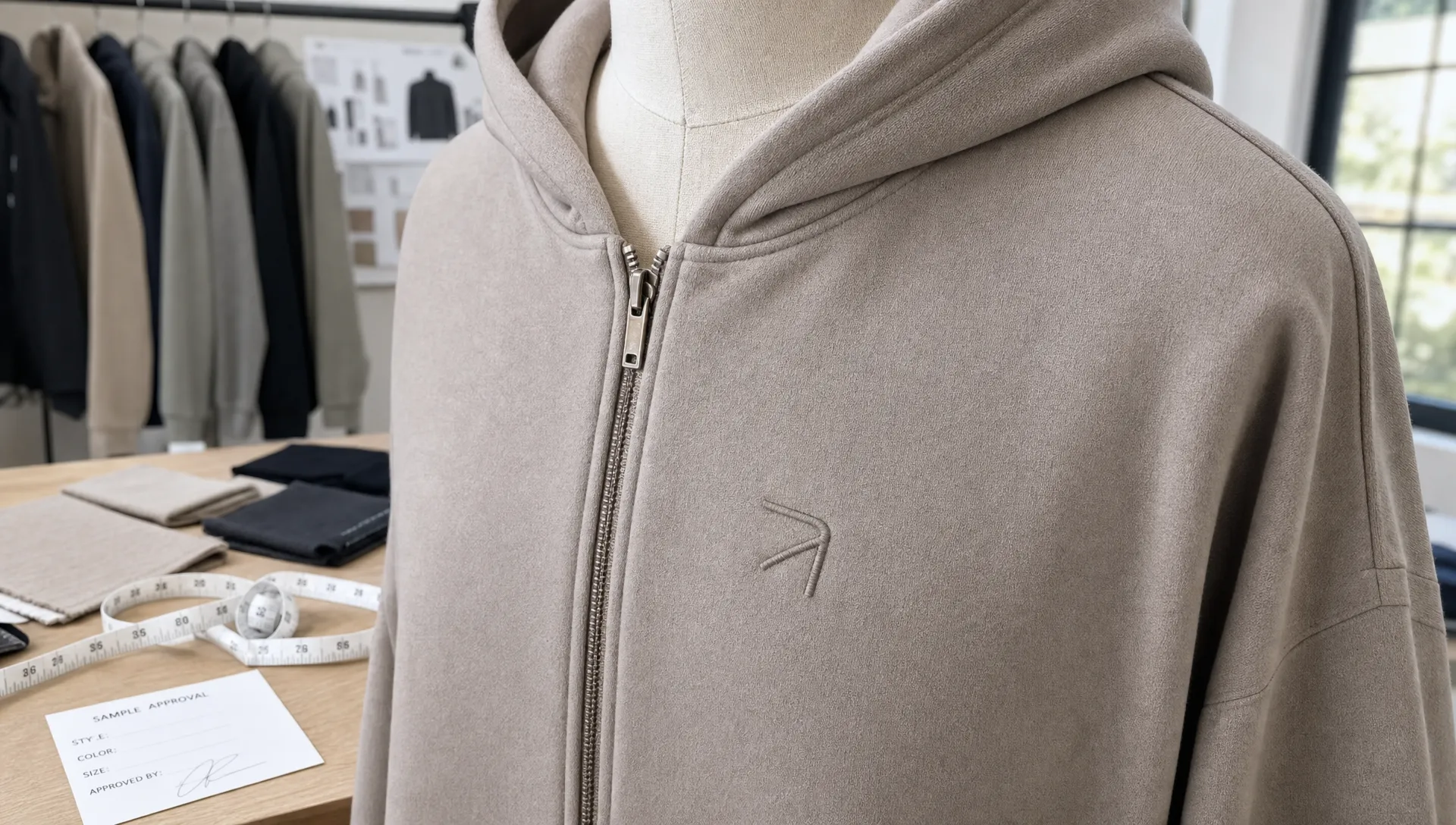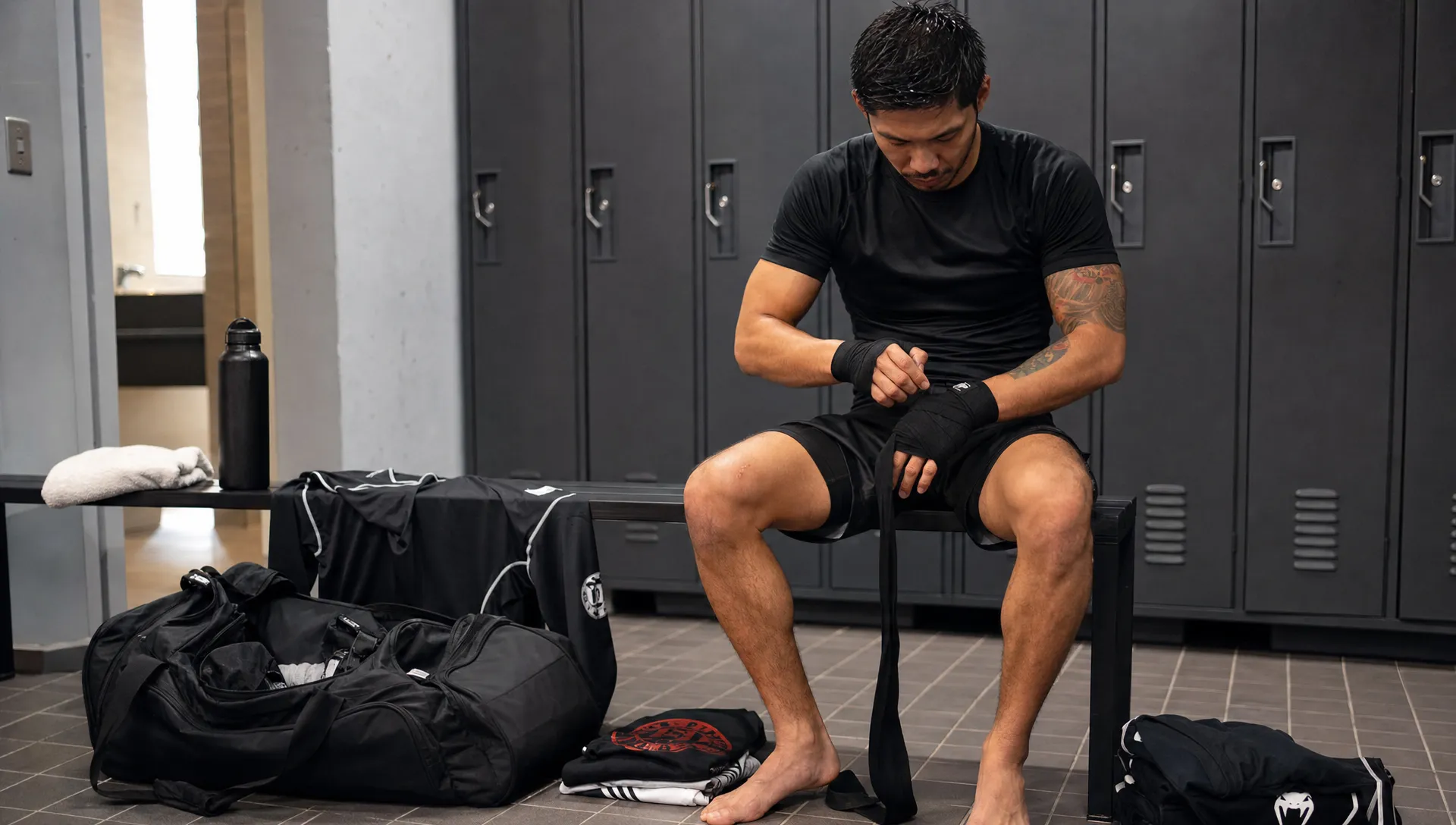
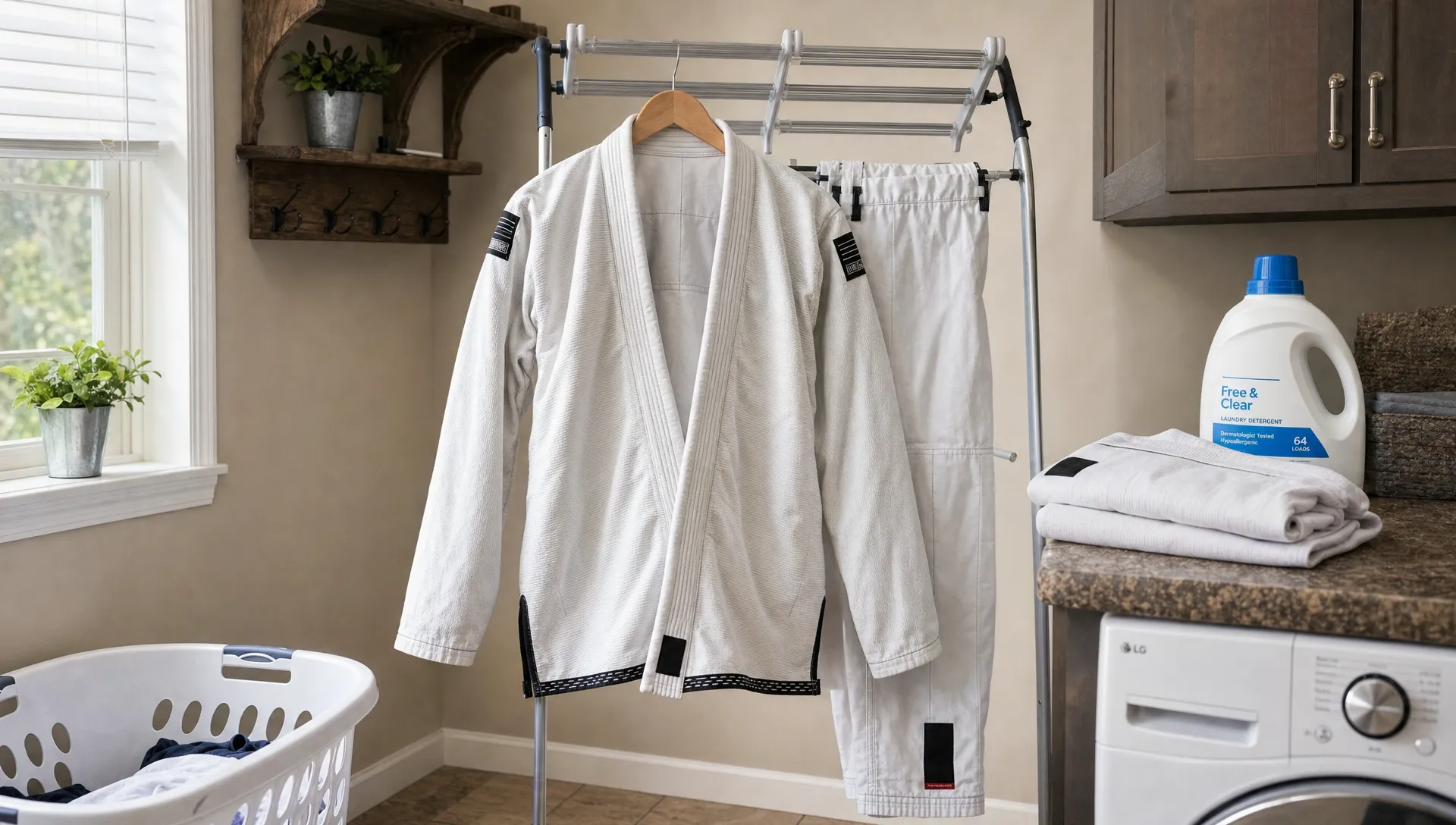
A gi uniform for jiu jitsu has to do more than look traditional. It needs to fit correctly, survive grips and repeated washing, meet academy or tournament expectations and feel comfortable enough that the athlete wants to train often.
For beginners, the best gi is usually simple, durable and forgiving. For competitors, details such as sleeve length, jacket skirt, collar thickness, shrinkage control and rule compliance become much more important. If you are a gym owner, private label brand or distributor, those same details affect returns, customer satisfaction and repeat orders.
This guide breaks down how to choose a gi for both first-time students and serious competitors, with practical notes for brands and academies planning a custom gi range.
What Makes a Jiu Jitsu Gi Different?
A Brazilian jiu jitsu gi is not the same as a karate uniform or a standard judo gi. Jiu jitsu involves constant pulling, lapel grips, sleeve grips, guard work and friction against the mat. That means the jacket, pants and reinforcements need to be designed for grappling rather than striking or throwing alone.
A good BJJ gi usually includes a woven jacket, reinforced stress points, durable pants, a firm collar and a cut that allows movement without giving opponents excess fabric to grip. The balance is important. A gi that is too soft and loose may feel comfortable at first, but it can stretch, tear or be easy to control. A gi that is too stiff or tight may pass competition inspection but feel miserable in daily training.
For anyone sourcing gis commercially, the goal is not to create one perfect gi for everyone. The goal is to match the product to the user: beginner, youth athlete, everyday hobbyist, advanced competitor or academy team member.
| User type | Main priority | Common mistake to avoid |
|---|---|---|
| Beginner | Comfort, durability and fair price | Choosing a heavy or overly slim competition cut too early |
| Regular academy student | Long-term wear and consistent sizing | Ignoring shrinkage after repeated washing |
| Competitor | Rule compliance, secure fit and grip resistance | Prioritizing appearance over tournament legality |
| Gym or brand buyer | Repeatable quality, size range and branding | Ordering bulk stock before testing samples |
Fabric Weight: Light, Mid-Weight or Heavy?
Fabric weight affects comfort, durability, shipping cost and how the gi feels during rolling. In warm climates such as Thailand, Australia or parts of the southern USA, lighter gis are popular because they dry faster and feel less restrictive. In colder climates such as Canada, Germany or northern Europe, mid-weight and heavier gis can feel more substantial during daily use.
Common BJJ gi jacket weights often fall into these broad categories, although exact GSM varies by manufacturer and fabric type:
| Gi weight | Typical use | Best for | Tradeoff |
|---|---|---|---|
| Lightweight | Travel, hot weather and beginners | Students who want comfort and faster drying | May feel less structured under hard grips |
| Mid-weight | Everyday training | Most academies and retail programs | Not as light as travel gis or as rigid as heavy gis |
| Heavyweight | Intense training and grip resistance | Experienced athletes who like a firm jacket | Can feel hot, stiff or bulky for new students |
For beginners, a mid-weight gi is often the safest choice. It gives enough durability for regular classes without feeling like armor. For competitors, lightweight or mid-weight options are common because weigh-ins matter, but the fabric still needs to hold shape after washing.
If you are building a private label gi line, a practical structure is to offer one dependable academy gi first, then add a lightweight model or competition model once you understand demand.
Weave Type and Durability
The weave determines much of the jacket’s feel and strength. Pearl weave is widely used in BJJ because it offers a good mix of durability, moderate weight and comfort. Gold weave has a softer, more traditional feel, but may be heavier depending on construction. Single weave can be comfortable and affordable, although it may not suit athletes who train hard several times per week.
For beginners, pearl weave is usually a strong starting point. It looks familiar, performs well and is easier to position as a general training gi. For competitors, the weave should be evaluated with shrinkage, collar structure and total gi weight, not just durability.
Pants matter too. Ripstop pants are lightweight and dry quickly, while cotton twill pants can feel more traditional and substantial. Reinforced knees, strong drawstrings and secure belt loops make a noticeable difference, especially for athletes who train guard-heavy styles.
Fit: The Detail That Decides Whether a Gi Gets Used
Fit is where many gi purchases succeed or fail. A beginner may not know how a BJJ gi should sit on the body, but they will notice if the sleeves are too long, pants shrink too much or the jacket feels restrictive across the shoulders.
A jiu jitsu gi should allow squatting, kneeling, bridging, framing and overhead arm movement. The jacket should close securely without excessive overlap. Sleeves should not be so loose that opponents gain easy grips, but they also should not pull hard across the elbows. Pants should stay in place during movement and leave enough room through the hips and knees.
For competitors, fit has another layer: tournament inspection. Events that follow IBJJF-style rules usually have strict requirements around sleeve length, pant length, gi color and overall condition. Athletes should always check the latest rule set for the exact event they plan to enter, since local tournaments and major federations may differ.
Brands developing competition models need to account for post-wash measurements. A gi that fits perfectly before washing may become too short after several laundry cycles. If rule compliance is central to your product line, the guidance in designing competition BJJ gis without losing brand identity is a useful next step.
Choosing a Gi Uniform for Jiu Jitsu Beginners
A beginner’s first gi should reduce friction, not create it. New students are already learning etiquette, movements, belt tying, laundry habits and how to survive their first rounds. The gi should feel dependable and easy to care for.
For beginner programs, prioritize these features:
- A comfortable mid-weight fabric that can handle two to three classes per week
- Clear sizing based on height, weight and body type
- Reinforced seams at the armpits, side vents, crotch and knees
- A collar that feels firm but not painfully stiff
- Minimal branding if the academy has uniform rules
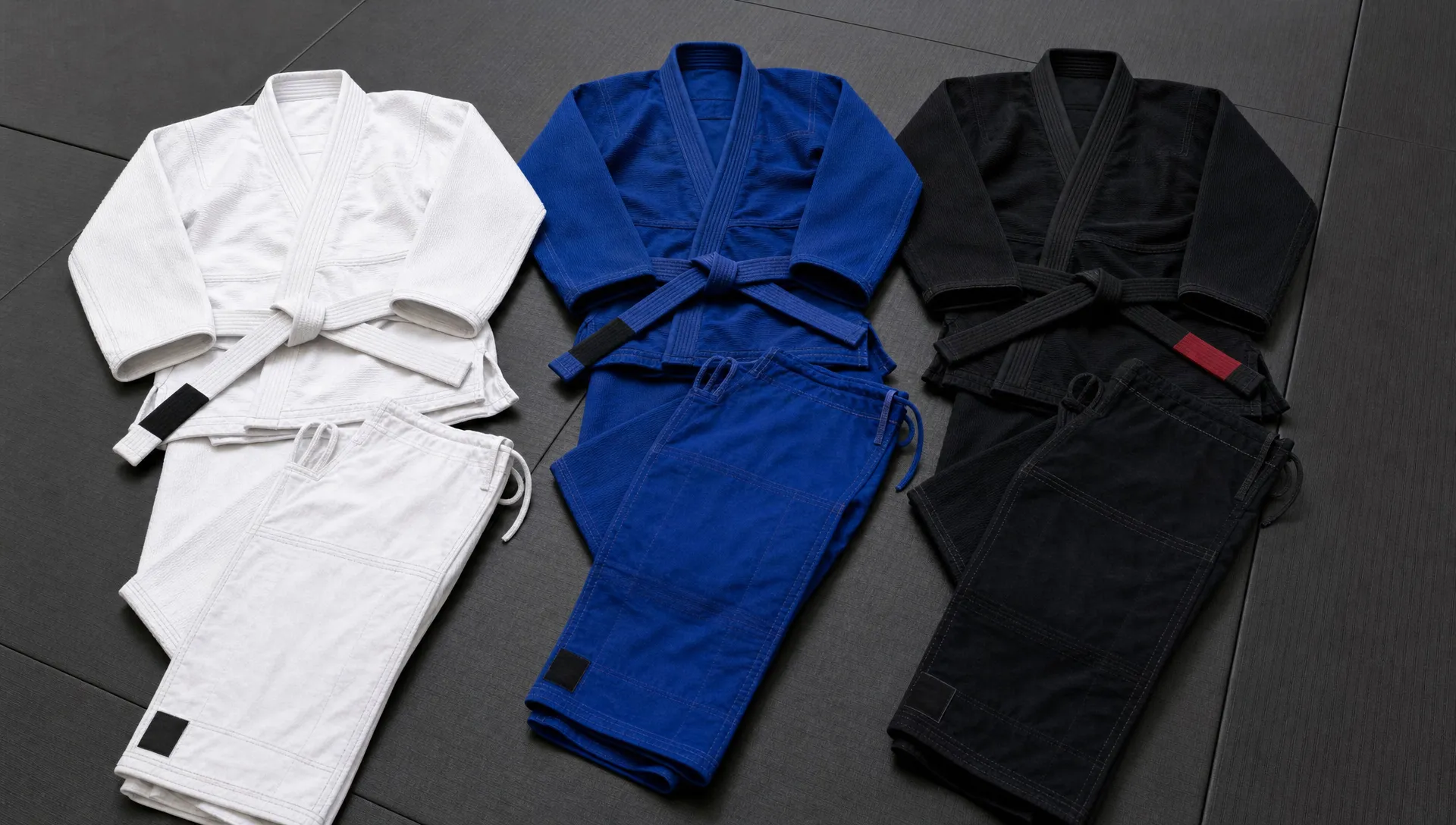
- White, blue or black color options unless the academy requires one color
For gyms selling gis to new students, consistency matters more than novelty. If every batch fits differently, instructors and front desk staff will spend too much time handling exchanges. A simple academy gi with predictable sizing is often better than a flashy design with uncertain measurements.
Parents buying for youth students have another concern: growth. Youth gis need enough room for movement and moderate growth, but oversizing too much makes training harder. Sleeves that cover the hands and pants that drag on the mat can frustrate kids and instructors.
Choosing a Gi for Competitors
Competitors look at a gi through a different lens. They care about weight, grip management, legal measurements and whether the gi stays sharp under pressure. A competition gi should not feel like a costume. It should feel like equipment.
The main competition factors are color, fit, fabric structure, collar design, patch placement and durability after repeated washing. White, royal blue and black are the safest color choices for many major tournaments, but athletes should confirm event rules before purchasing. Some competitions restrict contrast stitching, patch locations or visible damage.
A competitor may prefer a lighter gi to stay within weight class limits. Others prefer a firmer collar and more structured jacket to make lapel grips harder. Both preferences can be valid, which is why many serious athletes own more than one gi.
For brands, avoid calling a gi competition-ready unless you have checked measurements, color standards, patch placement and shrinkage after washing. The product description should also be clear about intended use. If the gi is designed for daily academy training, say that. If it is built for tournament use, support the claim with careful sampling and quality control.
Sizing and Shrinkage: Where Returns Usually Start
Sizing is one of the most important parts of choosing or manufacturing a gi uniform for jiu jitsu. Most BJJ gis use size codes such as A0, A1, A2, A3 and so on, sometimes with long, husky, women’s or youth variations. The problem is that size codes are not universal. One brand’s A2 may fit differently from another brand’s A2.
A reliable size chart should explain both body measurements and garment measurements. Height and weight are useful, but they do not tell the whole story. Shoulder width, arm length, torso length and thigh room can all affect fit.
Shrinkage is the other major issue. Cotton-based gis can shrink, especially with hot washing or tumble drying. Some brands use pre-shrunk fabric, but that does not always mean zero shrinkage. The best approach is to test real samples, measure before and after washing and publish practical care instructions.
For brands and gyms, this is not just a customer service detail. Better sizing reduces returns, protects margins and builds trust. If you are creating your own range, use a structured process like the one outlined in building a jiu jitsu suit size chart that reduces returns.
Branding, Colors and Academy Requirements
For individual students, branding is mostly a style choice unless the academy has uniform rules. Some gyms require plain white gis, some allow only team patches and others welcome any clean gi that meets basic training standards. Beginners should ask before buying.
For academies and private label brands, branding needs to be attractive without interfering with function. Embroidery, woven labels, patches, contrast stitching and inner taping can all create identity, but they must be placed carefully. Poorly placed patches can make a gi uncomfortable or illegal for certain competitions.
Color selection also affects inventory risk. White is traditional and widely accepted. Blue and black are popular for modern BJJ programs. More unusual colors may sell well to lifestyle-focused customers, but they can be harder to use in competitions or stricter academies.
If you plan to sell online, the gi itself is only part of the business. Clear product photos, accurate size charts, fast-loading pages and local visibility can help gyms and small fightwear brands turn interest into orders. For businesses that need support beyond manufacturing, conversion-focused website optimization can help make product and service pages easier for customers to find and act on.
What Brands and Gyms Should Ask Before Ordering in Bulk
Bulk gi production requires more planning than buying a few uniforms for personal use. A gym may need academy uniforms for new members. A distributor may need a consistent product that fits several markets. A fightwear brand may need custom labels, packaging and multiple size runs.
Before approving production, confirm the essentials:
- Who the gi is for: beginner, daily training, competition or premium retail
- Which fabric, weave and pants material will be used
- What size range is needed for adults, women and youth
- How much shrinkage is expected after washing
- Which logos, labels, patches and packaging are required
- Whether the design needs to meet tournament restrictions
- How samples will be tested before bulk approval
Sampling should include real training movement and at least one wash test. Put the jacket through grip work, check the collar, test the pants drawstring and inspect the reinforcement points. A gi can look excellent in a product photo but still fail under normal academy use.
For a broader sourcing view, especially if you are comparing fabrics, branding options, packaging and production planning, the BJJ gis buyers guide for brands, gyms and distributors covers the manufacturing side in more depth.
Beginner Gi vs Competition Gi: Quick Comparison
| Feature | Beginner gi | Competition gi |
|---|---|---|
| Fit | Comfortable with some forgiveness | More precise and rule-conscious |
| Fabric | Durable mid-weight is common | Lightweight to mid-weight with strong structure |
| Branding | Simple academy or brand identity | Rule-aware patches and design placement |
| Color | Based on academy preference | Usually white, royal blue or black for many events |
| Price positioning | Accessible and dependable | Higher performance expectations |
| Best buyer | New students, gyms and starter programs | Active competitors and premium retail customers |
The best choice depends on where the athlete is in their jiu jitsu journey. A beginner does not need the most technical gi on day one. A competitor should not rely on a casual training uniform if tournament rules are strict.
Frequently Asked Questions
What is the best gi uniform for jiu jitsu beginners? A mid-weight pearl weave gi with reinforced stitching, comfortable pants and a clear size chart is usually a good starting point. Beginners should also check academy color rules before buying.
Can beginners wear competition gis? Yes, but many competition gis are slimmer, stiffer or more expensive than a new student needs. If the fit feels comfortable and the academy allows it, there is no problem wearing one for training.
How many gis does a jiu jitsu student need? A beginner can start with one gi, but students training several times per week often need two or more so each uniform can be washed and dried properly between classes.
Do all jiu jitsu gis shrink? Many cotton-based gis shrink to some degree, especially with hot washing or tumble drying. Always follow care instructions and check whether the manufacturer provides post-wash sizing guidance.
What colors are safest for BJJ competition? White, royal blue and black are the safest choices for many major tournaments. Athletes should still confirm the current rulebook for their specific event.
What should gyms look for in a custom BJJ gi supplier? Gyms should look for consistent sizing, strong stitching, reliable fabric options, sample testing, branding support and the ability to handle repeat orders without quality drifting between batches.
Build a Gi Range That Matches Real Training Needs
Choosing the right gi is about matching the uniform to the athlete. Beginners need comfort, durability and simple sizing. Competitors need precision, structure and rule awareness. Gyms, brands and distributors need all of that plus repeatable production, clear branding and dependable quality control.
Arus Sportswear manufactures custom MMA and martial arts apparel for brands, gyms and distributors worldwide, including private label and OEM production for BJJ gis, fightwear and combat sports uniforms. If you are planning a beginner academy gi, a competition model or a complete branded range, start with the user first, then build the fabric, fit, sizing and branding around that need.