A successful mma clothing line starts with a clear buyer and a manageable first order, not a large catalog. Gyms need dependable team gear that members can reorder. Fighters need apparel that works in training and represents them professionally. Both need consistent fit, recognizable branding and pricing that supports repeat purchases.
This guide focuses on building that first collection: choosing products, briefing a manufacturer, testing samples, setting prices and turning gym relationships into repeat business.
Choose your launch model before designing products
Decide who will pay for the first production run. That choice affects your designs, inventory exposure and sales process.
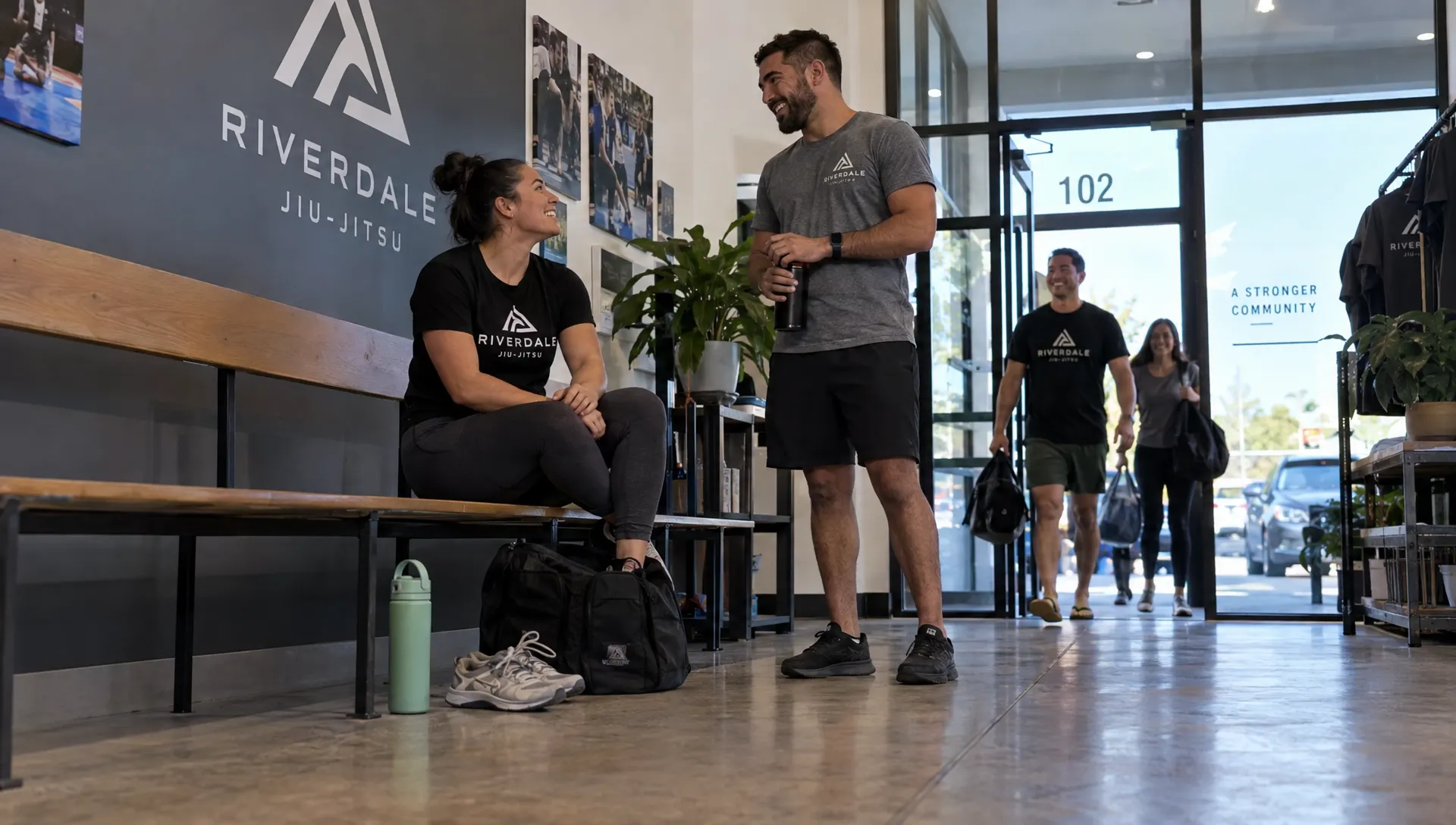
A gym-owned collection sells directly to members. Its strongest starting point is usually a recognizable team identity, with products suited to the gym’s training schedule and membership.
A fighter-led collection serves two audiences: the athlete wearing the gear and supporters buying it. Separate performance requirements from merchandise demand. A fighter’s preferred competition shorts may not be the product fans want to wear casually.
A brand supplying multiple gyms needs a repeatable customization process. Establish which elements stay standard, such as the garment construction, and which change for each customer, such as colors and logos.
Start with one model rather than trying to serve all three immediately. Write a simple launch brief covering your customer, sales channel, available budget and intended delivery window. Confirm who owns the gym name, fighter likeness and artwork before putting them into production.
Build a focused mma clothing assortment
Choose products around actual use, then narrow the range to what your buyers will commit to ordering. A small collection makes sample approval, size planning and reorders easier to manage.
| Product | Main role in the collection | What to validate first |
|---|---|---|
| Rash guard | Grappling and mixed training | Fit, stretch recovery and seam comfort |
| Fight shorts | Striking and mixed training | Waist security and unrestricted movement |
| Team T-shirt | Member identity and supporter merchandise | Everyday fit and decoration durability |
| Walkout hoodie | Athlete presentation and optional retail | Layering fit and demand before stocking |
You do not need every item in the table. For a grappling-focused gym, a rash guard and team shirt may be enough. For a fighter launch, shorts plus one supporter product can keep the performance and retail offers distinct.
Limit colors and artwork variations initially. Three products in two colors and six sizes already create 36 stock-keeping units before adding athlete names or separate fits.
Ask members what they would actually buy, at what price and in which size. Paid reservations provide stronger evidence than social media reactions. Arus Sportswear’s guide to custom branded clothing ideas for gyms can help you compare options, but your first collection should follow your own customers’ commitments.
Turn each design into a production brief
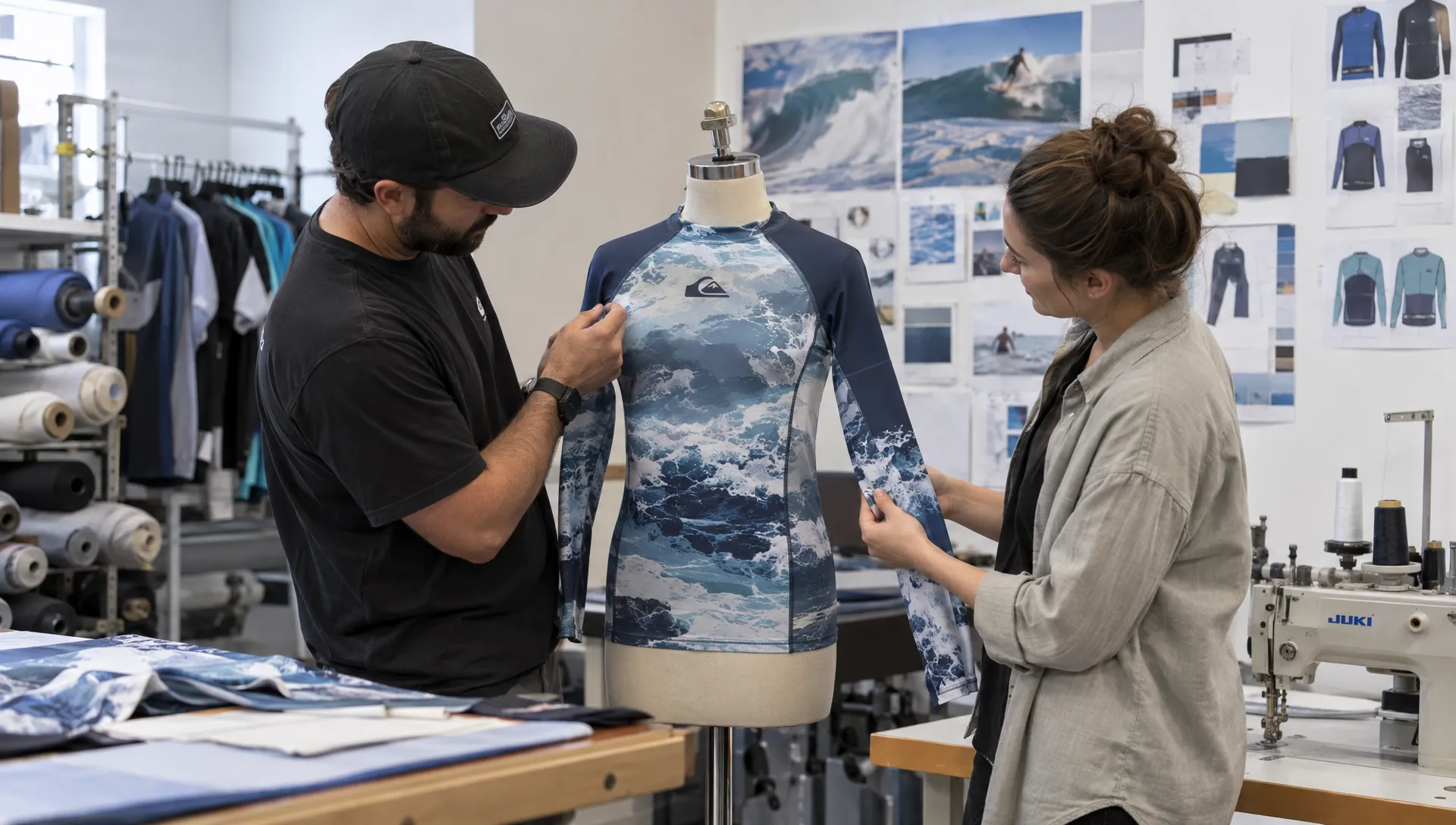
Your mma clothing manufacturer needs more than a logo and a reference photo. Create a specification document, often called a tech pack, for each garment so both parties can evaluate the same requirements.
Include these essentials:
- Construction: Intended use, silhouette, fabric requirements, seams and closure details.
- Measurements: Size chart, measurement points and agreed tolerances for each size.
- Artwork: Editable files, color references, logo dimensions and placement measurements.
- Branding and packaging: Neck labels, care labels, hangtags, individual packaging and carton requirements.
Discuss performance needs rather than choosing fabric only by appearance. A training short should allow kicking and sprawls without the waistband shifting. A rash guard should remain comfortable under repeated stretching and close contact.
Ask the supplier to identify specifications that need adjustment before sampling. Record substitutions and approvals in writing. For competition use, check the relevant organizer’s current apparel rules rather than assuming any training garment will be accepted.
Resolve labeling and market requirements early
Labeling belongs in the production brief, not at the end of the order. For the US market, the FTC’s textile labeling guidance explains requirements concerning fiber content, country of origin and responsible business identification. Care-label obligations also need review.
Canada, European markets, Australia and Japan have their own requirements. Verify applicable language, textile labeling, product safety and importer obligations for each destination. Selling through a distributor does not automatically remove your responsibilities. Get qualified advice where needed before approving bulk labels.
Test samples under real training conditions
Before committing to bulk mma clothing production, test physical samples with the people who will wear them. A photo approval cannot establish fit, comfort or durability.
Use wearers representing the body types in your intended audience. If you plan to sell multiple fits, sample them separately rather than assuming one pattern will suit everyone. Compare the garment with its measurement chart before training begins.
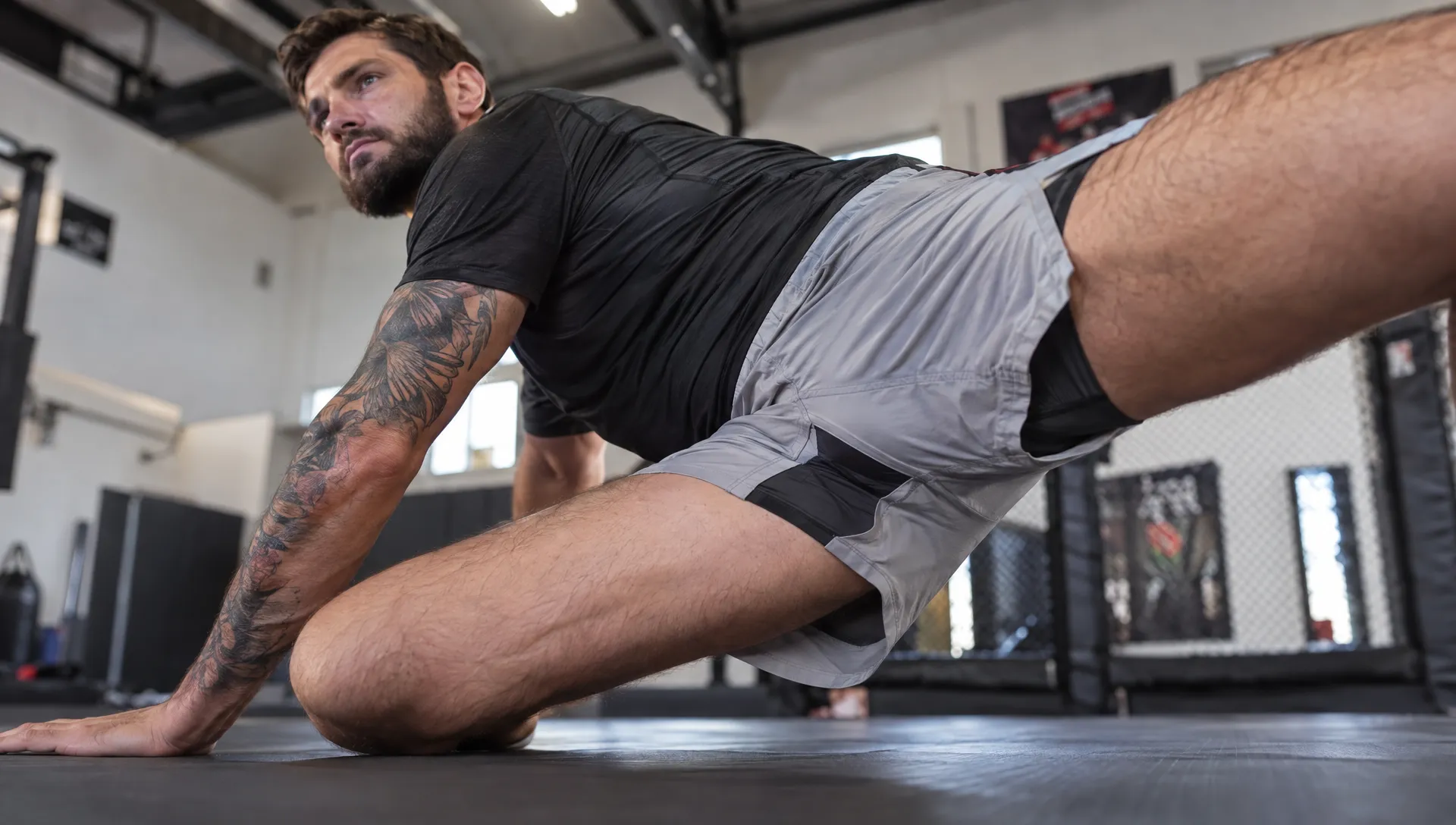
For shorts, test kicks, squats, sprawls and ground transitions. Check whether the waistband stays secure and whether seams or closures create pressure points. For rash guards, assess sleeve movement, torso coverage and comfort during grappling.
Wash samples according to the proposed care instructions, then inspect measurements, seam condition and print appearance. These checks are practical screening, not a substitute for laboratory testing when a specific performance claim requires evidence.
Record each issue with photographs and a precise correction. “Make it better” is not useful feedback; “reduce sleeve length by the agreed measurement” is actionable.
Approve a final reference sample and keep the signed specifications. Agree on how bulk quality will be checked, how defects will be documented and what happens if goods fall outside the agreed requirements. Do not publish a firm launch date until sample approval and production timing are aligned.
Price for landed cost and the sales channel
Profitable mma clothing pricing begins with the cost of getting sellable garments into your hands. The factory price alone does not account for freight, duties, inspection, packaging or other applicable charges.
Separate three categories: landed product cost, variable selling costs and fixed launch costs. Sampling and initial artwork may be fixed costs, while payment fees and fulfillment generally rise with sales. Treat recoverable taxes separately where applicable.
The following example uses illustrative US-dollar figures, not an Arus Sportswear quote:
| Item | Illustrative amount per unit |
|---|---|
| Retail selling price | $48 |
| Landed product cost | $22 |
| Variable selling costs | $6 |
| Contribution before fixed costs | $20 |
At those assumptions, each full-price sale contributes $20 toward fixed costs and profit. The $26 difference between retail price and landed cost is not your final earnings.
Cash recovery is a separate calculation. If you buy 100 units at $22 landed and spend $300 on setup, you commit $2,500 before sales. With $42 received per sale after the assumed variable selling costs, you need 60 full-price sales to recover that initial cash outlay. This simplified example excludes returns, discounts and additional overhead.
For wholesale, work backward from what the gym needs to earn at retail. A price that works for direct sales may leave too little room for a reseller. Model both channels before accepting an order, and confirm the quote’s shipping terms, currency and validity period.
Collect orders before committing to a size breakdown
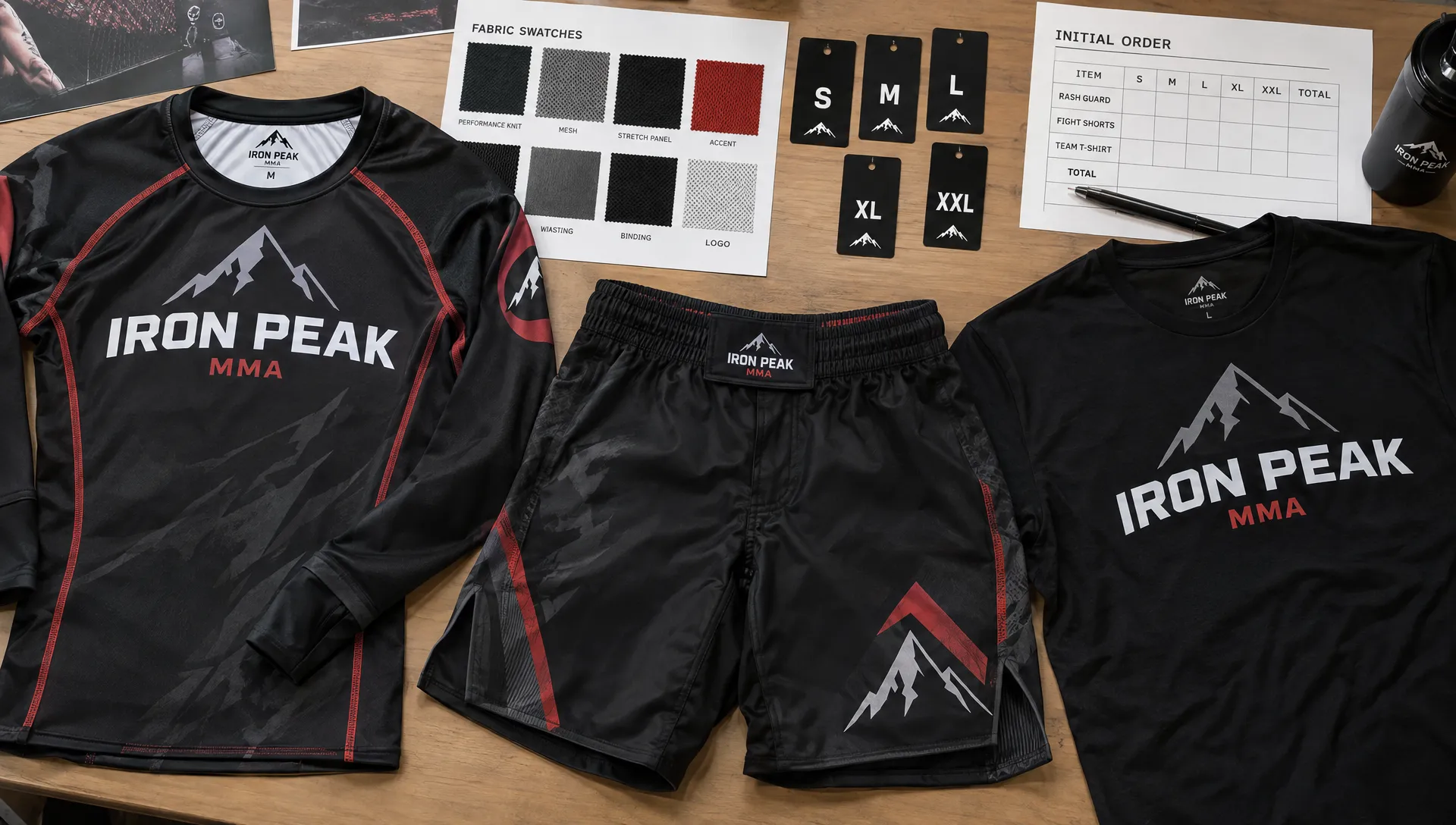
Use approved samples to collect meaningful demand data. Let gym members try on the actual fit where possible, then capture product, size, quantity and delivery details in a consistent order form.
Do not rely on a generic size ratio copied from another brand. Your customer base may include youth athletes, heavyweights or a large women’s training group, each of which changes the required mix. Keep measurements and fit guidance available wherever orders are collected.
A preorder window can reduce uncertainty, but it also creates obligations. Explain the expected delivery period, what happens if production is delayed and the cancellation or refund terms that apply in the customer’s market. Avoid presenting an estimate as a guaranteed arrival date.
Separate confirmed customer orders from speculative retail stock. If the budget allows, add a small exchange reserve based on the collected size data rather than buying extra units evenly across every size.
For a first mma clothing drop, fewer speculative variations are usually easier to manage than a broad assortment with shallow stock. Coordinate order collection with the manufacturer’s minimums, which may apply by style, color or other production grouping. “Low minimum orders” does not necessarily mean every customization can be produced in any quantity.
Build a repeatable gym sales process
If you supply multiple gyms, define a specific offer before starting outreach. A proposal for a team rash guard with an approved sample and clear ordering process is easier to evaluate than a general promise to make custom apparel.
Identify the owner, head coach or retail buyer responsible for purchasing. Relevant reasons to contact a gym include a new location, a competition team launch or an upcoming member event. Use those details to explain why your offer fits, without pretending to have an existing relationship.
For brands expanding beyond personal contacts, AI-assisted B2B prospecting with Prosperian can support account discovery, contact enrichment and personalized outreach across email and LinkedIn. Keep targeting narrow, verify contact accuracy and follow the privacy, electronic marketing and platform rules that apply to your outreach.
Your proposal should make the next decision straightforward: review a sample, confirm quantities or approve customization. Include the size range, order minimums, payment terms, estimated production timing and responsibility for delivery charges.
Position your mma clothing offer around a repeatable service rather than a one-time discount. Explain how the gym can reorder its approved design, how artwork revisions are handled and whether individualized pieces create additional production requirements. Follow up with information the buyer needs, not repeated generic sales messages.
Manage the first drop as a reorder test
The first delivery should tell you what to repeat, change or discontinue. Track sales by product, size, color and channel rather than looking only at total revenue.
Sell-through is units sold divided by units available for a defined period. If you received 50 rash guards and sold 35, sell-through is 70%. Record the date range and discount activity so you can compare future drops fairly.
Keep customer exchanges, fit complaints and manufacturing defects in separate categories. A high exchange rate may indicate unclear sizing guidance, while repeated seam failures call for a production review. Each issue needs a different response.
Reorder timing should account for confirmed supplier lead time, transport, receiving checks and a sensible buffer. Review demand before adding new colors or products, especially if the existing stock is uneven across sizes.
A sustainable mma clothing line combines a stable core collection with controlled updates. Keep successful fits and approved specifications on file so a reorder does not become a complete redesign. Ask the manufacturer to confirm whether materials and construction remain unchanged, and communicate any meaningful changes to returning buyers.
Frequently asked questions
How many products should a gym launch with? Two or three complementary products can provide a manageable starting point, but demand matters more than a fixed number. A confirmed order for one well-tested item is preferable to unvalidated stock across a large collection.
Should fighters use the same designs for training and supporter merchandise? They can share visual branding, but they do not need identical garments. Training gear should meet the athlete’s functional needs, while supporter merchandise should suit the buyer’s everyday use and preferred fit.
What should I ask a private label manufacturer before ordering? Confirm minimums, sampling costs, customization options, measurement tolerances, production timing, quality checks, payment terms and shipping responsibilities. Request a written quotation tied to the exact specifications you approved.
How much does it cost to launch an mma clothing line? There is no reliable universal figure. Build your budget from samples, artwork, inventory, landed shipping costs and selling expenses. Obtain quotes for your actual assortment and quantities, then test whether both retail and wholesale pricing support the business.
Prepare a clear manufacturing inquiry
Before requesting a quote, assemble your product list, intended markets, artwork, quantity estimates and target delivery window. Include the specifications you already know and flag the decisions where you need manufacturing input.
Arus Sportswear offers private label and OEM production, custom branding, low minimum orders and worldwide shipping for combat sports apparel. Bring your first collection brief to Arus Sportswear to discuss available production options and confirm the requirements for your order.