Well-designed sports uniforms have to do more than look sharp on game day. For teams, gyms, schools and private label brands, the same kit often needs to survive daily training, pack well for away events and look desirable enough to sell at the front desk or online. That makes uniform planning a business decision as much as a design decision. The right choices in fabric, fit, branding and production setup can reduce reorders, keep athletes comfortable and turn team identity into a product line people actually want to buy.
What Modern Sports Uniforms Need to Do
A good kit starts with clarity. Before choosing colors or placing logos, buyers should map where the uniform will be worn, how often it will be washed, what climate it will face and whether the same design will be offered for retail. A training-only jersey has different demands than a travel polo, warm-up set or limited-edition fan version.
For buyers, this means sports uniforms should be planned around three functions: performance, presentation and commercial value. Performance covers movement, sweat control, durability and comfort. Presentation covers team identity, color consistency and how athletes look when representing the organization. Commercial value covers whether the garment can be stocked, promoted and sold without creating unnecessary inventory risk.
This approach is especially useful for combat sports gyms, multi-sport clubs, academies and distributors serving different regions. A gym in Thailand may prioritize lightweight breathability. A team in Canada or Germany may care more about layering and travel pieces. Brands selling in the USA, Europe, Japan or Australia need sizing, labeling and design choices that work across markets.
Start With Use Cases: Training, Travel and Retail
The easiest way to avoid overcomplicating a uniform range is to divide it by use case. Most teams do not need dozens of products at launch. They need a small set of well-built items that cover the moments athletes experience most often.
When sports uniforms are planned by use case, each item has a clearer job. Training pieces should handle repetition and sweat. Travel pieces should look coordinated in airports, buses, hotels and event venues. Retail pieces should carry the same identity, but may need a softer hand feel, simpler sizing or more lifestyle-friendly styling.
| Use case | Main priority | Common products | Key buying question |
|---|---|---|---|
| Training | Durability and mobility | Jerseys, shorts, rash guards, tees, tracksuits | Will it perform after repeated washing and hard sessions? |
| Travel | Comfort and presentation | Polos, hoodies, joggers, warm-up jackets, backpacks | Does the team look unified off the field or mat? |
| Team retail | Brand appeal and margin | Fan tees, replica jerseys, hoodies, caps, lifestyle shorts | Will members, parents or supporters want to buy it? |
This framework also helps when briefing a manufacturer. Instead of asking for a generic team kit, you can specify the sport, climate, order quantity, decoration method, size range and whether the garment is for athletes, supporters or both.
Build Training Uniforms Around Movement and Wash Durability
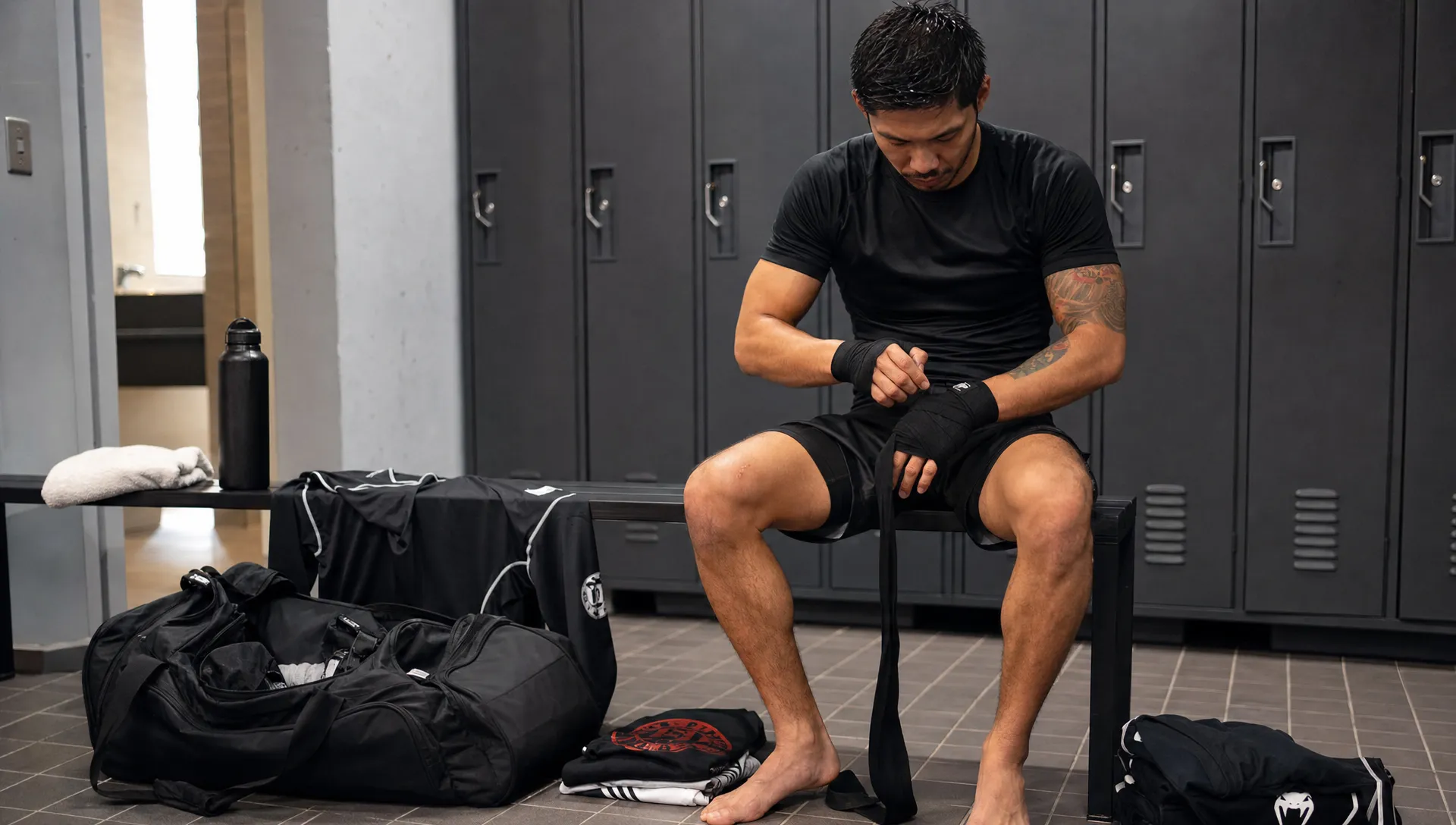
Training gear takes the most abuse. Athletes sweat in it, stretch it, grip it, fall in it and wash it often. If the garment fails here, the brand image suffers quickly because athletes notice discomfort before they notice decoration details.
Training sports uniforms should prioritize fit and fabric before graphics. For high-movement sports, pattern engineering matters: shoulder range, crotch gussets, side seam placement, waistband stability and sleeve length can all affect performance. A beautiful jersey that restricts motion will not become a favorite training piece.
Fabric choice depends on the sport. Team field sports often need lightweight polyester with moisture management and good colorfastness. Combat sports may need stronger stretch fabrics, reinforced seams or abrasion-resistant panels. Basketball and soccer uniforms often lean toward breathable, quick-drying materials, while karate or BJJ-related garments may require woven durability and sport-specific construction.
Decoration should also match the training environment. Sublimation can be useful for full-color graphics because the design becomes part of the fabric rather than sitting on top of it. Embroidery can look premium on polos and jackets, but it may not suit every high-sweat or high-friction training item. Screen printing, heat transfer and woven labels each have a place, but the end use should guide the decision.
Make Travel Pieces Comfortable, Coordinated and Easy to Pack
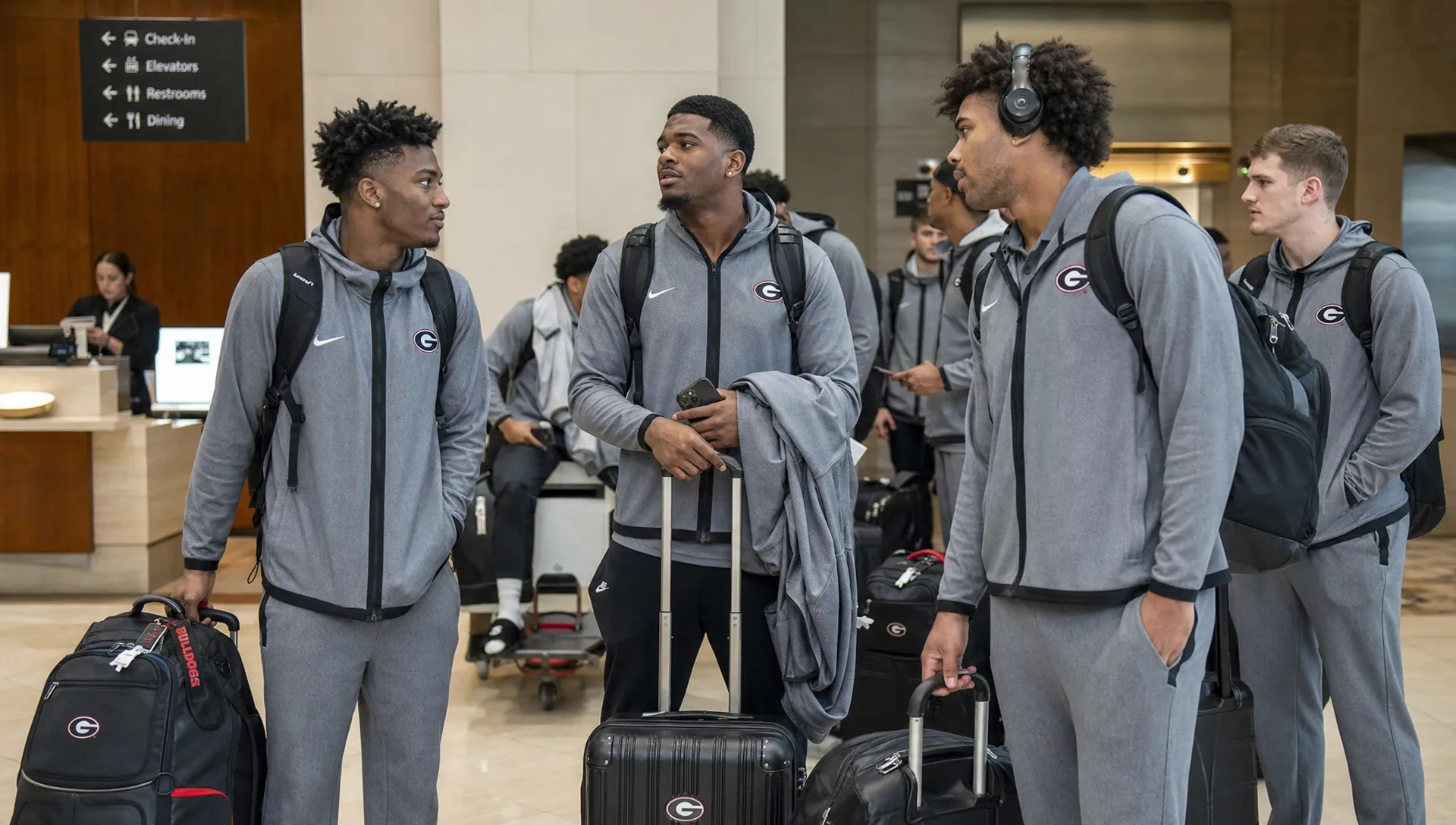
Travel apparel is often underestimated because it does not always affect competition performance. Yet it shapes how a team is seen before and after events. Matching travel outfits create a professional impression in public spaces, at weigh-ins, during tournament check-ins and across social media photos.
For travel, sports uniforms need a slightly different balance. Comfort still matters, but presentation becomes more important. Fabrics should resist wrinkling, recover shape after packing and feel comfortable across long journeys. Hoodies, joggers, polos and lightweight jackets usually work well because they are easy to size, easy to wear and suitable across age groups.
Color planning is critical here. A bold competition kit may look great under lights, but a travel collection often benefits from cleaner color blocking and more controlled branding. Consider using the same core palette across every item, then changing logo size and placement depending on whether the garment is for athletes, coaches or supporters.
Teams that travel internationally should also think about climate. A club competing in Japan during summer may need lighter layers than a squad traveling through Northern Europe in winter. Instead of one heavy jacket for every market, some brands create modular systems: tee, hoodie, jogger and shell jacket that can be worn separately or together.
Turn Team Identity Into Retail Products
Retail works when the product feels connected to the team but not limited to the court, field, mat or ring. Members may love representing their gym, but they still want items that fit well, feel good and work in everyday life. That is why lifestyle-friendly silhouettes can outperform overly technical gear at the front desk.
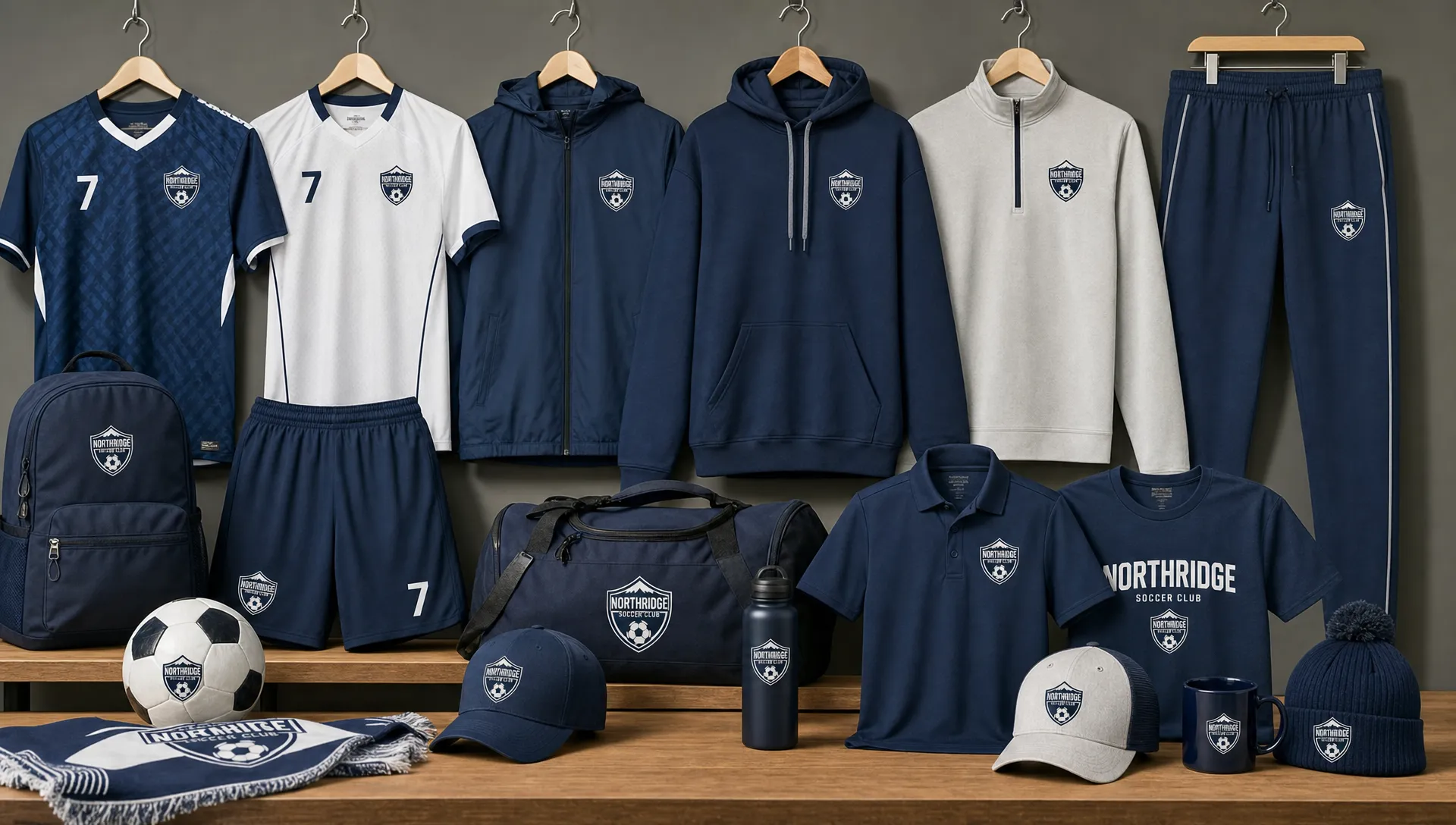
For retail, sports uniforms can inspire a wider collection without copying the exact competition kit. A team jersey might lead to a replica fan version, a cotton-feel performance tee, a cropped hoodie, a coach jacket or a premium warm-up short. The goal is to keep the visual identity consistent while making the products easier to wear casually.
This is where brand storytelling matters. Team colors, founding dates, gym slogans, local symbols and athlete nicknames can become design assets. Arus Sportswear’s guide to custom branded clothing ideas that sell for gyms covers product ideas that can help gyms and sports facilities move from basic merch to a more structured apparel offer.
Retail planning also requires SKU discipline. Too many colors, fits and sizes can trap cash in slow-moving inventory. A practical launch might include one hero hoodie, one everyday tee, one replica top and one short or jogger. After the first selling cycle, reorder the winners and use customer feedback to refine the next drop.
Branding Details That Make a Uniform Line Feel Professional
A uniform range feels professional when every detail looks intentional. This does not mean every item needs oversized graphics. In many cases, the strongest brand systems use a mix of bold hero pieces and quieter supporting items.
Good design starts with a consistent logo hierarchy. Decide which logo is primary, which marks are secondary and where sponsor artwork can appear without crowding the garment. For teams with many sponsors, create placement rules before production begins. This protects the look of the kit and makes approvals faster.
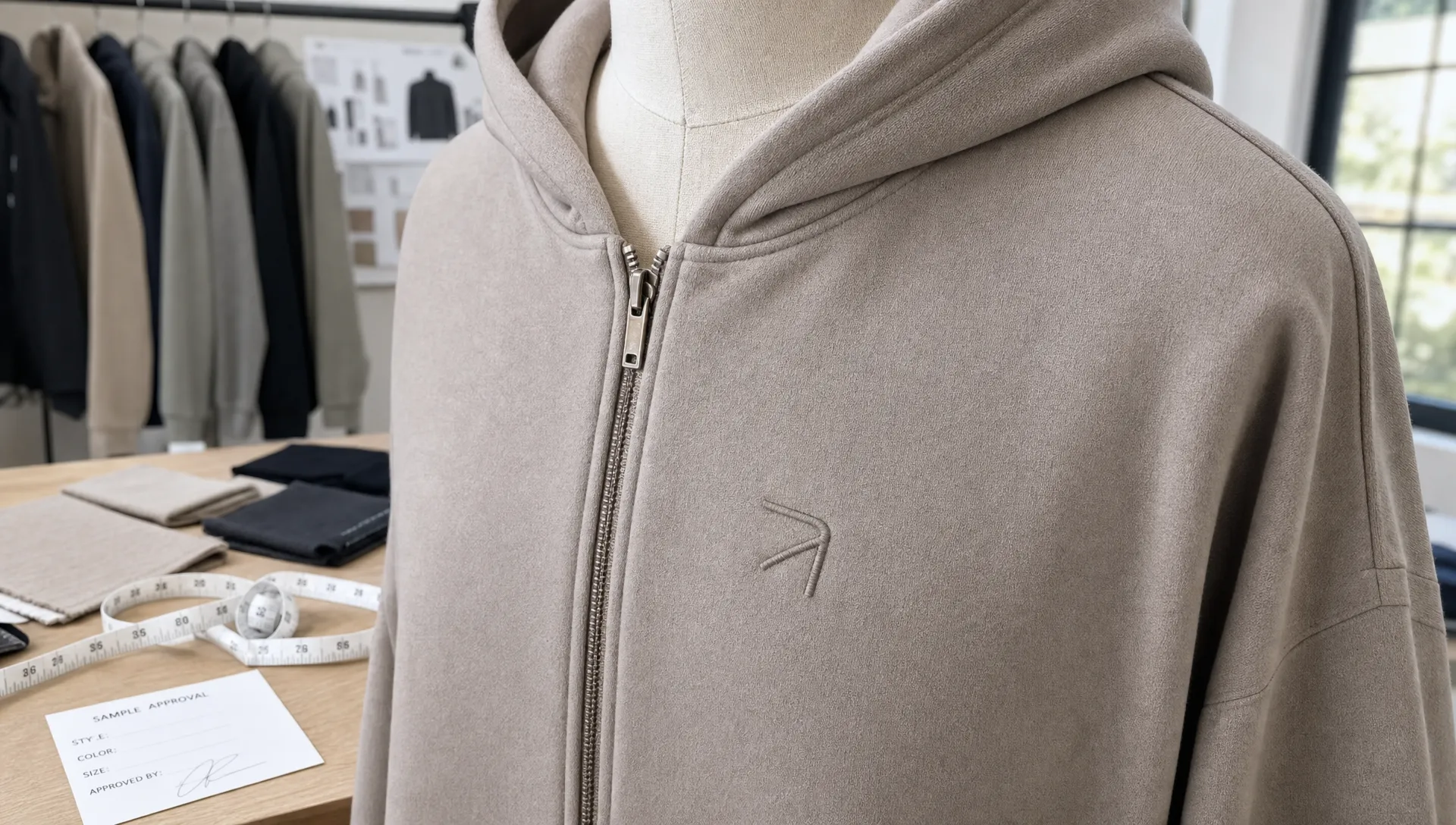
Color control is just as important. Digital mockups can look different from fabric, thread, print ink or sublimation output. Buyers should use defined color references when possible and approve physical samples before committing to a large order. If brand recognition depends on a specific red, navy or gold, do not rely on screen appearance alone.
If your brand is still shaping its visual system, the article on how custom apparel helps sports brands stand out offers a useful look at identity, community and performance appeal in custom apparel.
Manufacturing Checklist Before You Order
Before production, sports uniforms should be checked against a clear specification rather than a rough idea. A proper brief helps the manufacturer quote accurately, build samples efficiently and avoid preventable revisions.
Use the checklist below before approving a sample or bulk order:
- Confirm sport-specific performance needs, including stretch, ventilation, padding, reinforcement or grip resistance.
- Define fabric type, weight, composition, finish and color reference.
- Provide final artwork files, logo placements, sponsor details and decoration methods.
- Approve sizing charts for each market, including youth, women’s, men’s and unisex fits where needed.
- Review labels, packaging, care instructions and country-specific requirements.
- Test a sample for fit, movement, wash behavior and decoration durability.
This is also the stage to align minimum order quantities, lead times, shipping destinations and reorder planning. Arus Sportswear offers private label and OEM production for fightwear, sportswear and combat sports uniforms, so a detailed production brief helps turn design ideas into a repeatable product.
For a deeper pre-production review, see Arus Sportswear’s guide to custom sport uniform details that prevent costly reworks. It is especially useful for buyers managing artwork, sizing and fabric decisions across multiple team products.
Regional Considerations for International Uniform Programs
Teams and brands selling across countries need more than a good design. They need a uniform program that feels local enough for each market while staying consistent enough to protect the brand.
In the USA and Canada, buyers often expect broad size ranges, fast reorders and clear team personalization such as names and numbers. In Germany, the Netherlands and other European markets, clean design, fit accuracy and product quality can strongly influence perceived value. In Japan, precise finishing and balanced design details matter, while Thailand and Australia may require lighter fabrics for heat and humidity.
International sports uniforms also need practical labeling and packaging decisions. Care labels should be clear. Size charts should account for regional fit expectations. If products are going into retail, barcode systems, polybags, hangtags and carton organization can make distribution easier for clubs, stores and online sellers.
The more markets you serve, the more valuable consistency becomes. A standard color palette, approved fit blocks and repeatable decoration rules make it easier to add new products later without starting from zero.
Common Mistakes That Hurt Training, Travel and Retail Results
Many uniform problems begin with good intentions. Teams want a striking design, brands want a full collection and distributors want to satisfy every customer request. The issue is usually not ambition. It is lack of focus.
One common mistake is designing only for the launch photo. A kit may look impressive in a mockup but fail during movement, washing or travel. Another mistake is using the same garment for athletes and fans without considering comfort, fit or price expectations. A competition top might need technical construction, while a retail version may sell better with softer fabric and a more relaxed fit.
Buyers also run into trouble when they approve artwork before confirming production methods. A design with tiny gradients, complex sponsor logos or tight seam placements may need adjustment for embroidery, printing or sublimation. Early manufacturer input can save time and protect the final look.
Finally, avoid launching too many items at once. Start with the pieces your audience will actually wear, then expand based on sales data, athlete feedback and reorder patterns.
Frequently Asked Questions
What makes sports uniforms suitable for both training and retail? The design needs to combine performance features with everyday appeal. Training pieces should move well and withstand washing, while retail versions may need softer fabrics, simpler fits and lifestyle-friendly branding.
Which fabric is best for team uniforms? The best fabric depends on the sport and use case. Polyester blends are common for breathable teamwear, stretch fabrics work well for high-movement training and heavier woven fabrics may be needed for martial arts uniforms.
Should teams order separate travel apparel? Yes, if the team travels regularly or wants a more professional public image. Travel apparel such as polos, hoodies, joggers and jackets keeps the group coordinated without requiring athletes to wear competition gear off the field.
How can a gym or brand reduce inventory risk with team retail? Start with a focused product range, use proven colors, avoid too many size and design variations and track what sells before expanding. Pre-orders can also help estimate demand before bulk production.
When should a manufacturer be involved in the design process? Involve the manufacturer before final artwork approval. Early feedback on fabric, decoration methods, sizing and construction can prevent delays, extra sampling costs and design changes later.
Build a Uniform Program That Works Beyond Game Day
A strong uniform program supports athletes, represents the organization and creates products people are proud to wear. When training, travel and retail are planned together, every piece has a purpose and the brand feels more consistent across the entire customer experience.
Arus Sportswear manufactures custom MMA, martial arts and team apparel for brands, gyms and distributors worldwide. If you are planning private label or OEM production with custom designs, branding options, low minimum orders and bulk order support, Arus Sportswear can help turn your next collection into production-ready apparel.