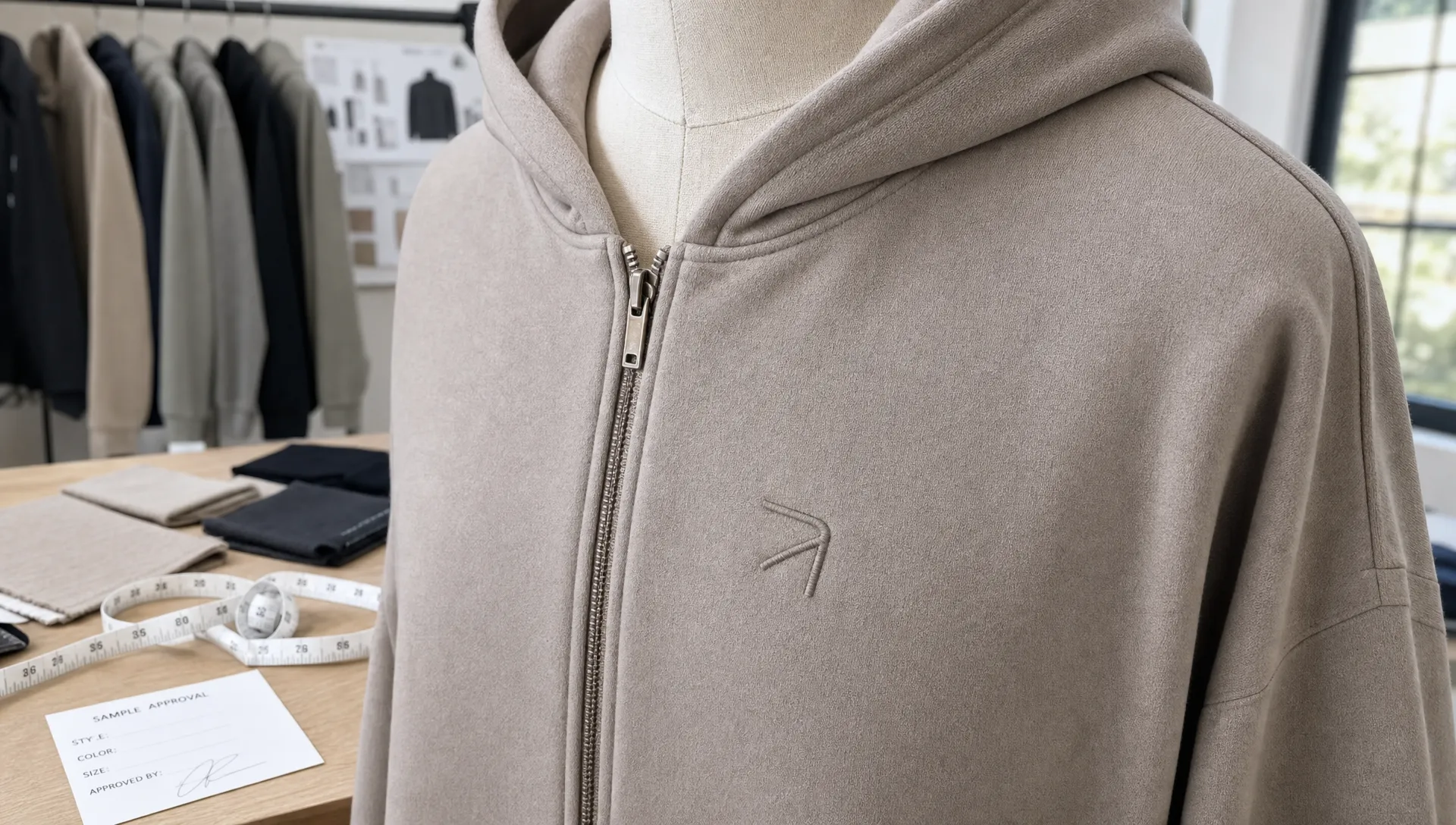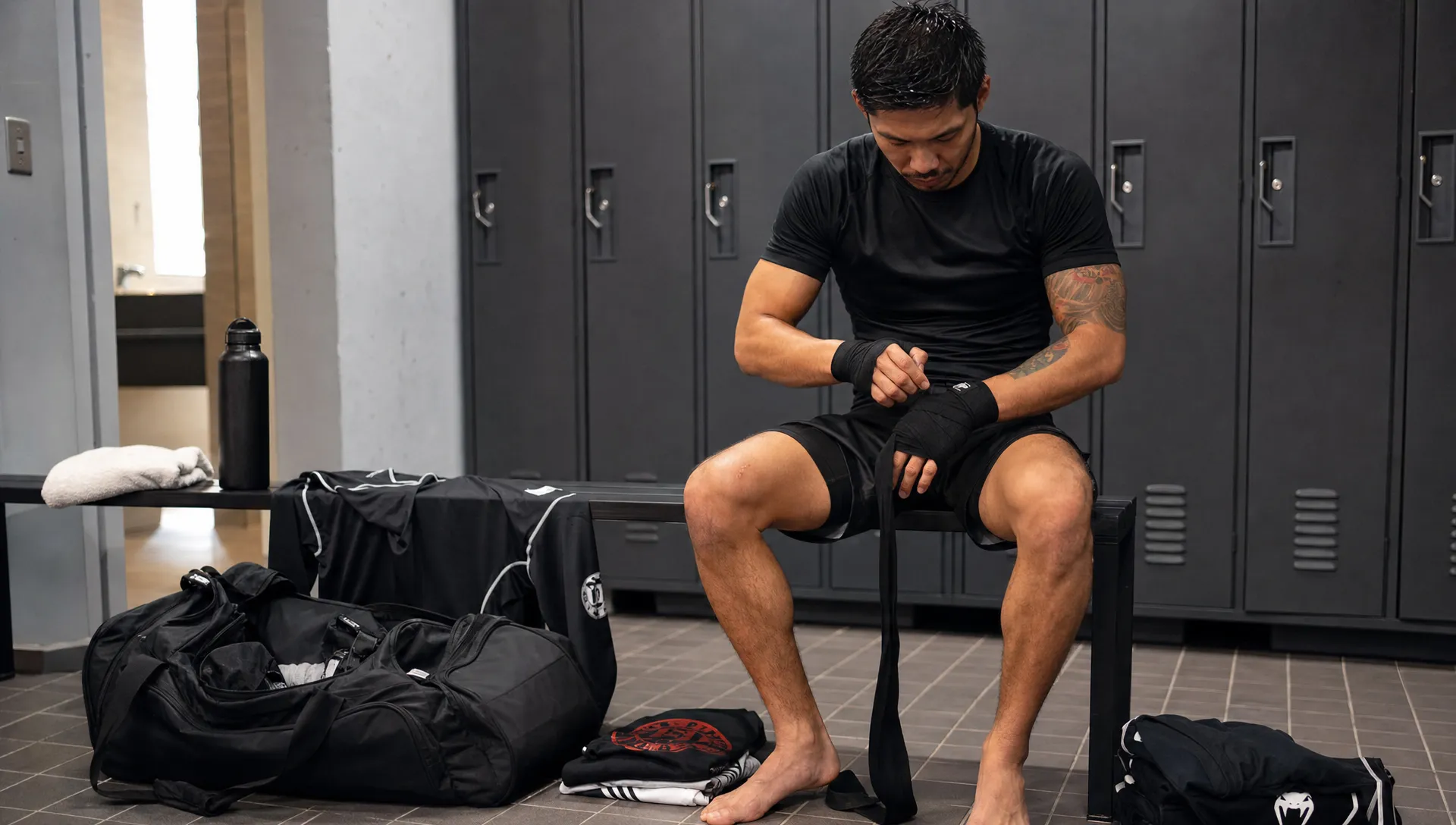
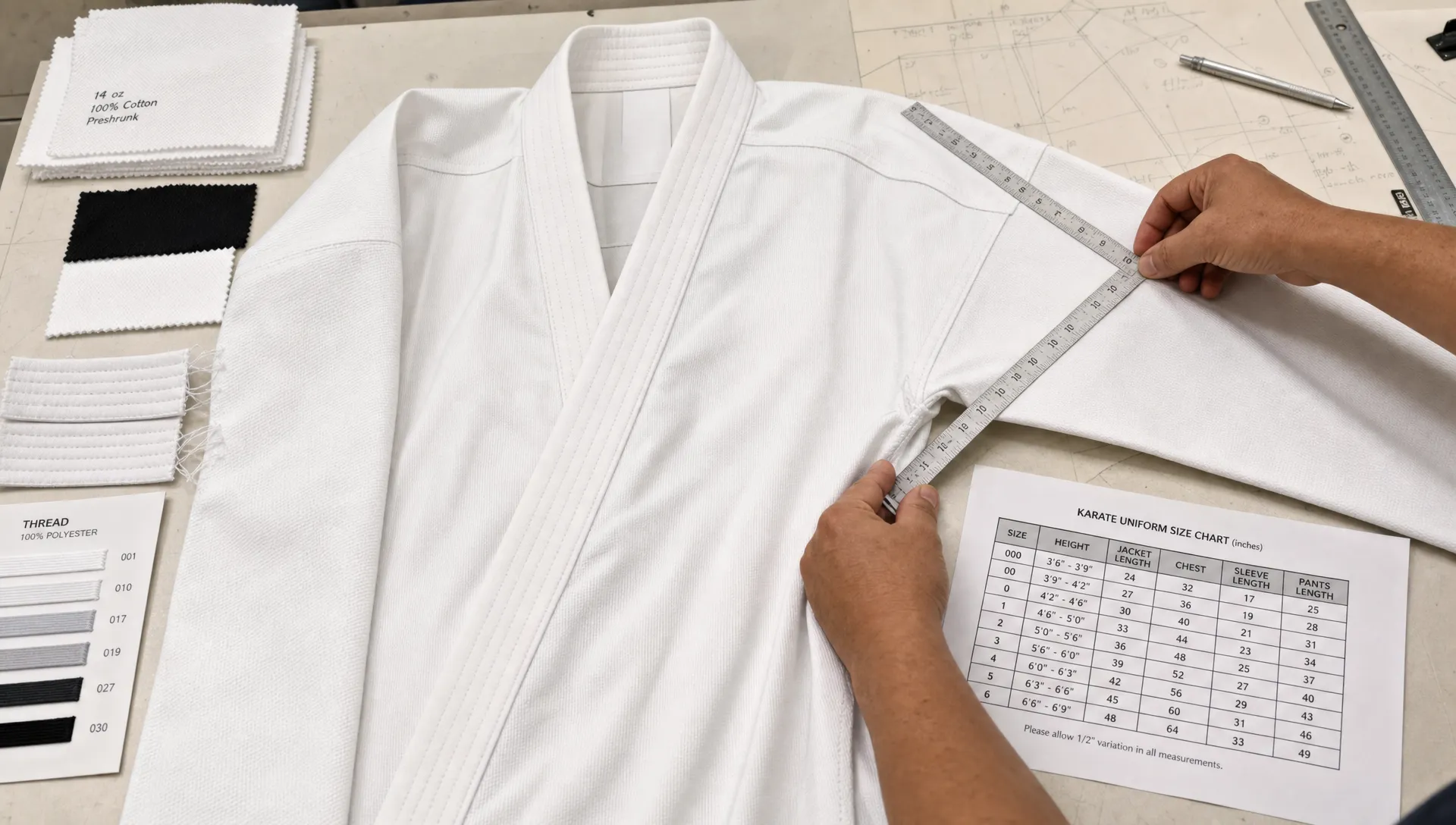
Choosing a karate uniform manufacturer is not only about finding someone who can sew a white gi. For gyms, martial arts brands, distributors, and retailers, the manufacturer you choose affects product quality, customer trust, reorder consistency, and your ability to scale.
A good karate uniform should look traditional, feel comfortable during training, survive repeated washing, and support the identity of the school or brand selling it. A poor one can shrink unpredictably, tear at stress points, arrive with uneven sizing, or damage your reputation before customers ever place a second order.
If you are comparing suppliers, this guide will help you evaluate the qualities that matter most, from fabric and stitching to private label options, sampling, minimum orders, and communication.
Start With the Type of Karate Uniform You Need
Before contacting a karate uniform manufacturer, define the product you actually want to sell or distribute. Karate uniforms can vary widely depending on the customer, training level, and intended use.
A beginner student uniform is usually judged on comfort, affordability, durability, and easy care. A tournament-focused uniform may require a sharper cut, heavier fabric, stronger snap, and a more structured fit. A children’s uniform needs sizing consistency and reinforced construction, while an adult black belt uniform may need more premium finishing.
The most important questions to answer early are:
- Are you producing uniforms for schools, retail customers, tournaments, or wholesale distribution?
- Do you need lightweight, middleweight, or heavyweight fabric?
- Will the uniform be sold under your brand, your gym name, or as a generic product?
- Do you need custom labels, embroidery, patches, or packaging?
- Are you testing a small first order or planning regular bulk production?
This clarity helps the manufacturer recommend the right fabric, pattern, sizing structure, and production approach. It also prevents confusion during sampling, which is where many sourcing problems begin.
Evaluate Fabric Quality and Performance
Fabric is one of the clearest signs of a reliable karate uniform manufacturer. The fabric affects comfort, durability, shrinkage, breathability, appearance, and customer satisfaction.
Common karate uniform fabrics include cotton, poly-cotton blends, canvas, twill, and ribbed or brushed variations. There is no single best fabric for every buyer. The right choice depends on how the uniform will be used and what price point your market expects.
Lightweight fabrics are often preferred for beginners, children, and warm training environments. Heavier fabrics can offer a more traditional feel, better structure, and a stronger sound during techniques, but they may be less comfortable for casual students or hot climates.
When reviewing fabric options, ask your manufacturer about shrinkage rates, GSM or fabric weight, colorfastness, hand feel, and recommended care instructions. A serious supplier should be able to explain how the fabric behaves after washing, not just how it looks before production.
| Fabric factor | Why it matters | What to ask the manufacturer |
|---|---|---|
| Fabric weight | Impacts structure, comfort, and price | What GSM or weight options are available? |
| Shrinkage | Affects sizing after washing | Has the fabric been pre-shrunk or tested? |
| Weave | Influences durability and appearance | Is it canvas, twill, ribbed, or another weave? |
| Breathability | Important for training comfort | Is the fabric suitable for long sessions? |
| Color stability | Matters for white uniforms and trims | Does the fabric yellow, fade, or bleed? |
A manufacturer that avoids these details may not have strong control over its material sourcing. For brands, this can lead to inconsistent batches and difficult customer complaints later.
Inspect Stitching, Reinforcement, and Construction
Karate uniforms experience stress in places casual apparel does not. Kicks, stances, grips, repeated kneeling, washing, and daily dojo use all put pressure on seams and fabric.
A reliable karate uniform manufacturer should understand martial arts movement. Look closely at the shoulder seams, underarms, side vents, lapel, crotch gusset, trouser waistband, knee area, and sleeve hems. These areas should be cleanly stitched and properly reinforced.
Stitching should be even, secure, and free of loose threads. Reinforcement at stress points is especially important for uniforms used by active students and competitors. Poor construction may not be obvious in a new sample, but it often appears after several washes or intense training sessions.
If possible, test the sample in real conditions. Have an instructor or experienced student wear it during class. Wash it multiple times. Check whether seams twist, sleeves shrink unevenly, trousers lose shape, or labels irritate the skin.
Confirm Sizing Accuracy and Pattern Consistency
Sizing is one of the biggest challenges in uniform manufacturing. Even if the fabric and stitching are good, inconsistent sizing can create returns, exchanges, and unhappy customers.
Ask the manufacturer for a detailed size chart before production. It should include jacket length, sleeve length, chest width, trouser length, waist range, and recommended height ranges if applicable. For children’s uniforms, grading between sizes should be especially clear.
The sample should be measured against the approved size chart before you sign off on bulk production. You should also confirm production tolerances. Apparel manufacturing always has small measurement variations, but those tolerances need to be defined and controlled.
For brands that sell internationally, sizing can become more complex. A uniform designed for one market may not fit expectations in another. If you serve multiple regions, discuss regional size preferences with your supplier early.
Look for Custom Branding and Private Label Options
Branding is a major reason buyers choose a custom karate uniform manufacturer instead of purchasing generic stock uniforms. Custom branding can help a gym look more professional, help a retail brand stand out, and help distributors create a product line that customers remember.
Branding options may include woven neck labels, printed care labels, embroidered logos, patches, custom drawstrings, branded packaging, hang tags, and size stickers. The key is to keep branding functional and appropriate for the martial arts market.
Karate uniforms often need a balance between tradition and brand identity. A clean, disciplined look usually works better than excessive decoration, especially for schools and tournament-focused buyers. This same principle applies across premium consumer products, where restrained design can communicate quality, as seen in minimalist consumer categories such as LUMOIR Jewelry, where material choice and visual consistency support brand perception.
If your customers compete, ask whether the uniform design can be adapted to the rules of the relevant federation, tournament, or school association. Logo placement, patch size, color, and embroidery may need to follow specific requirements depending on the event or organization.
For a broader view of sourcing custom martial arts products, Arus Sportswear also explains how to assess a martial arts clothing manufacturer across product categories.
Prioritize Sampling Before Bulk Production
Sampling is where you discover whether a supplier can turn your idea into a real product. It is also where you should identify problems before they become expensive.
A proper karate uniform sample should reflect the agreed fabric, cut, stitching, size chart, branding, and finishing details. If the first sample is not perfect, that is not always a bad sign. What matters is how the manufacturer responds to feedback.
Good manufacturers document changes clearly, revise samples carefully, and confirm details before moving to bulk production. Weak manufacturers rush approvals, make undocumented substitutions, or treat your feedback as an inconvenience.
Sampling should cover more than appearance. Test the uniform for movement, washing, shrinkage, ironing, label comfort, and packaging. If you plan to sell the uniform under your own brand, the unboxing experience should also match your target market.
Ask About Quality Control Processes
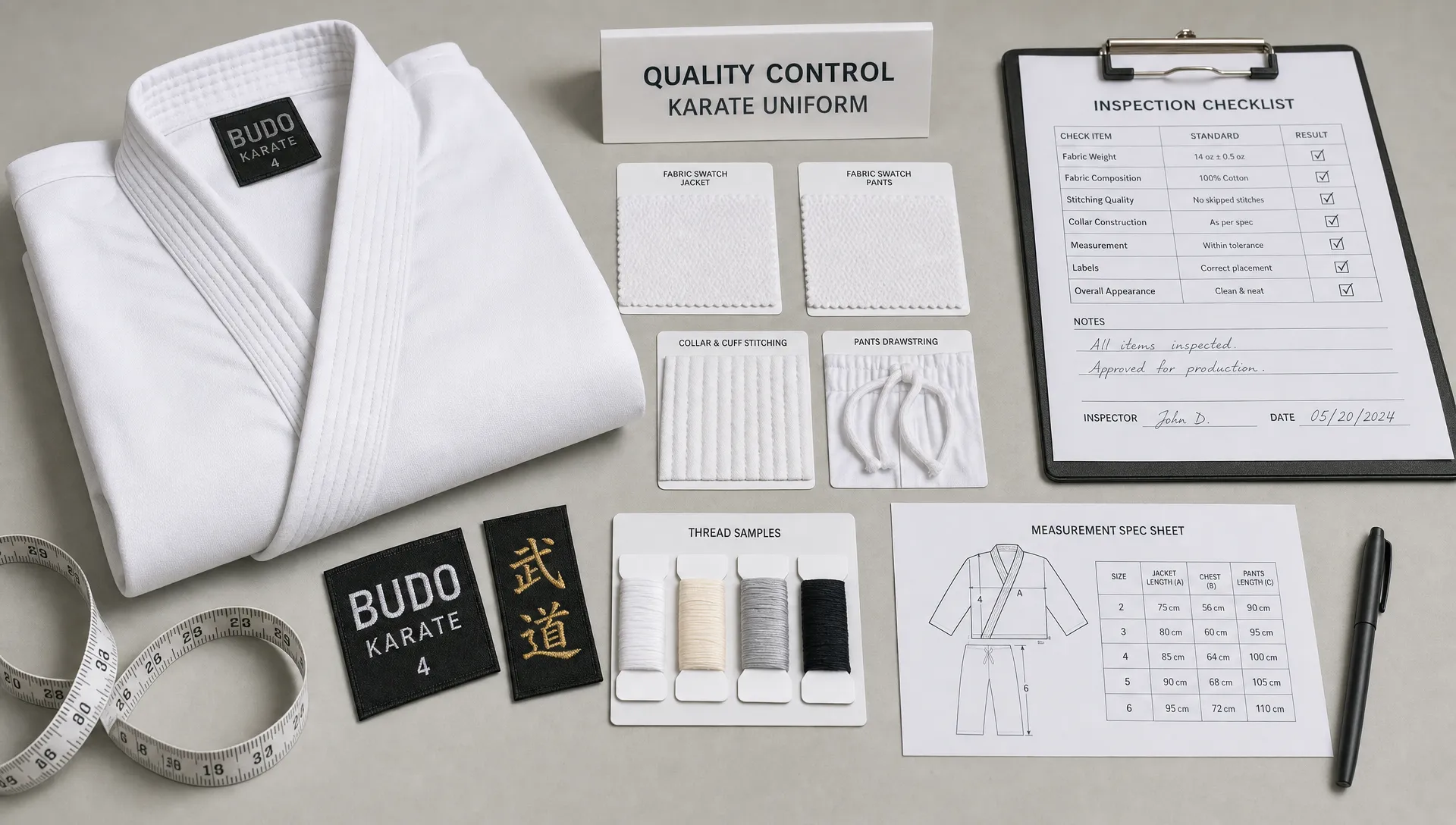
Quality control separates professional manufacturing from basic production. A manufacturer may produce a good sample, but bulk orders require consistent inspection across dozens, hundreds, or thousands of units.
Ask how the manufacturer checks fabric before cutting, verifies measurements during production, inspects stitching, confirms branding placement, and reviews finished goods before packing. A good supplier should have a process for catching defects before products leave the factory.
Important quality checks include:
- Fabric inspection before cutting
- Measurement checks against the approved size chart
- Stitching and seam strength review
- Embroidery, patch, or label placement verification
- Shrinkage or wash testing when required
- Final packing and quantity checks
You do not need a complicated system for every order, but you do need a repeatable one. Consistent quality control protects your margins and reduces the risk of customer returns.
If you are already seeing recurring issues with your current supplier, it may be time to compare those problems against the signs you need a better sportswear manufacturer.
Understand Minimum Orders and Scalability
Minimum order quantity matters because not every buyer is ready to commit to large production. New brands, local dojos, and growing distributors often need to test demand before placing bigger orders.
A manufacturer with low minimum order options can be useful for market testing, seasonal launches, and new product development. At the same time, you should also consider whether the supplier can support larger orders later.
The best partner is not only the one that can make your first batch. It is the one that can help you grow from a small trial order to repeat bulk production while keeping sizing, fabric, and finishing consistent.
When discussing MOQs, also ask about reorder requirements, production capacity, and whether the same materials will be available in future batches. A uniform line becomes harder to manage if every reorder looks or feels different from the last one.
Review Lead Times, Communication, and Production Transparency
In apparel manufacturing, communication is a quality factor. Even a technically skilled supplier can become a problem if updates are slow, unclear, or inconsistent.
Before placing an order, pay attention to how the manufacturer handles questions. Do they explain fabric choices clearly? Do they confirm details in writing? Do they provide realistic timelines? Do they ask smart questions about your market, or do they simply quote a price?
Reliable manufacturers communicate around key production stages such as design confirmation, sampling, material sourcing, cutting, stitching, inspection, packing, and shipping. You should not have to chase every update.
Transparency also matters when something changes. Delays, fabric substitutions, and sample revisions can happen in manufacturing, but they should be communicated early and honestly. Surprises are what damage trust.
Check OEM and Private Label Manufacturing Capabilities
If you are building a martial arts brand, OEM and private label capabilities are especially important. Private label manufacturing allows you to sell uniforms under your own brand identity, while OEM production can support more specific product development based on your design requirements.
A karate uniform manufacturer with private label experience should understand labeling, packaging, size grading, brand consistency, and repeat production. They should also be able to support related martial arts apparel if your product line expands into belts, training wear, rash guards, fightwear, or other combat sports categories.
For buyers planning a branded product line, Arus Sportswear has a dedicated guide to private label martial arts clothing manufacturing that explains how brands can approach custom production more strategically.
Consider Packaging, Shipping, and Documentation
Packaging may seem secondary, but it affects both logistics and brand perception. A neatly folded uniform in a branded bag with accurate size labeling is easier to store, ship, and sell. Poor packaging can make even a decent product feel unprofessional.
Ask whether the manufacturer can support individual polybags, size stickers, hang tags, care labels, carton labeling, and bulk packing requirements. If you distribute to retailers or gyms, clear packaging reduces handling errors.
For international buyers, shipping and documentation are also important. Discuss carton dimensions, packing lists, commercial invoices, country of origin labeling, and shipping options before production is complete. A manufacturer with worldwide shipping experience can help make the process smoother, although import rules and duties still depend on your destination country.
Watch for Red Flags Before You Commit
A low quote can be attractive, but price should never be the only factor. The wrong manufacturer can cost more through delays, returns, inconsistent sizing, and damaged customer trust.
| Red flag | Why it matters | Better sign to look for |
|---|---|---|
| Vague fabric details | Materials may change between sample and bulk order | Clear fabric specs and options |
| No sample process | Bulk production becomes risky | Sample approval before production |
| Poor communication | Delays and errors become harder to manage | Written confirmations and updates |
| Inconsistent sizing | Returns and complaints increase | Size chart and tolerance control |
| Limited branding support | Your product looks generic | Labels, packaging, and logo options |
| No QC explanation | Defects may reach customers | Defined inspection process |
If a supplier cannot answer basic questions before you pay, they are unlikely to become more reliable after production starts.
Questions to Ask a Karate Uniform Manufacturer
Before confirming an order, prepare a short but practical supplier questionnaire. The answers will reveal whether the manufacturer understands your needs and can support your business long term.
- What fabric weights and weaves do you recommend for our target customer?
- Can you provide a size chart with production tolerances?
- What branding options are available for labels, embroidery, patches, and packaging?
- Can we approve a sample before bulk production?
- How do you test shrinkage and check measurements?
- What are your minimum order quantities for custom uniforms?
- Can you support repeat orders with consistent materials and sizing?
- What shipping options are available for our destination market?
The goal is not to make the process complicated. The goal is to find out whether the manufacturer has a real system behind the product.
Frequently Asked Questions
What makes a good karate uniform manufacturer? A good manufacturer offers reliable fabric sourcing, consistent sizing, strong stitching, custom branding options, sampling, quality control, clear communication, and the ability to support both small and bulk orders.
Should I choose cotton or poly-cotton karate uniforms? It depends on your market. Cotton can offer a traditional feel, while poly-cotton blends may improve durability, drying time, and shrinkage control. Ask for samples and wash-test them before deciding.
Can karate uniforms be private labeled? Yes, many manufacturers offer private label options such as woven labels, care labels, embroidery, patches, hang tags, and custom packaging. Always confirm branding placement and sample quality before bulk production.
Why is sampling important before ordering karate uniforms in bulk? Sampling allows you to test fabric, fit, stitching, shrinkage, branding, and packaging before committing to a larger order. It reduces the risk of expensive production mistakes.
What minimum order quantity should I expect? MOQs vary by manufacturer, fabric, customization level, and order complexity. If you are launching a new product line, look for a supplier that supports low minimum orders and can also scale with future demand.
Build Your Karate Uniform Line With the Right Manufacturing Partner
The right karate uniform manufacturer should help you create a product that respects martial arts tradition while supporting your brand goals. Look beyond price and evaluate fabric quality, construction, sizing, branding, sampling, communication, and long-term scalability.
Arus Sportswear manufactures custom MMA and martial arts apparel for brands, gyms, and distributors worldwide, including private label and OEM production for combat sports uniforms and fightwear. If you are planning a custom karate uniform line, need low minimum order support, or want a manufacturing partner for bulk production, connect with Arus Sportswear to discuss your project requirements.