Fight night creates attention, but daily wear creates brand value. The best MMA merch does more than commemorate a bout, a gym anniversary or a tournament weekend. It gives fans something they genuinely want to wear to training, on errands, while traveling and in casual social settings.
That shift matters for fighters, gyms, apparel startups and distributors. If your merch only sells during an event, every launch starts from zero. If fans keep wearing it, the product becomes a moving brand impression, a community signal and a repeat revenue channel.
Building MMA merch fans wear beyond fight night is not about making everything plain. It is about balancing fight culture with comfort, fit, taste and a product strategy that respects how people actually dress.
Why Most Fight Night Merch Has a Short Shelf Life
Event merch often leans on urgency. The date, matchup, venue, sponsor stack and fighter name create a reason to buy in the moment. That can work well at a live event or during a pay-per-view weekend, but it does not always translate into repeat wear.
The problem is usually not fan loyalty. It is wearability. A shirt with a huge event date across the back may feel exciting once, then sit in a drawer. A hoodie overloaded with logos may feel like a uniform, not something a fan chooses on a normal day. A poorly cut tee may sell because of the fighter, then fail because of the fit.
Branded apparel works best when it lets people signal identity without feeling like a walking billboard. Licensing International research covers the broader licensing economy, where sports and entertainment products perform because fans use merchandise to express belonging. MMA brands can apply the same logic, but the product must hold up outside the arena.
Fight Night Merch vs Everyday MMA Merch
The easiest way to improve your line is to separate event energy from daily utility. Fight night pieces can be loud, but your core merch needs to survive the Monday after.
| Merch decision | Fight night mindset | Everyday wear mindset |
|---|---|---|
| Graphic size | Maximum visibility from a distance | Balanced artwork that works with outfits |
| Logo placement | Big front hit, sponsor-heavy back | Smaller chest, sleeve, hem or tonal branding |
| Color palette | Event colors, team colors, opponent contrast | Neutrals, core brand colors and seasonal accents |
| Product type | Event tee, walkout jersey, limited poster tee | Hoodie, premium tee, cap, jogger, training short |
| Message | Date, matchup, fight slogan | Identity, gym culture, fighter values, lifestyle |
| Wear occasion | Arena, watch party, weigh-in | Gym, streetwear, travel, casual weekends |
This does not mean every product should look minimal. It means each item needs a purpose. A walkout jersey can be bold. A retail hoodie may need more restraint. A rash guard can carry strong visuals because it lives in a training context. A cap may only need a clean embroidered mark.
Start With the Fan Identity, Not the Logo
Before sketching designs, define why someone would wear your merch when no fight is happening. A fighter fan may want to show loyalty. A gym member may want to feel part of a team. A casual MMA fan may want a piece that has combat sports attitude without looking like event gear.
For gyms, merch is often a community uniform. Members wear it because it represents shared effort, rank progression and the people they train with. If you are building for a gym, it can help to look at proven custom branded clothing ideas that sell for gyms before deciding which items belong in your line.
For fighters, the identity may be built around a nickname, hometown, fighting style, cultural background or signature visual. For apparel brands, the identity is usually broader: discipline, pressure, resilience, technical skill or a particular aesthetic within combat sports.
A useful test is simple: if the fighter name, gym name or brand mark were smaller, would the item still look good? If the answer is no, the product is relying too heavily on loyalty and not enough on design.
Build a Product Line With Layers
A strong MMA merch program does not need dozens of SKUs at launch. In fact, too many products can dilute your budget and make inventory harder to manage. Start with a clear product architecture so each piece has a job.
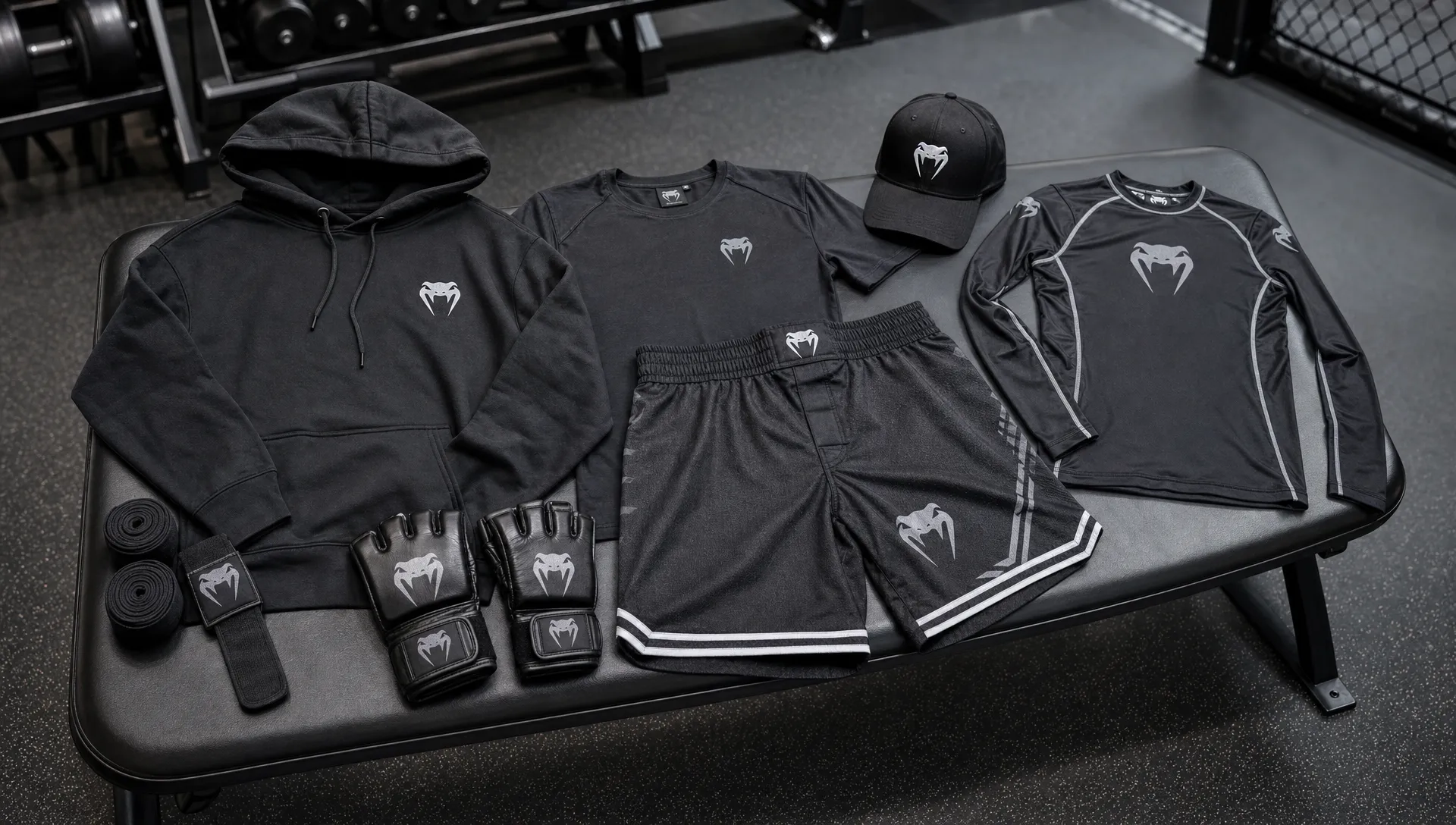
- Core essentials: Premium tees, hoodies, caps and joggers that carry the brand year-round.
- Training crossover: Rash guards, compression tops, fight shorts and performance tees that work in the gym and still look branded enough for retail.
- Statement pieces: Walkout jerseys, limited graphics, tournament capsules and collaboration items that create launch excitement.
- Accessories: Beanies, gym towels, duffel bags, patches and socks that offer lower-cost entry points.
This structure gives fans options at different price points and different levels of commitment. A new supporter may start with a cap. A gym member may buy a hoodie. A serious athlete may invest in rash guards or fight shorts. A collector may chase limited drops.
If your line includes jerseys, keep the use case clear from the start. A jersey designed for a walkout is not always the same as one designed for weekly training or retail. For deeper jersey-specific planning, see this guide on how to design MMA jerseys for walkouts, training and retail.
Design MMA Merch Like Streetwear With Fight DNA
Fans wear apparel more often when it fits into their existing wardrobe. That means your design team should think about silhouettes, color blocking, typography and blank space as much as logos.
A common mistake is treating every surface as available advertising space. Front logo, back logo, sleeve sponsor, shoulder graphic, slogan, flag, date and QR code can quickly turn one garment into visual noise. In combat sports, intensity is part of the appeal, but intensity does not have to mean clutter.
Use fight DNA in smarter ways. Consider a tonal logo on a black hoodie, a small woven label inspired by fight tape, a sleeve print with a gym motto, a back graphic that feels like a streetwear poster or a fight short pattern repeated as a subtle trim detail on a lifestyle tee.
Typography deserves special attention. Heavy, aggressive fonts can work, but too many MMA designs use the same distressed lettering. A cleaner type system often feels more premium and travels better across markets. If you sell in the USA, Canada, Germany, Australia, Japan, Thailand, the Netherlands or other parts of Europe, a design that avoids overcomplicated text can also be easier to understand across languages.
Choose Products People Can Wear Three Times a Week
The best merch items earn repeat wear because they solve normal wardrobe needs. Fans may love your brand, but they still choose clothing based on comfort, fit, weather and occasion.
| Product | Why it works beyond the event | Design note |
|---|---|---|
| Heavyweight tee | Easy daily item with broad appeal | Use strong fabric, good neck shape and controlled shrinkage |
| Midweight hoodie | High perceived value and frequent casual wear | Balance front branding with a clean back or vice versa |
| Performance tee | Useful for lifting, conditioning and travel | Choose breathable fabric and avoid rough decoration areas |
| Rash guard | Essential for grappling and MMA training | Prioritize stretch, seam comfort and durable print placement |
| Fight shorts | Functional for training and highly brandable | Keep mobility, waistband security and leg opening in mind |
| Cap or beanie | Low-friction fan purchase | Use embroidery or patches for a premium feel |
A smaller line of products people wear constantly will usually outperform a larger line of novelty items. The goal is not to make the loudest merch table. The goal is to put your brand into weekly rotation.
Make Fit and Fabric Part of the Brand Experience
Fans may buy once because they like the fighter or gym. They buy again when the product feels good. Fit and fabric are not technical afterthoughts, they are part of your brand promise.
For tees and hoodies, the blank or custom cut should match your audience. A boxier streetwear fit feels different from an athletic tapered fit. A lightweight tee may work in Thailand or Australia during warm months, but a heavier tee or fleece can make more sense for Canada, Germany or the Netherlands during cooler seasons. If you sell internationally, offering clear size charts in both inches and centimeters reduces hesitation and returns.
For training products, performance matters even more. Rash guards need stretch recovery, smooth seams and print durability. Fight shorts need mobility, secure closure and resistance to repeated washing. Poor construction can damage trust quickly because combat sports customers test apparel harder than casual shoppers.
This is where a specialized production partner matters. A generic clothing factory may understand basic apparel, but combat sports pieces have different stress points, fabric needs and decoration challenges. If you are comparing suppliers, review what a combat sports clothing manufacturer should offer before committing to a bulk order.
Build Drops Around Stories, Not Random Graphics
A good merch drop gives fans a reason to care now and a reason to keep the item later. That reason should come from a story, not only a discount.
For a fighter, the story might be a comeback camp, hometown fight, title opportunity or signature technique. For a gym, it could be an anniversary, competition team season, belt promotion event or charity seminar. For an apparel brand, it might be a capsule built around training discipline, regional fight culture or a collaboration with a coach or athlete.
The story should influence the product choices. A hometown capsule may use a premium tee, cap and hoodie with local references that are subtle enough for everyday wear. A competition team capsule may focus on warmups, jerseys and training gear. A summer training drop may prioritize lightweight tees, shorts and caps.
Avoid fake scarcity. Limited products can create urgency, but fans notice when every item is called limited with no meaningful reason. Use scarcity when it fits the story, then keep core essentials available so new fans can always enter the brand.
Plan for Global Wearability
MMA is international, and merch often travels farther than the gym that created it. A fan in Florida, Ontario, Berlin, Sydney, Tokyo, Bangkok or Amsterdam may like the same fighter, but they may not wear the same fabric weight or fit all year.
Global planning starts with practical choices. Use size charts that are easy to read. Consider metric and imperial measurements. Test whether graphics make sense without long English phrases. Think about how colorways photograph on different skin tones and how they pair with common wardrobe basics.
Seasonality also matters. Hoodies may be reliable in North America and Northern Europe, but warm-weather regions may need lighter fleece, oversized tees, mesh shorts or breathable performance tops. In Japan and parts of Europe, more understated branding may fit some retail contexts better, while event environments may still support louder graphics. Treat these as market considerations, not fixed rules.
If you are selling through gyms, distributors or online stores across regions, keep your core line consistent and adapt capsules by climate, event calendar or local partner. That gives your MMA merch a recognizable brand system without forcing every market into the same product mix.
Work Backward From MOQ, Margin and Reorders
A product can look great and still fail as a business if the order plan is wrong. Before production, decide which items are core inventory and which are limited tests.
Core products should be easier to reorder, available in proven colors and designed to stay relevant for at least one season. Limited products can carry more experimental artwork, but order quantities should reflect realistic demand. Low minimum orders can help newer brands and gyms test demand without taking on too much inventory risk, especially when launching a new design language.
| Production choice | Best use | Risk to watch |
|---|---|---|
| Small test order | New gym merch, first fighter drop, new market | Unit cost may be higher |
| Core bulk order | Proven tees, hoodies, rash guards or shorts | Overstock if sizing demand is misread |
| Pre-order model | Highly engaged fanbase or team members | Longer wait times require clear communication |
| Seasonal capsule | Event, anniversary or collaboration | Short selling window |
Reorder planning is part of brand building. If a hoodie becomes the item everyone wants, you need to know whether the fabric, color and decoration method can be reproduced consistently. Fans expect the second batch to feel like the first.
Make Marketing Part of the Product Plan
Merch is easier to sell when you design the marketing before the product arrives. Do not wait until boxes are delivered to think about photos, launch copy and athlete content.
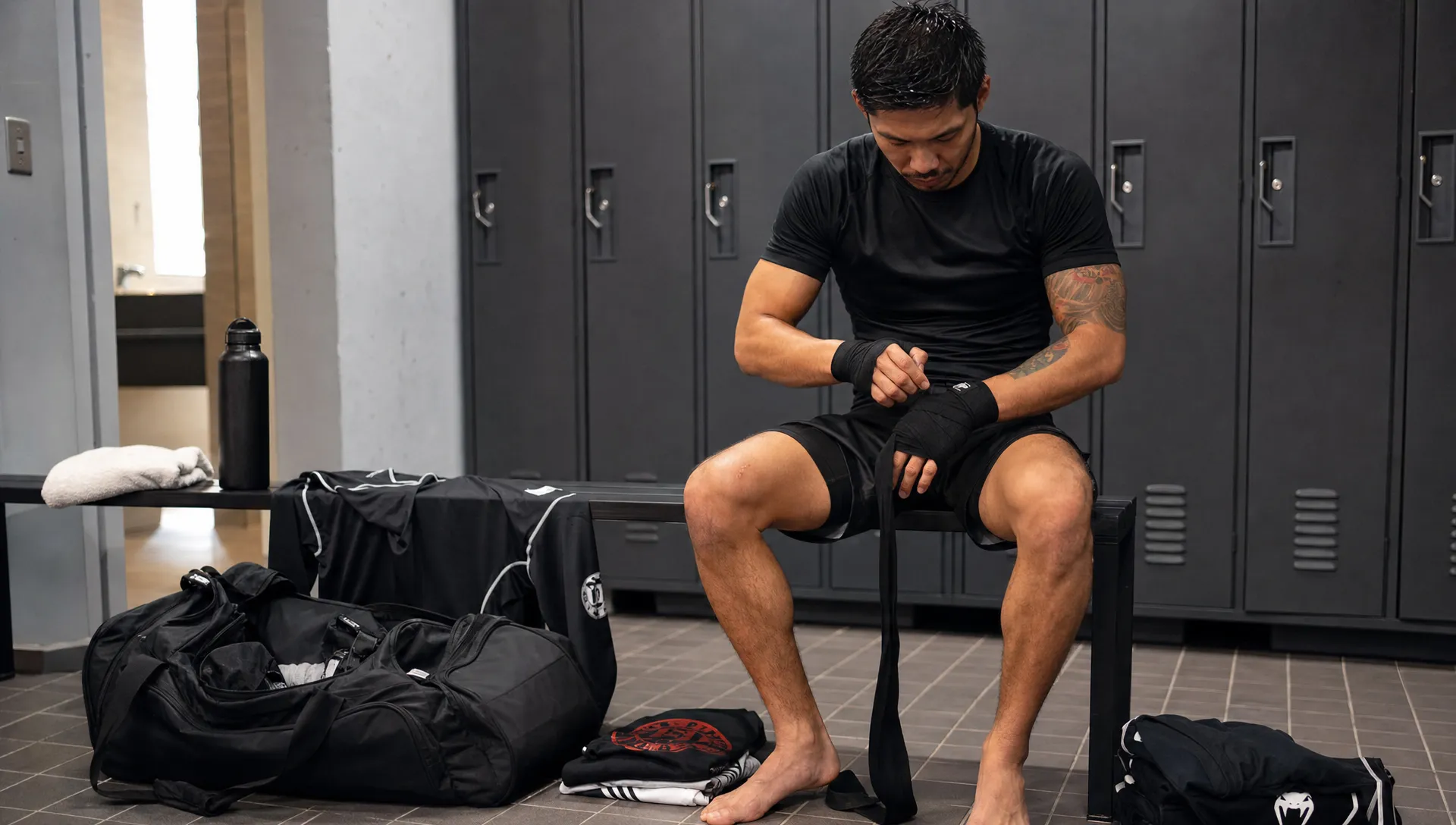
Plan how each piece will be shown in real life. Photograph hoodies in casual settings, not only against a blank wall. Show rash guards during drilling and sparring warmups. Capture caps, tees and shorts in travel, coffee shop, gym bag and street contexts. If you want fans to wear the product beyond fight night, your visuals should show exactly that.
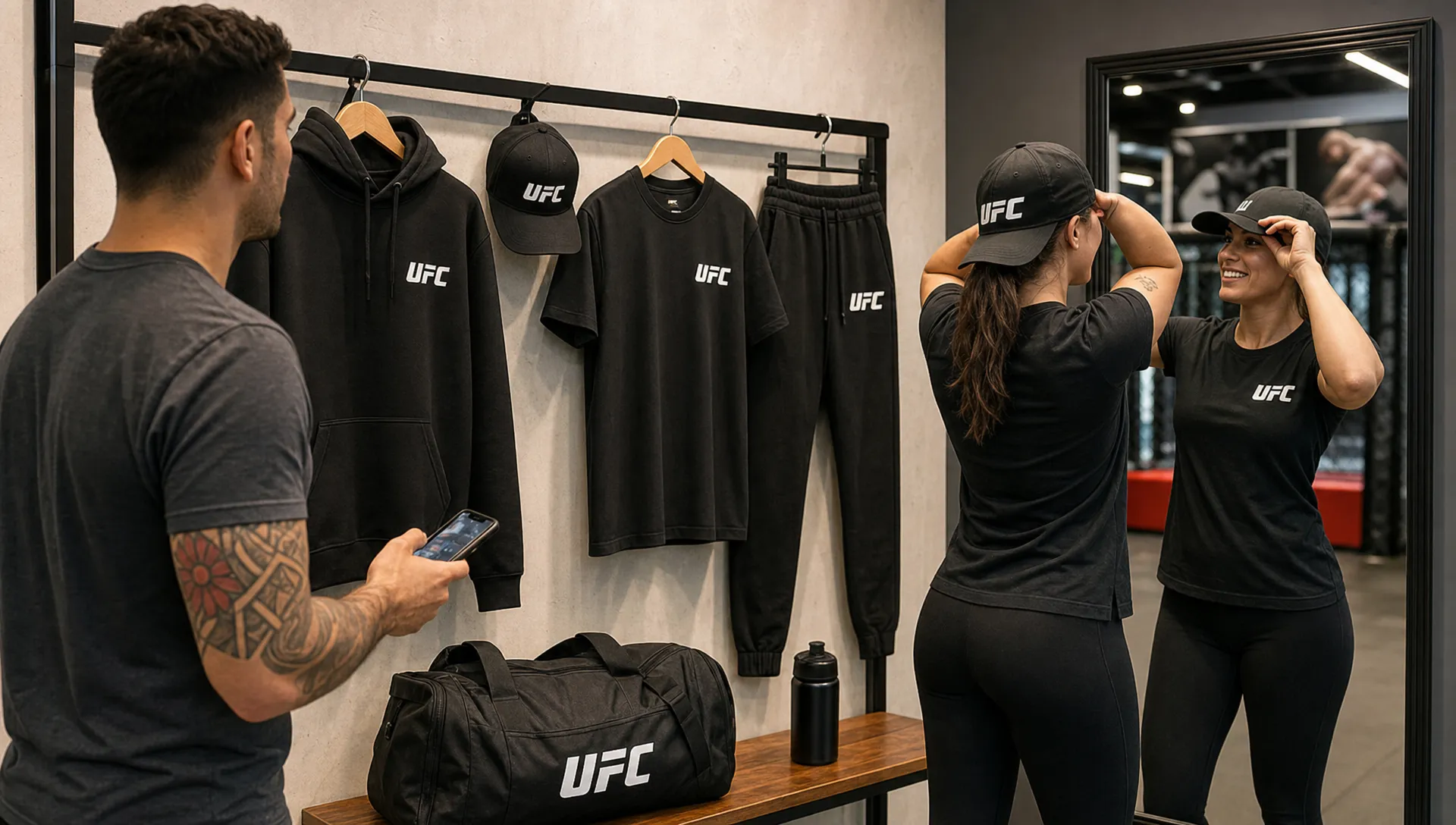
Athlete and coach adoption matters. A fighter wearing the hoodie during travel week, a coach wearing the tee at open mat or members wearing the cap after class can do more than a product-only post. For gyms, staff should wear the merch consistently before asking members to buy it. For brands, seeded products should go to people whose audience matches the product, not just anyone with reach.
Common Mistakes That Keep MMA Merch in the Drawer
Many merch problems are avoidable if you review the line from the customer’s point of view before ordering.
- Overbranding every item: Fans may love the brand but still prefer subtle pieces for daily wear.
- Ignoring garment quality: Weak necklines, rough prints, poor stitching and shrinkage reduce repeat purchases.
- Using one fit for everyone: Athletic, oversized and classic fits serve different customers.
- Designing only for event photos: A shirt that looks good under arena lights may not work with jeans or joggers.
- Ordering too many novelty pieces: Core products usually carry the business between major events.
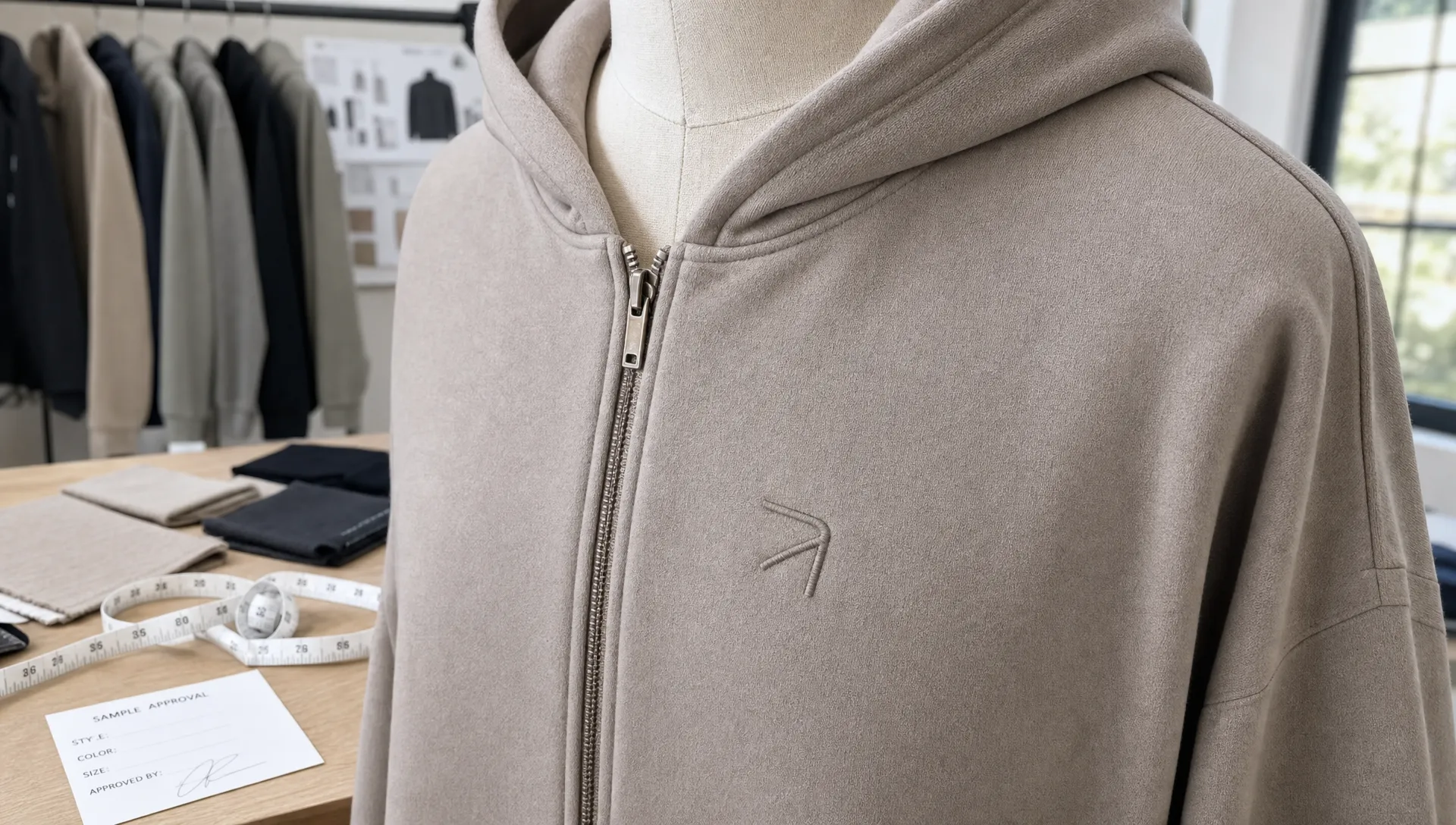
- Skipping samples: Production samples help catch fit, color, print and construction issues before bulk manufacturing.
A useful final review is to ask whether each product earns its place. If it does not serve training, lifestyle, community, retail or a specific story, it may not need to be in the drop.
Frequently Asked Questions
What makes MMA merch wearable beyond fight night? Wearable MMA merch combines fan identity with everyday comfort, strong fit, durable construction and designs that work outside event settings. The best pieces feel like apparel first and souvenirs second.
Which MMA merch products should a new brand or gym start with? Most brands can start with premium tees, hoodies, caps and one training-focused item such as a rash guard, performance tee or fight short. This mix covers casual wear and combat sports credibility without creating too much inventory complexity.
Should fighter merch include event dates and opponent names? Event details can work for limited fight night products, but they reduce long-term wearability. For core merch, use broader identity elements such as nickname, hometown, gym culture, values, symbols or signature colors.
How can gyms sell more custom MMA merch? Gyms sell more when coaches and members wear the products often, the designs feel like part of the team identity and the items are useful before and after training. Fit, comfort and simple ordering also matter.
Is private label production useful for MMA merch? Private label production helps brands, gyms and distributors create custom apparel with their own branding instead of relying on generic blanks. It is especially useful when you want consistent design, custom labels and a more professional retail experience.
Build MMA Merch Fans Keep Wearing
MMA merch becomes more valuable when it moves from event souvenir to everyday uniform. That requires better product choices, cleaner design thinking, reliable fit, durable materials and a production plan built around real demand.
Arus Sportswear manufactures custom MMA and martial arts apparel for brands, gyms and distributors worldwide, including private label and OEM production for fightwear, sportswear and combat sports uniforms. If you are planning a custom merch line with branded designs, low minimum orders, bulk support and worldwide shipping, Arus Sportswear can help turn your concept into production-ready apparel.